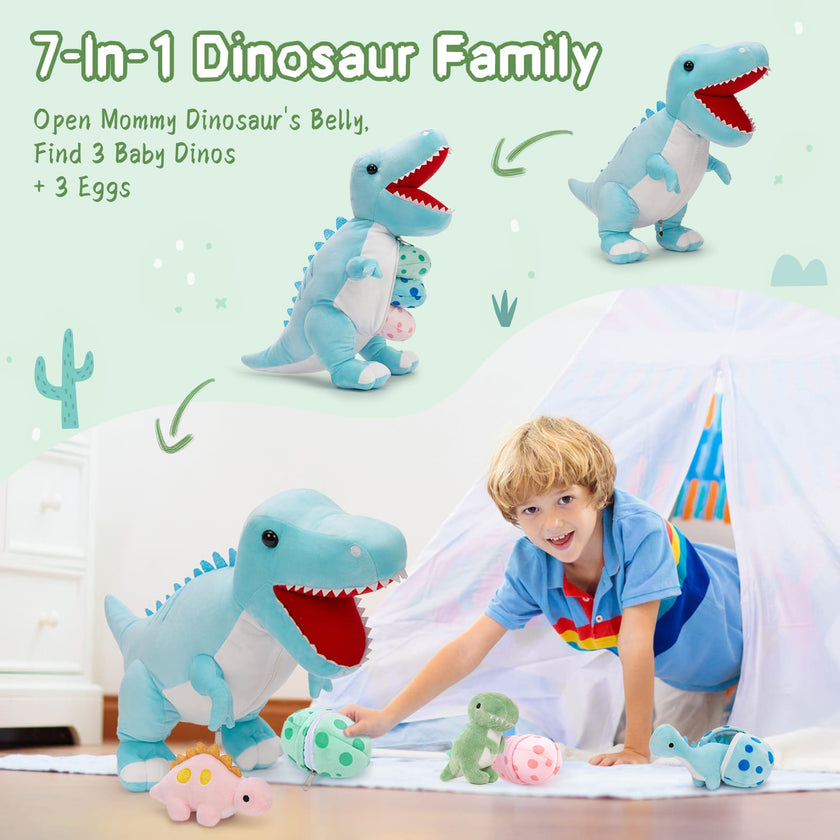
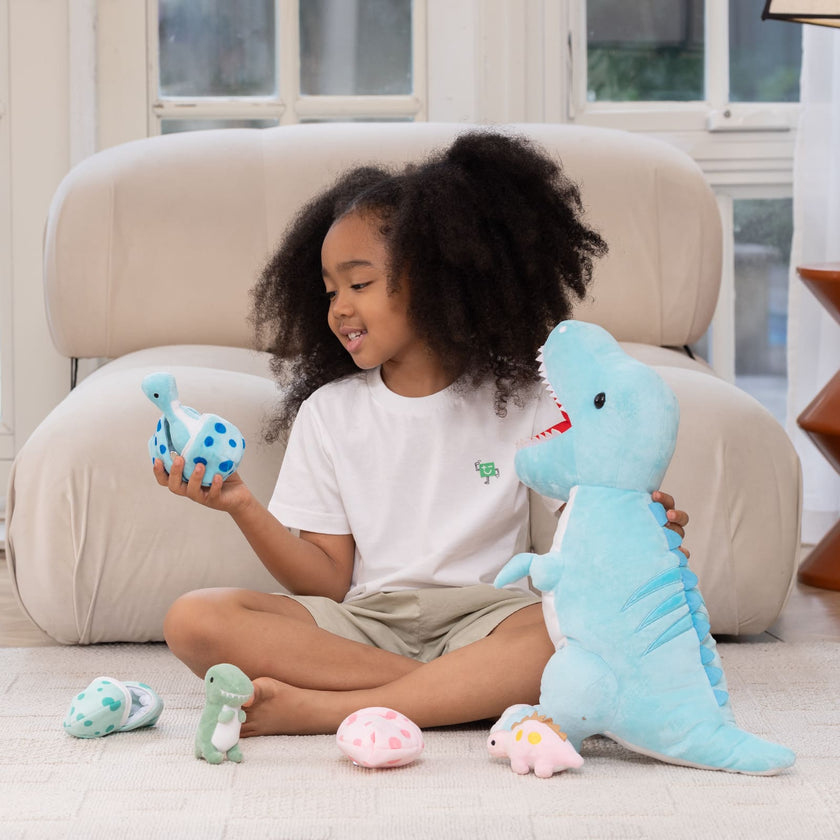
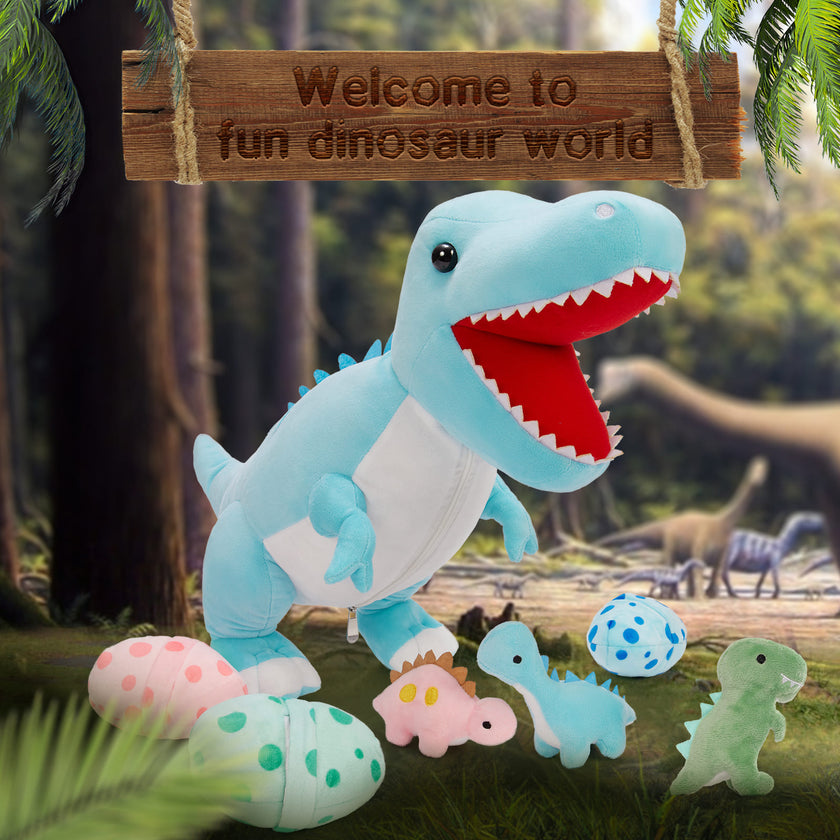
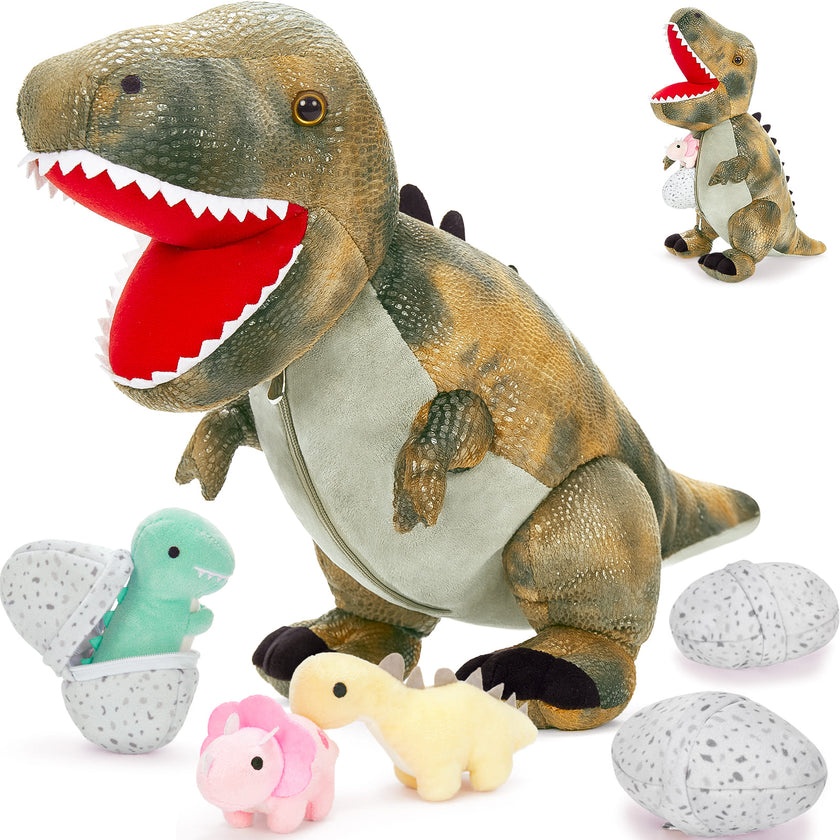
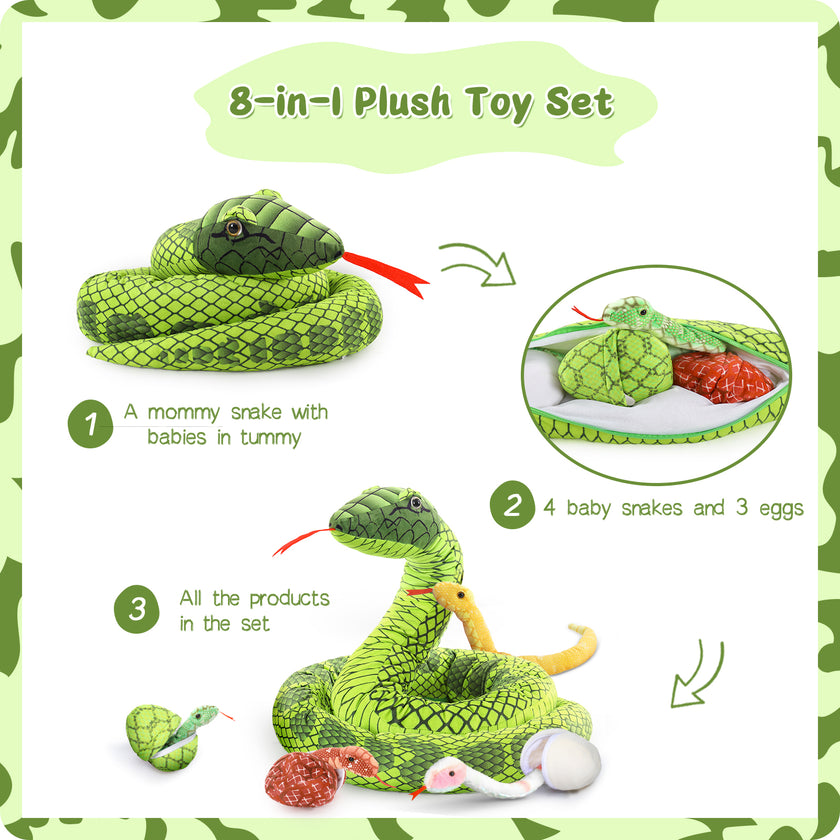
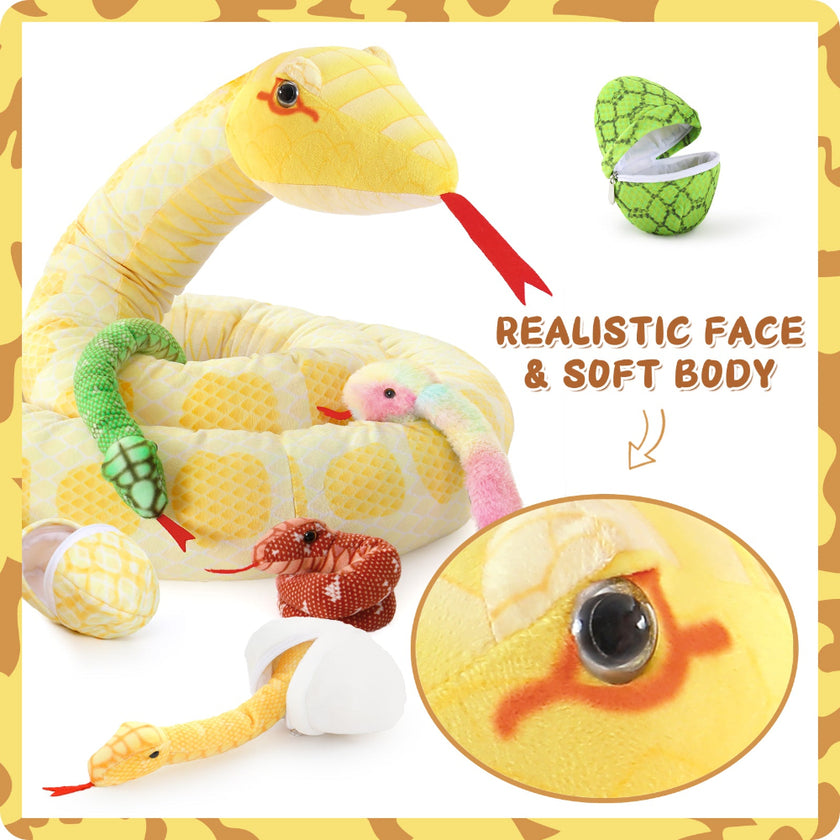
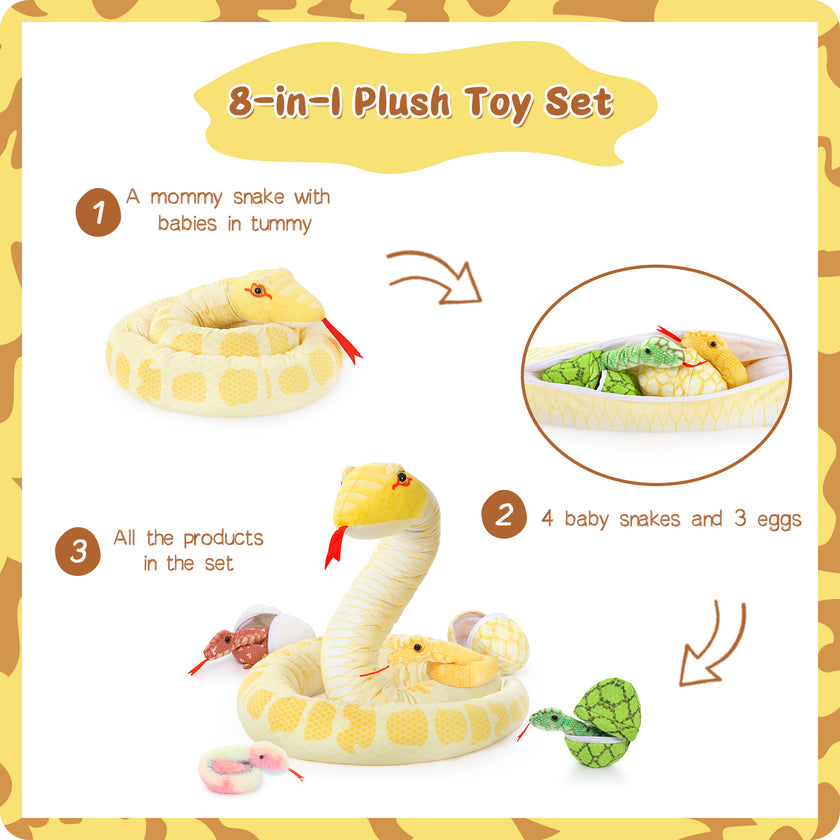
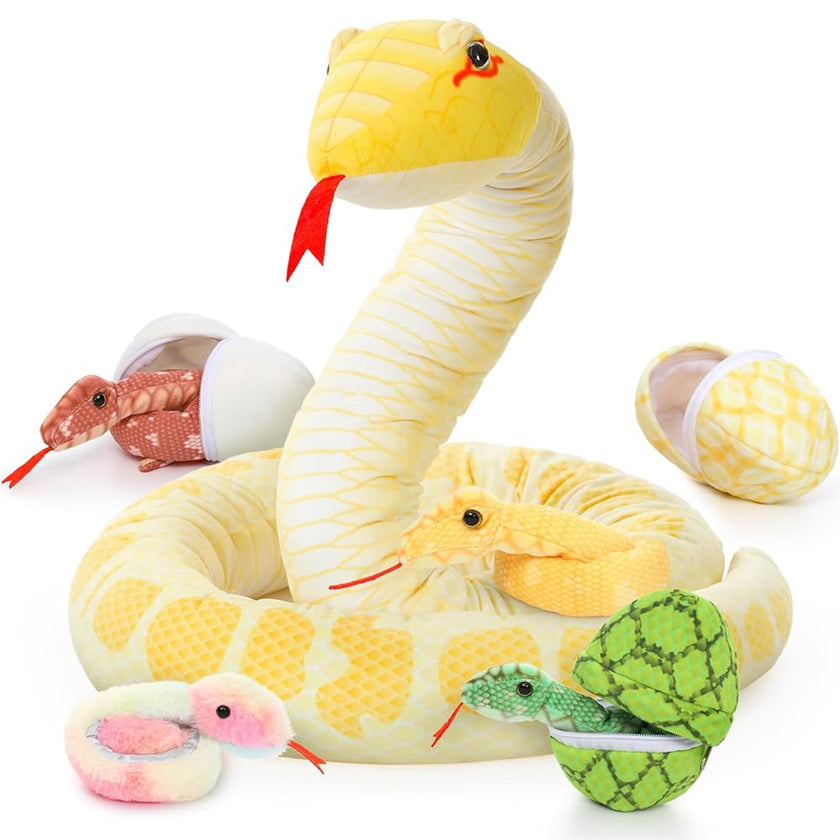
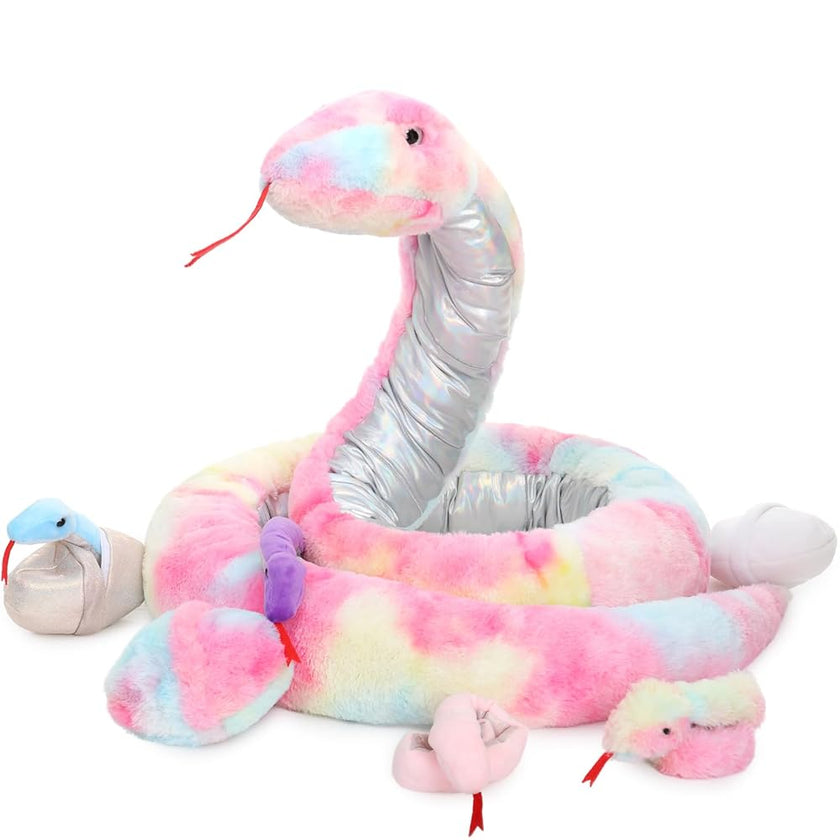
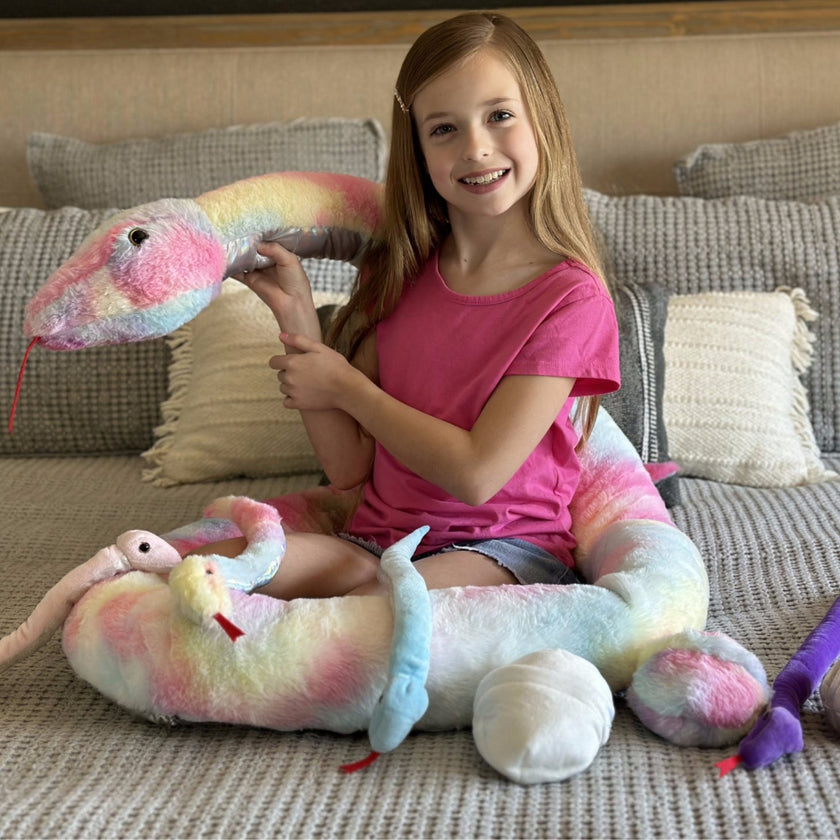
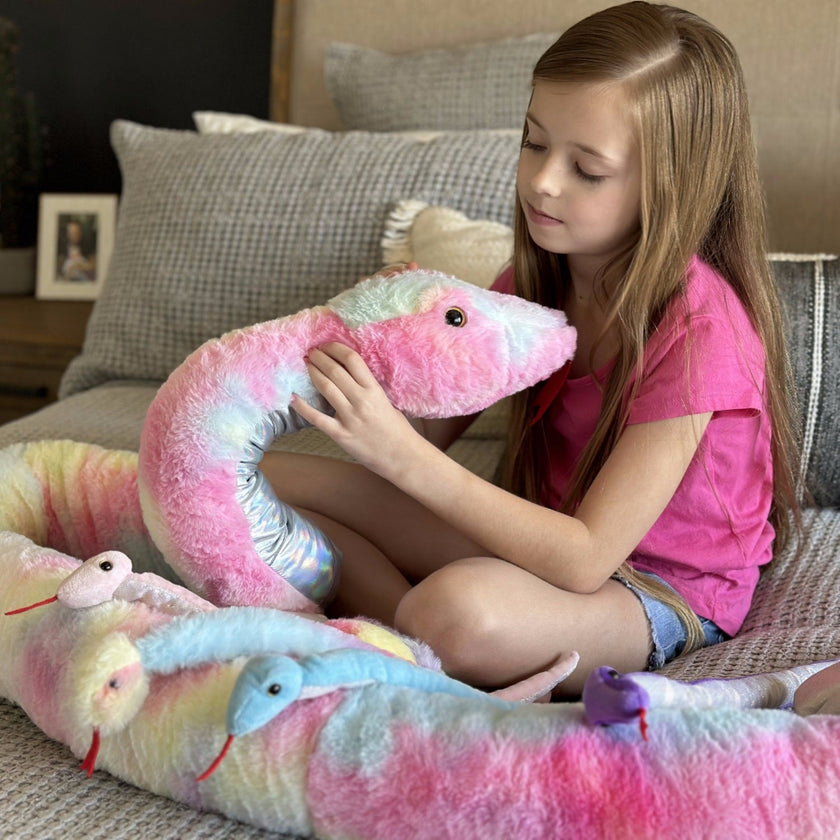
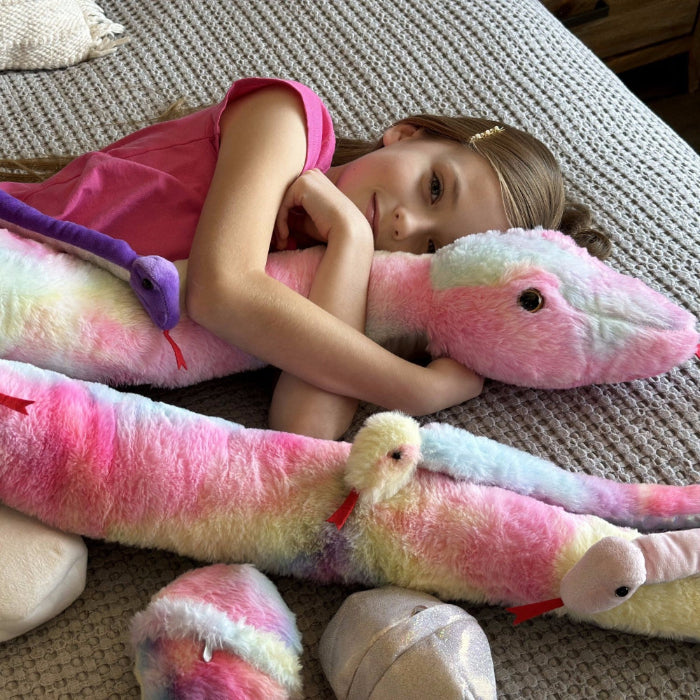
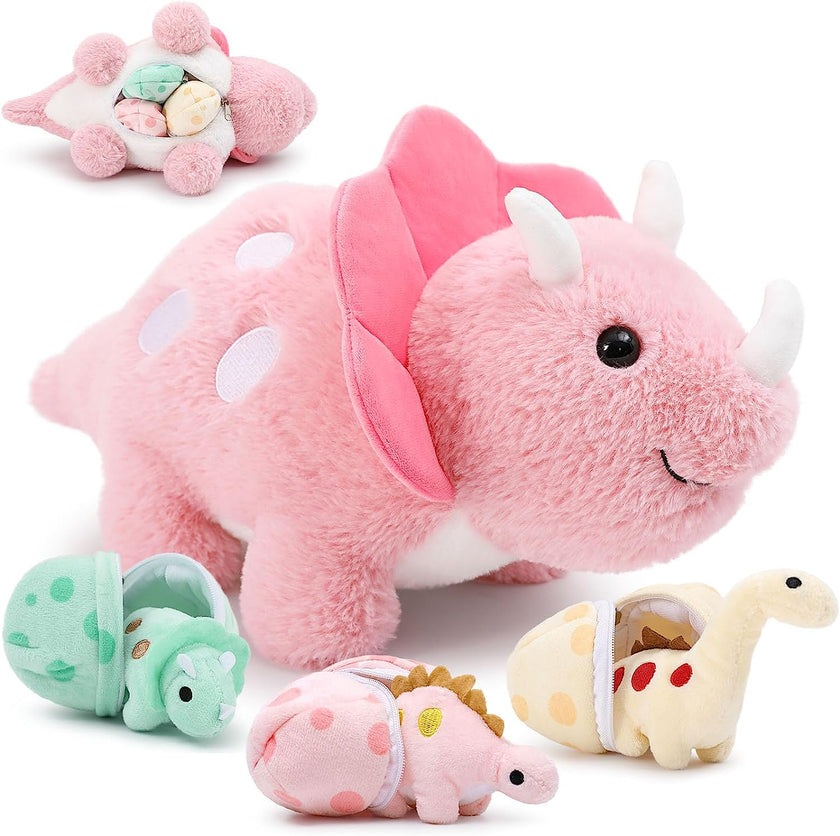
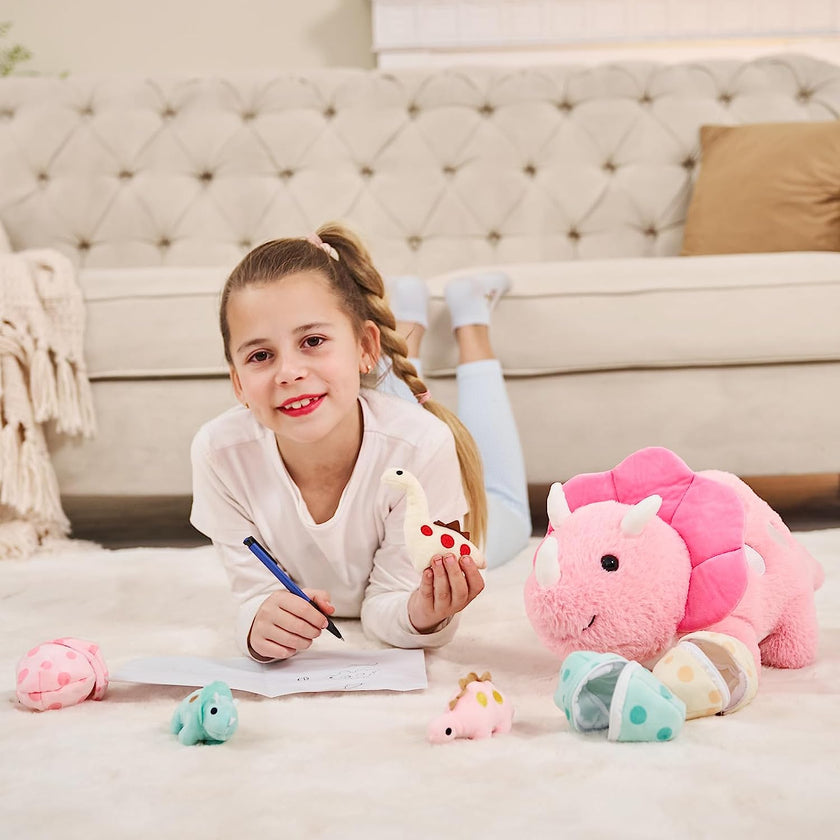
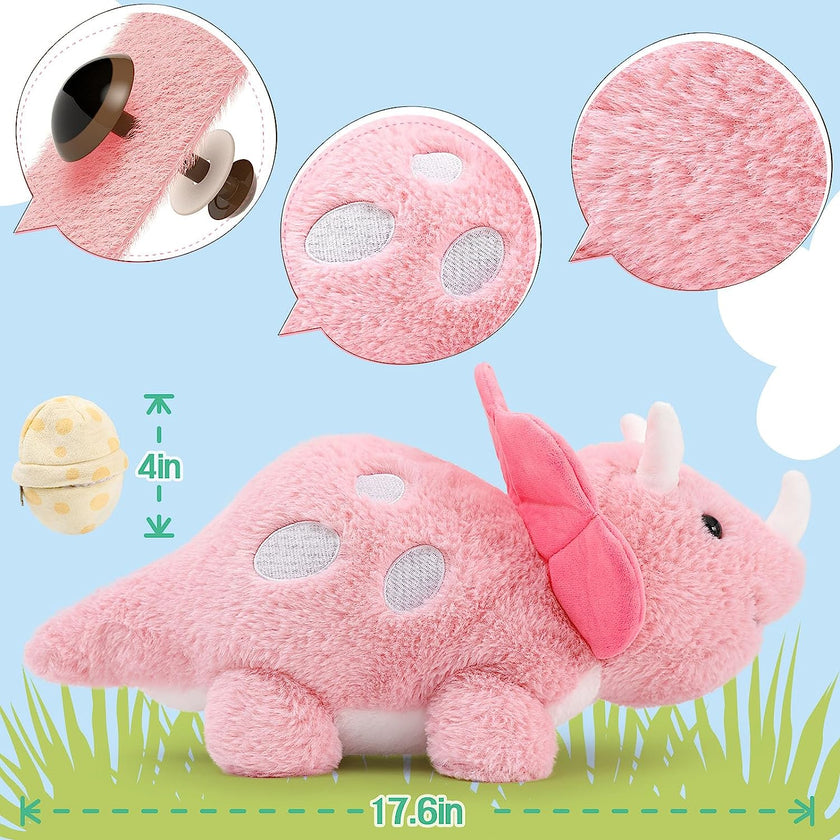
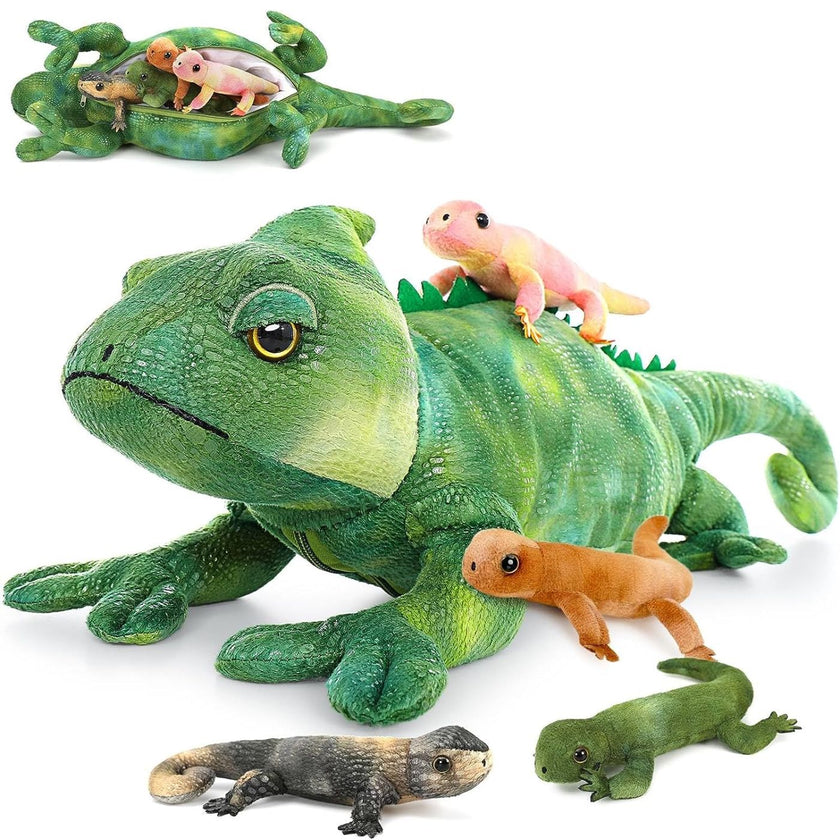
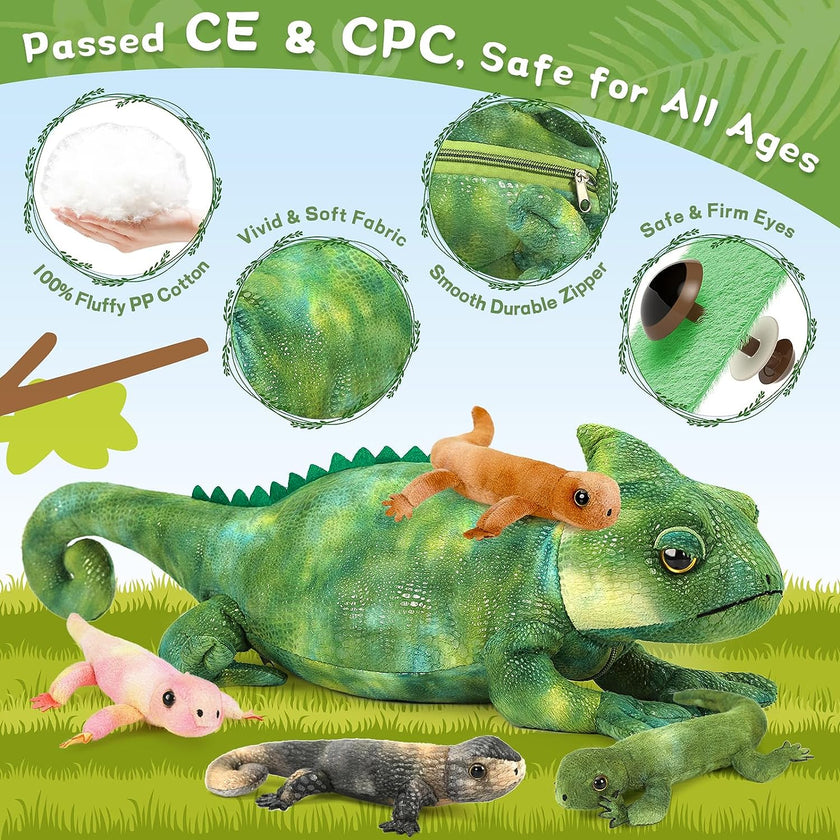
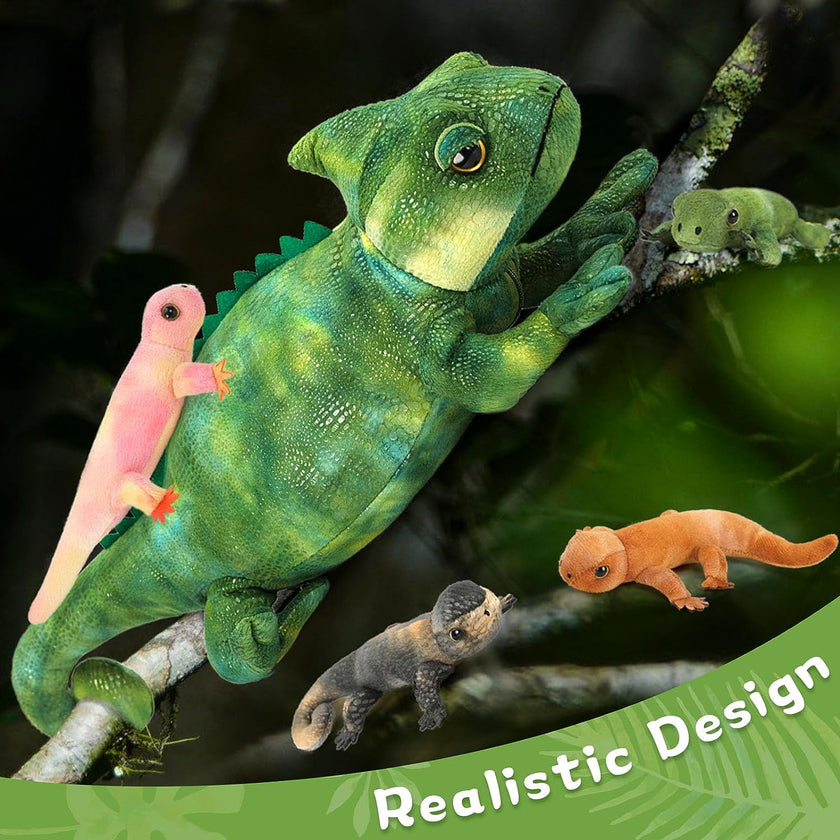
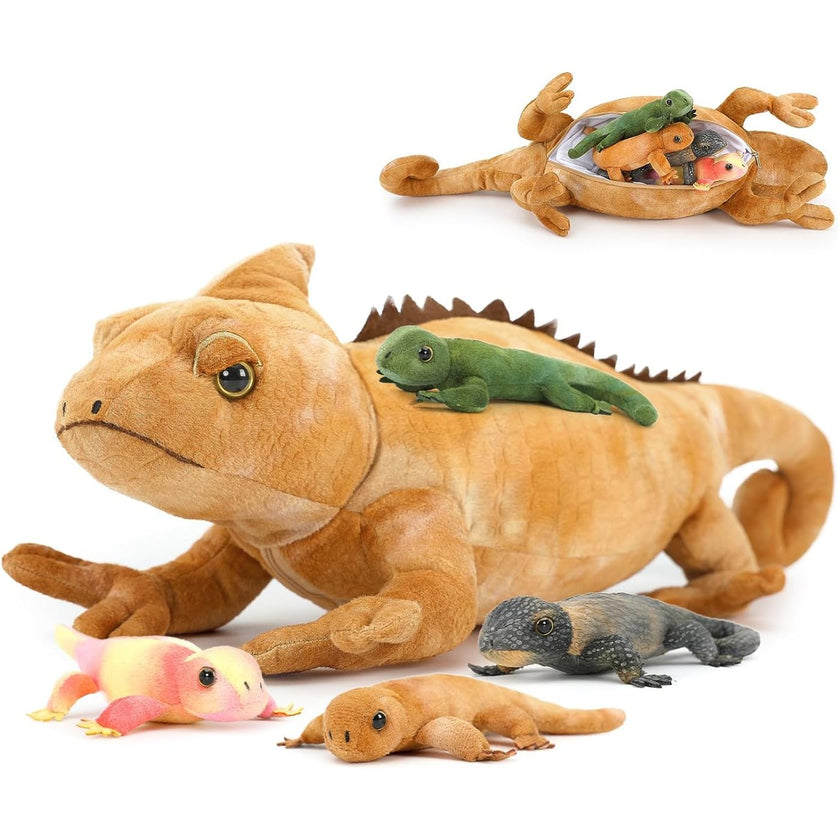
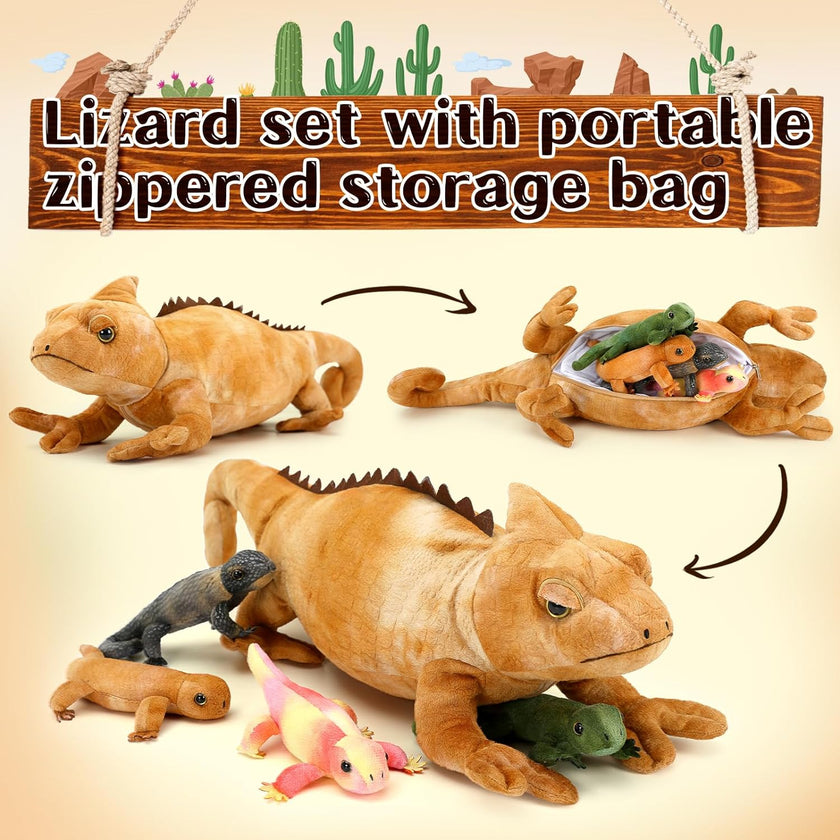
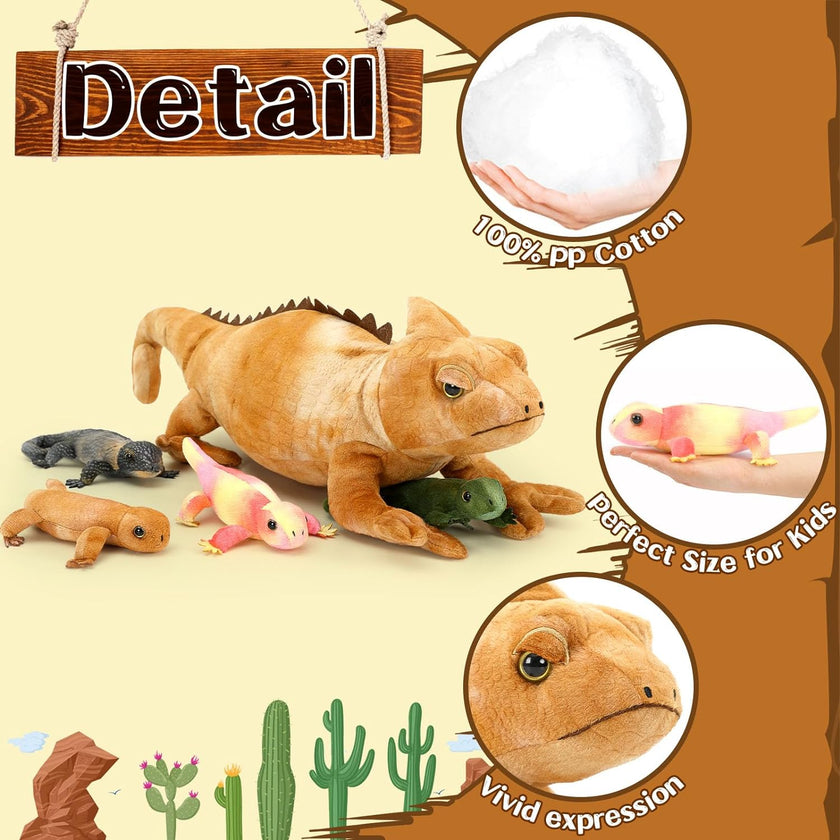
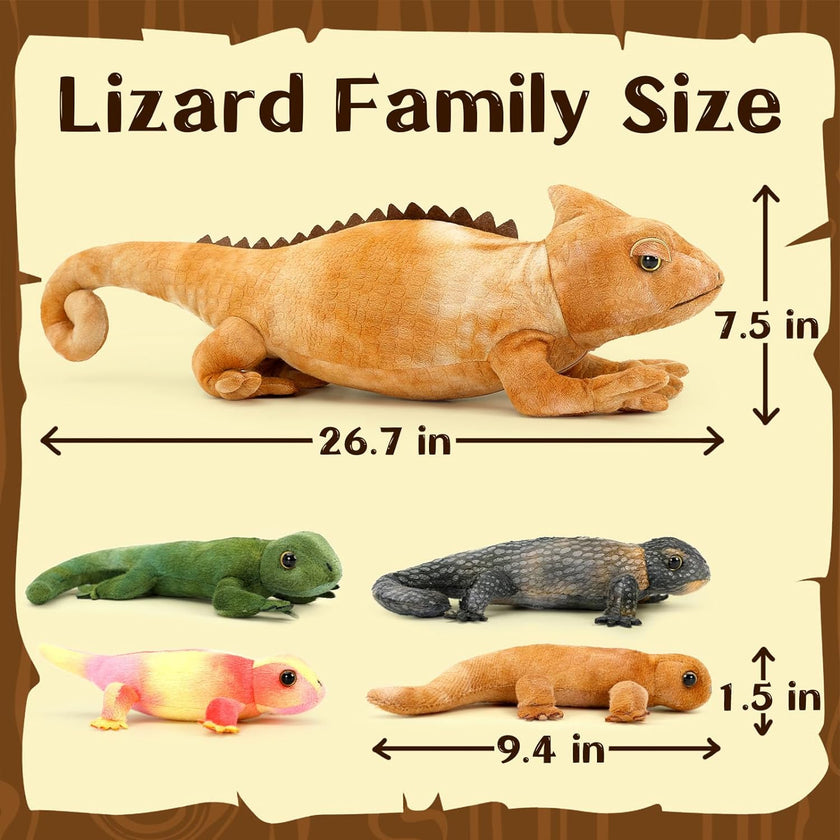
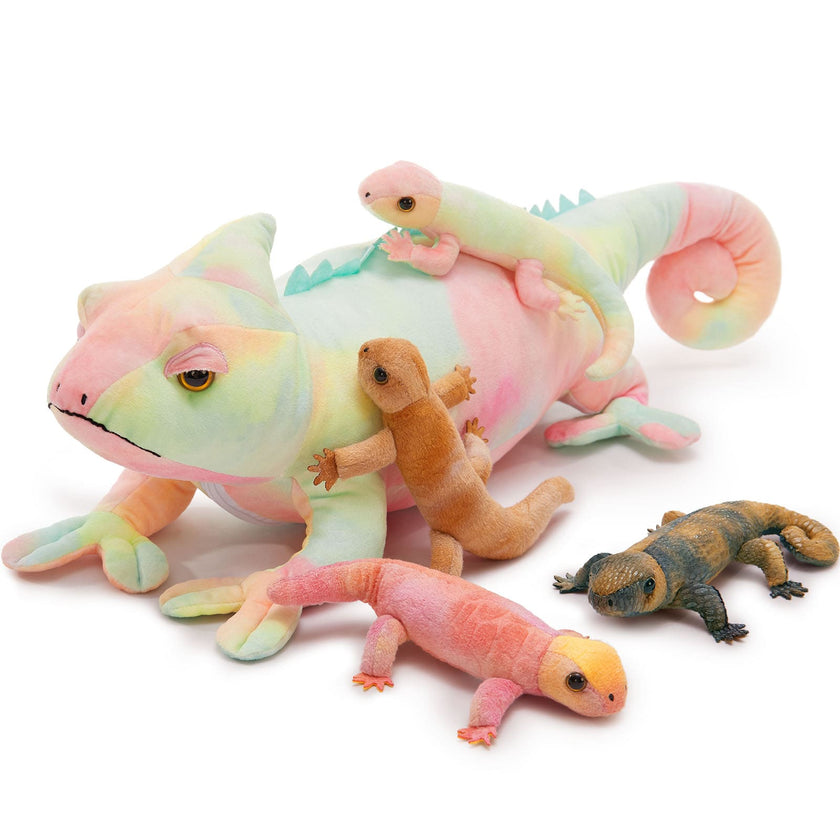
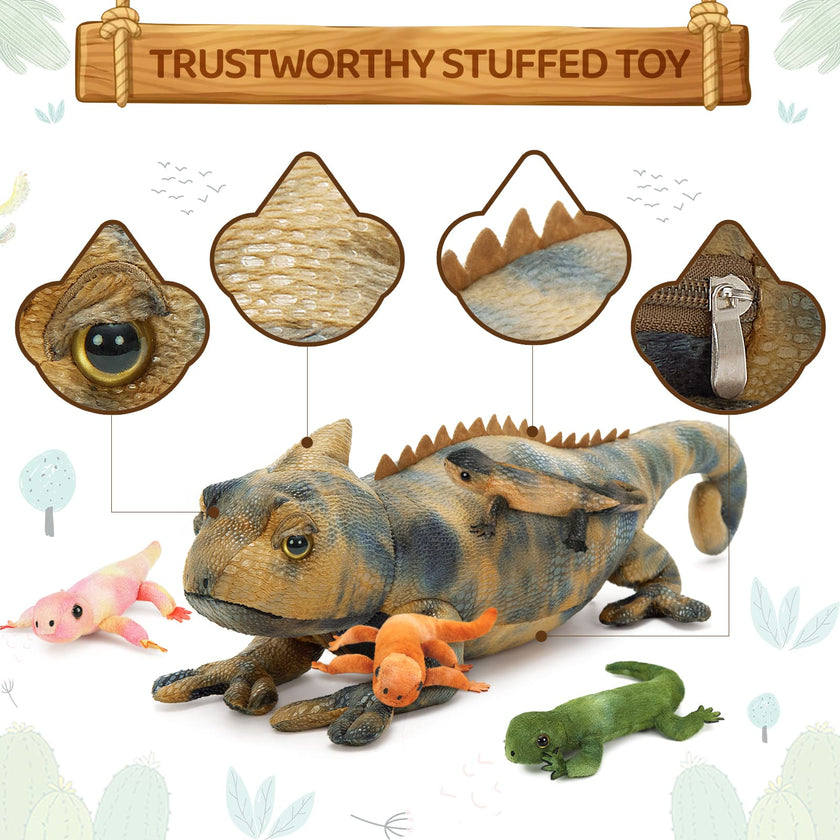
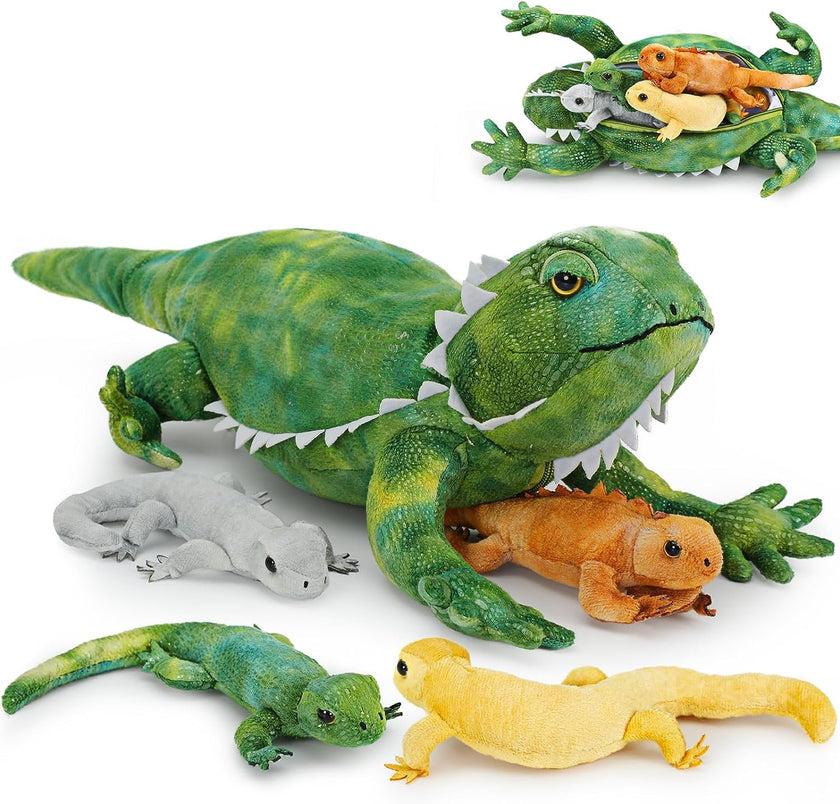
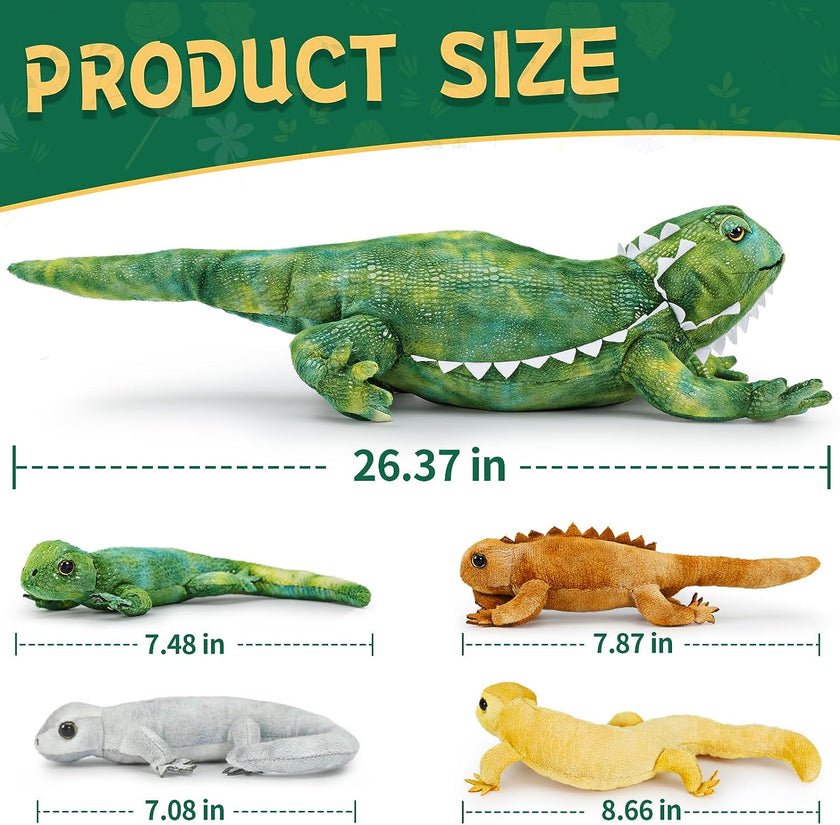
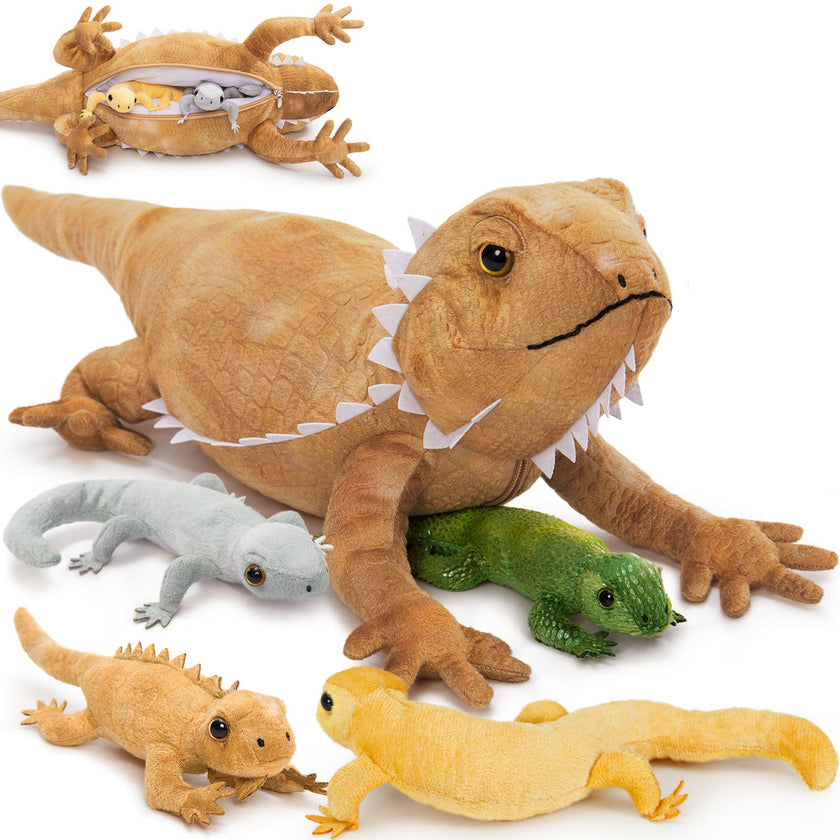
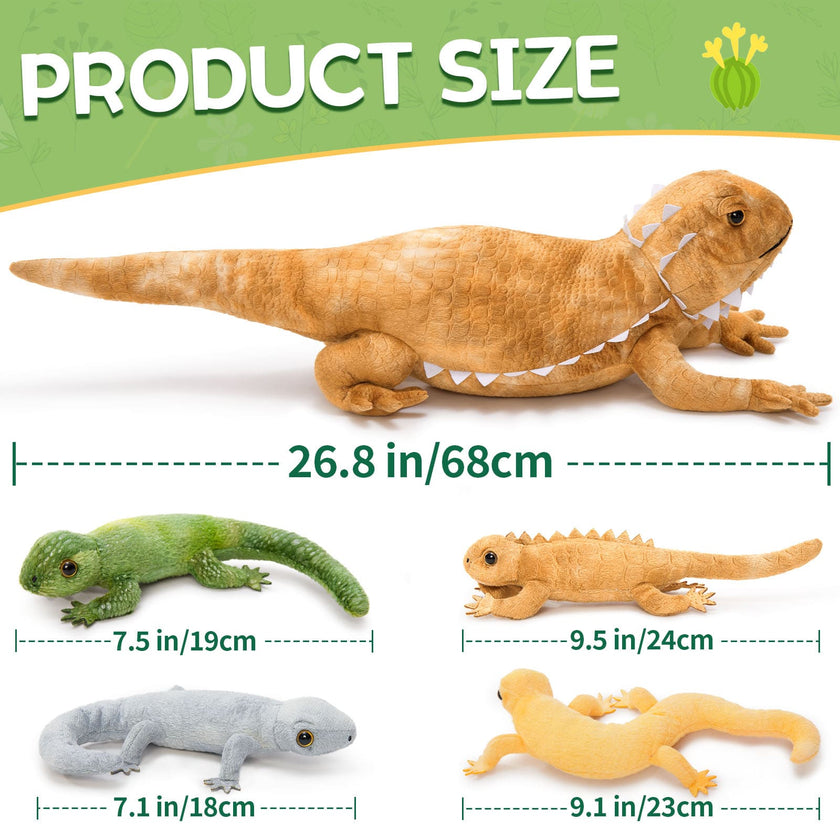
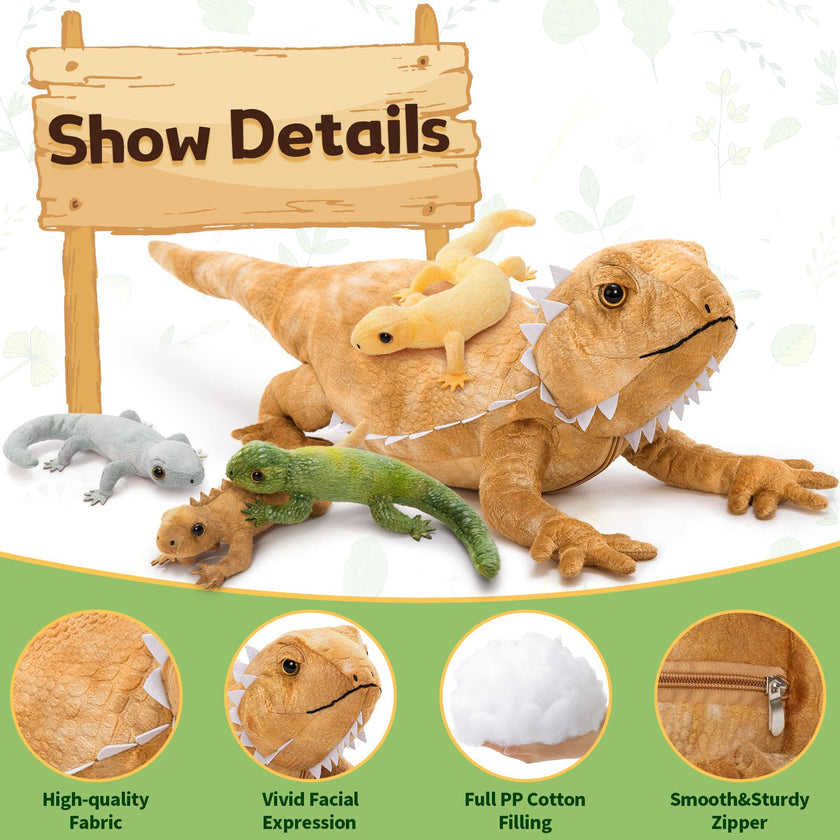
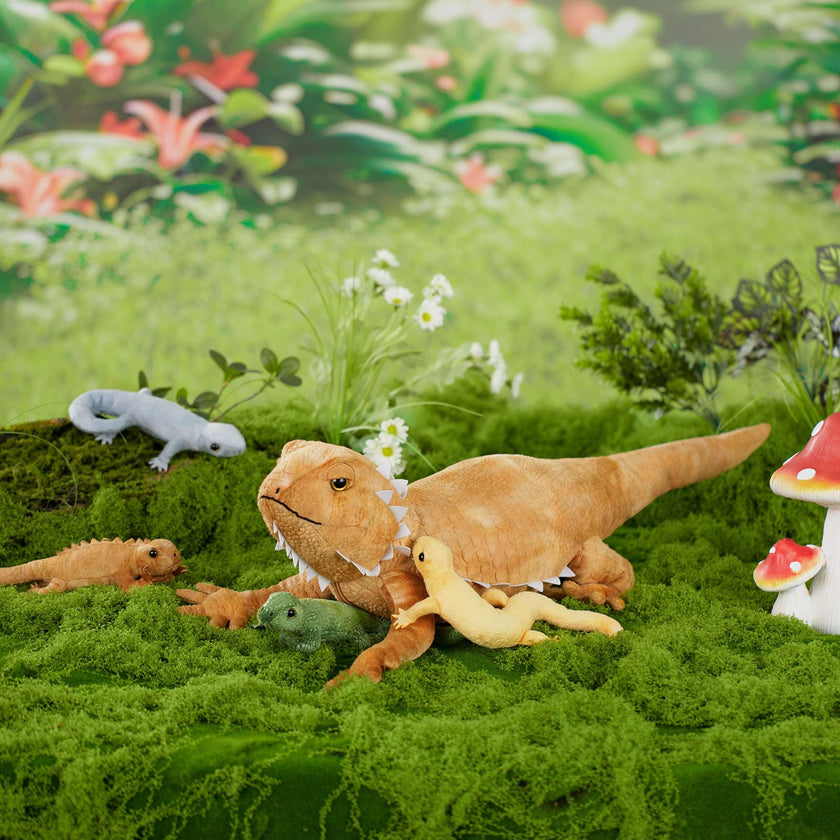
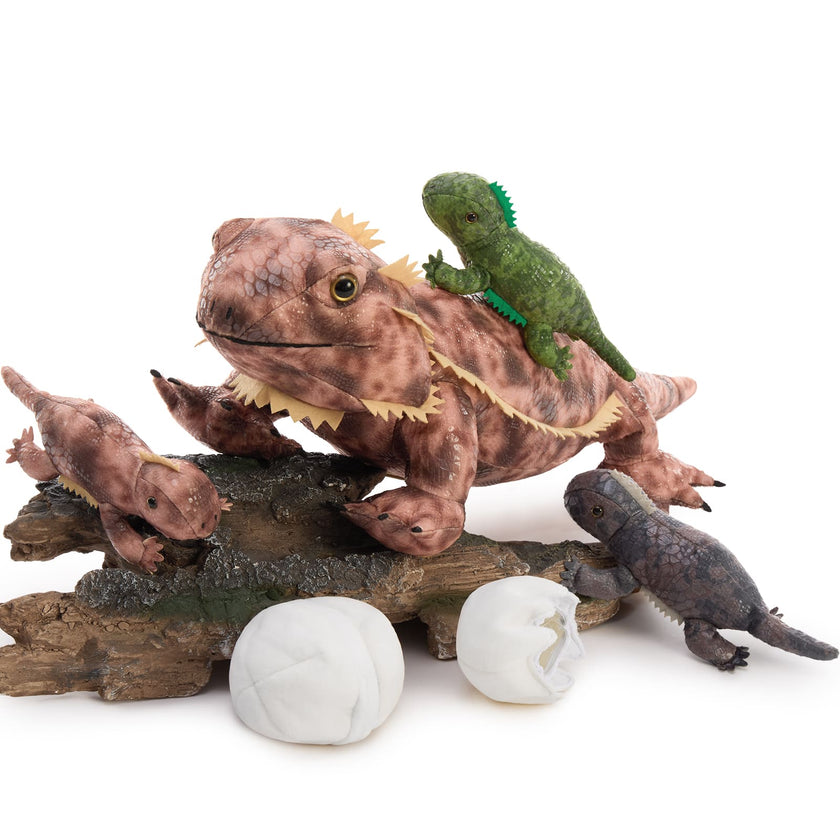
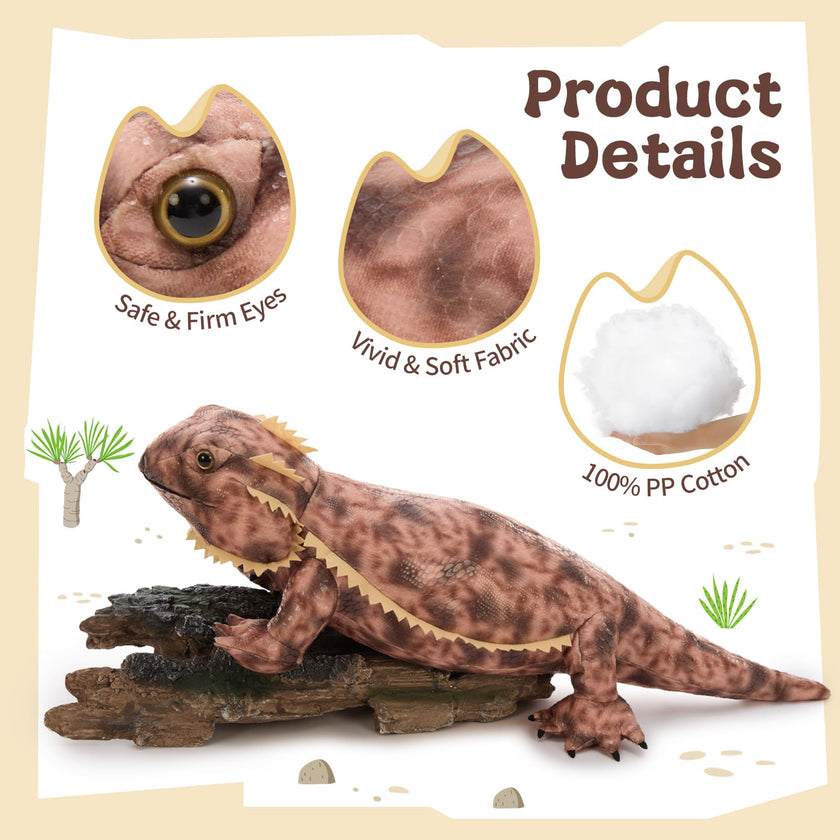
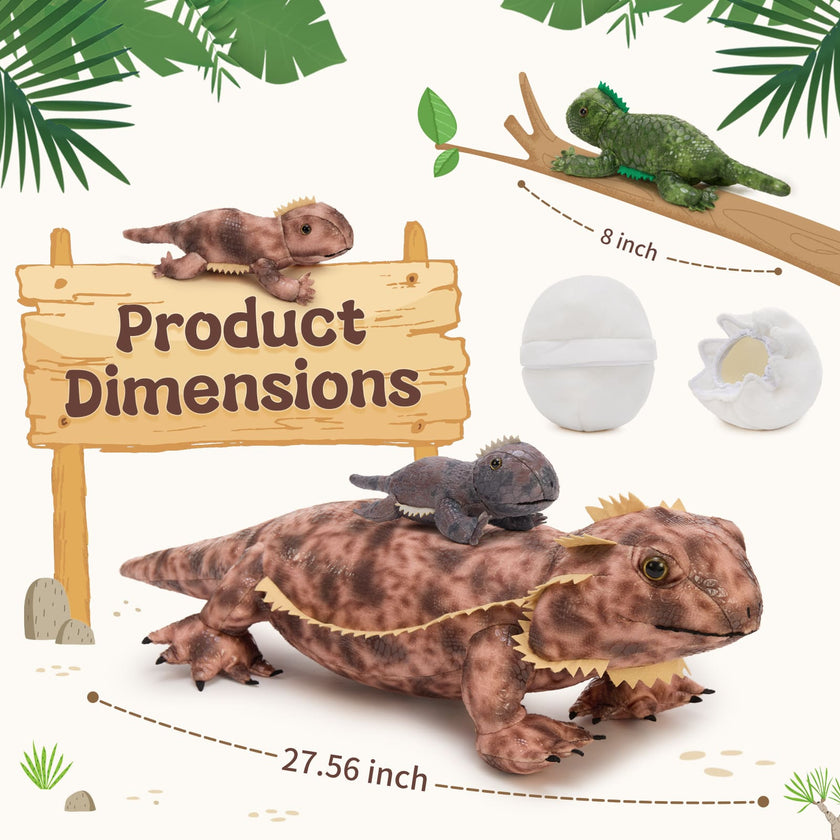
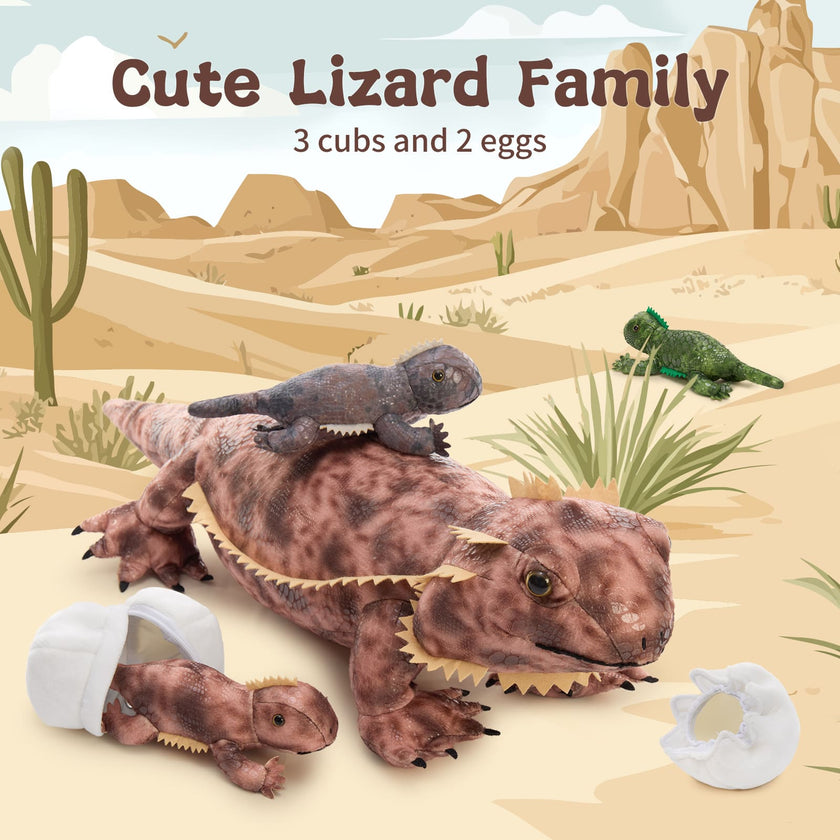
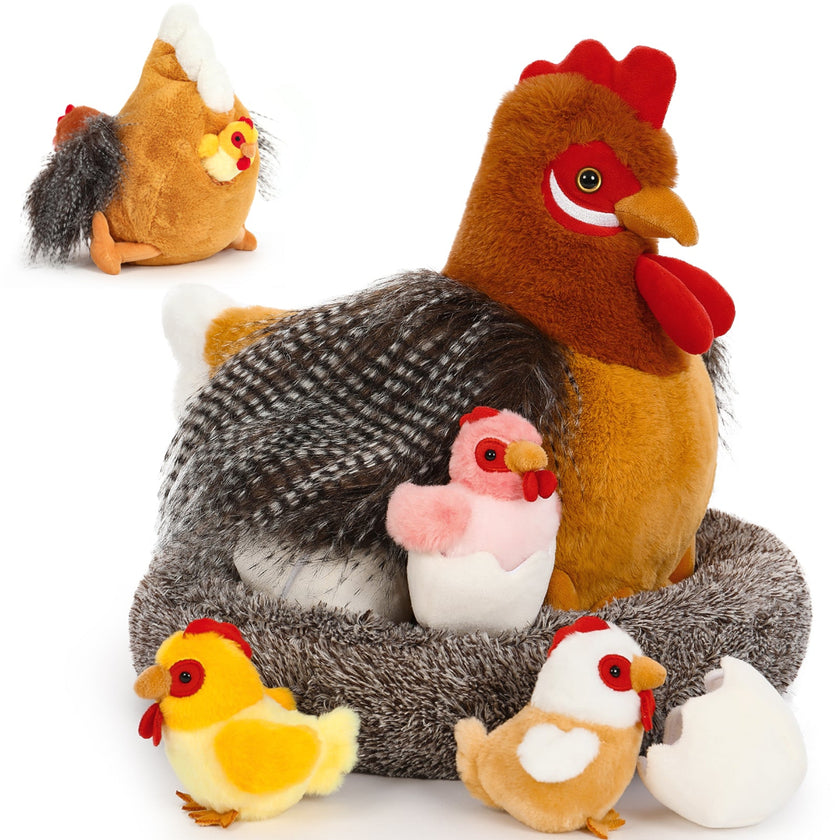
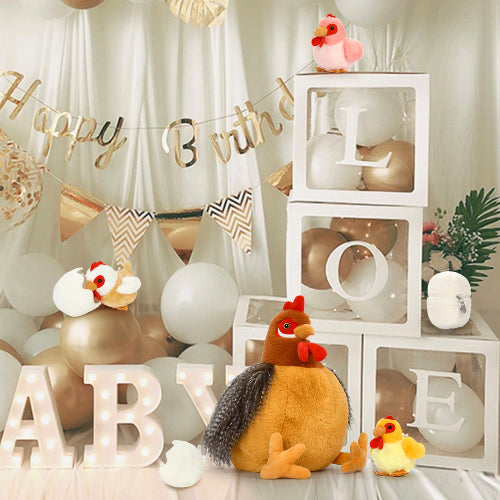
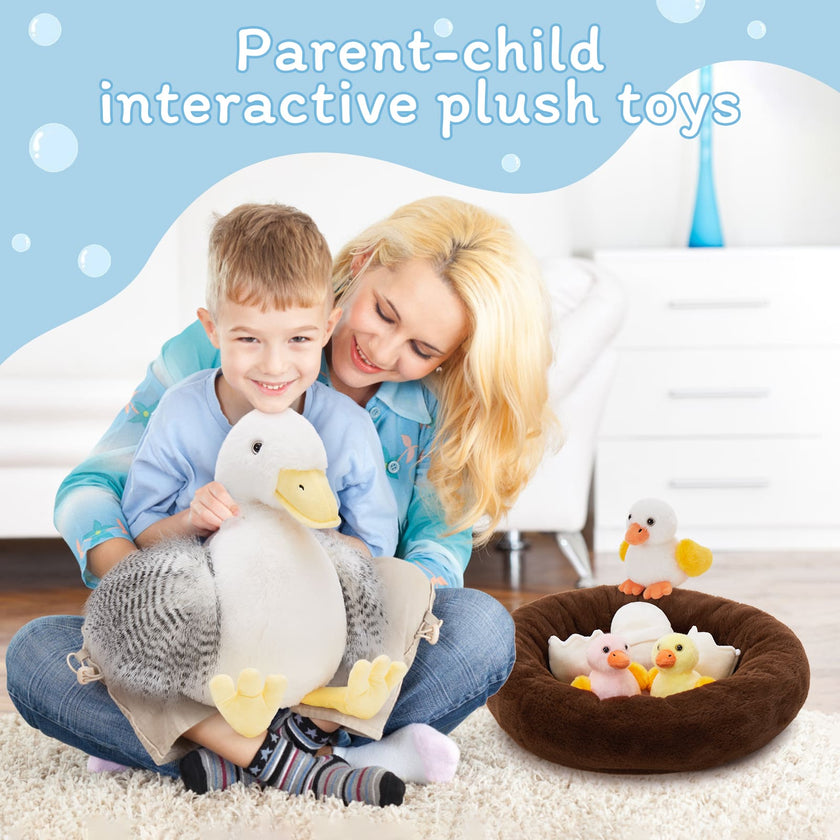
Plush toys have been a part of human childhood for more than a century, but their role has changed dramatically over time. What once began as simple stuffed bears has now evolved into highly interactive, emotionally engaging, and storytelling-driven toys. Among the most popular modern innovations are interactive stuffed animals with babies inside, nesting plush sets, and surprise-based plush toy families.
Today, these toys are not just playthings—they are emotional companions, educational tools, collectibles, and even viral social media sensations.
This article explores the fascinating evolution of plush toys, from their historical roots to the rise of interactive designs that include hidden baby animals, transforming the global toy industry.
1. The Origins of Plush Toys: Simple Comfort Objects
The story of plush toys begins in the late 19th and early 20th centuries, when soft stuffed animals first became widely available.
The most iconic early example is the teddy bear, which emerged in the early 1900s and quickly became a global symbol of comfort and childhood innocence. These early plush toys were:
- Simple in design
- Filled with straw, cotton, or sawdust
- Focused purely on softness and companionship
At this stage, plush toys served one primary purpose: emotional comfort.
Children used them as sleeping companions, emotional anchors, and symbolic friends. There was no interactivity, no storytelling features—just a soft, comforting presence.
But that was only the beginning.
2. Mid-Century Plush Toys: Character and Personality Emerges
As manufacturing improved in the mid-20th century, plush toys began to evolve.
Companies started introducing:
- Cartoon-inspired characters
- Animal variations beyond bears
- Softer, safer synthetic materials
- More detailed facial expressions
This era marked the shift from generic stuffed animals to personality-driven plush characters.
Children were no longer just hugging a “toy bear”—they were hugging characters with names, identities, and emotional personalities.
This laid the foundation for the next evolution: interactive storytelling toys.
3. The Rise of Interactive Plush Toys
By the late 20th and early 21st century, toy innovation took a major leap forward. Plush toys began incorporating features that made them more engaging:
- Sound effects (laughing, talking, singing)
- Movable limbs or accessories
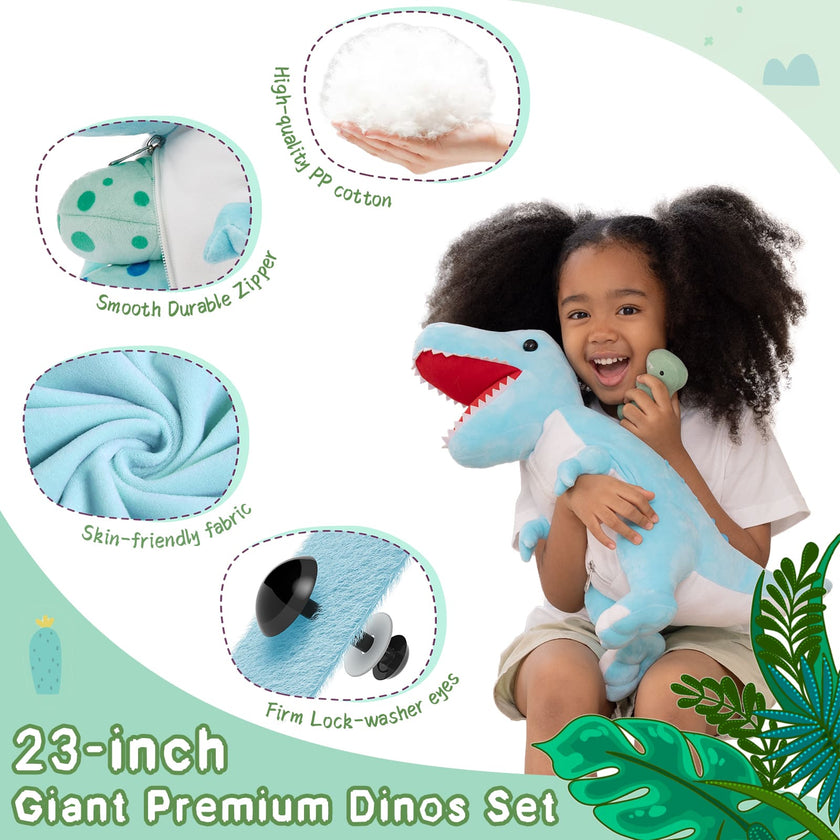
- Zippers, pockets, and hidden compartments
- Themed collections and story-based sets
This shift transformed plush toys from passive objects into interactive experiences.
Children were no longer just hugging toys—they were engaging with them.
This is where the concept of storytelling through toys began to take shape.
4. The Birth of Surprise and Hidden Compartment Toys
One of the most significant innovations in modern plush design is the introduction of surprise-based toys.
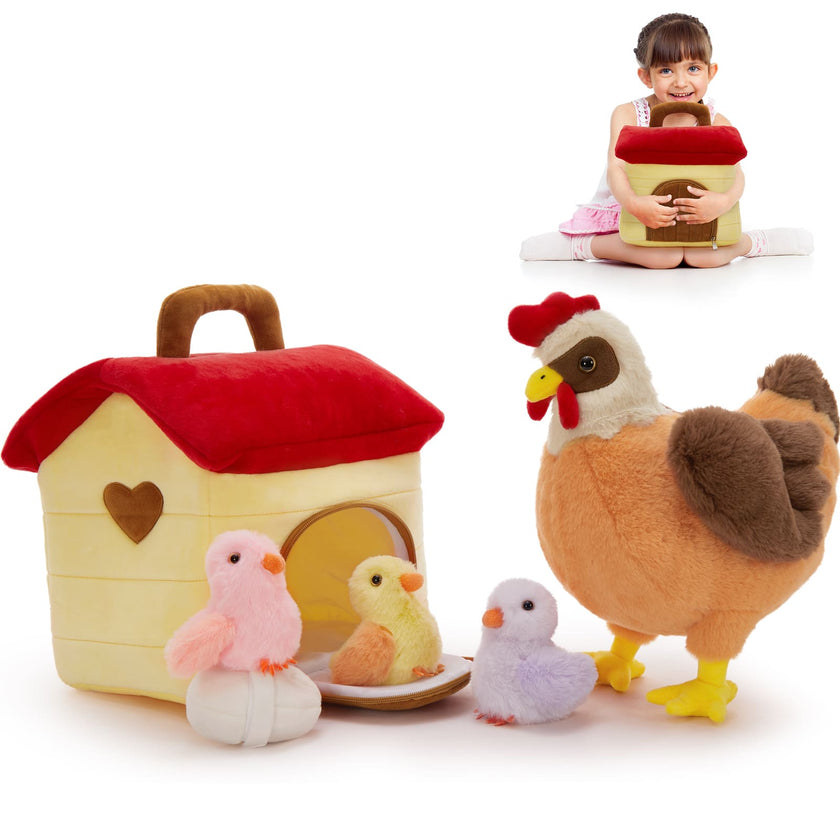
Instead of a single static stuffed animal, manufacturers began designing plush toys with:
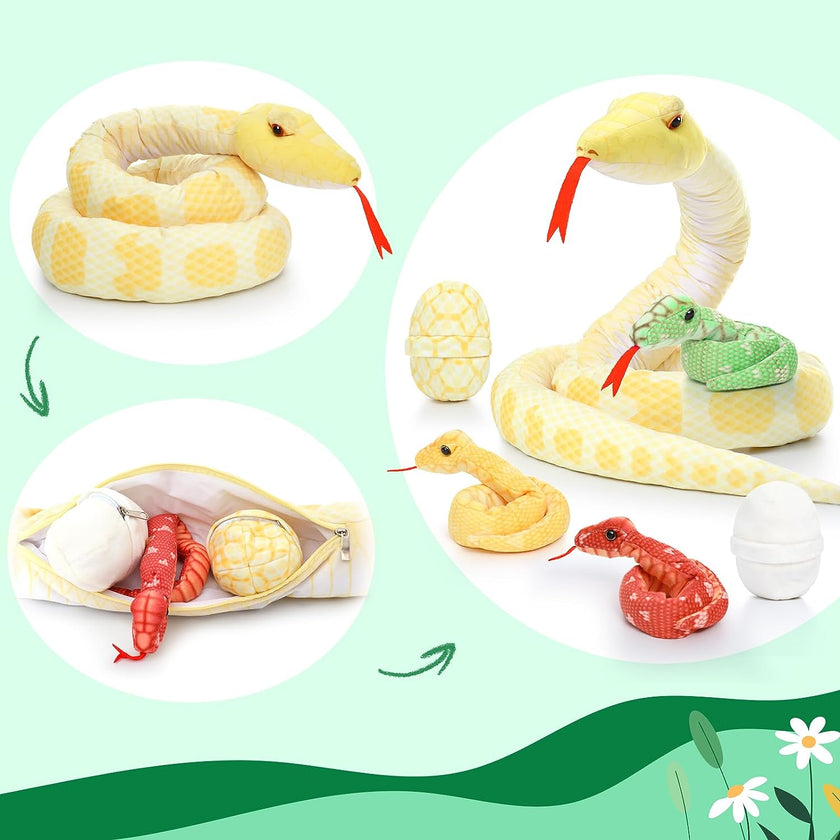
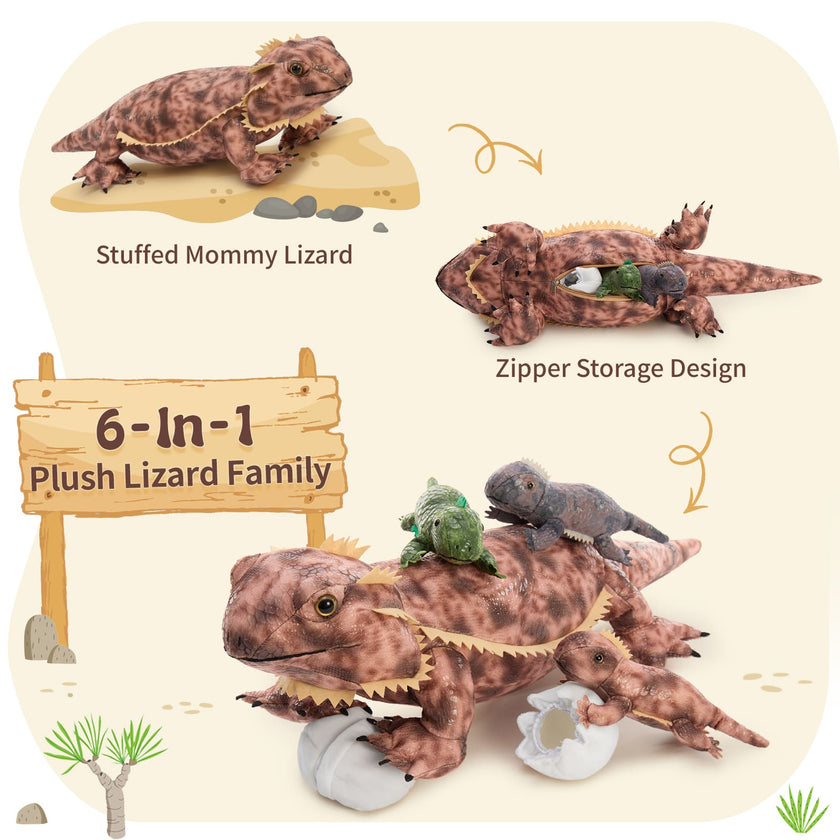
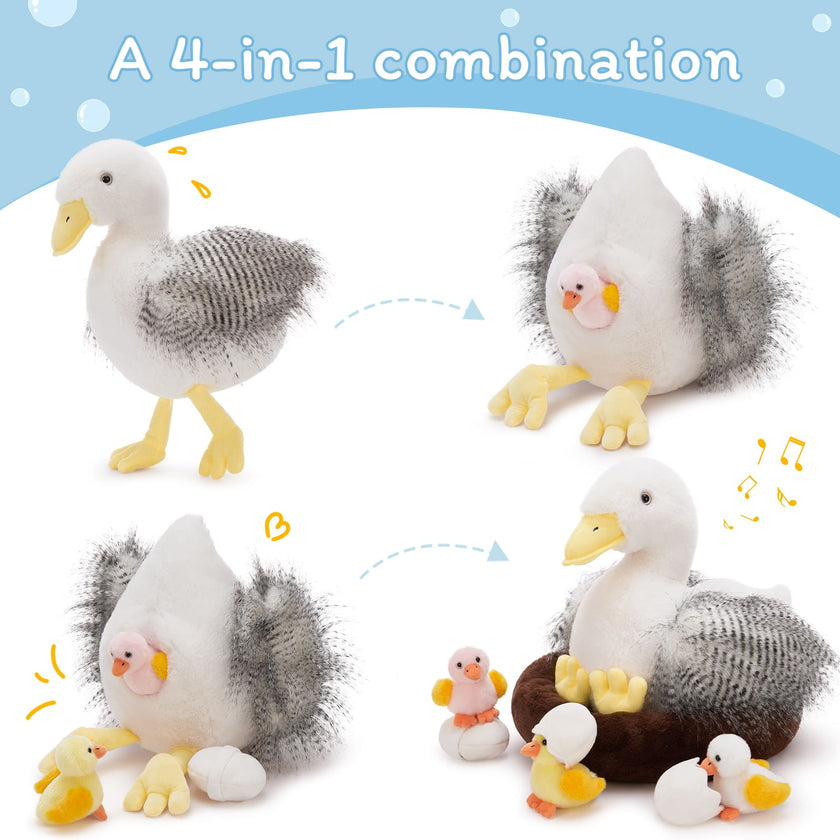
- Hidden pockets
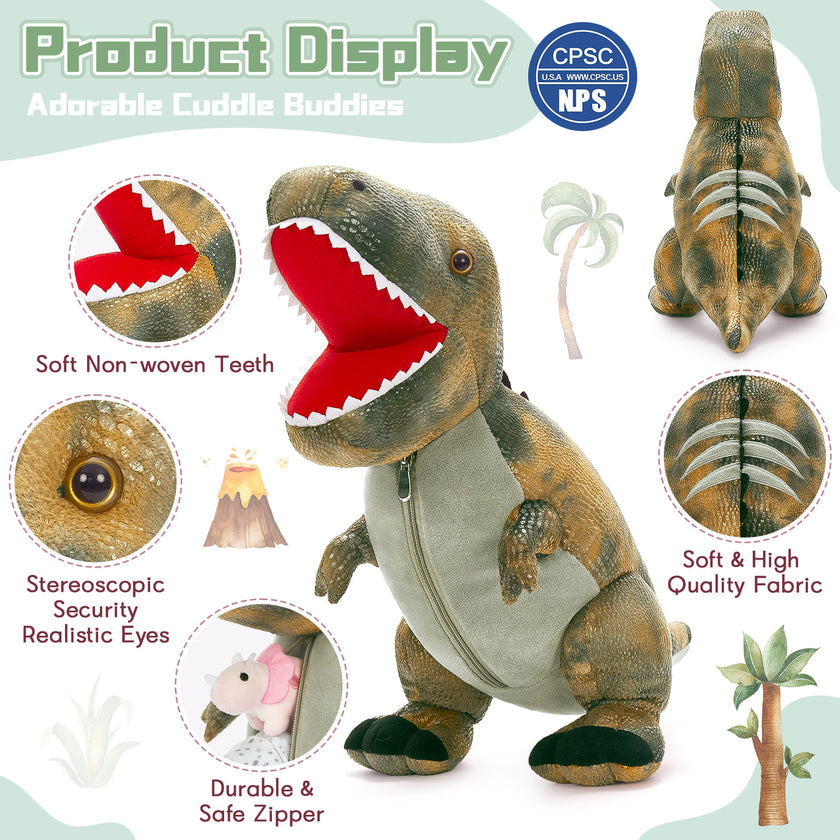
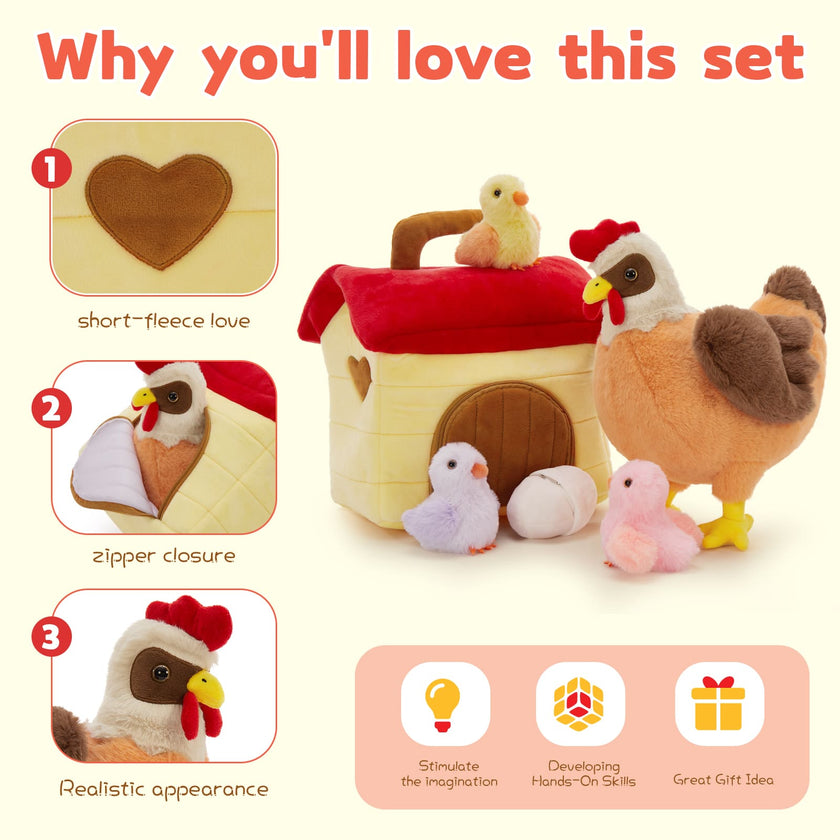
- Zipper compartments
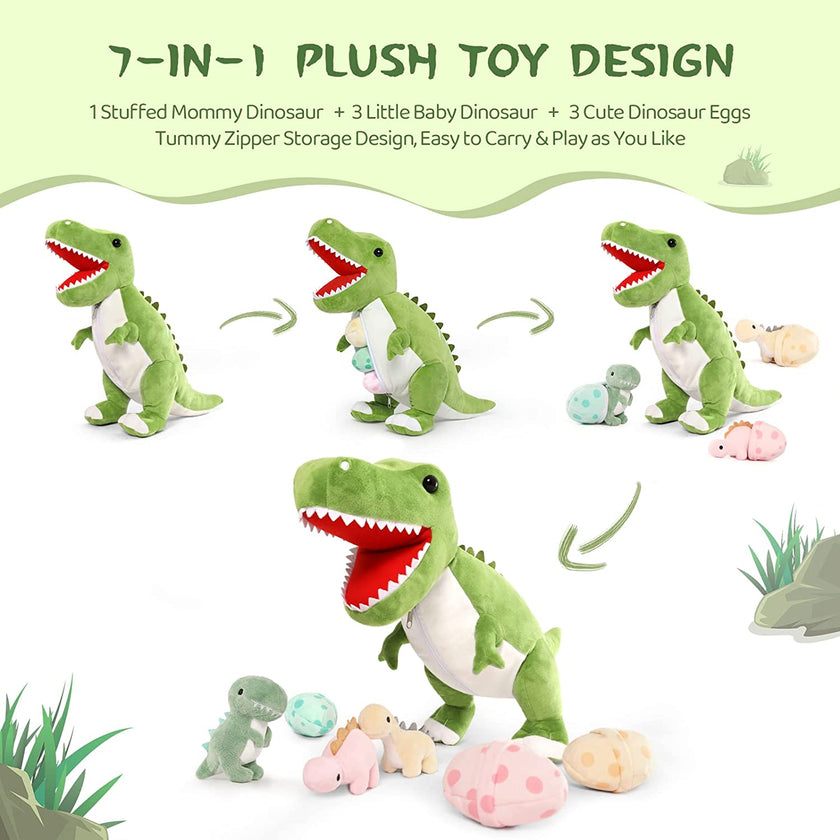
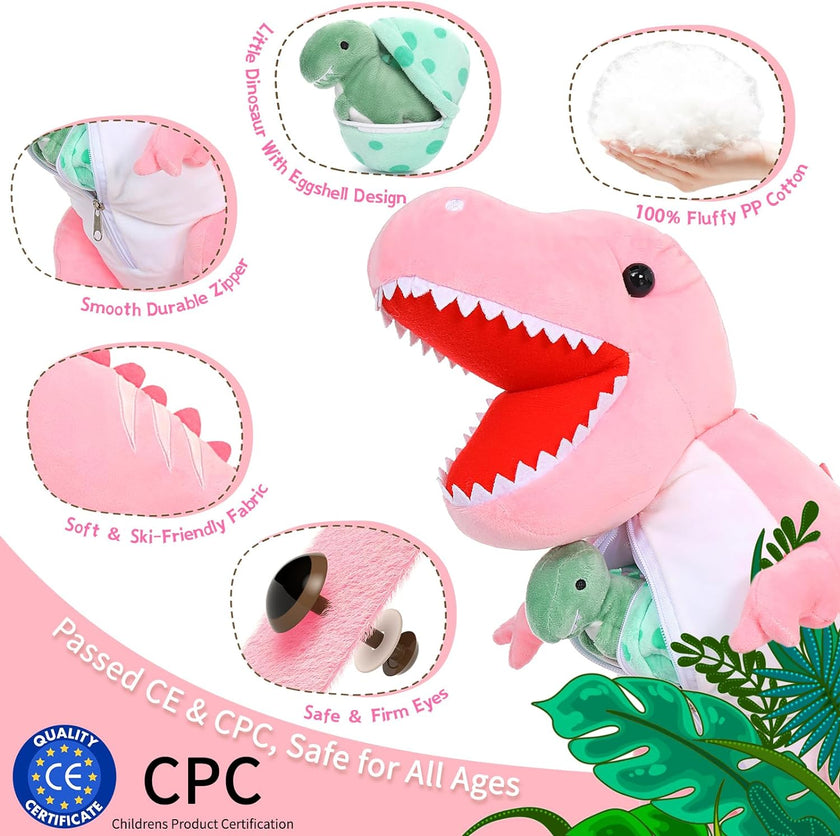
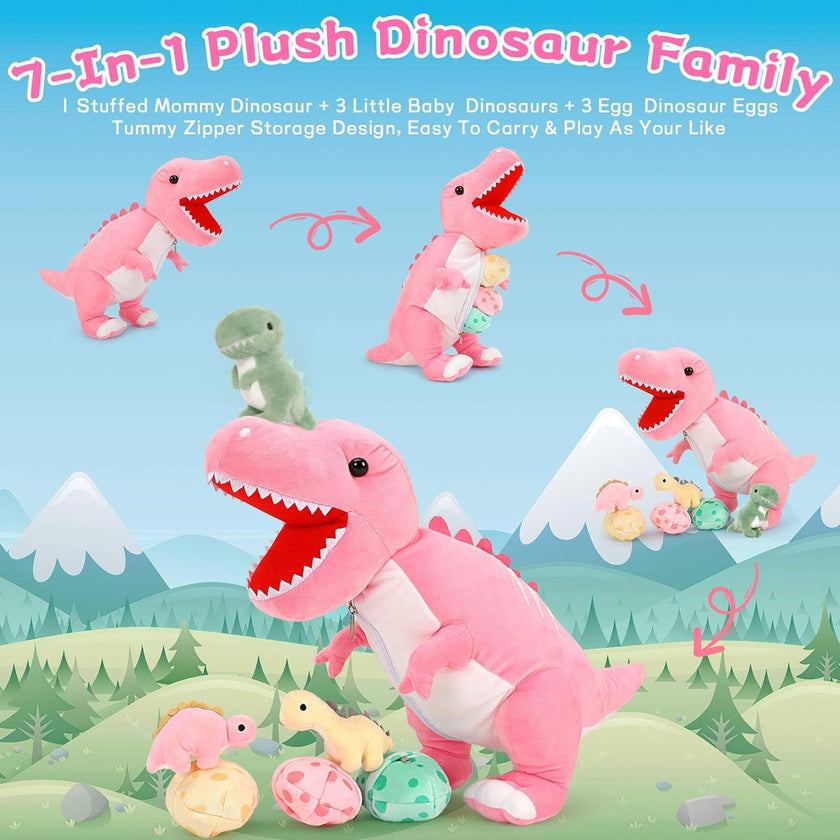
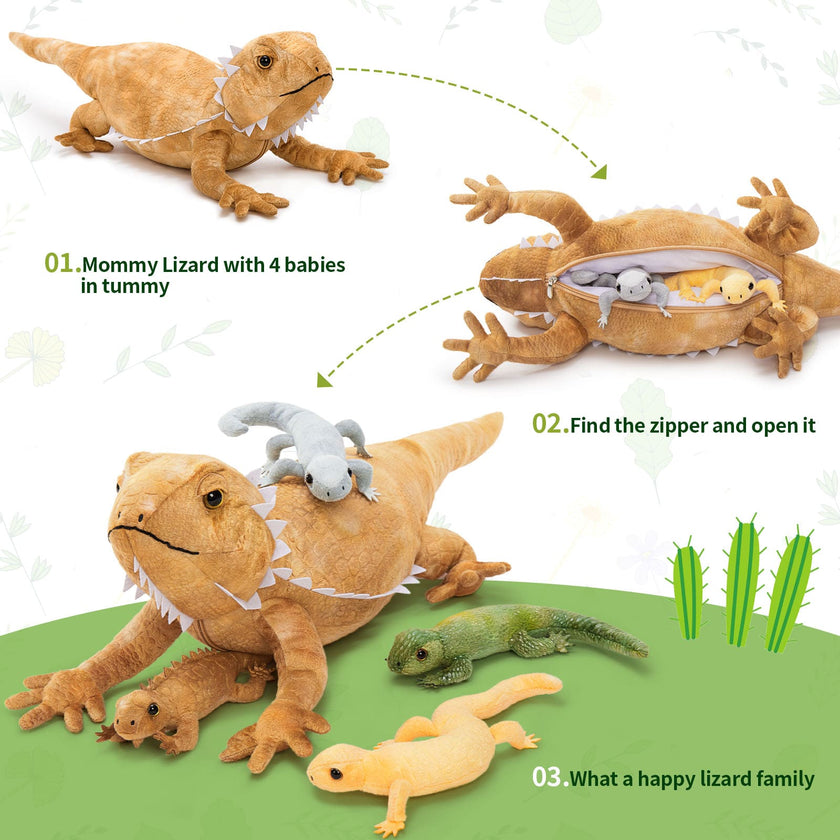
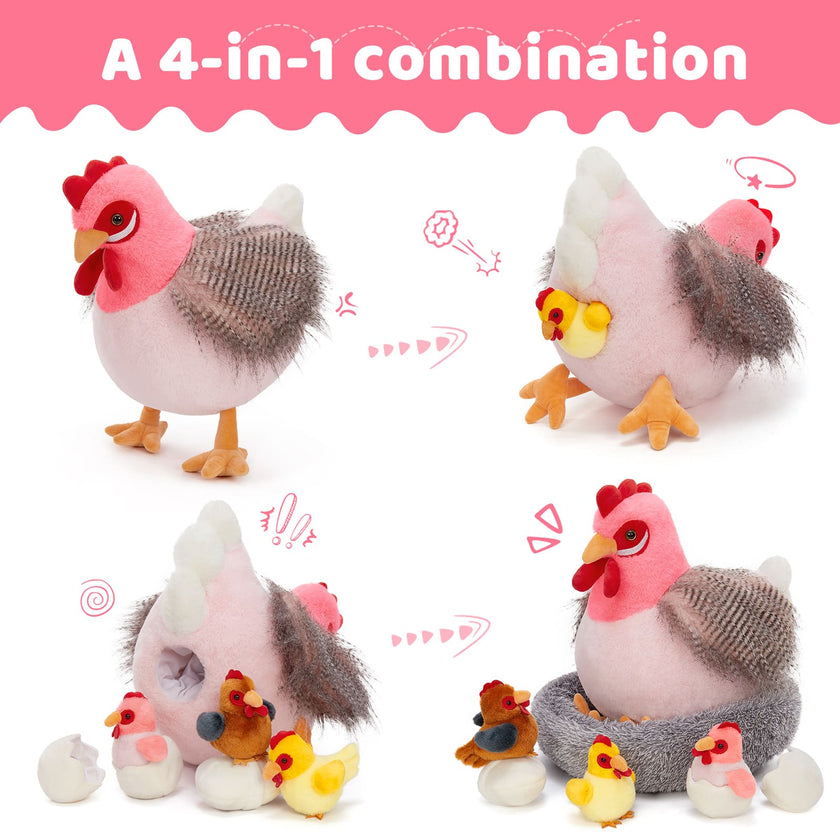
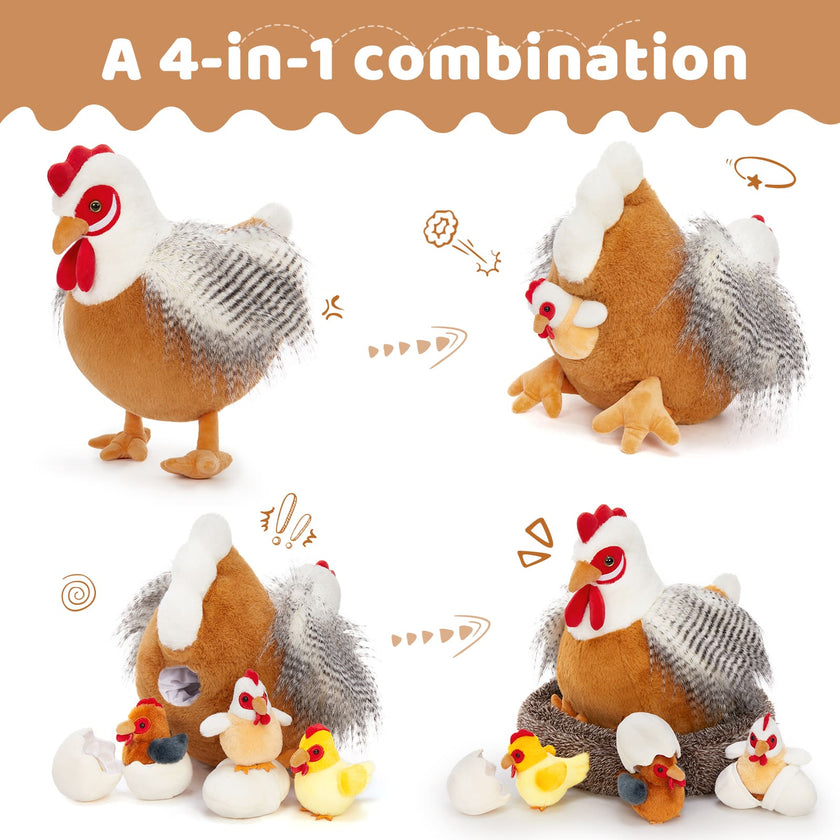
- Nested characters inside larger plush bodies
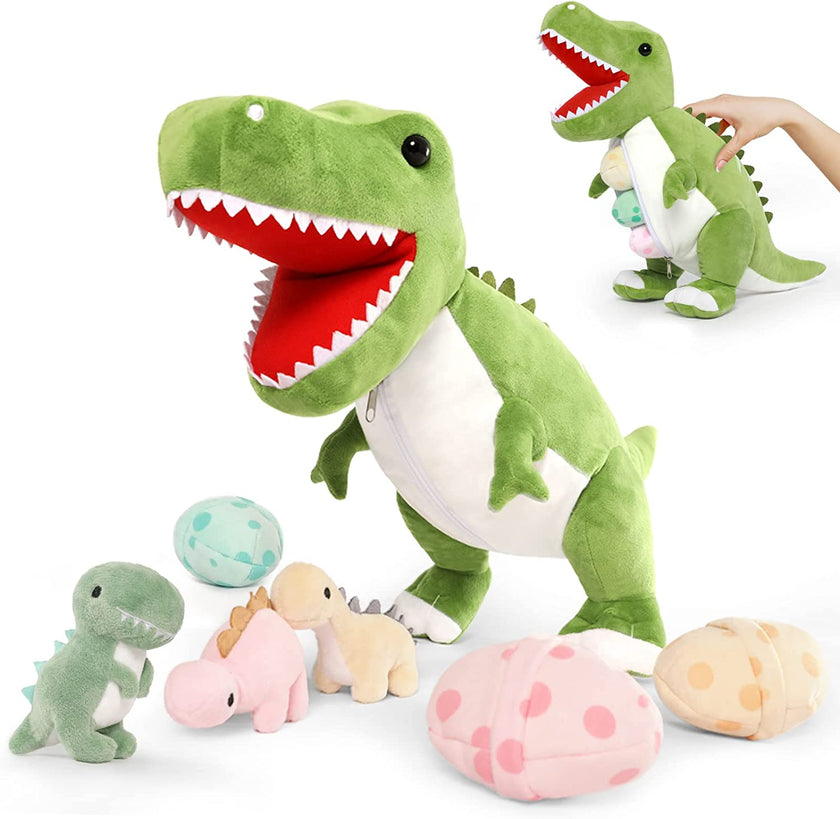
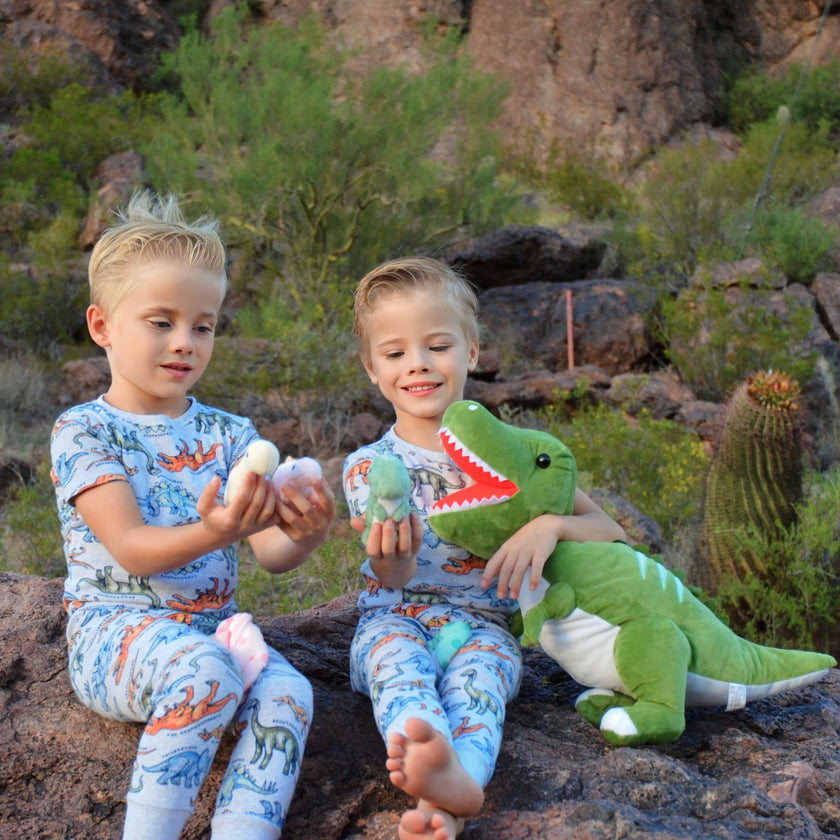
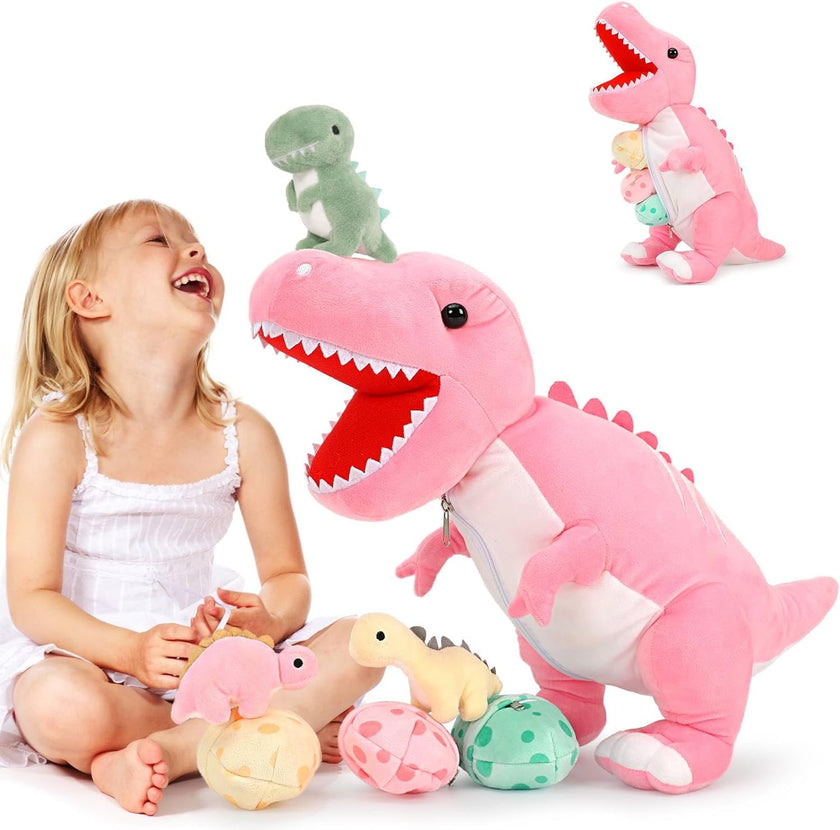
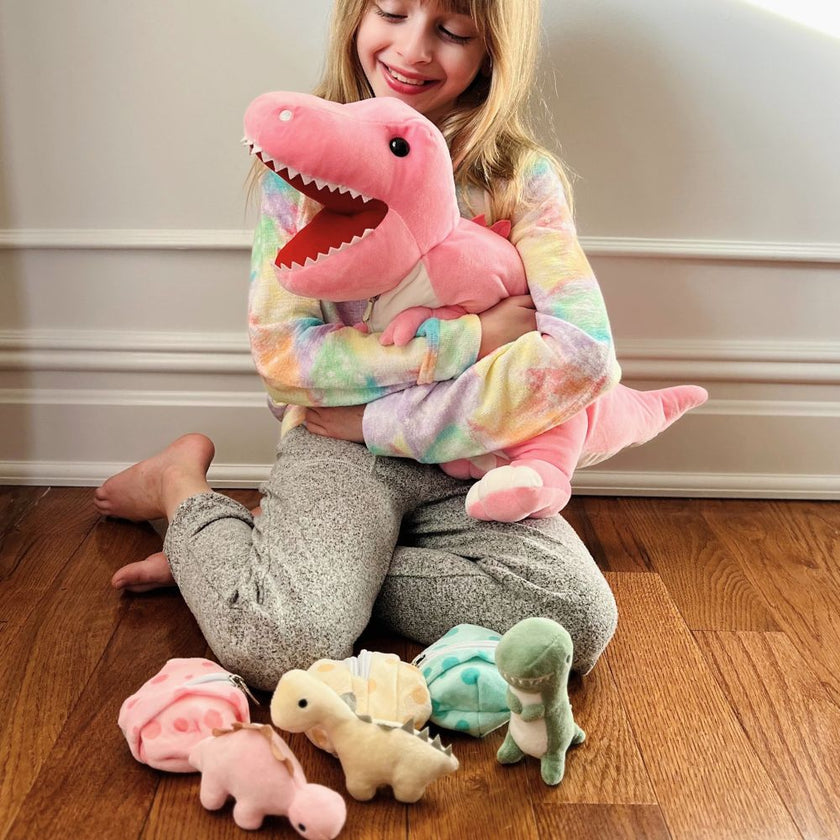
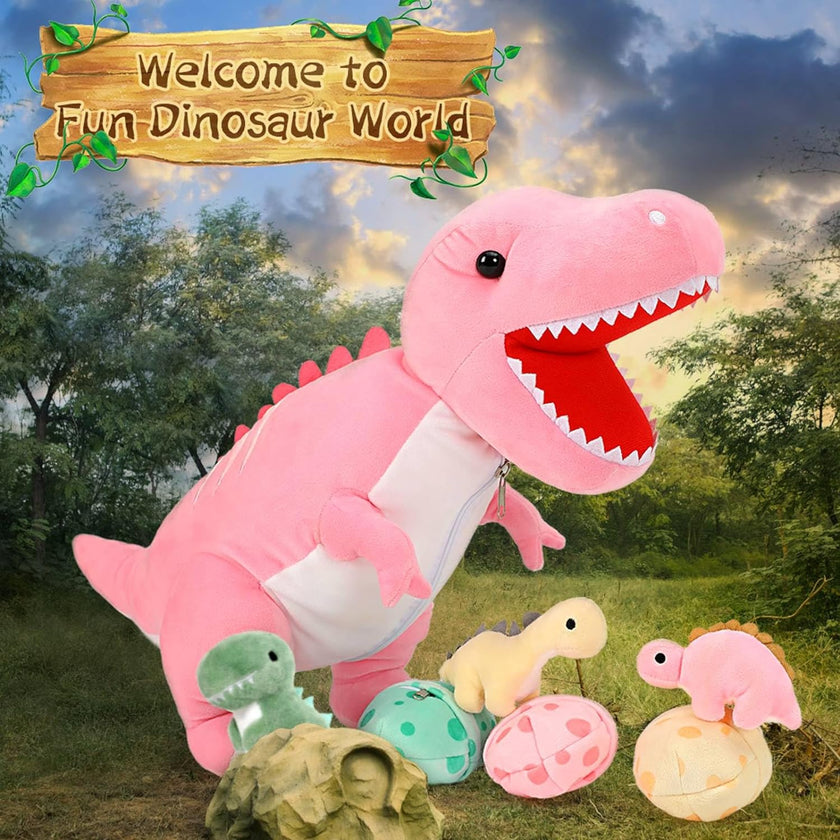
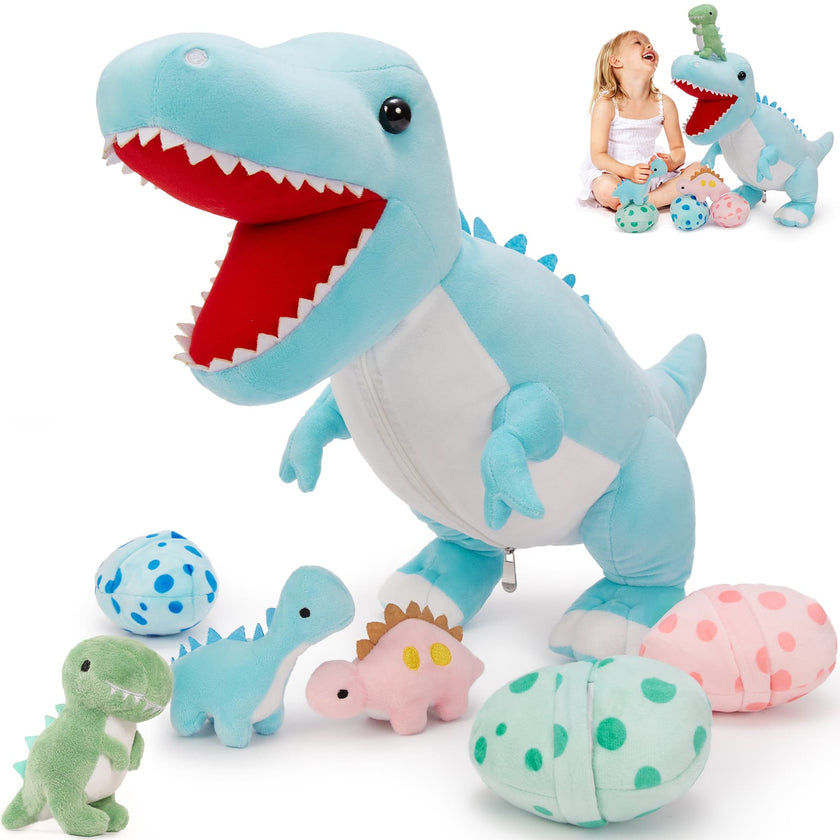
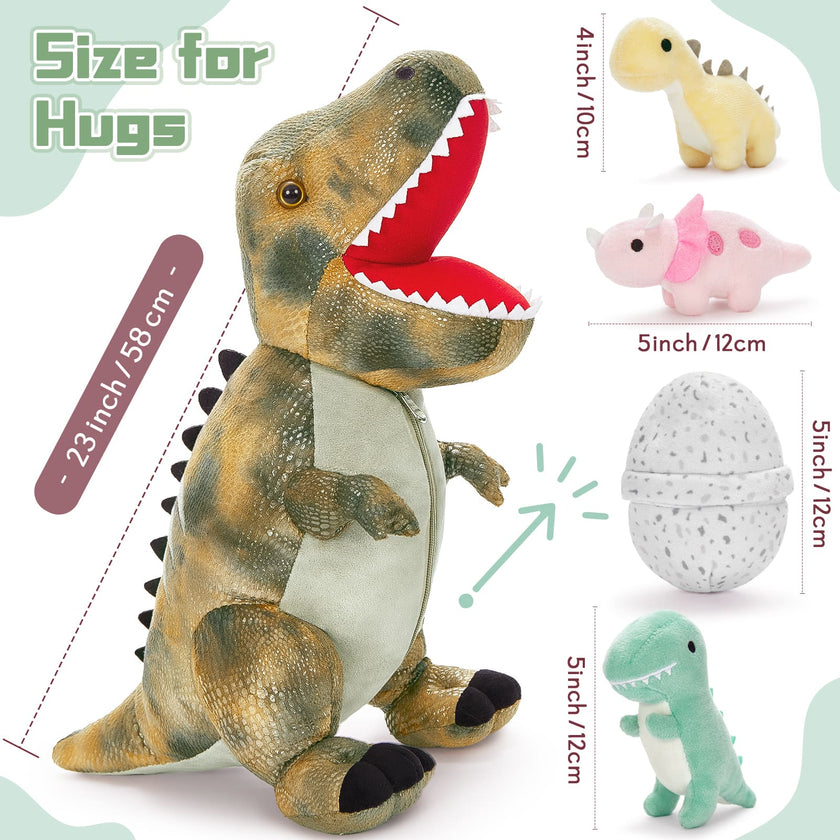
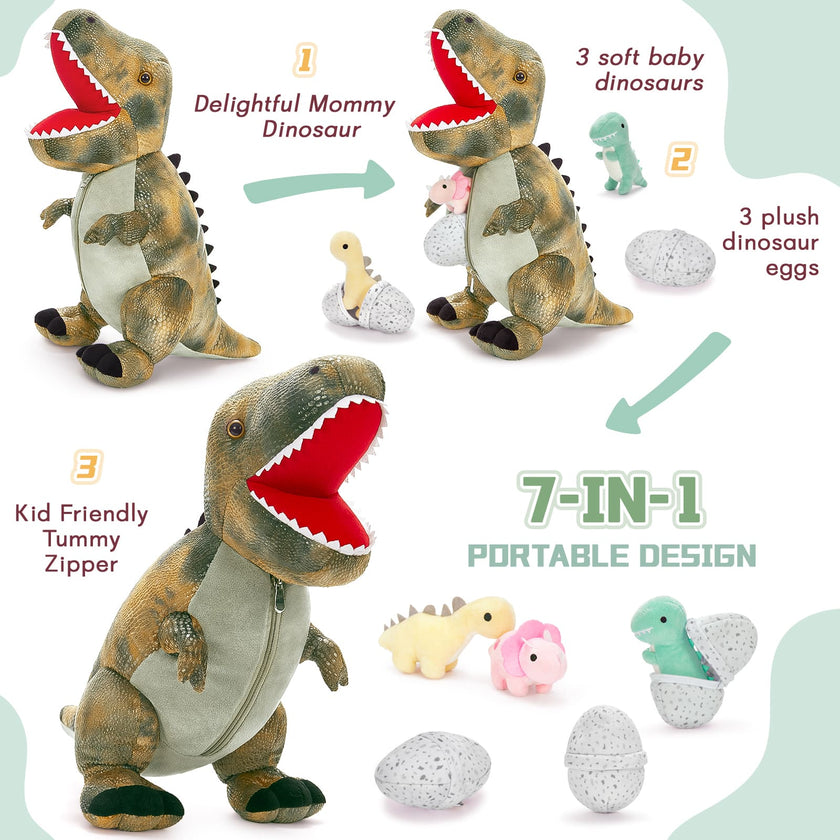
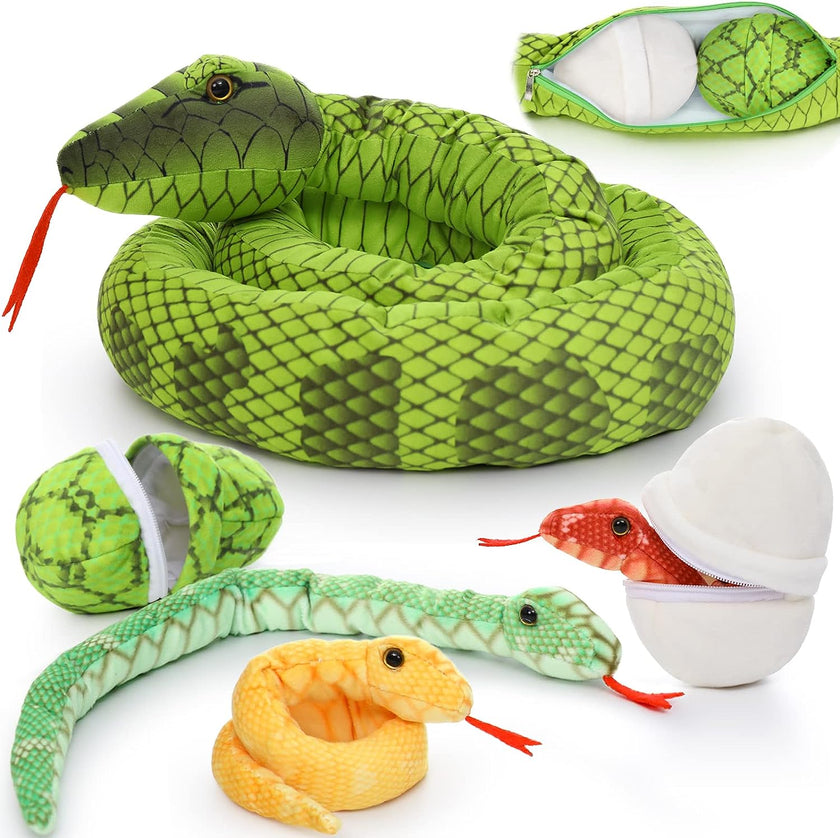
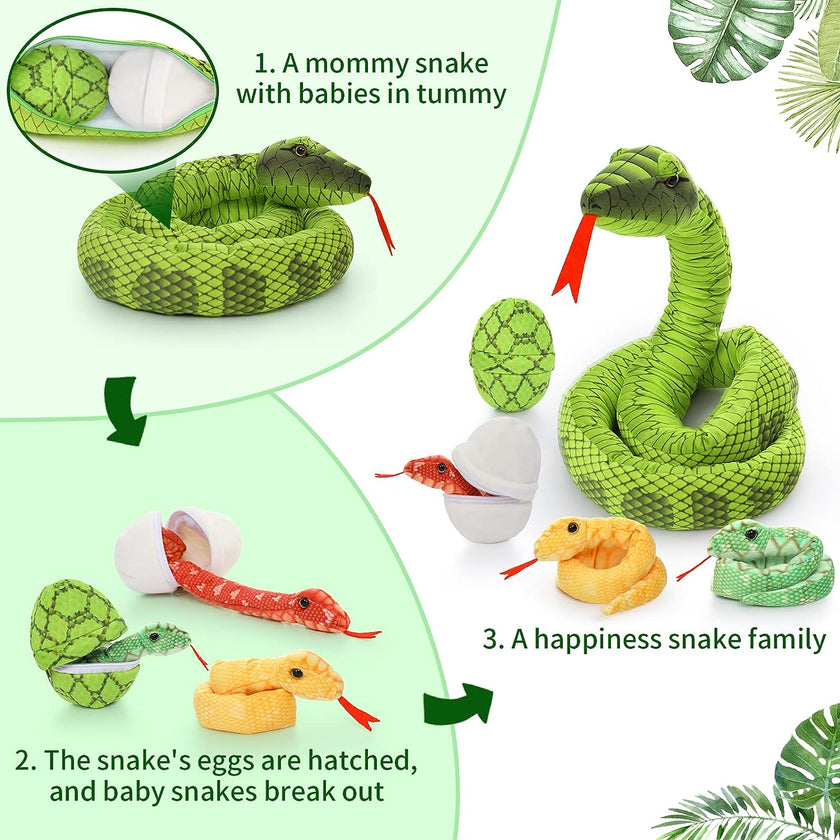
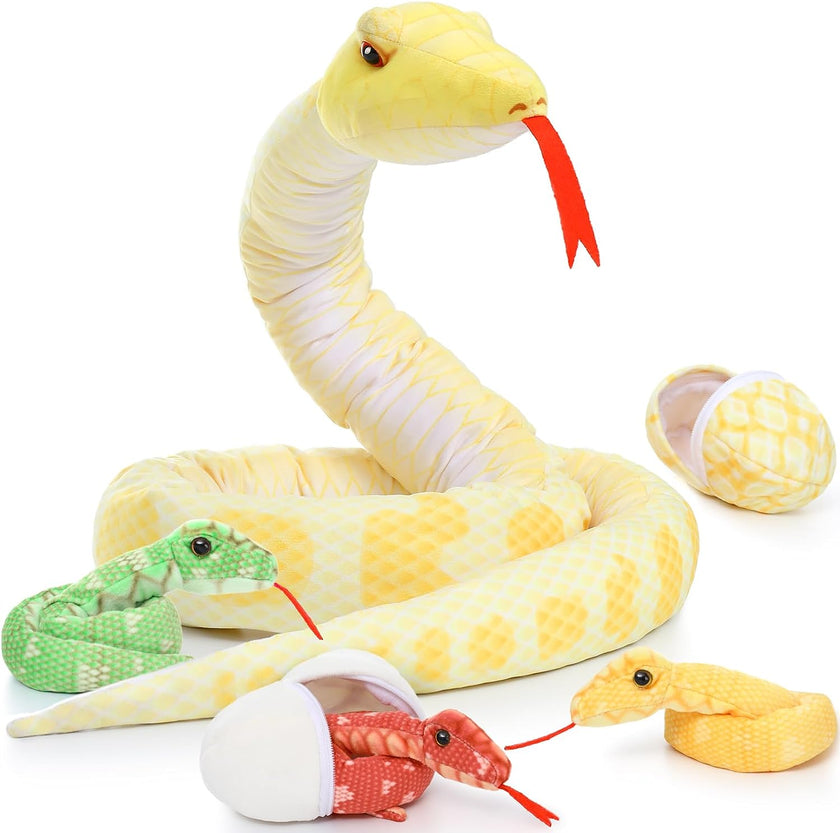
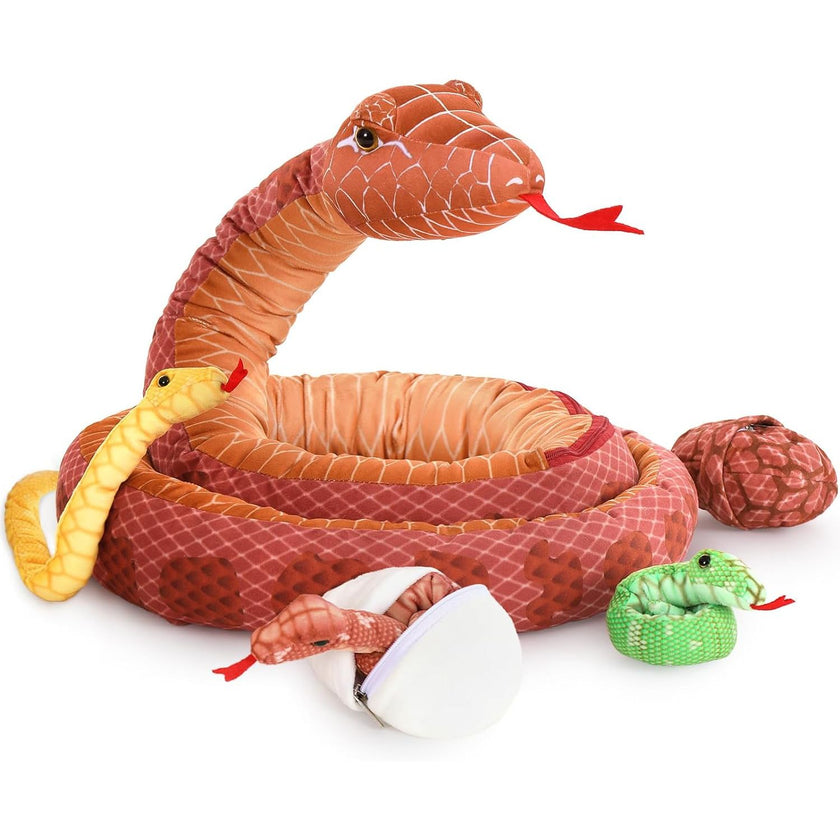
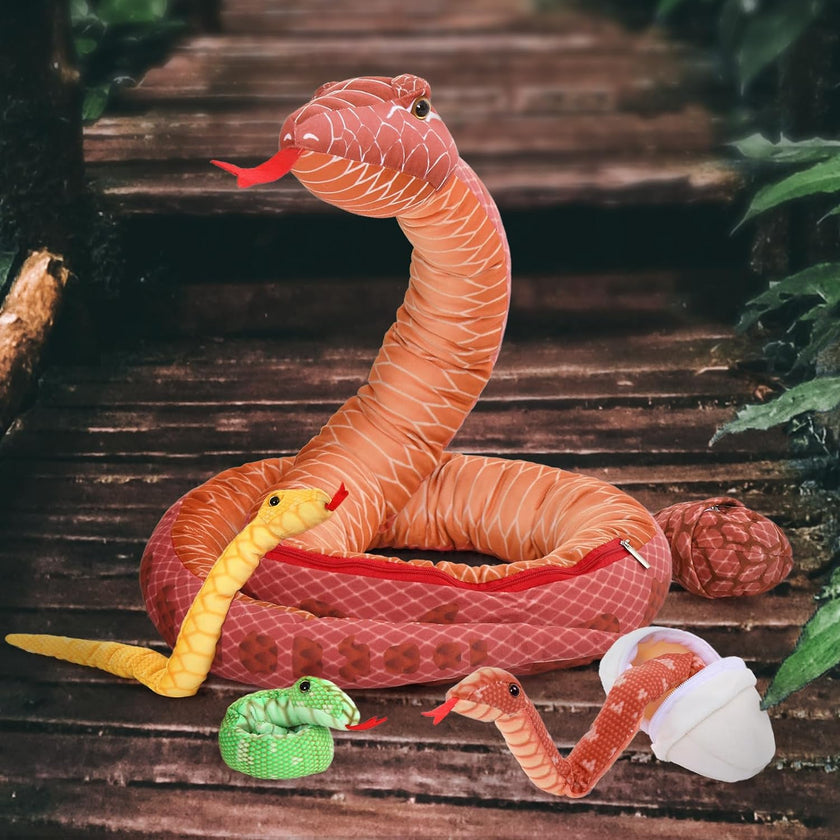
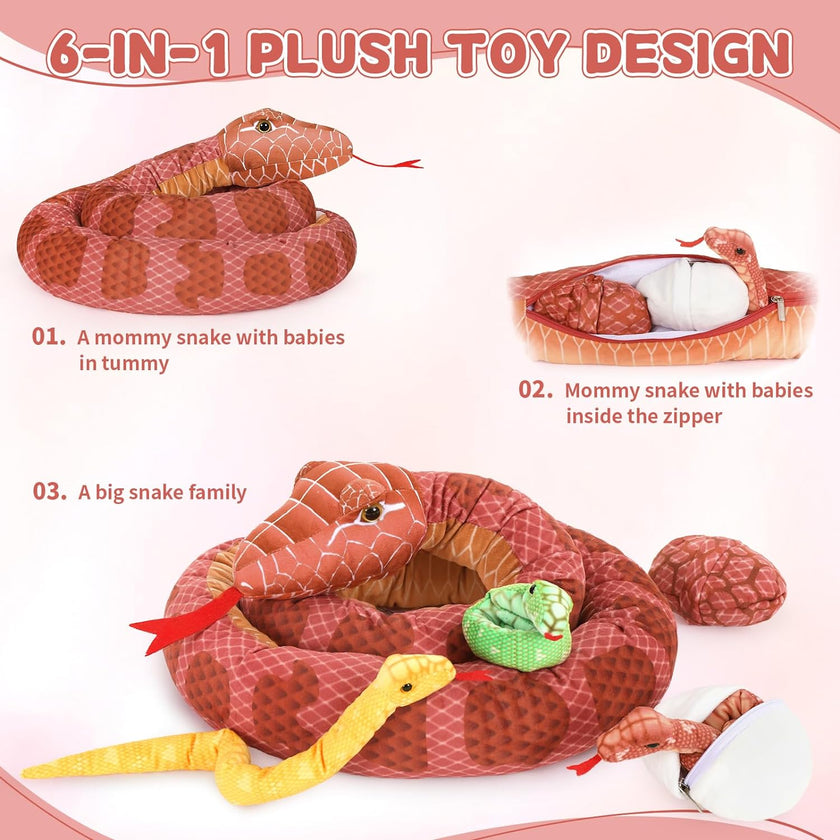
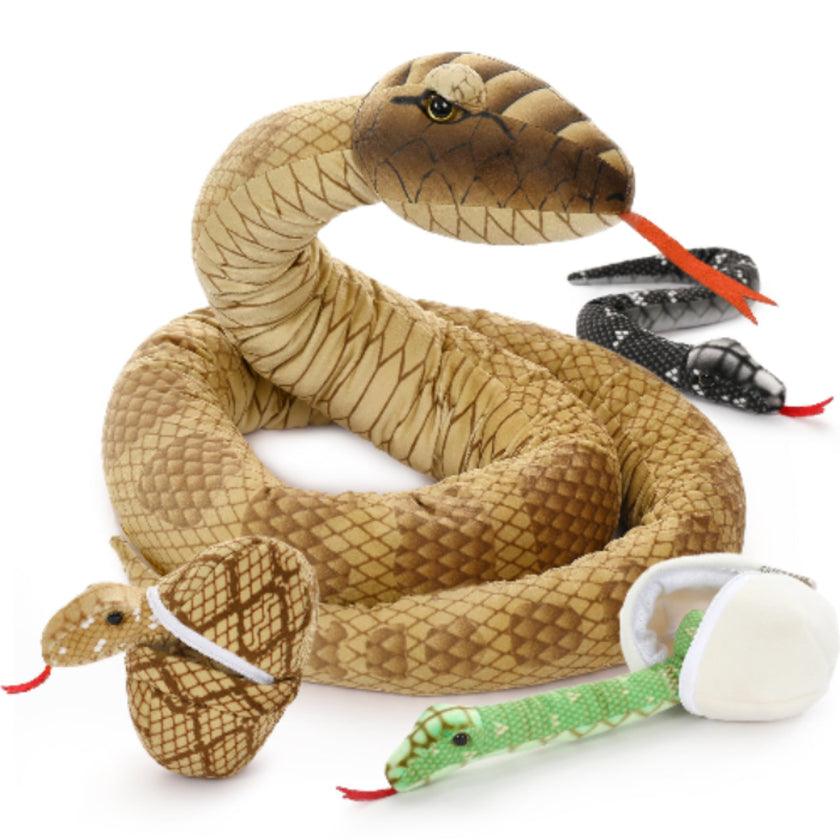
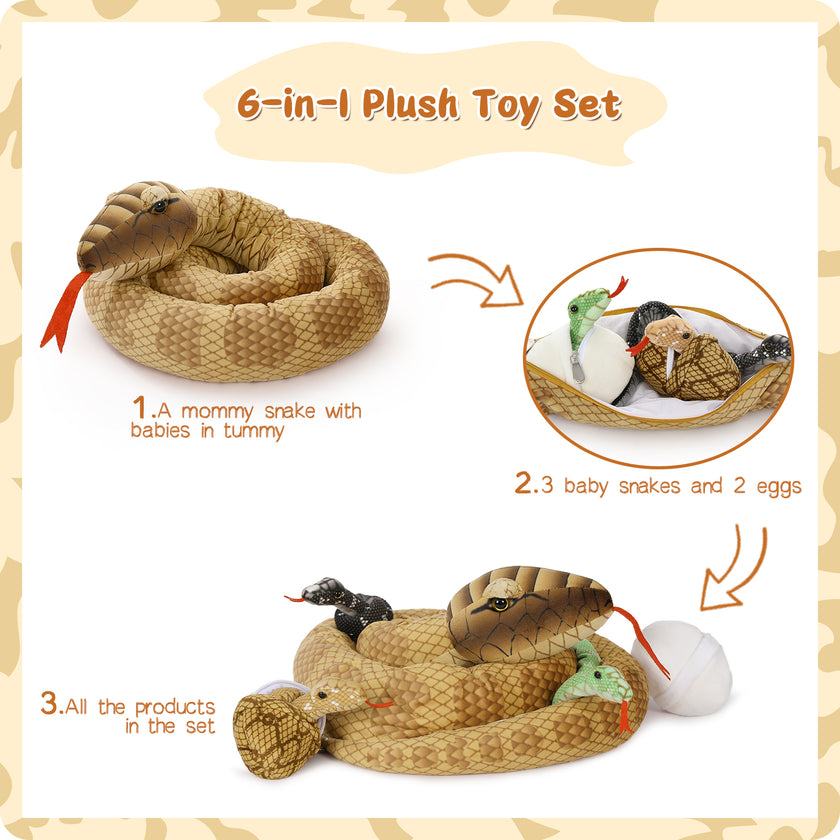
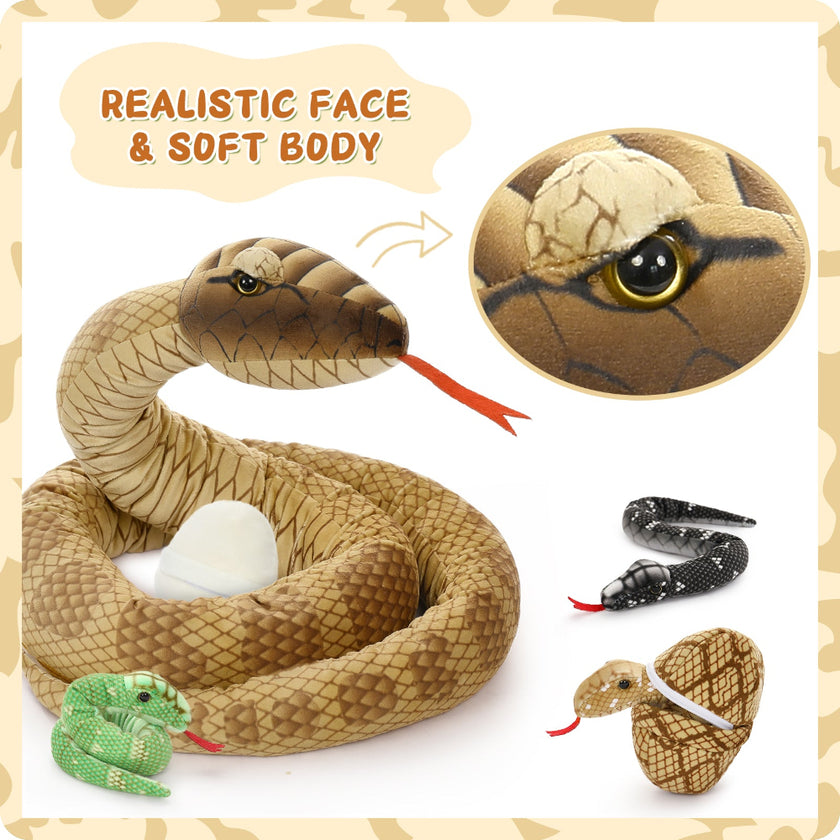
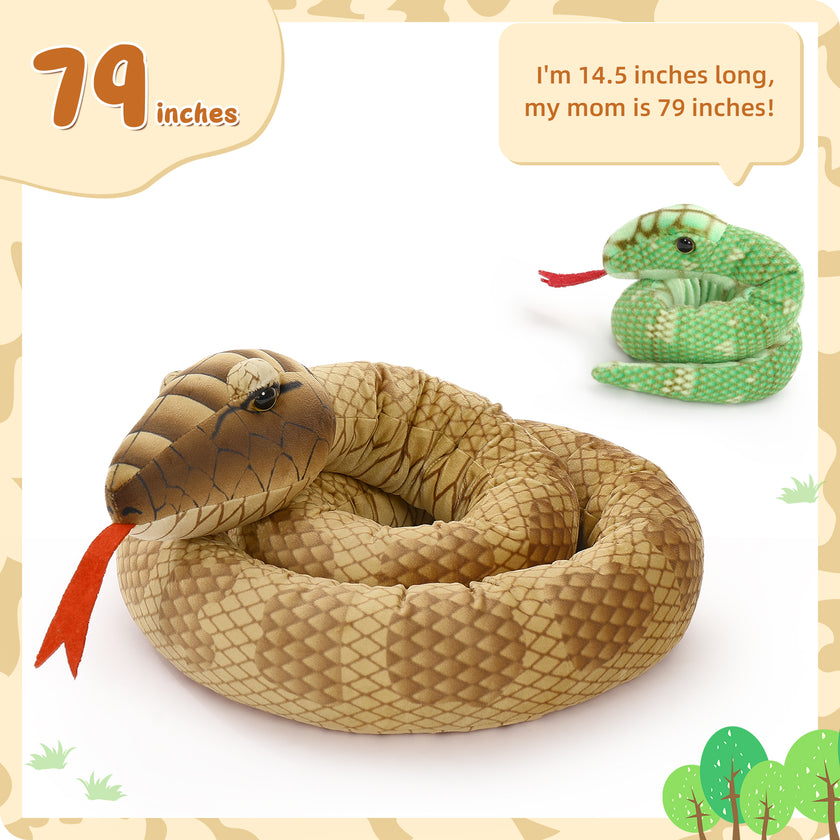
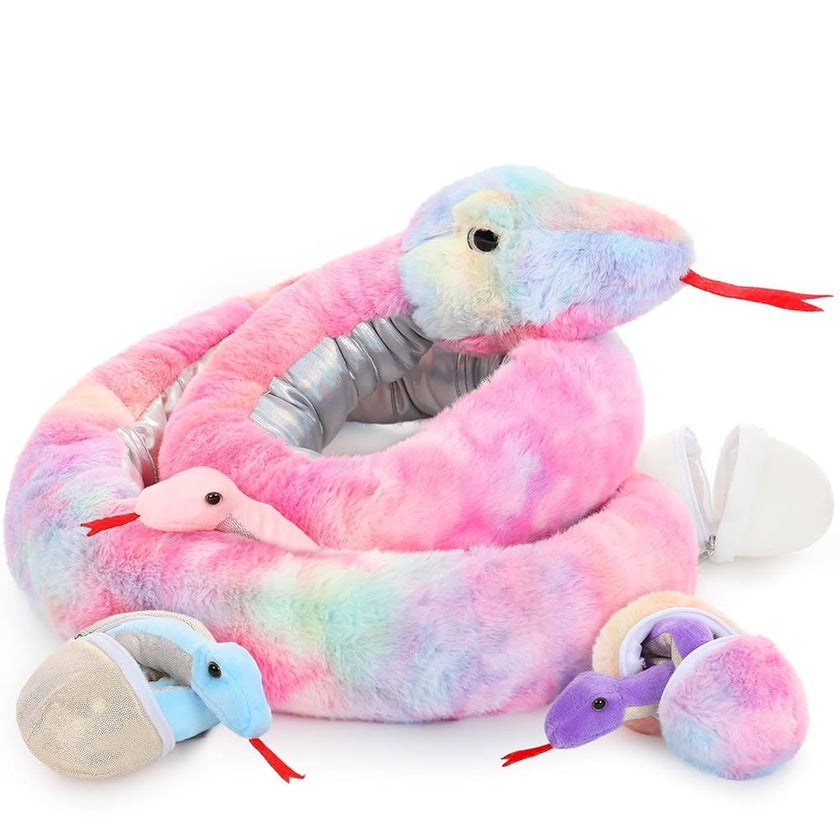
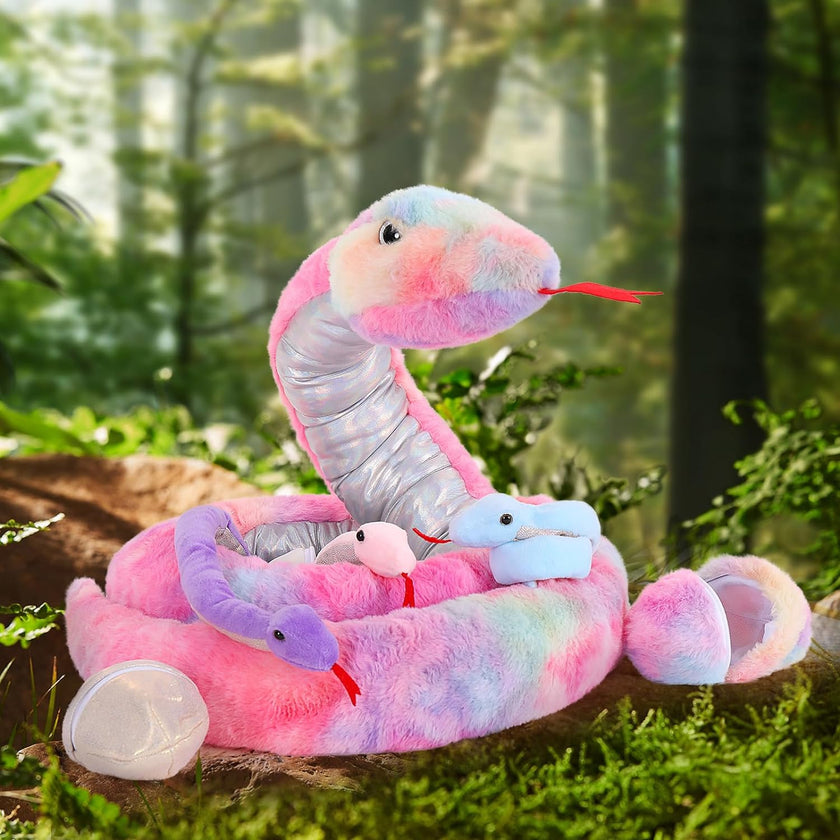
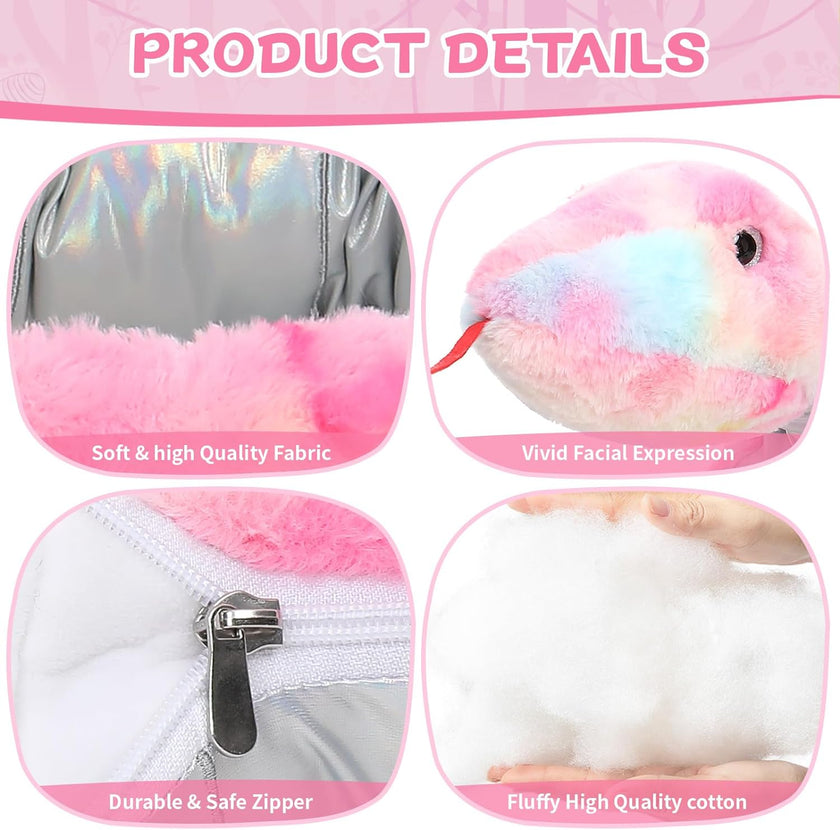
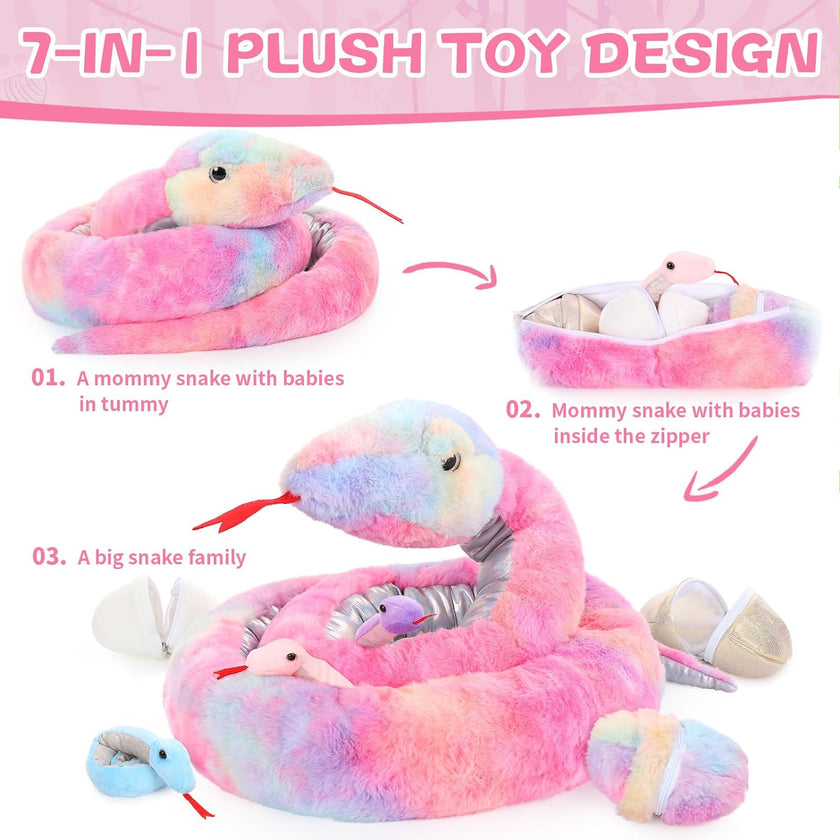
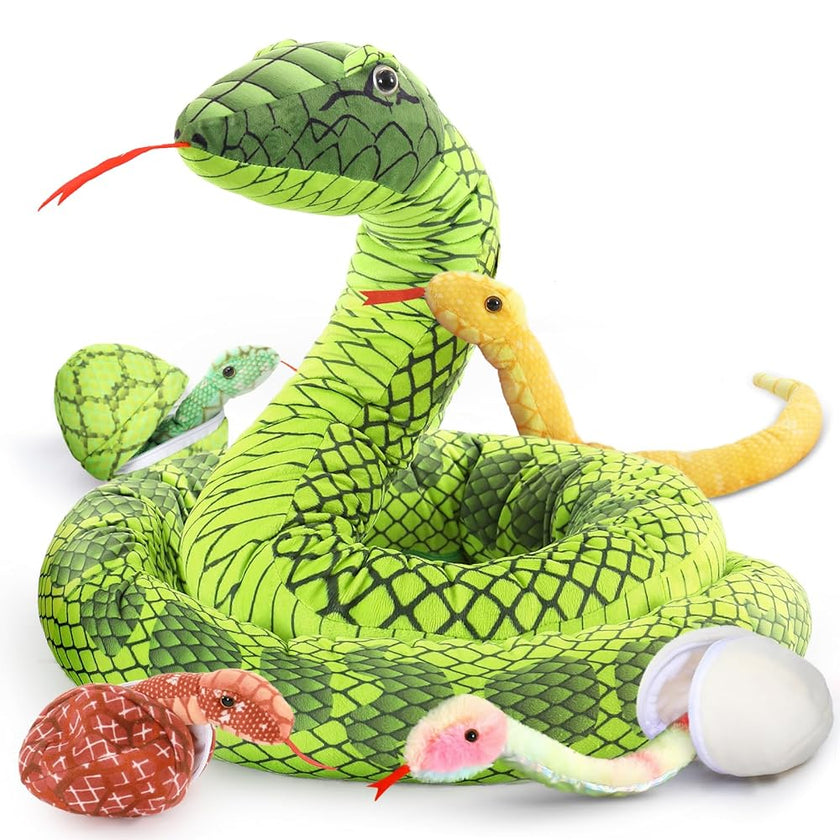
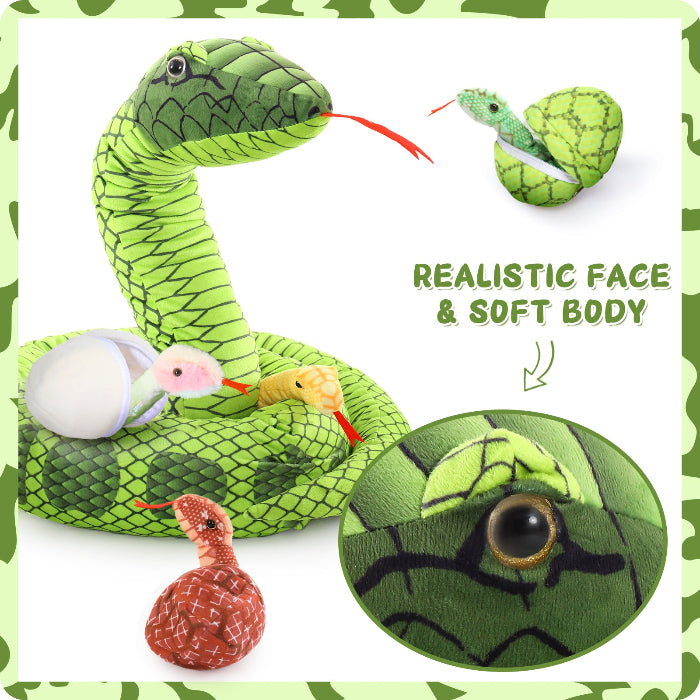
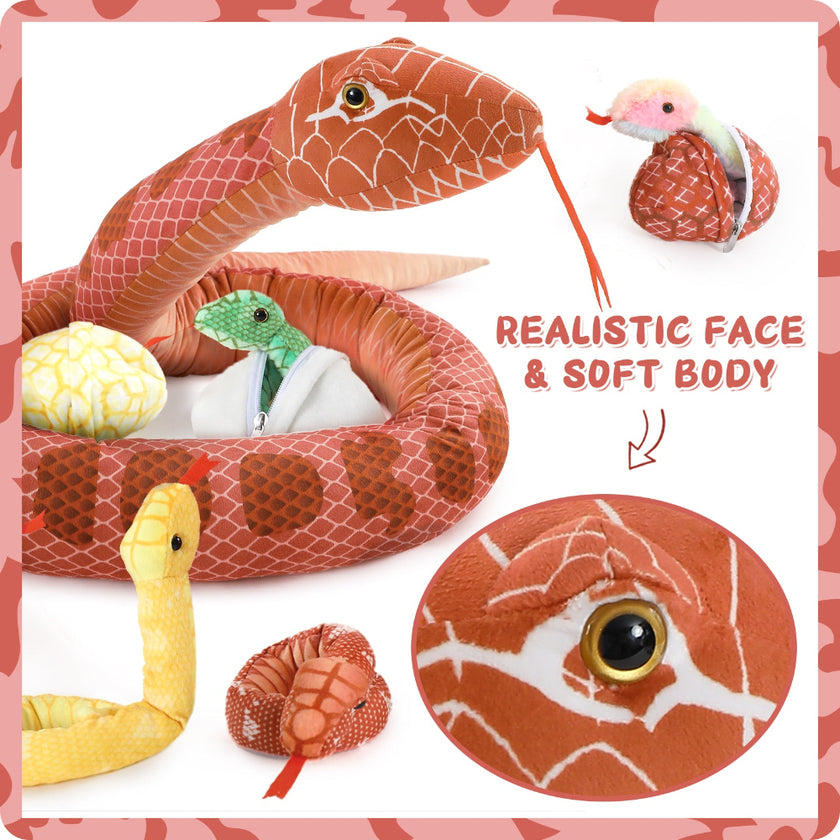
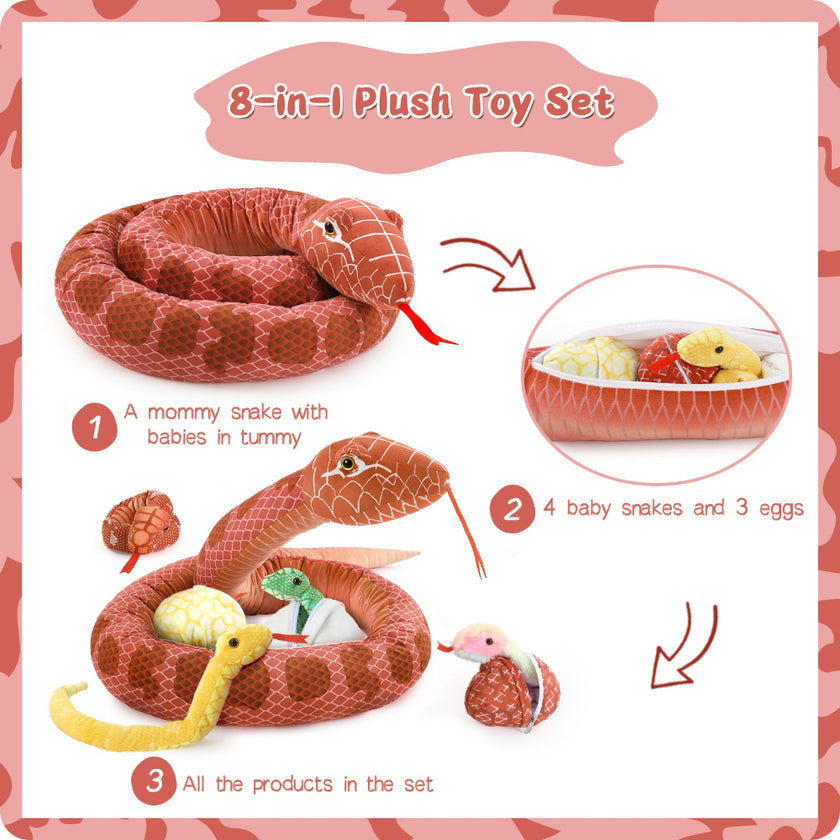
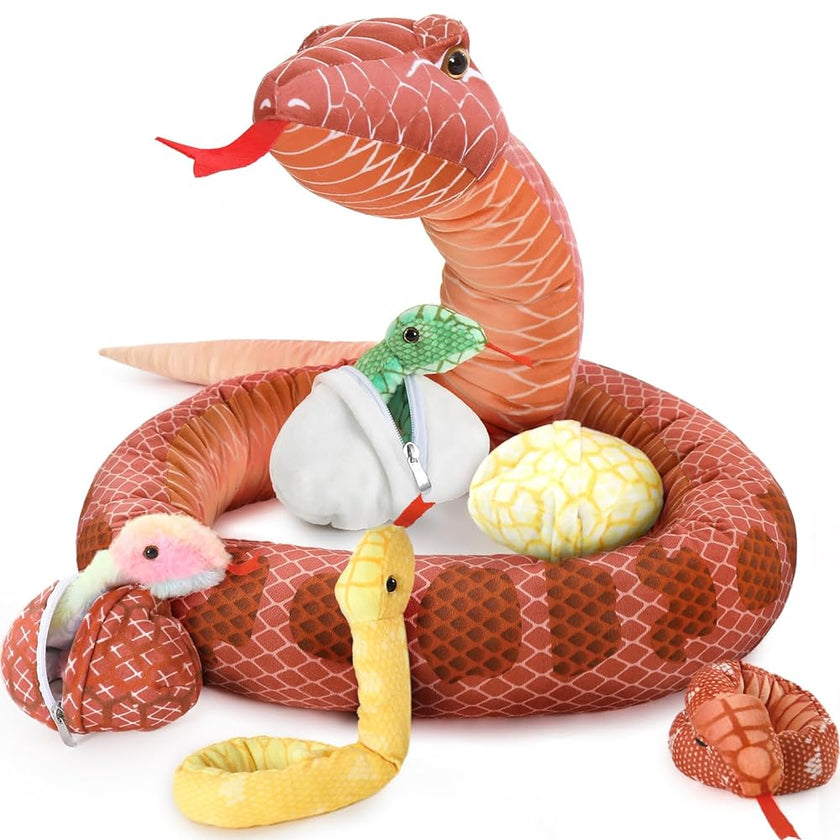
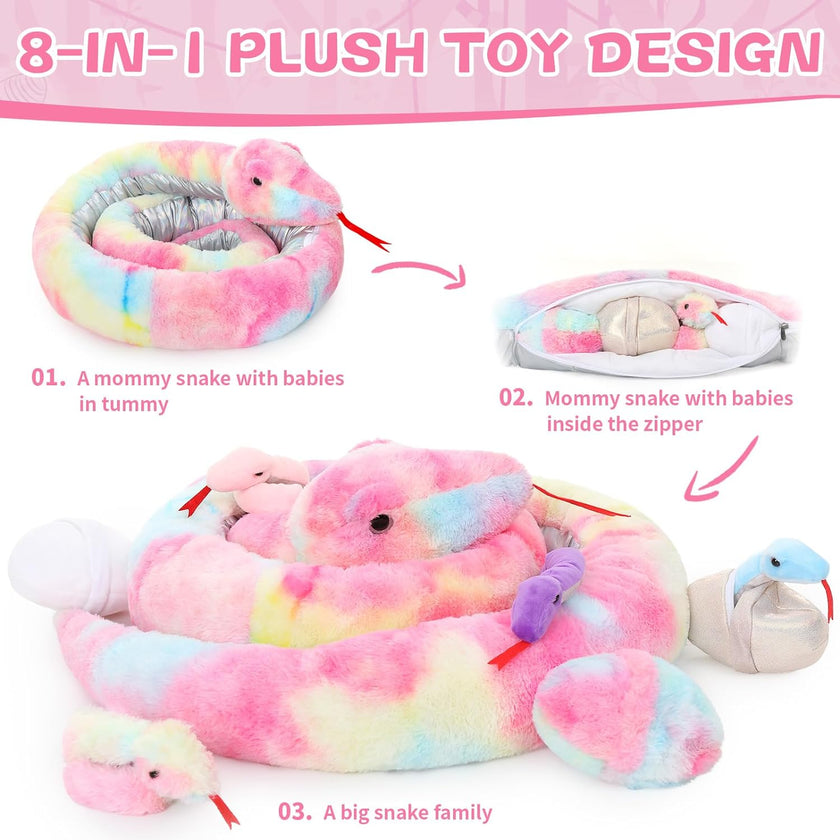
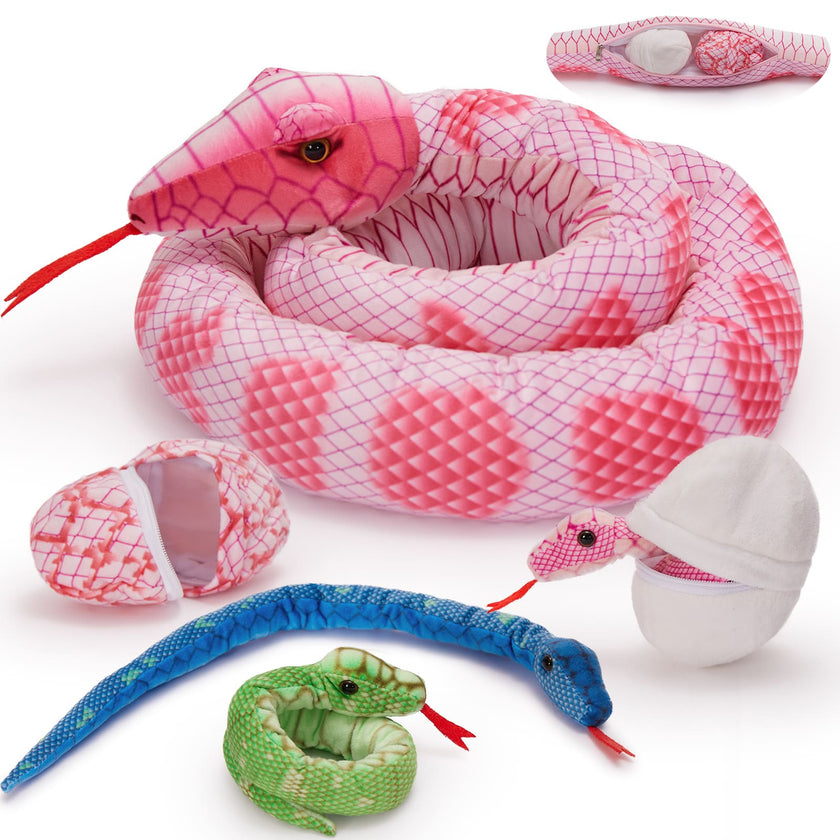
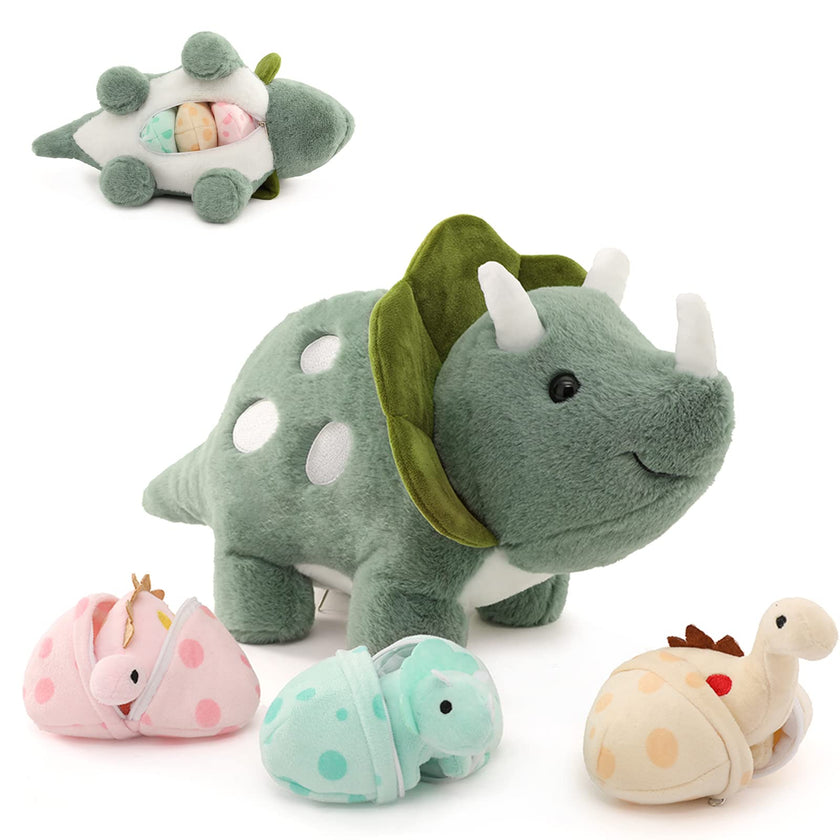
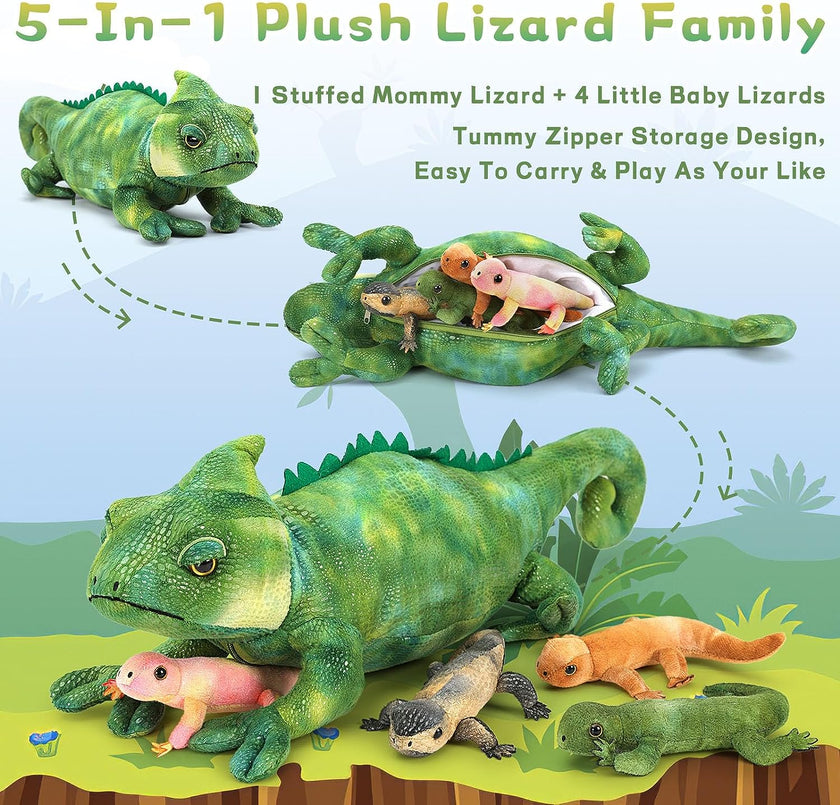
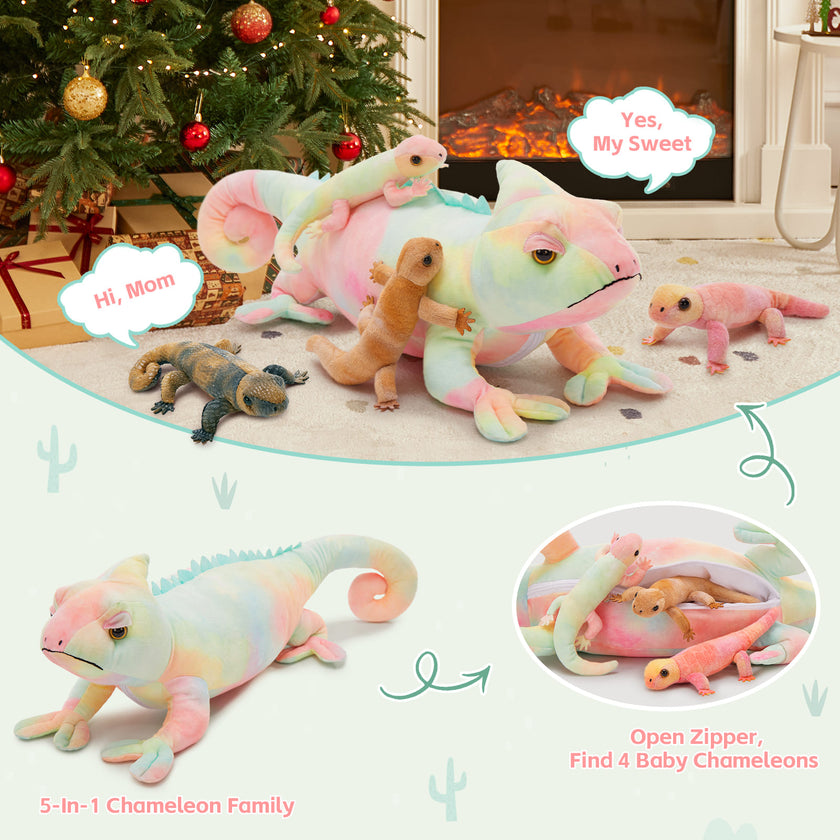
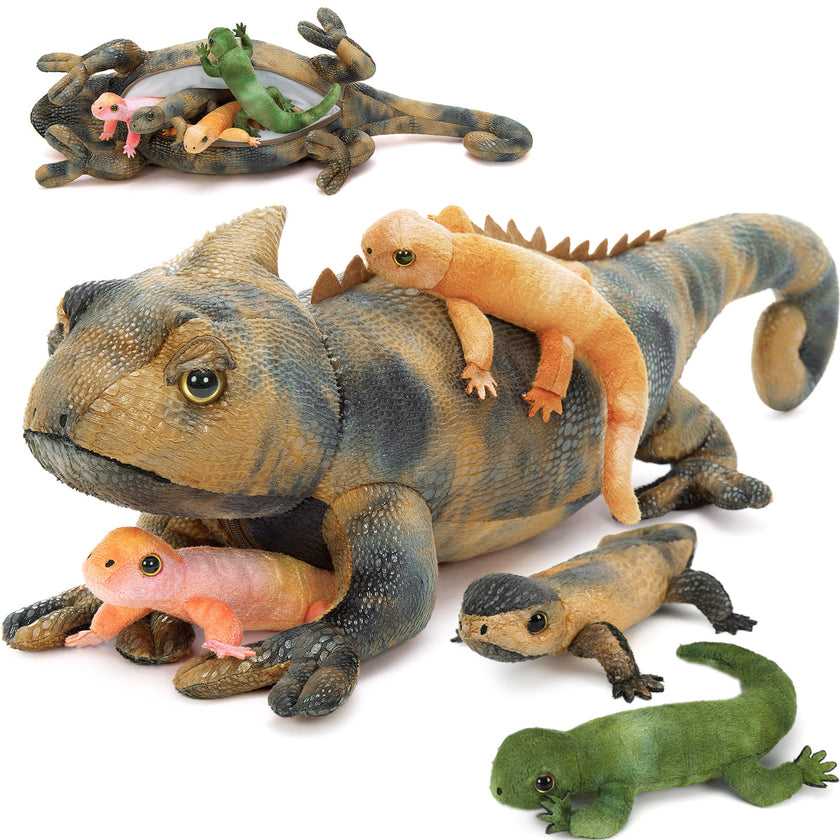
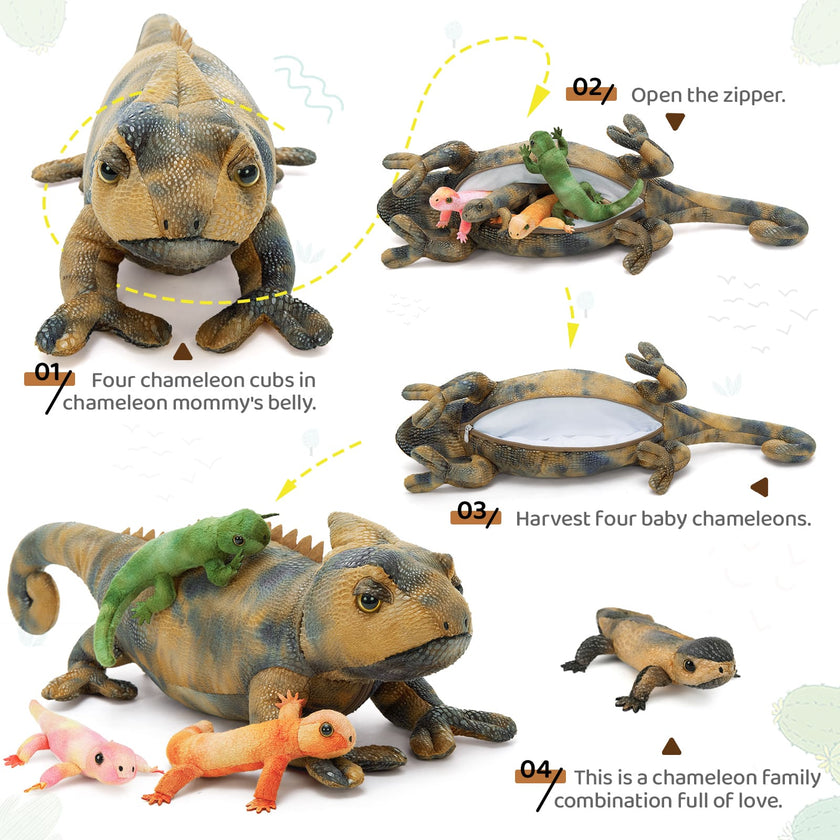
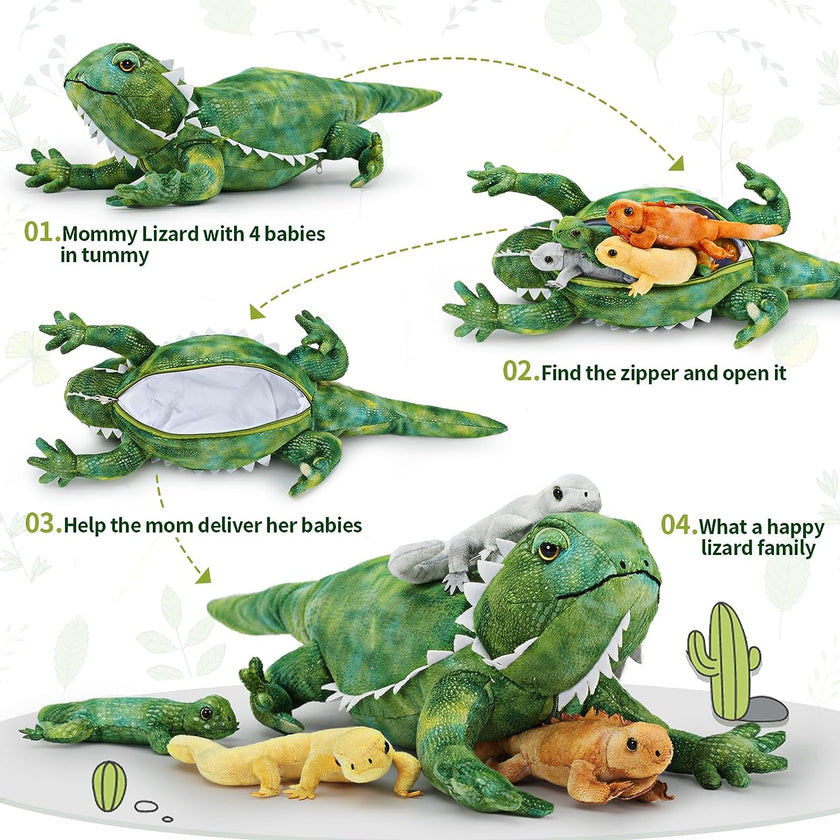
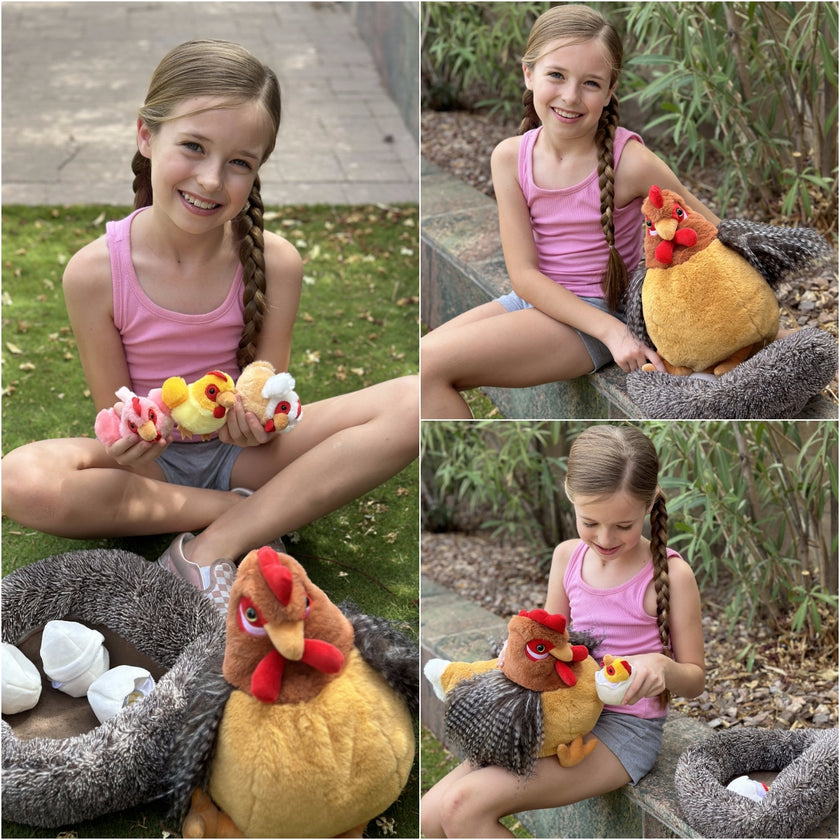
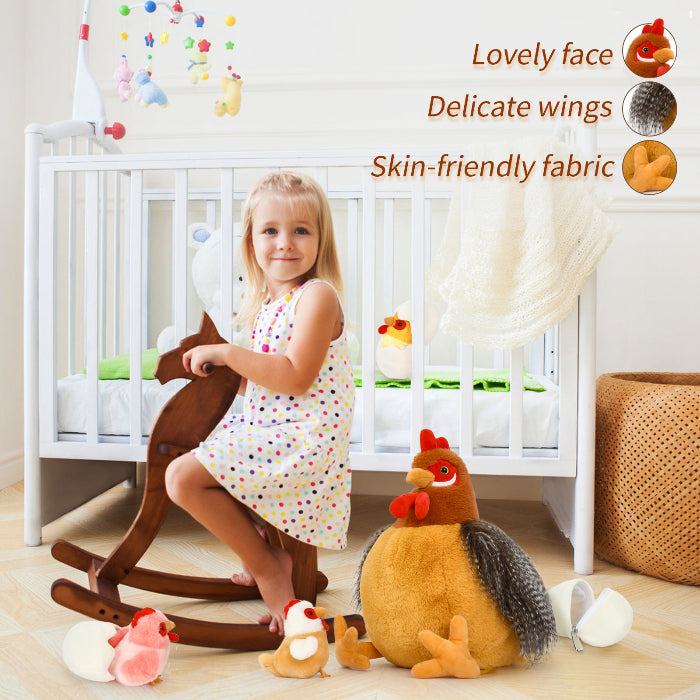
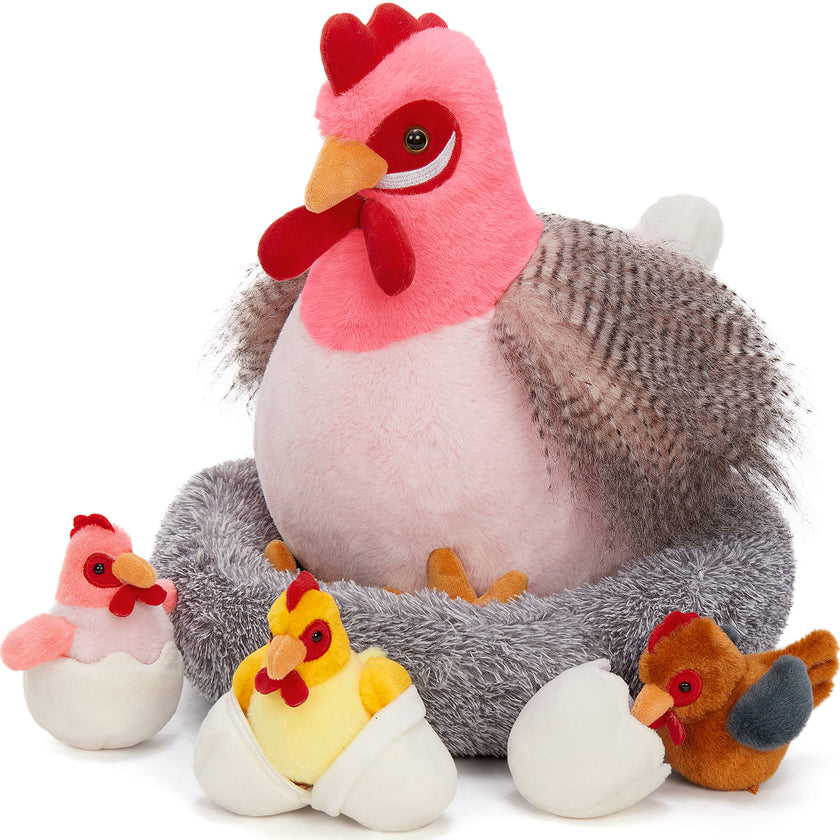
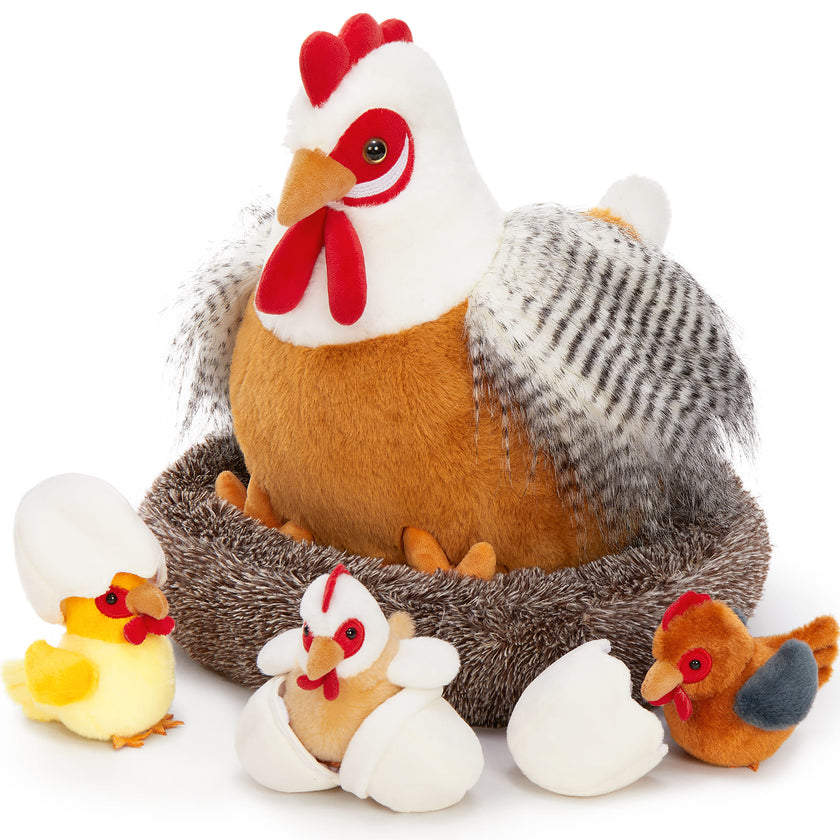
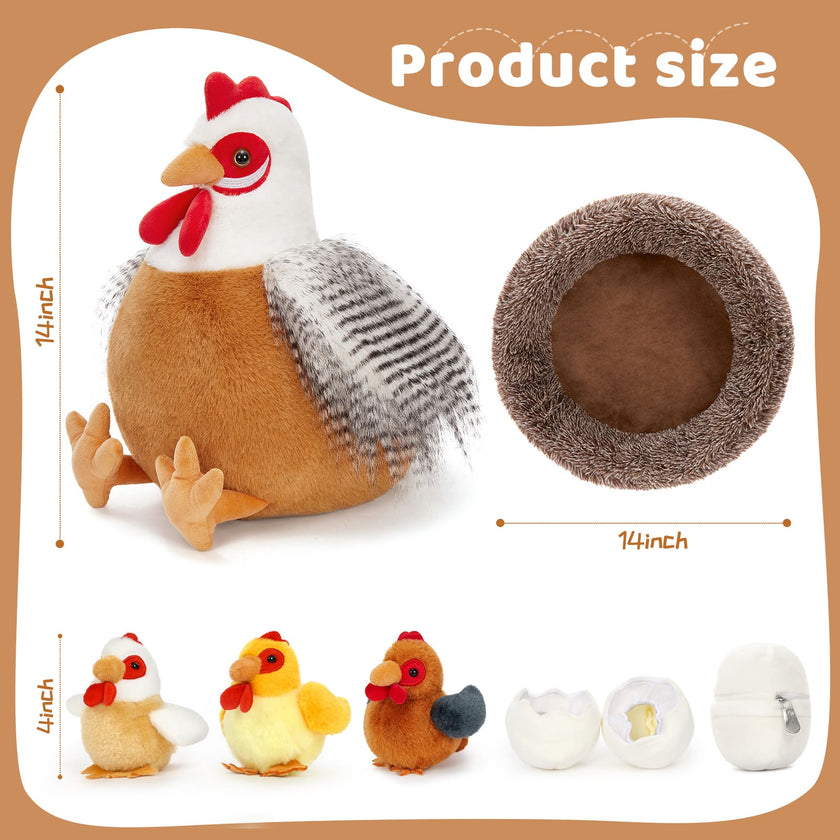
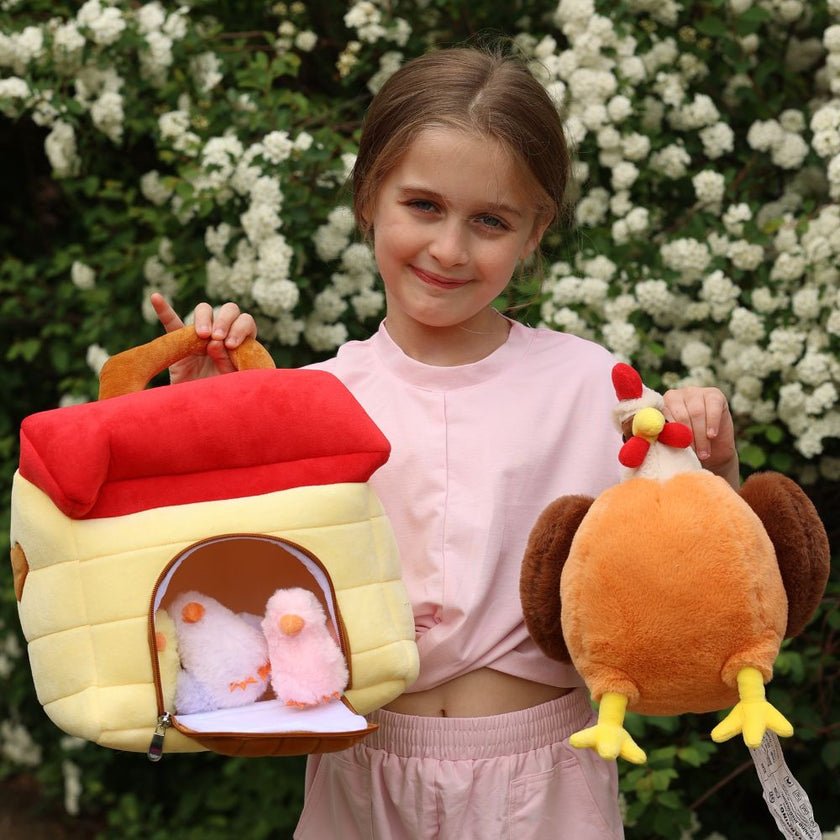
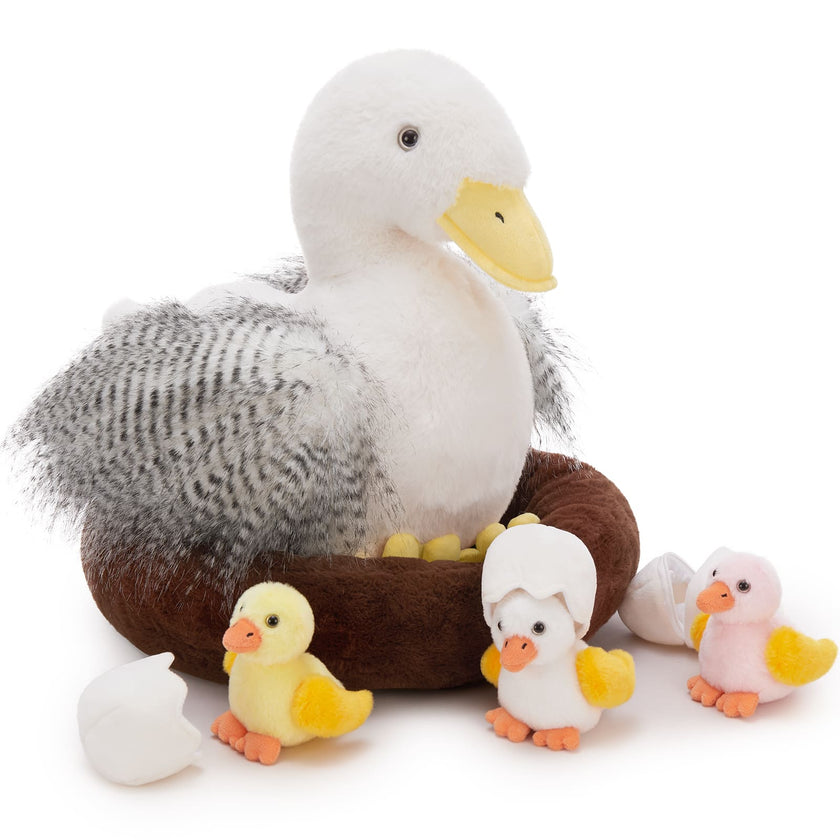
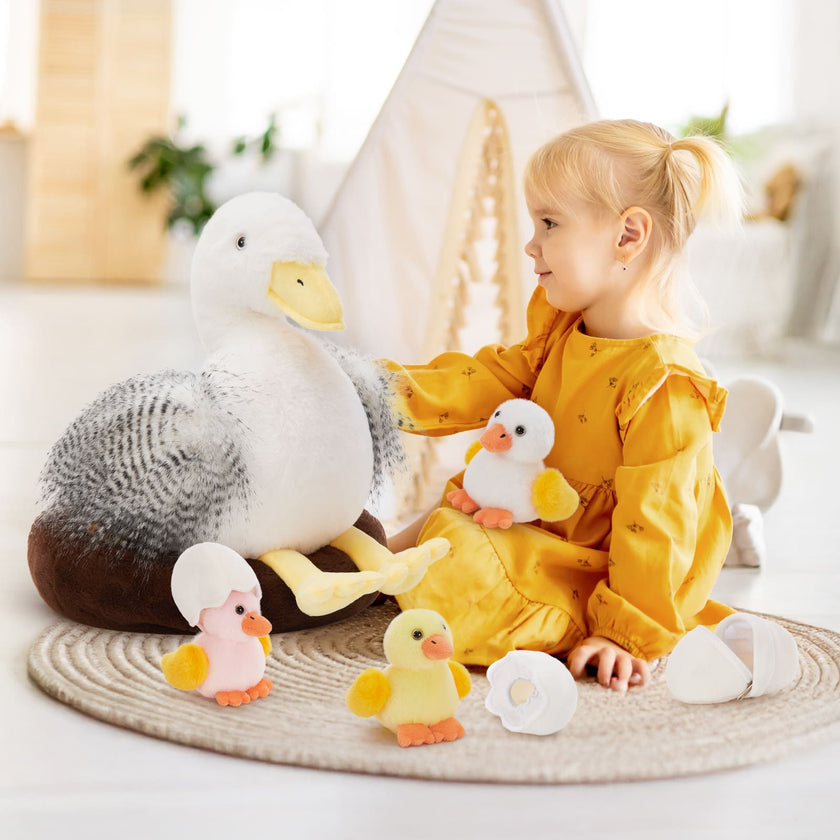
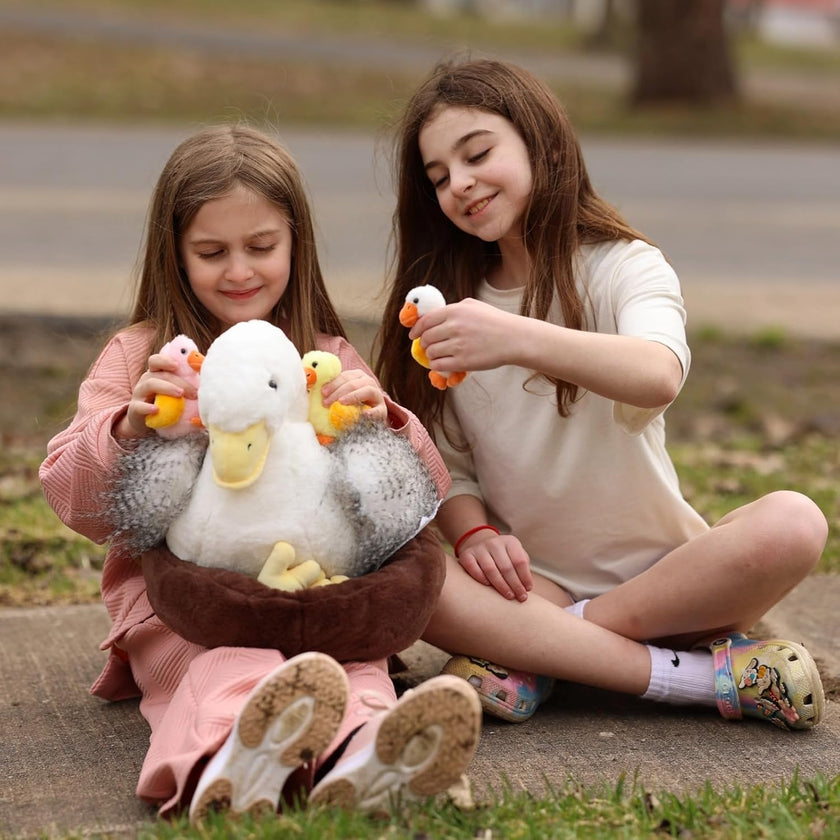
This led directly to one of today’s most beloved trends: stuffed animals with babies inside.
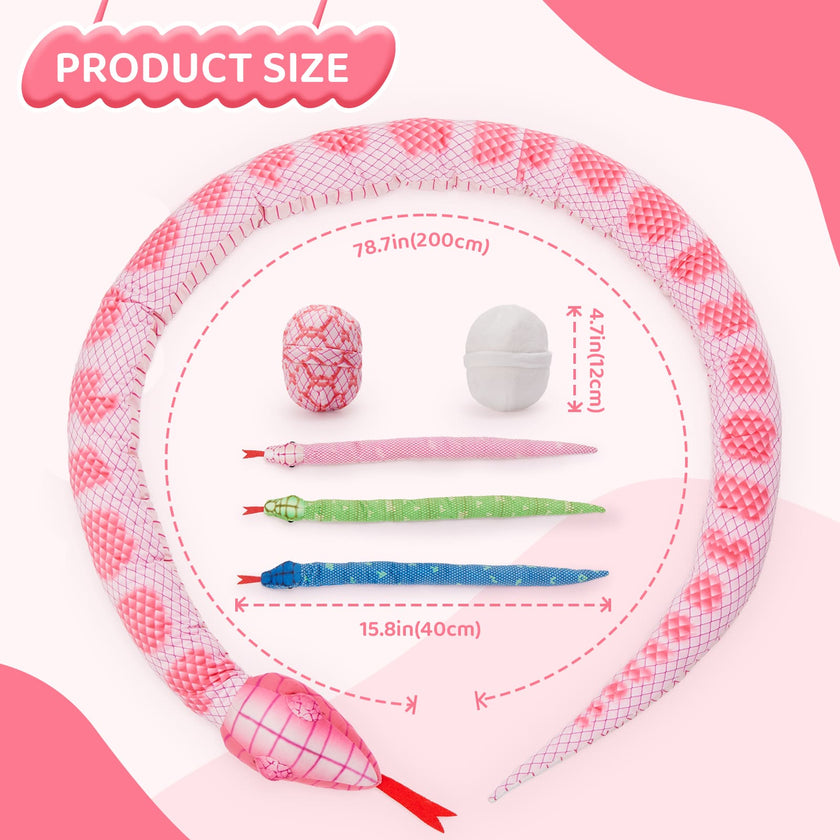
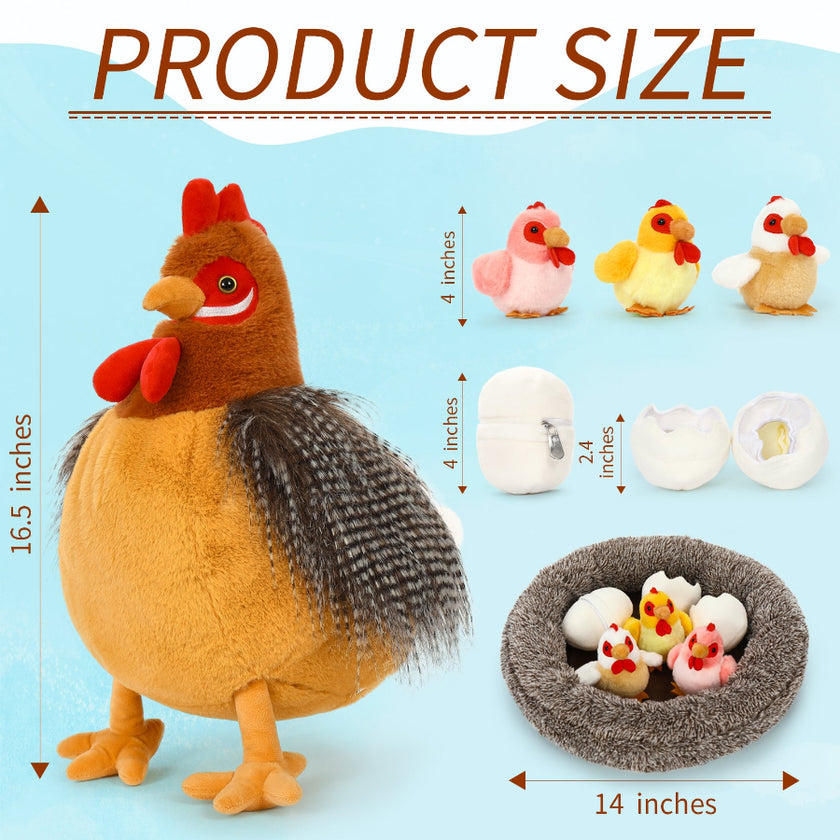
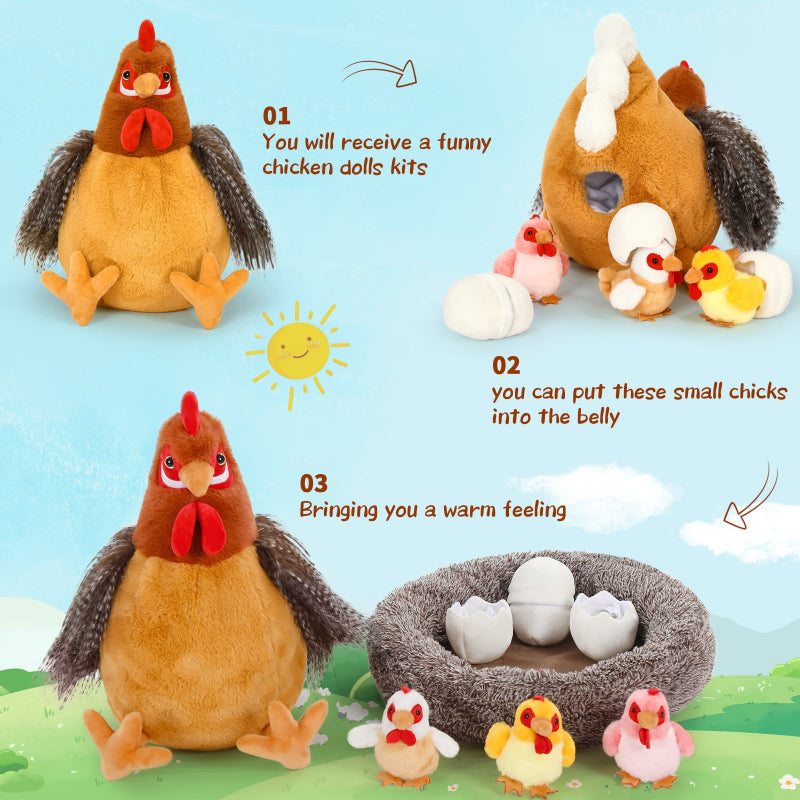
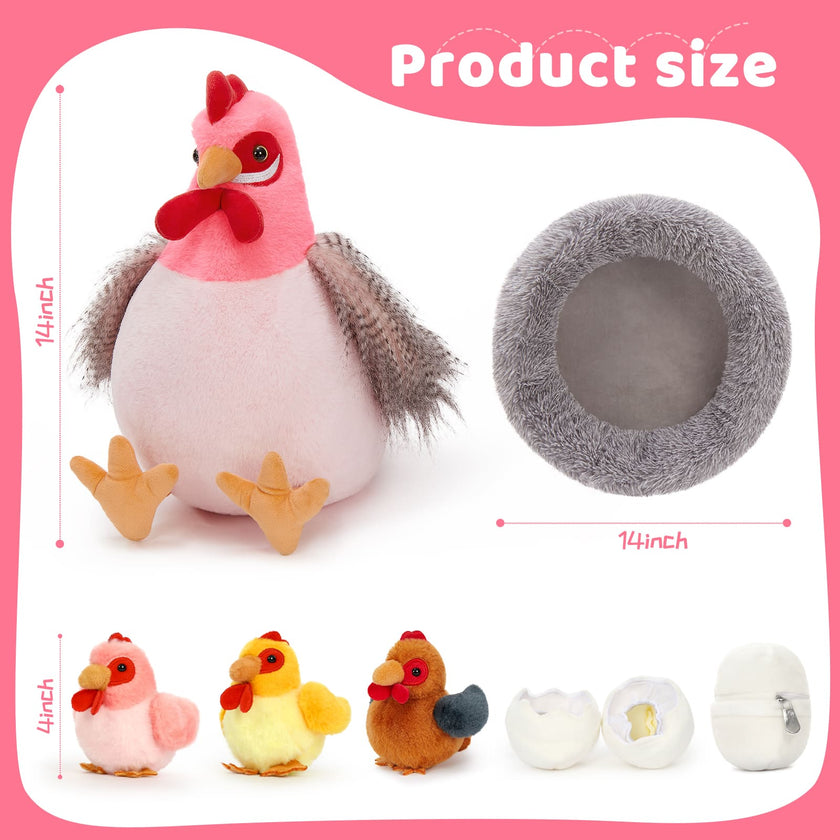
These toys typically feature:
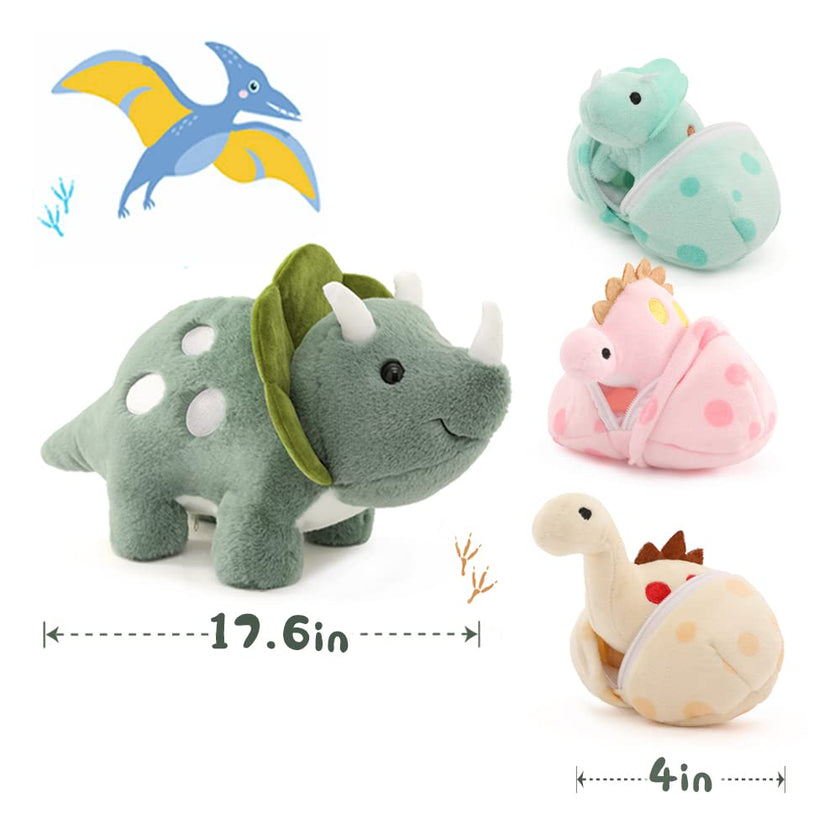
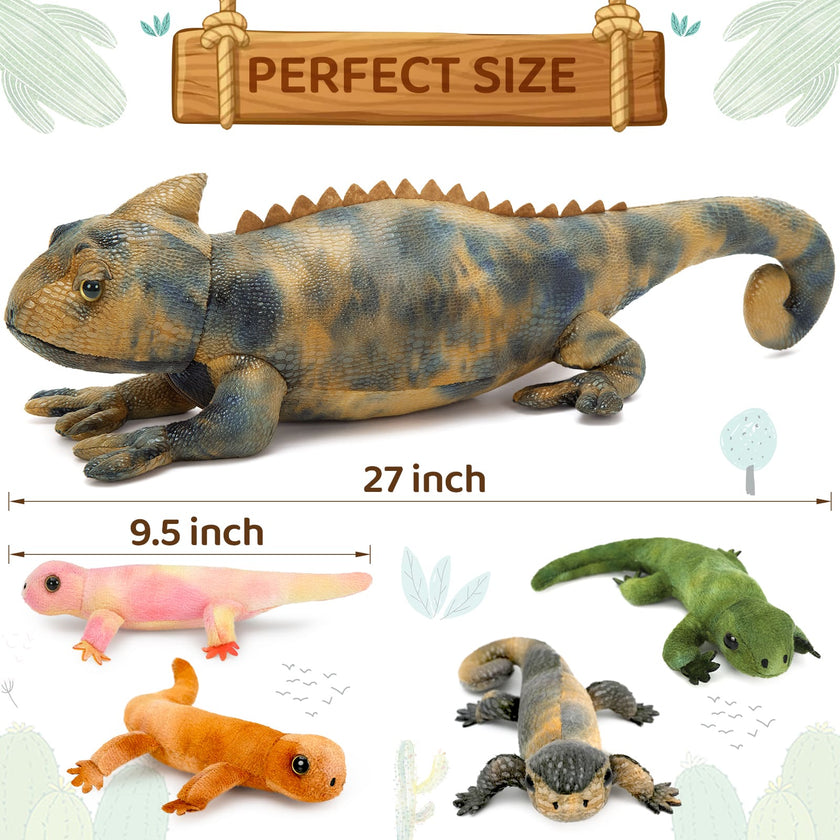
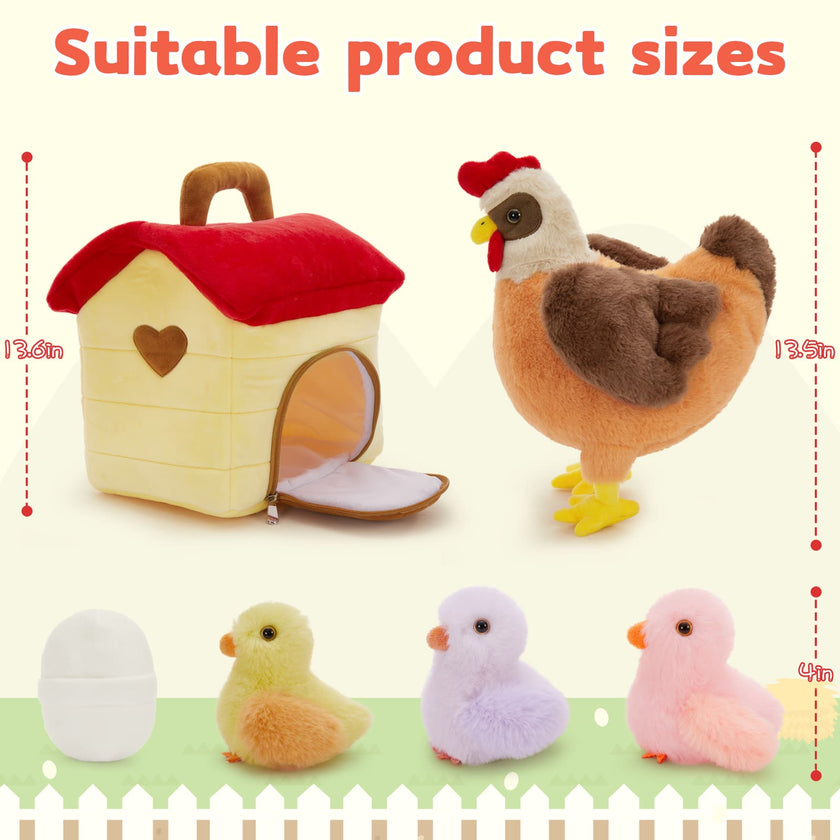
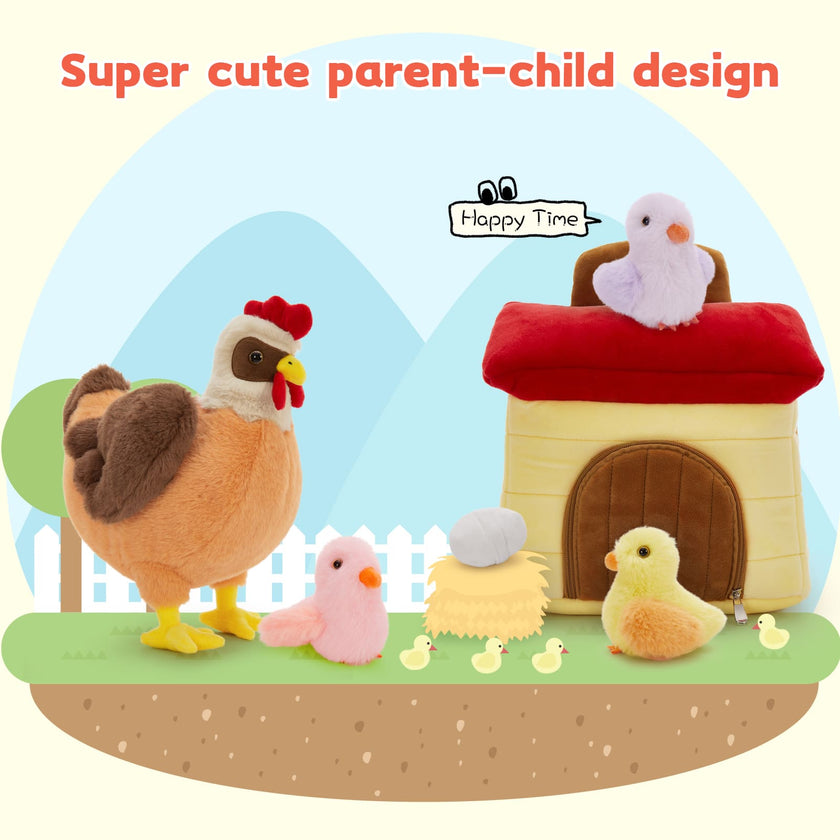
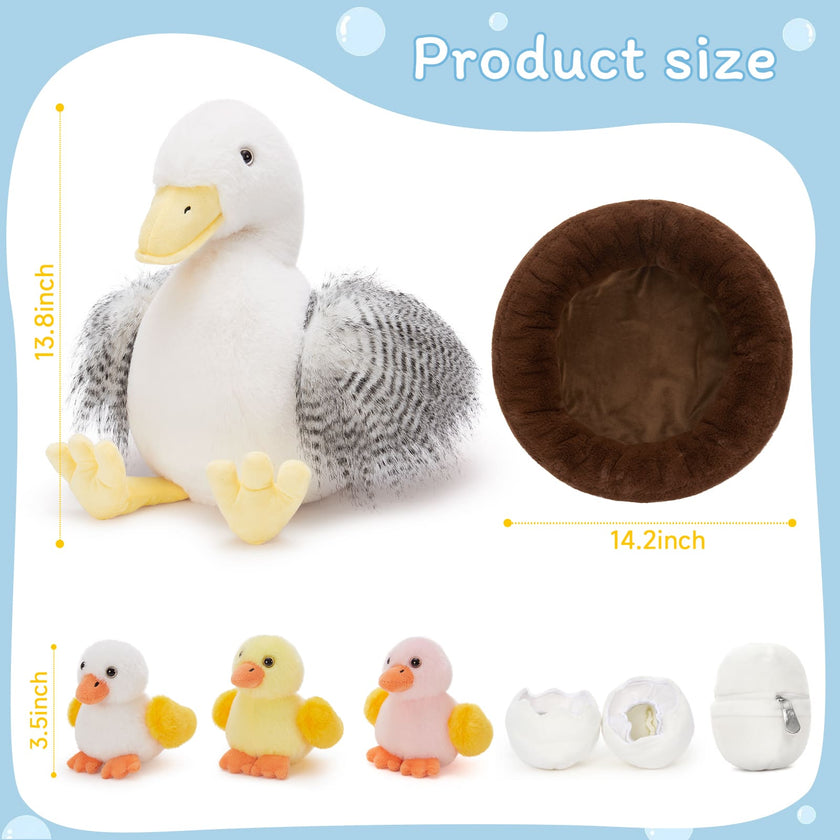
- A larger “parent” animal
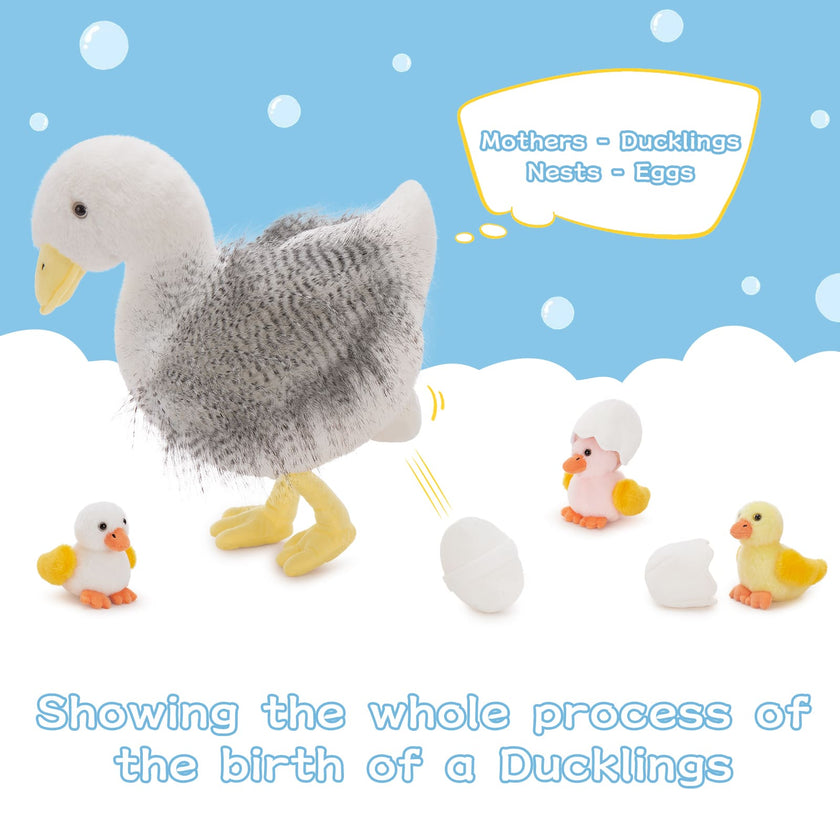
- One or more smaller baby plush toys hidden inside
- A removable or interactive storage system
This concept completely changed how children interact with plush toys.
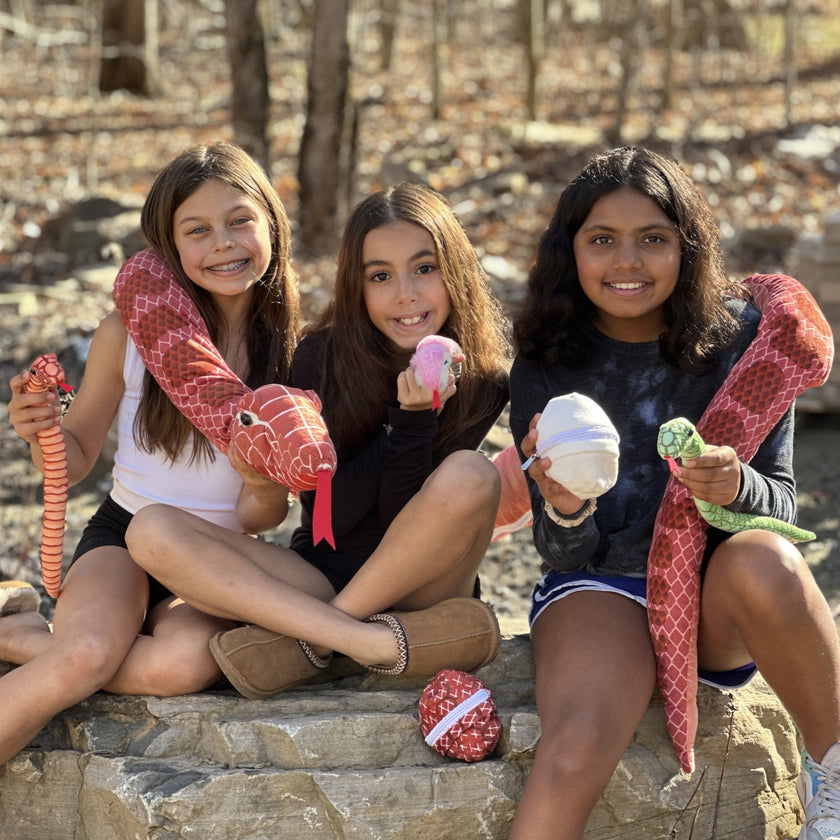
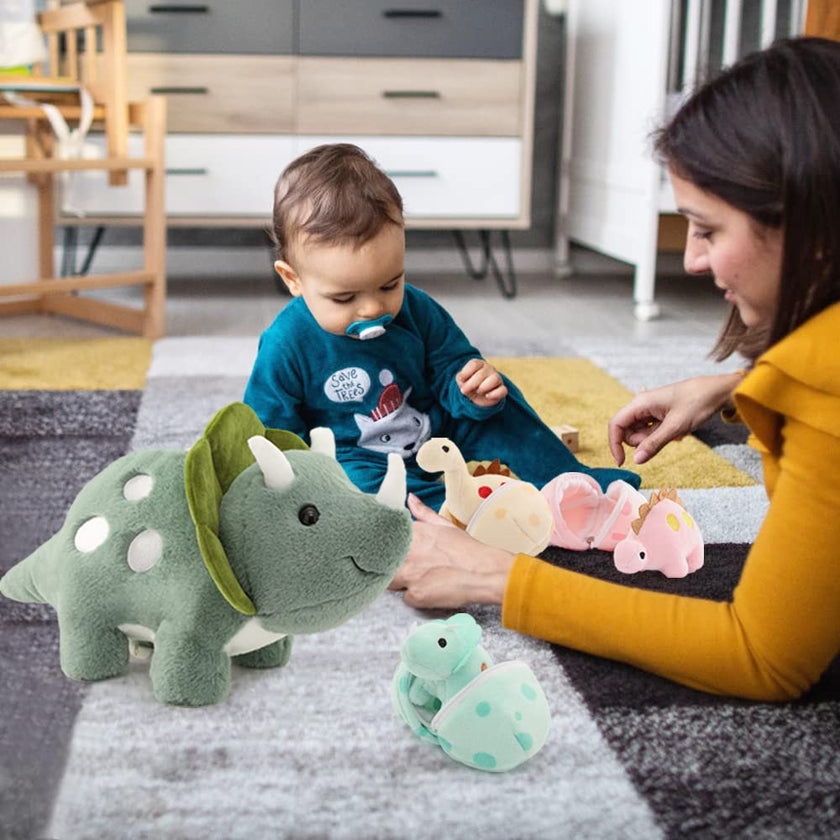
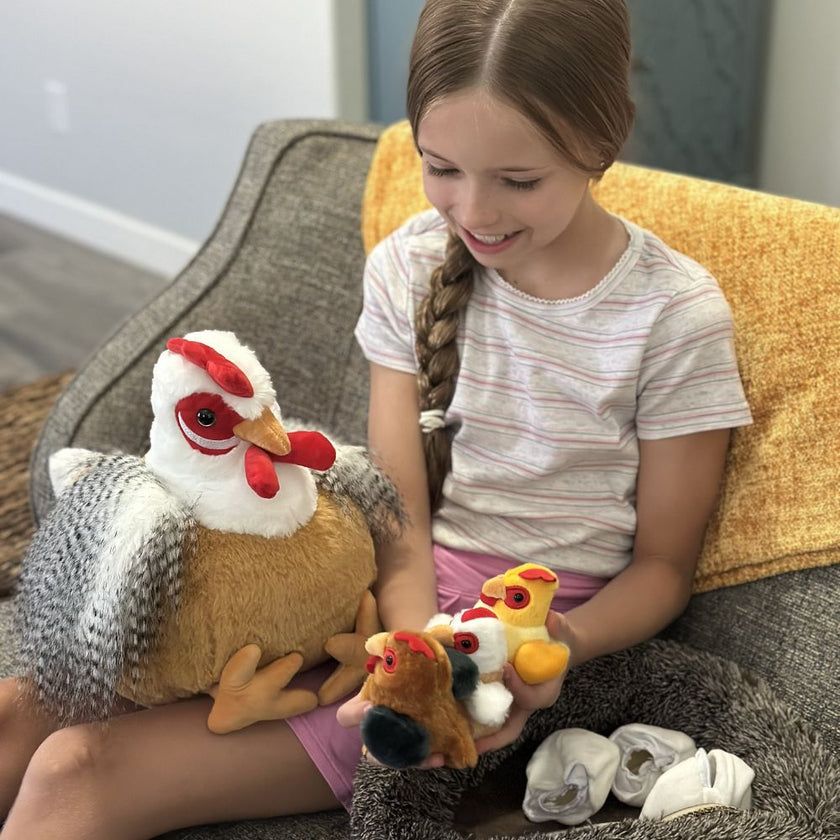
Instead of simply hugging a toy, they now:
- Discover hidden characters
- Rebuild families
- Engage in imaginative storytelling
The toy became an experience rather than an object.
5. Stuffed Animals with Babies Inside: A New Emotional Language in Toys
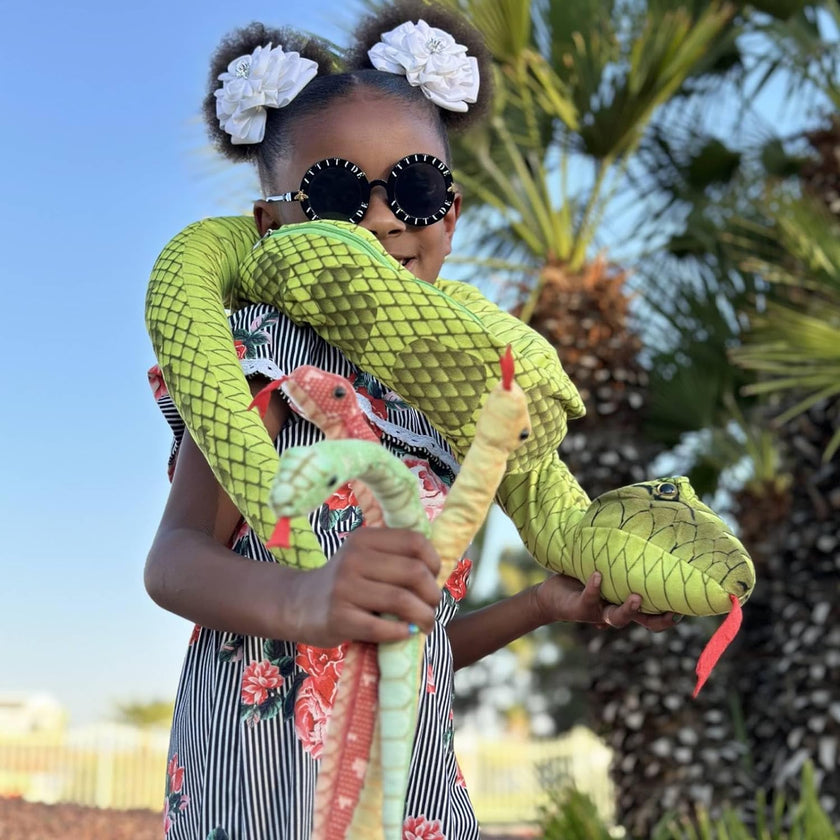
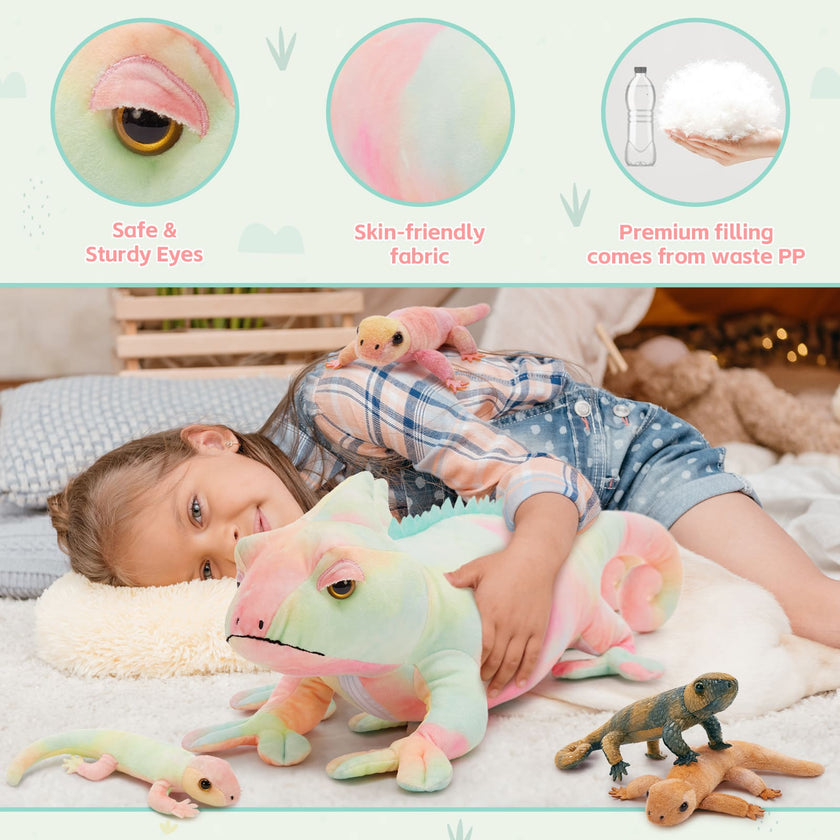
Among all modern plush innovations, stuffed animals with babies inside stand out as one of the most emotionally resonant.
These toys are built around a simple but powerful idea: family connection.
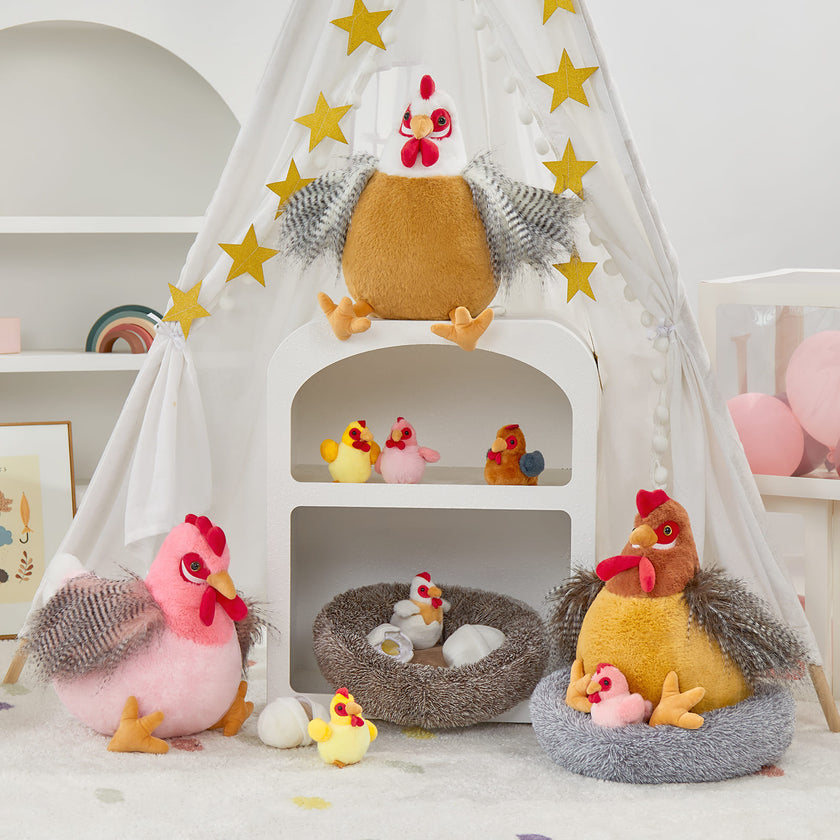
A mama animal carrying her babies inside creates an instant emotional narrative:
- Protection
- Care
- Love
- Belonging
Children naturally respond to this structure because it mirrors real-world family relationships in a soft, comforting way.
Instead of imagining a single character, kids now interact with:
- A parent figure
- Multiple baby characters
- A built-in story of care and bonding
This makes playtime more meaningful and emotionally engaging.
6. Why Interactive Plush Toys Became a Global Trend
The global popularity of interactive stuffed animals didn’t happen by accident. Several cultural and psychological factors contributed to their rise.
1. Demand for Emotional Comfort
In an increasingly fast-paced and digital world, both children and adults seek comfort objects that provide emotional grounding. Plush toys offer:
- Softness
- Safety
- Familiarity
- Emotional stability
Interactive plush toys amplify this by adding storytelling and connection.
2. The Rise of Experiential Play
Modern parenting trends emphasize learning through experience, not passive play. Toys that encourage interaction, imagination, and problem-solving are highly valued.
Stuffed animals with hidden babies:
- Encourage storytelling
- Promote creativity
- Support emotional learning
3. Social Media Influence
Platforms like TikTok, Instagram, and YouTube have played a major role in boosting plush toy popularity.
Videos showing:
- Surprise unboxings
- Hidden baby reveals
- Cute storytelling setups
…often go viral due to their emotional appeal.
The “aww” factor drives engagement, making these toys highly shareable.
4. Collectible Culture
Modern consumers love collectible sets, and plush toys fit perfectly into this trend. Families of animals, different color variations, and themed sets encourage repeat purchases.
7. The Educational Value of Interactive Plush Toys
Beyond entertainment, these toys offer real developmental benefits for children.
Emotional Intelligence
Children learn:
- Empathy
- Caregiving behavior
- Emotional recognition
By “caring” for baby animals, they practice nurturing skills.
Cognitive Development
Creating stories around plush families improves:
- Language skills
- Narrative thinking
- Memory development
- Motor Skills
Manipulating small plush toys inside compartments helps:
- Hand-eye coordination
- Fine motor control
- Spatial awareness
8. Design Innovation: How Plush Toys Keep Evolving
Modern plush toys are far more advanced than their early predecessors. Designers now focus on:
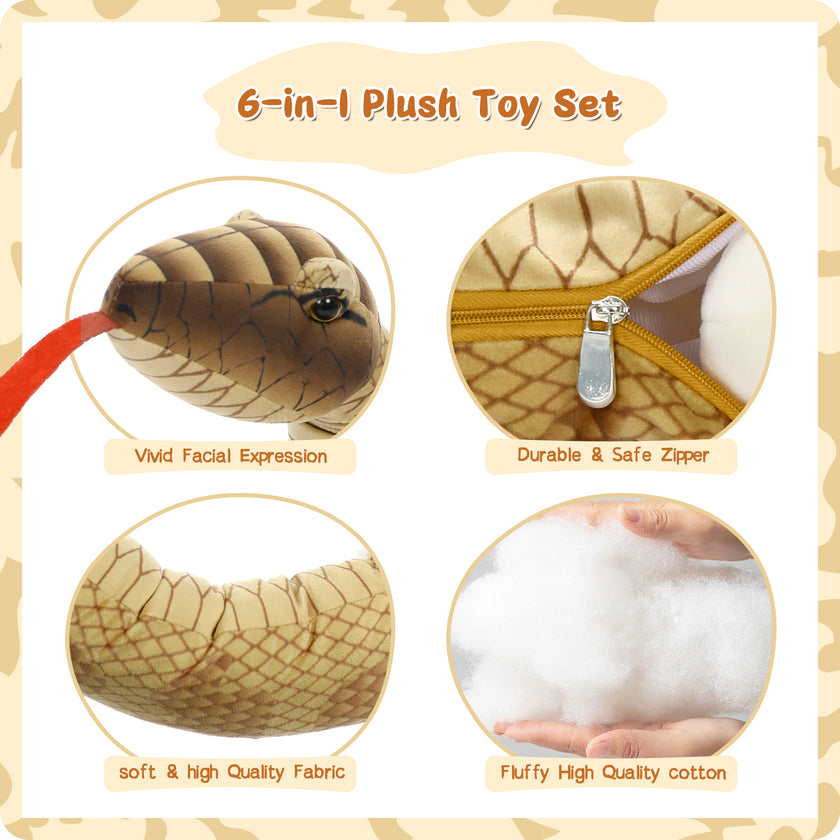
- Soft yet durable materials
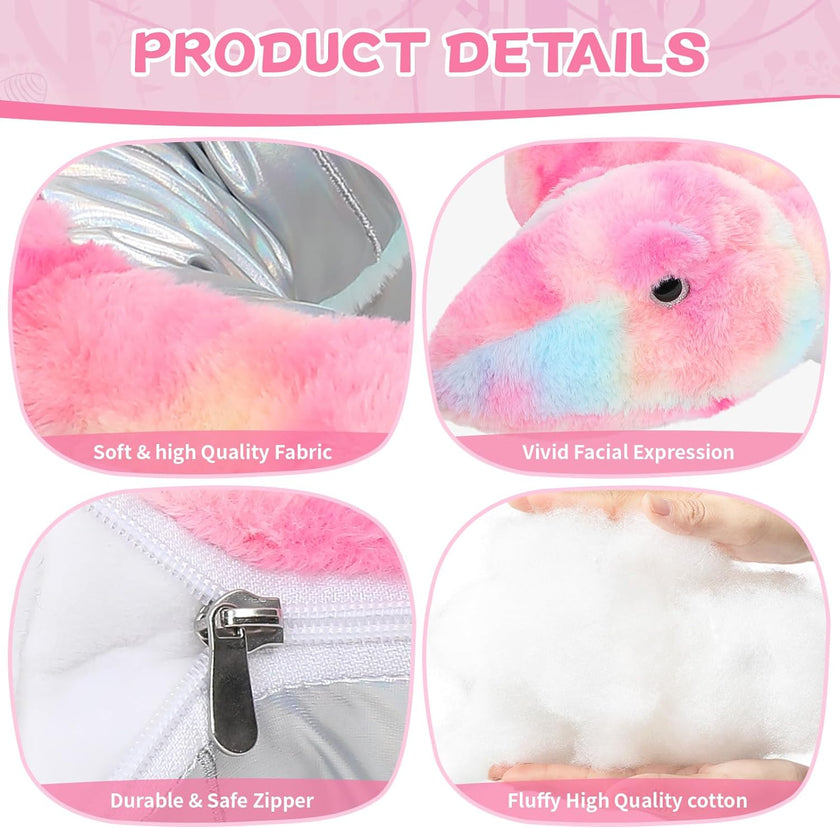
- Hidden mechanisms (zippers, velcro, pockets)
- Realistic but cute animal proportions
- Multi-piece family systems
- Themed storytelling collections
Some even incorporate:
- Light features
- Sound modules
- Reversible designs
- Modular plush systems
The goal is no longer just cuteness—it is interactive emotional engagement.
9. The Psychology Behind “Baby Inside” Designs
Why are toys with hidden babies so appealing?
It comes down to three psychological triggers:
1. Surprise Reward Mechanism
Discovering hidden elements activates excitement and curiosity.
2. Nurturing Instincts
Humans naturally respond to baby-like figures with care and affection.
3. Story Completion
The brain enjoys completing narratives. A parent animal and babies form a complete emotional story.
This combination makes the experience deeply satisfying.
10. The Future of Plush Toys: Where Is the Industry Heading?
The evolution of plush toys is far from over. Future trends are likely to include:
Smart Interactive Plush Toys
Integration with apps, sensors, and voice interaction.
Personalized Plush Families
Customizable animals, names, and family structures.
Eco-Friendly Materials
Sustainable fabrics and recyclable stuffing.
Advanced Storytelling Systems
Plush toys that guide children through structured imaginative play.
Despite all technological advancements, the core will remain the same: emotional connection through softness and imagination.
Final Thoughts
The journey of plush toys—from simple stuffed animals to interactive stuffed animals with babies inside—reflects a broader shift in how we view play, emotion, and storytelling.
What began as basic comfort objects has evolved into rich, interactive experiences that combine:
- Emotional bonding
- Educational value
- Creative storytelling
- Global cultural appeal
Stuffed animals with babies inside represent the latest and most charming chapter in this evolution. They are not just toys—they are tiny worlds of love, surprise, and imagination.
As the toy industry continues to innovate, one thing is certain: the emotional power of a soft, cuddly companion will never go out of style.