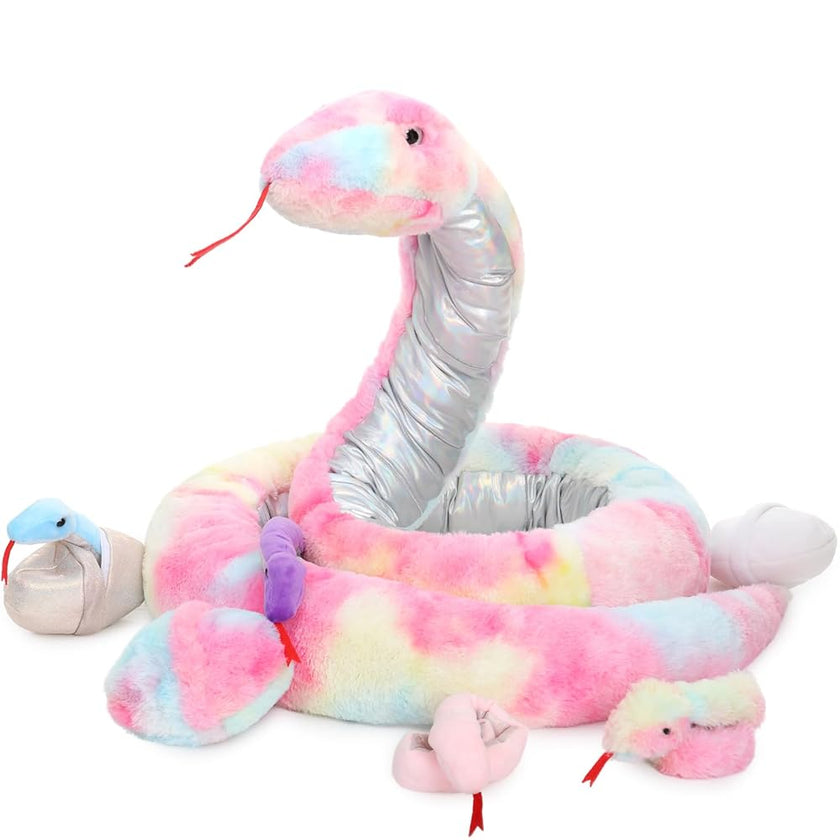
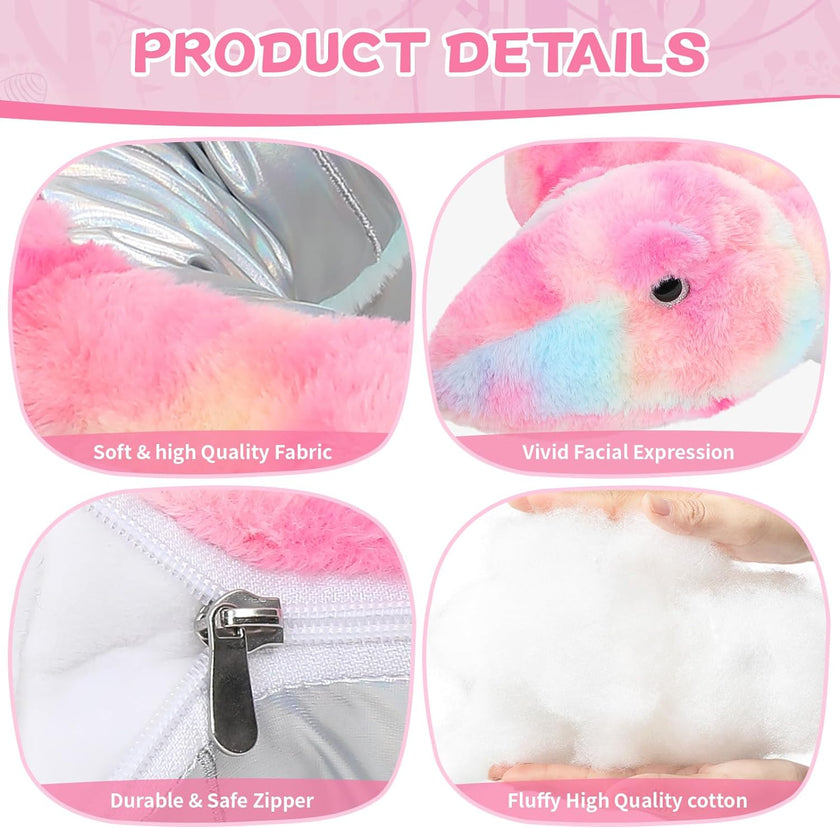
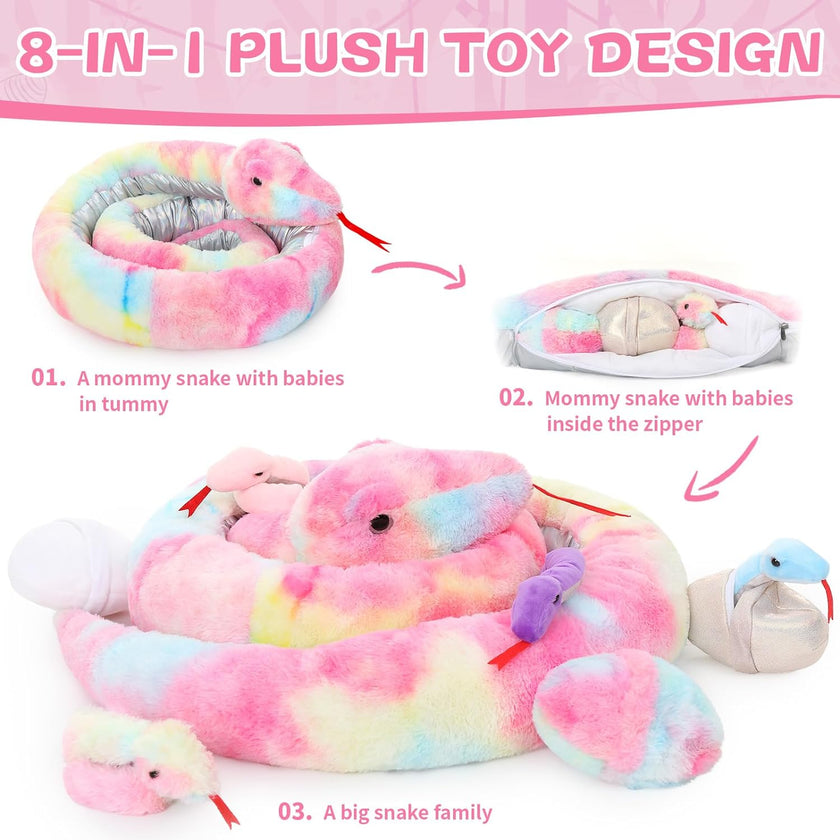
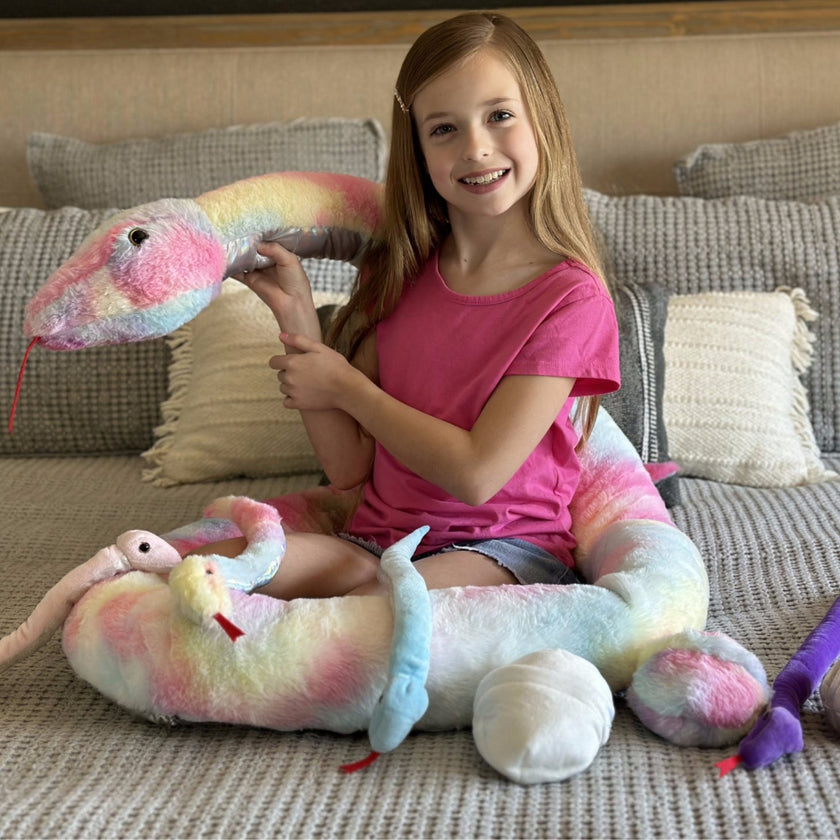
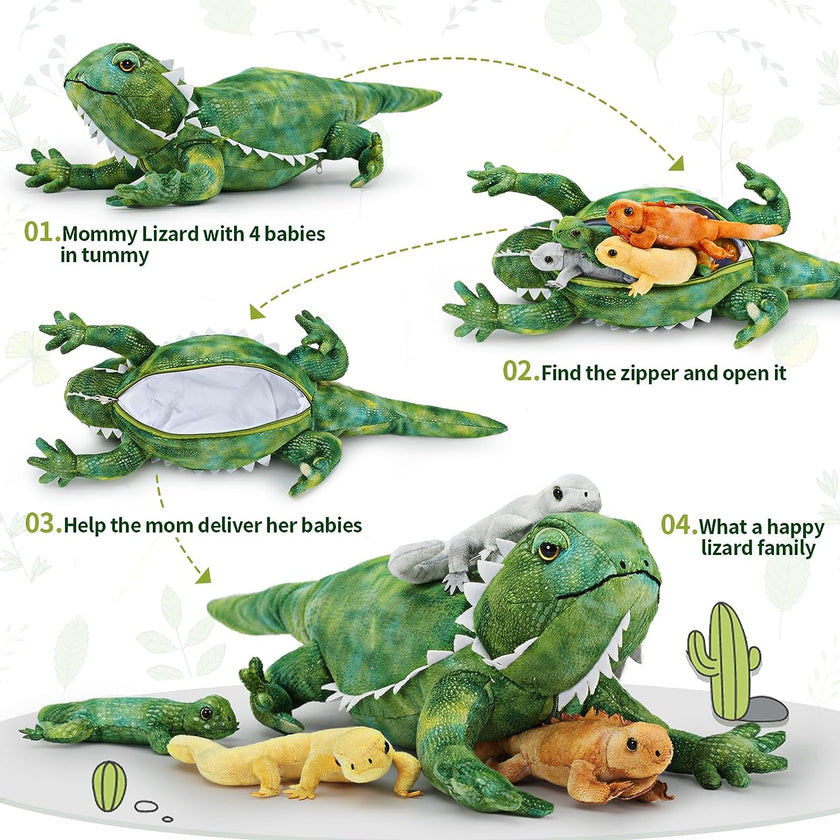
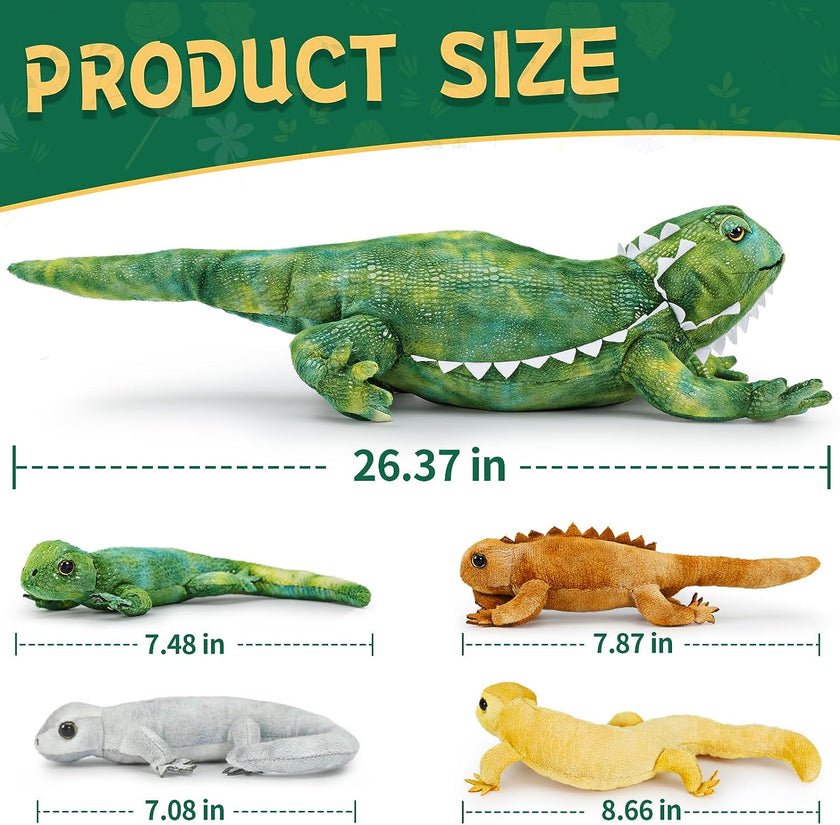
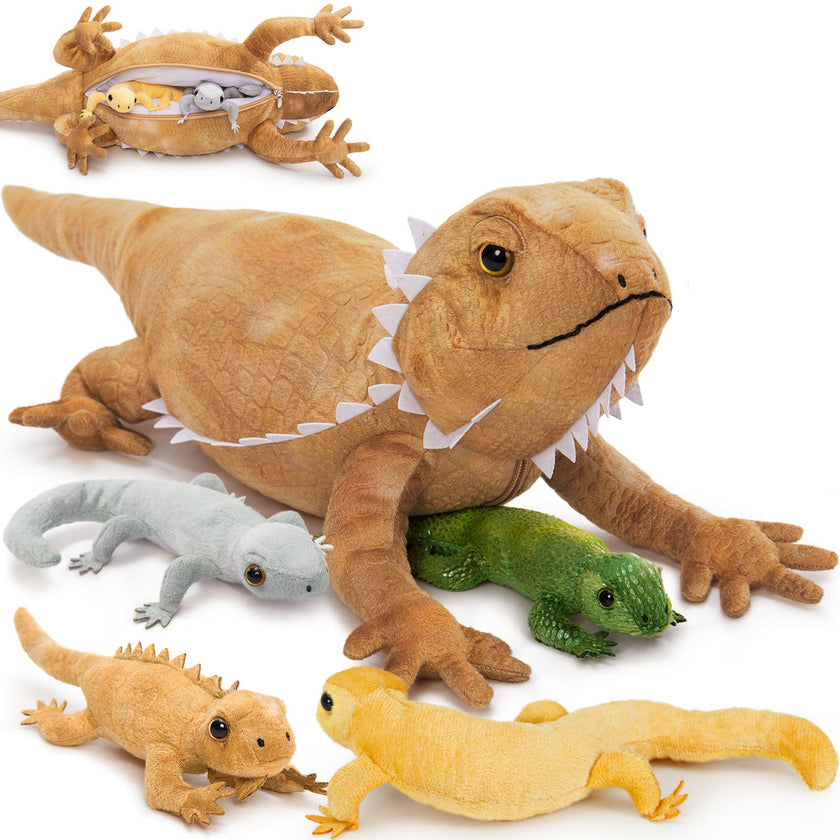
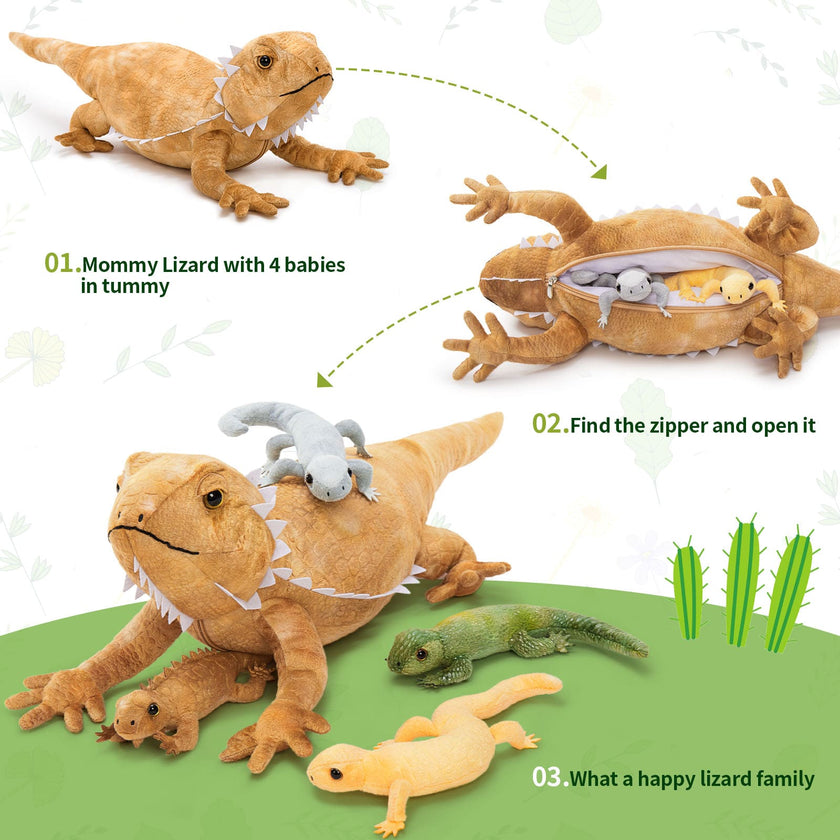
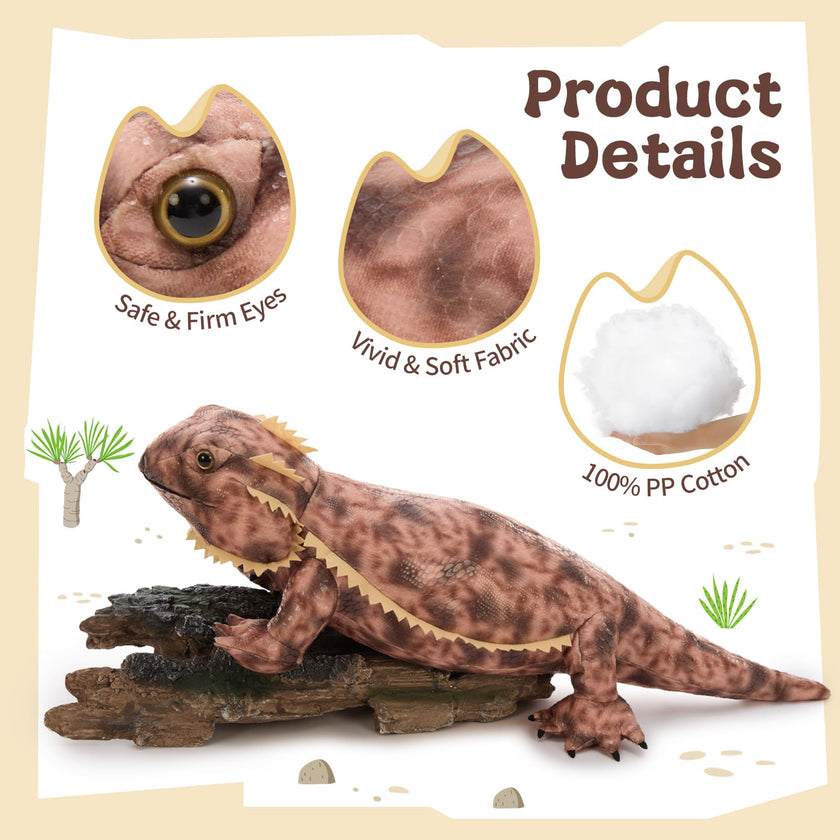
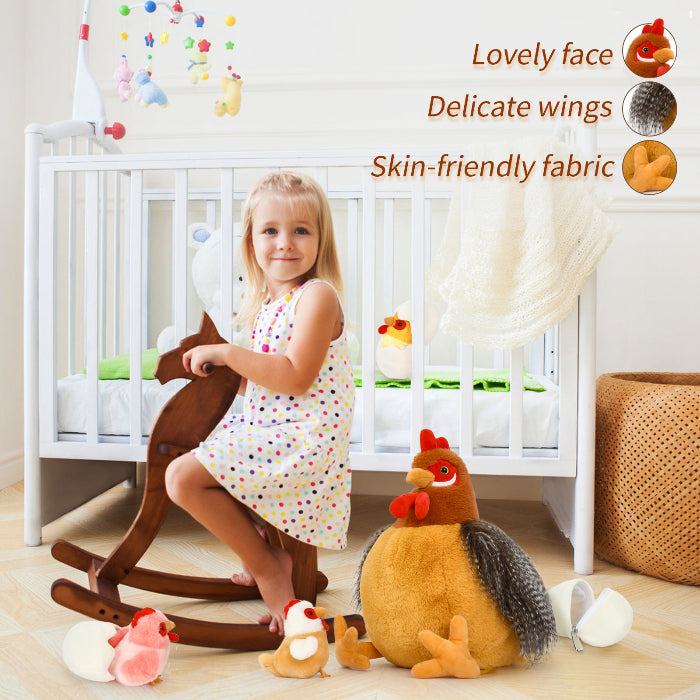
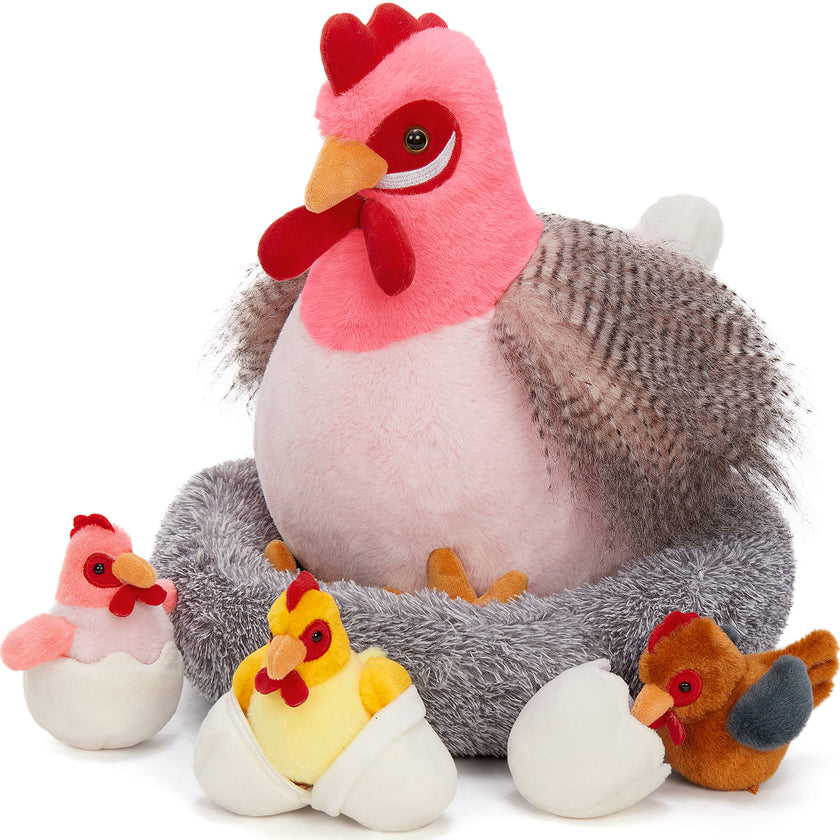
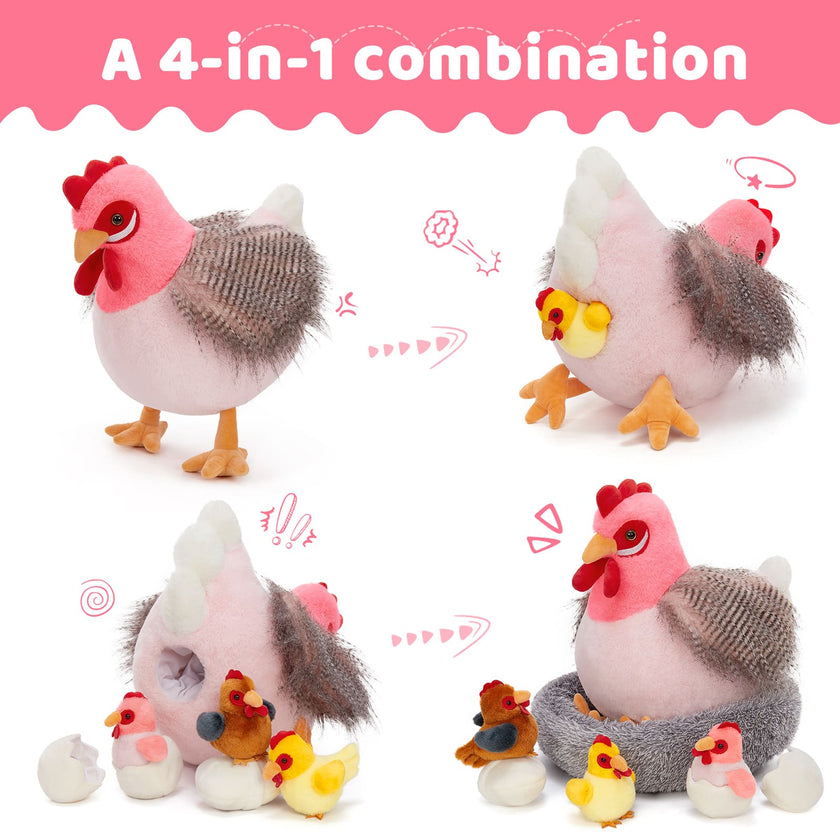
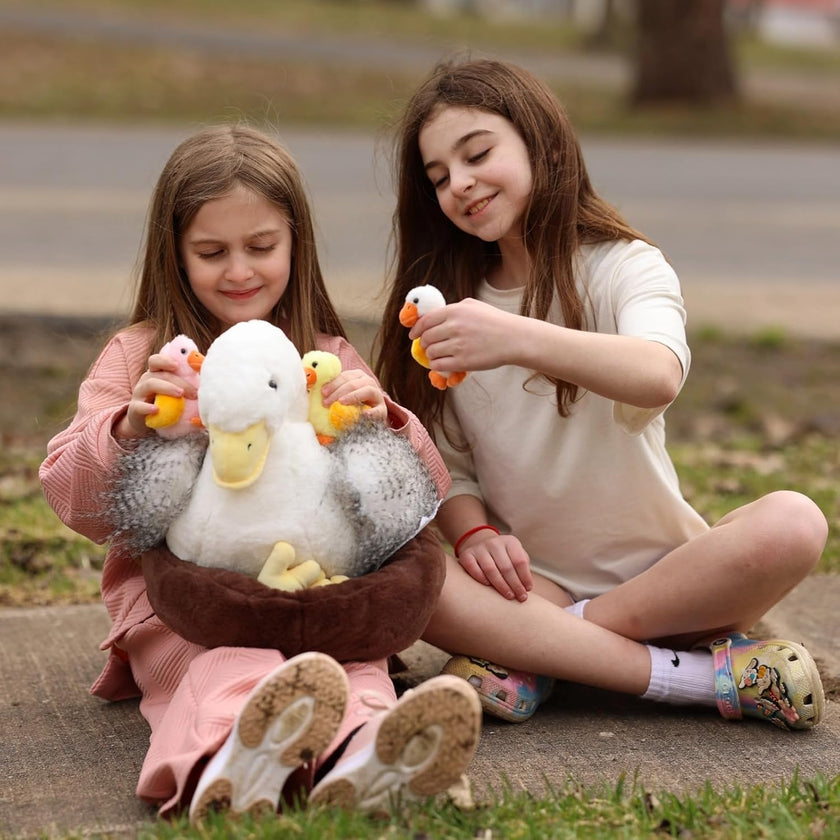
Stuffed animals are soft, comforting, and loved by people of all ages—but if you or your child has allergies, you might be wondering: are stuffed animals hypoallergenic? The answer isn’t as simple as yes or no. In this in-depth guide, we’ll break down everything you need to know, including materials, allergens, cleaning tips, and how to choose the best hypoallergenic stuffed animals for a safe and cozy experience.
🧸 What Does “Hypoallergenic Stuffed Animal” Really Mean?
The term “hypoallergenic stuffed animal” refers to plush toys designed to minimize the risk of allergic reactions. However, it’s important to understand that no stuffed animal is 100% allergen-proof. Instead, hypoallergenic plush toys are made with materials and processes that reduce common triggers like:
- Dust mites
- Pet dander
- Mold
- Chemical irritants
- Synthetic dyes
🤧 Common Allergens Found in Stuffed Animals
Even the cutest plush toys can collect allergens over time. Here are the most common culprits:
1. Dust Mites
Dust mites are microscopic organisms that thrive in soft surfaces like plush toys. They are one of the top causes of indoor allergies.
2. Pet Dander
If you have pets, their dander can stick to stuffed animals, triggering allergic reactions.
3. Mold & Mildew
Moist environments can lead to mold growth inside plush toys—especially if they aren’t dried properly after washing.
4. Synthetic Materials & Chemicals
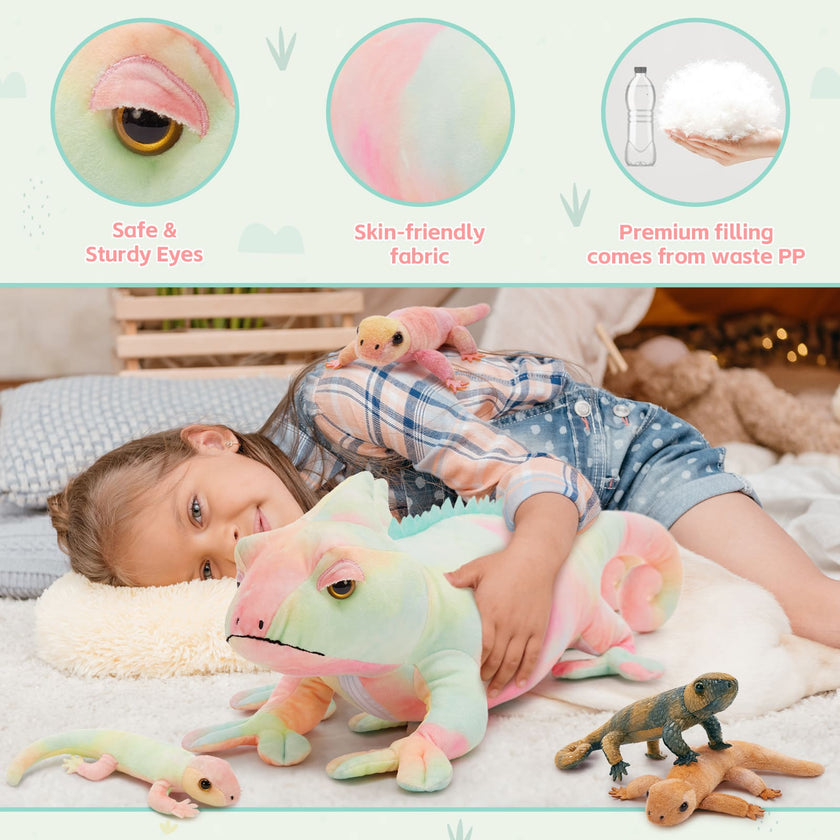
Some plush toys are made with low-quality fabrics or treated with chemicals that may irritate sensitive skin.
✅ What Makes a Stuffed Animal Hypoallergenic?
If you’re shopping for hypoallergenic plush toys, look for these key features:
🌿 1. High-Quality Materials
- Organic cotton
- Bamboo fibers
- Hypoallergenic polyester
🧵 2. Tight Stitching & Durable Fabric
Tightly woven fabrics prevent dust mites and allergens from settling inside.
🚫 3. Non-Toxic & Chemical-Free
Look for labels like:
- BPA-free
- Dye-free
- Non-toxic
🧼 4. Machine Washable Design
Easy cleaning is essential for reducing allergens.
👶 Are Hypoallergenic Stuffed Animals Safe for Babies?
Yes—hypoallergenic stuffed animals for babies are generally safe and recommended, especially when they are:
- Made with soft, breathable fabrics
- Free from small parts
- Certified non-toxic
- Easy to wash
💡 Tip: Always choose plush toys labeled baby-safe stuffed animals for infants.
🧽 How to Make Stuffed Animals More Allergy-Friendly
Even if your plush toys aren’t labeled hypoallergenic, you can still reduce allergens with proper care.
🧺 1. Wash Regularly
Wash stuffed animals every 1–2 weeks using a gentle detergent.
❄️ 2. Freeze to Kill Dust Mites
Place the stuffed animal in a sealed bag and freeze it for 24 hours.
☀️ 3. Air Dry Completely
Make sure plush toys are fully dry to prevent mold growth.
🧹 4. Vacuum or Lint Roll
Quick cleaning between washes helps remove dust and dander.
🛒 How to Choose the Best Hypoallergenic Stuffed Animals
When shopping for the best allergy-friendly plush toys, keep these tips in mind:
✔️ Look for Certifications
OEKO-TEX®
GOTS (Global Organic Textile Standard)
✔️ Choose Simple Designs
Fewer seams and accessories = fewer places for allergens to hide.
✔️ Avoid Long Fur Fabrics
Short, smooth fabrics are easier to clean and less likely to trap allergens.
💡 Are Synthetic or Natural Materials Better?
This depends on the individual:
- Natural materials (cotton, bamboo) → great for sensitive skin
- High-quality synthetic fibers → resistant to dust mites and easier to clean
🧸 Why Hypoallergenic Plush Toys Are Worth It
Investing in hypoallergenic stuffed animals offers several benefits:
- Reduced allergy symptoms
- Safer for babies and sensitive users
- Easier maintenance
- Longer-lasting quality
🌟 Final Thoughts
So, are stuffed animals hypoallergenic?
Not all of them—but with the right materials, proper care, and smart shopping choices, you can absolutely find stuffed animals that are safe for allergy sufferers.
Whether you’re buying for a child, a loved one, or yourself, choosing high-quality, washable, and non-toxic plush toys makes a big difference in both comfort and health.