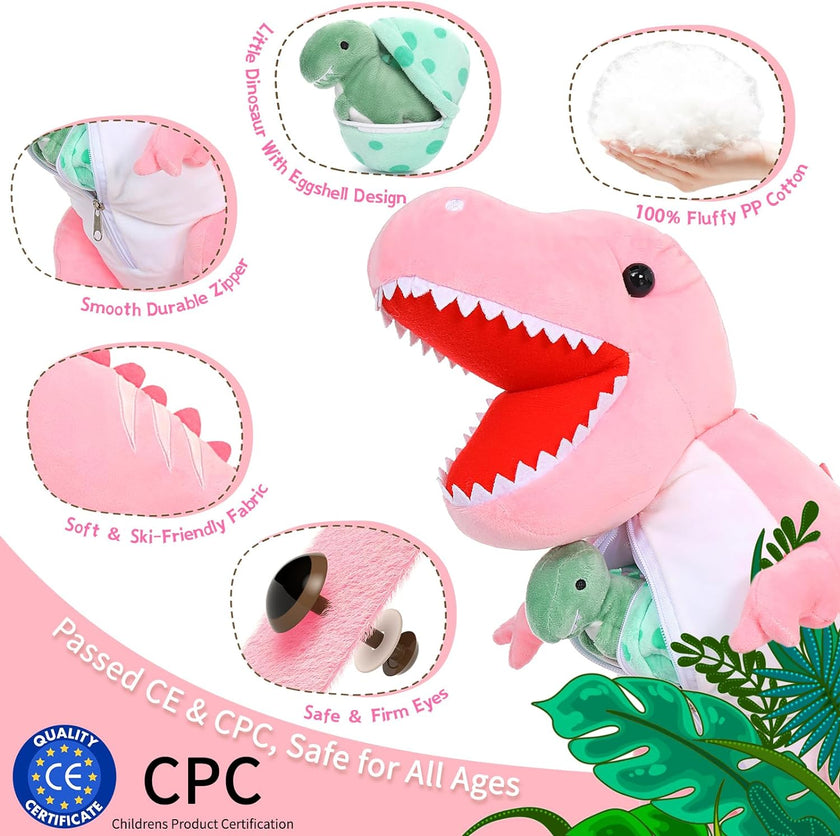
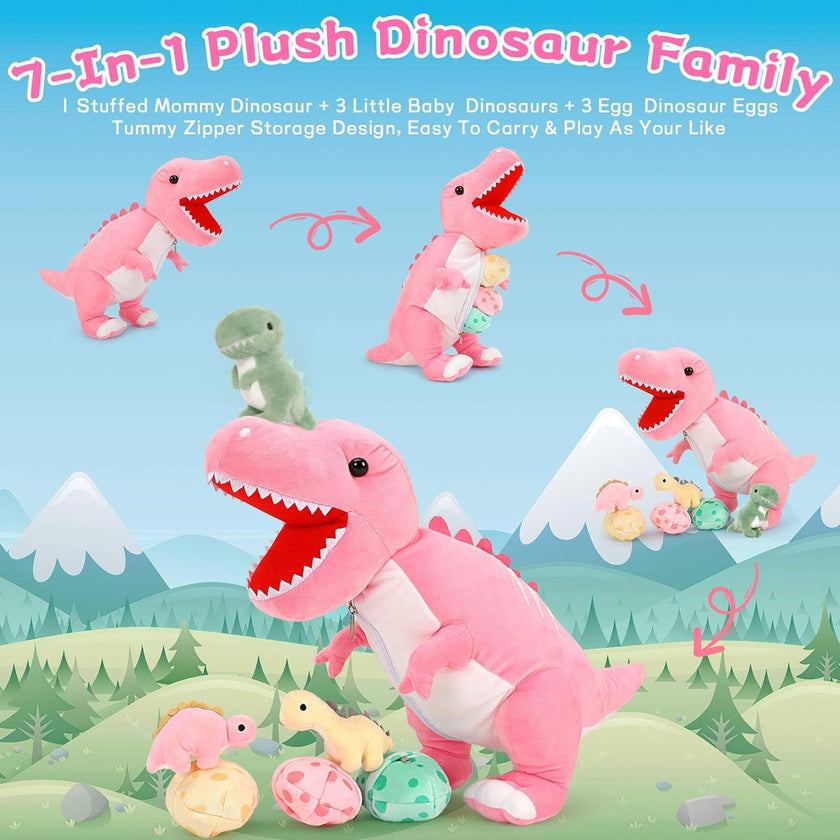
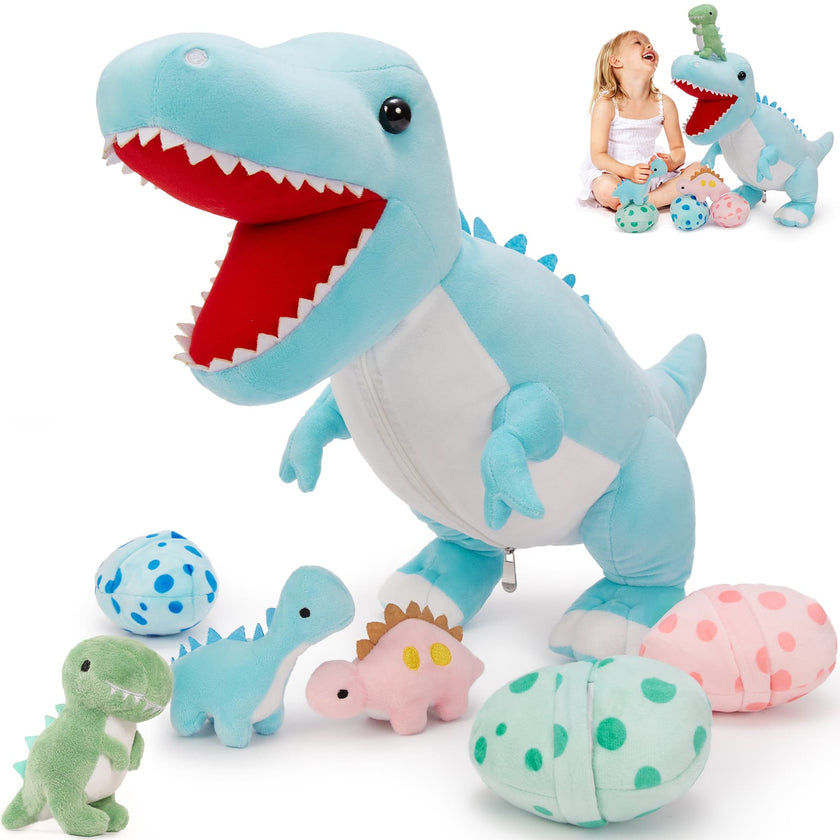
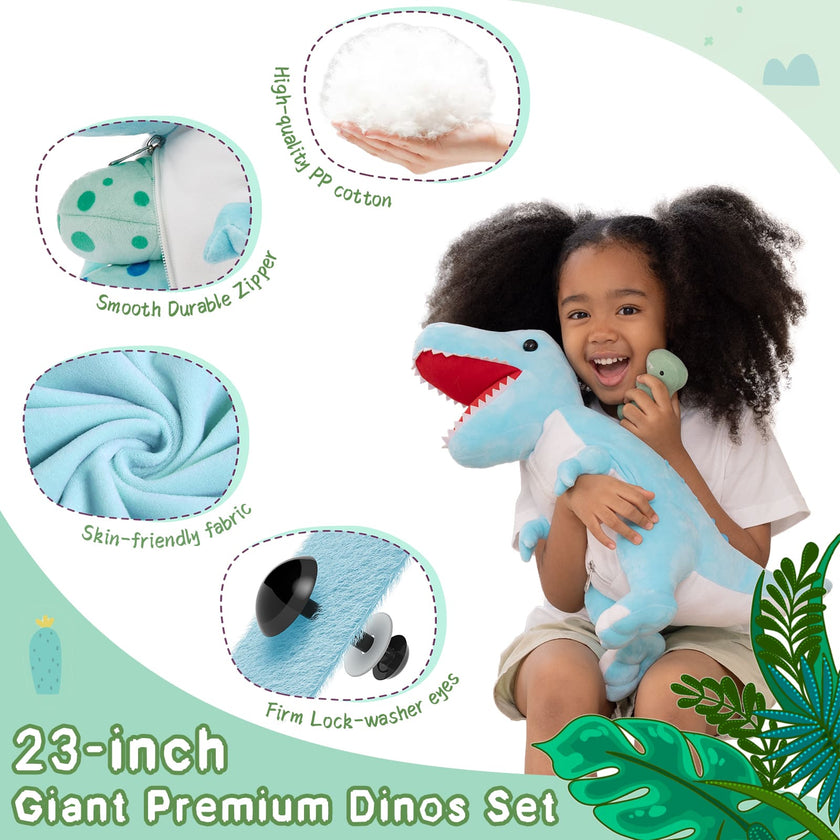
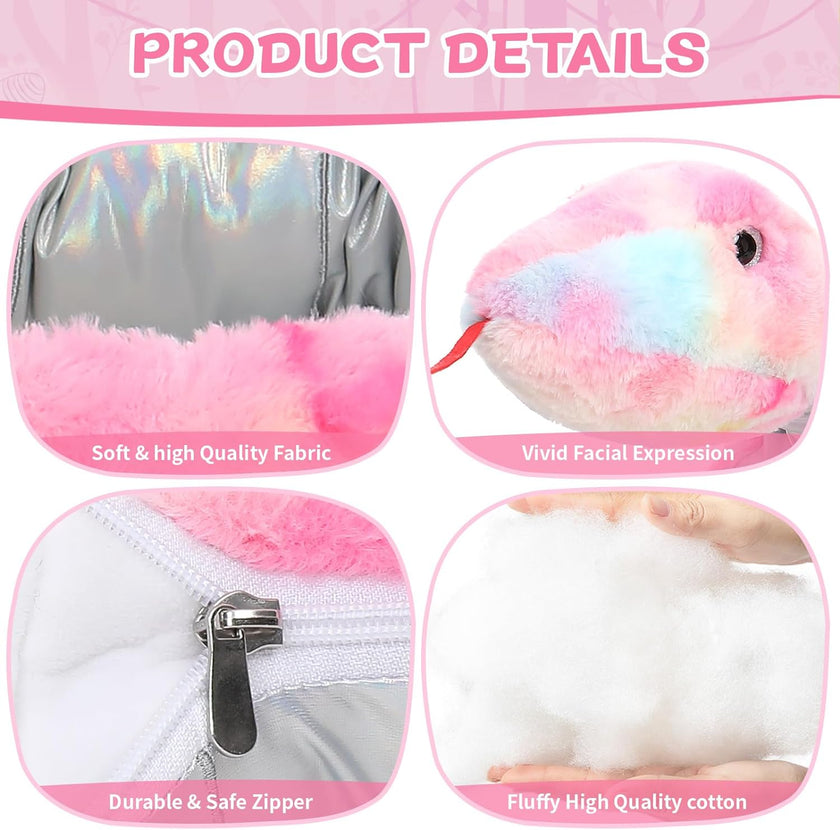
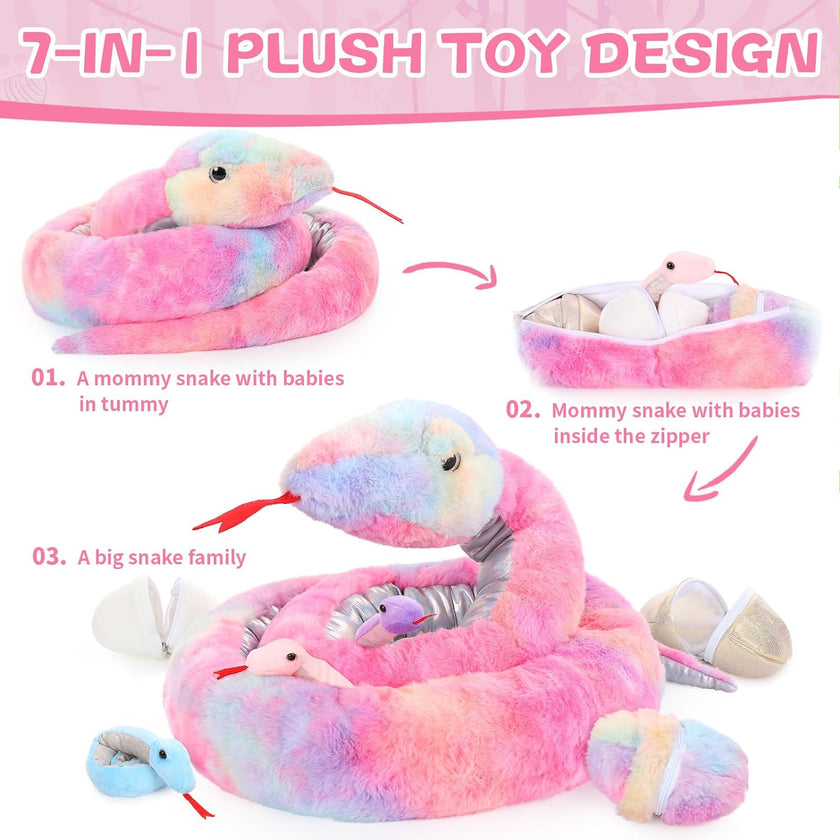
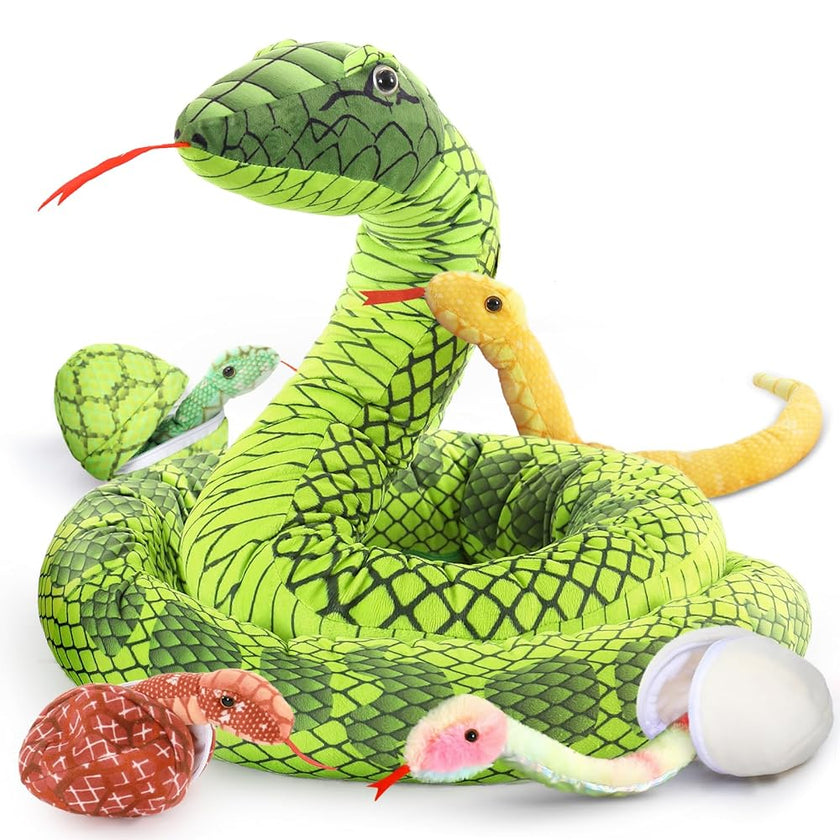
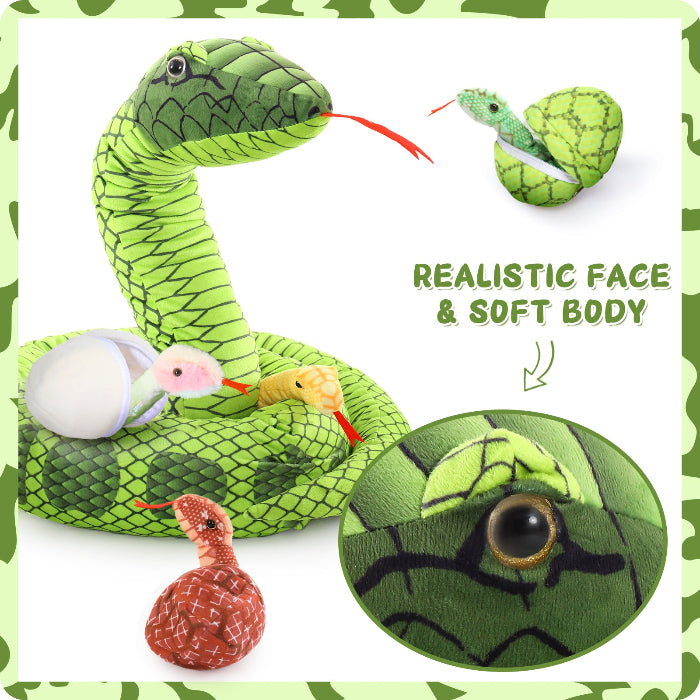
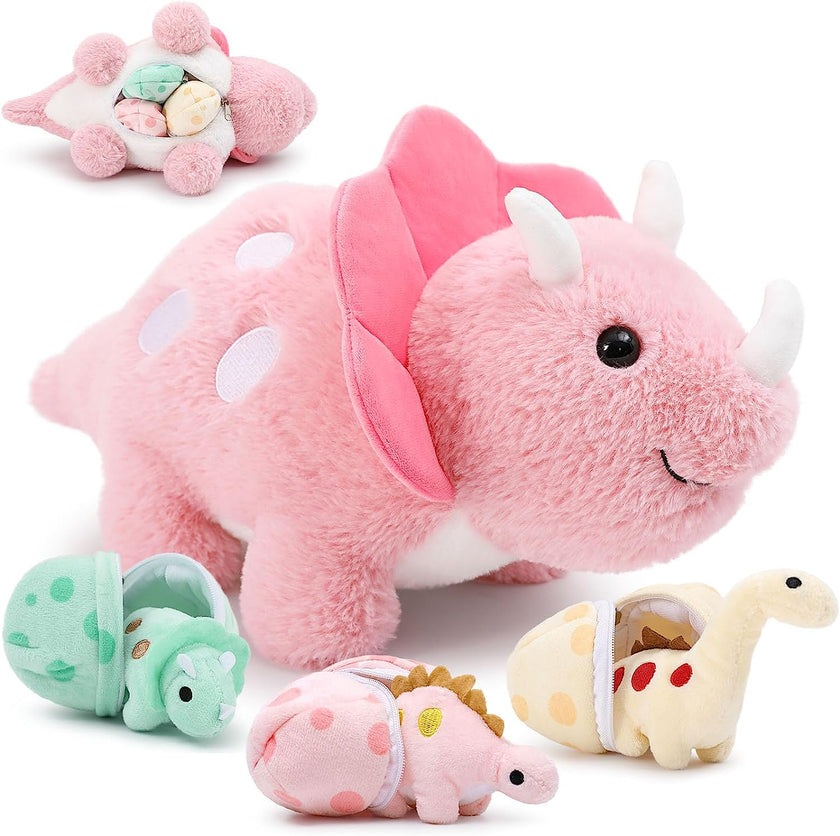
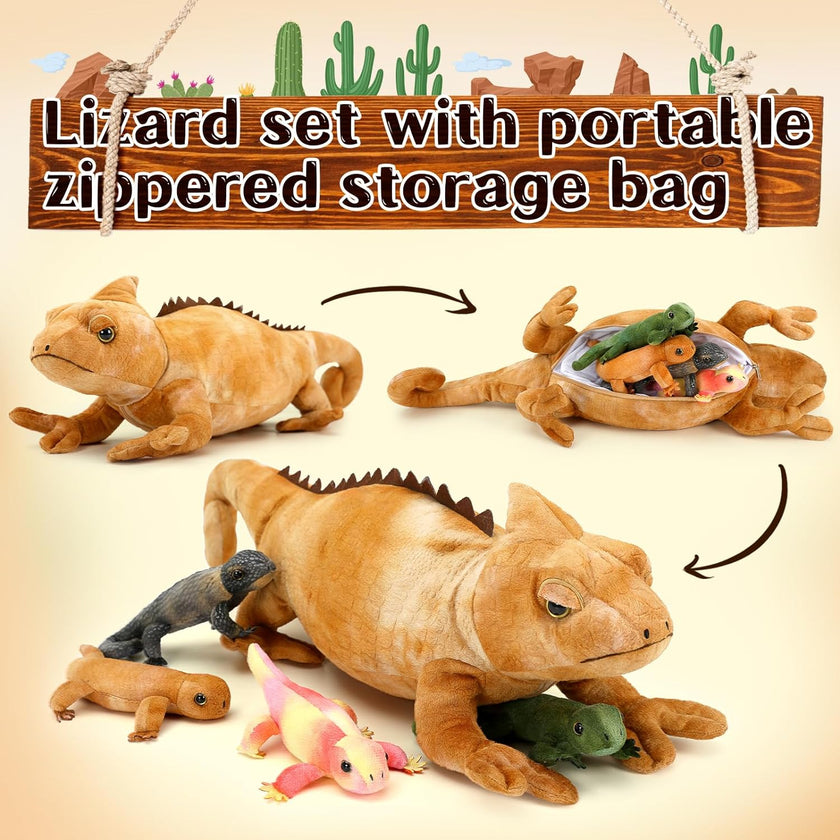
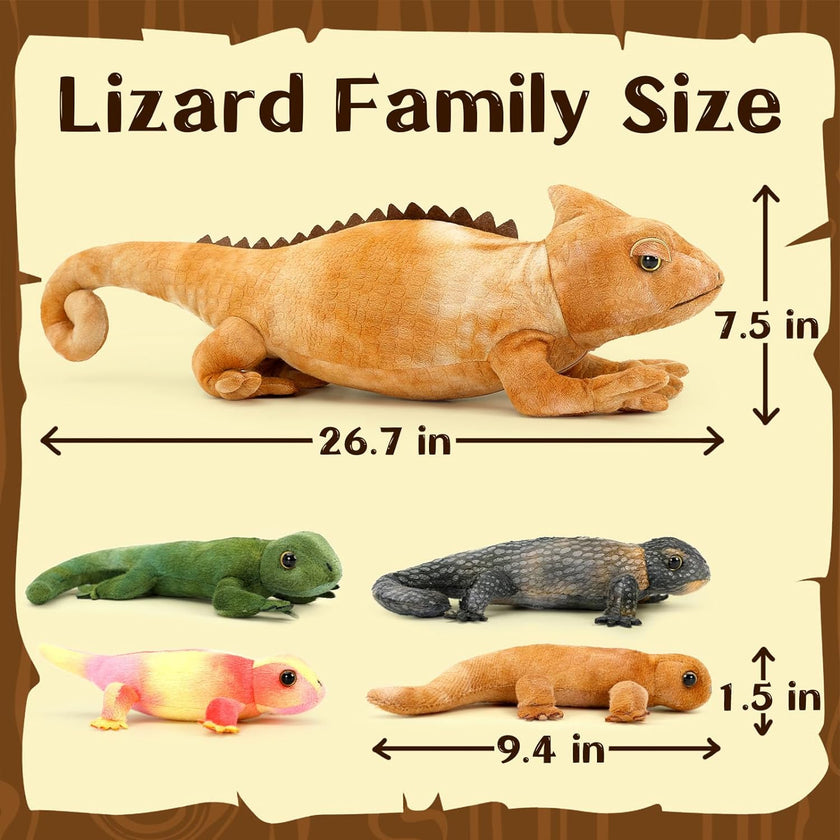
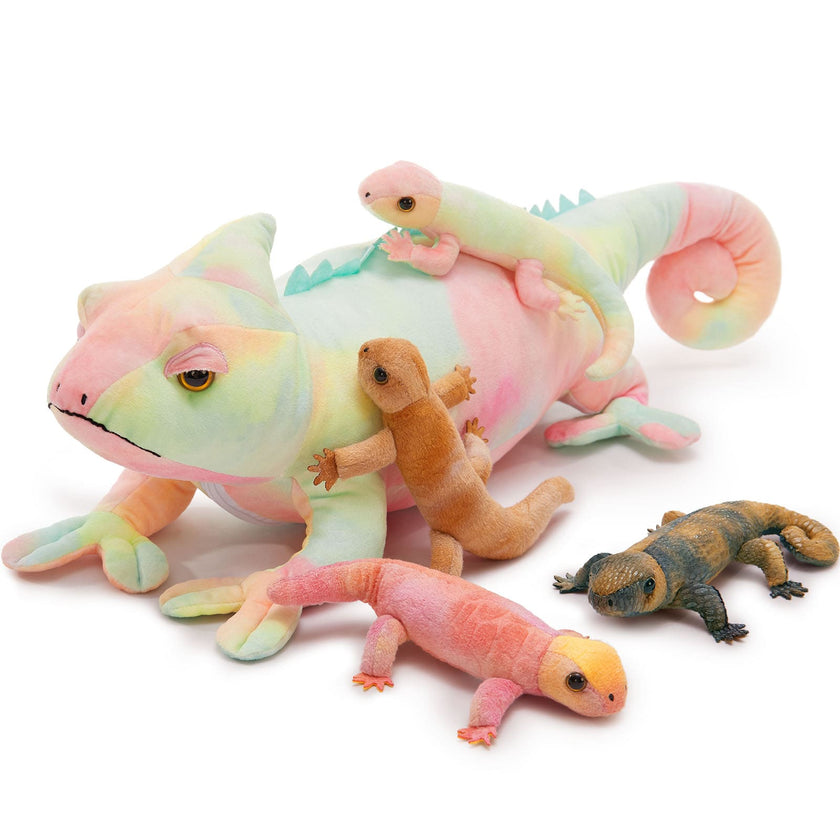
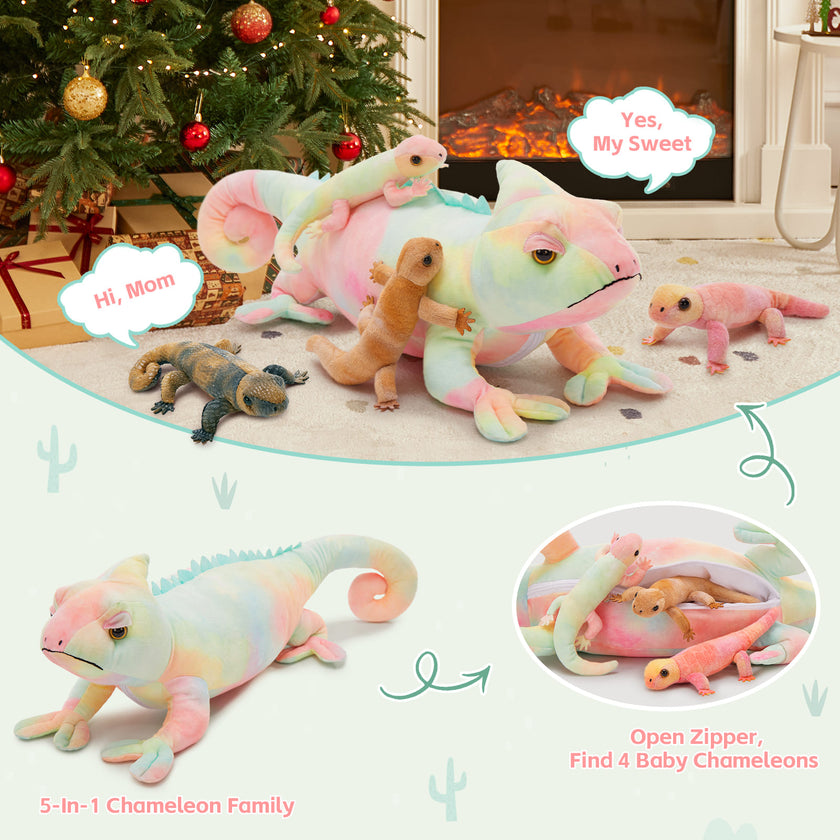
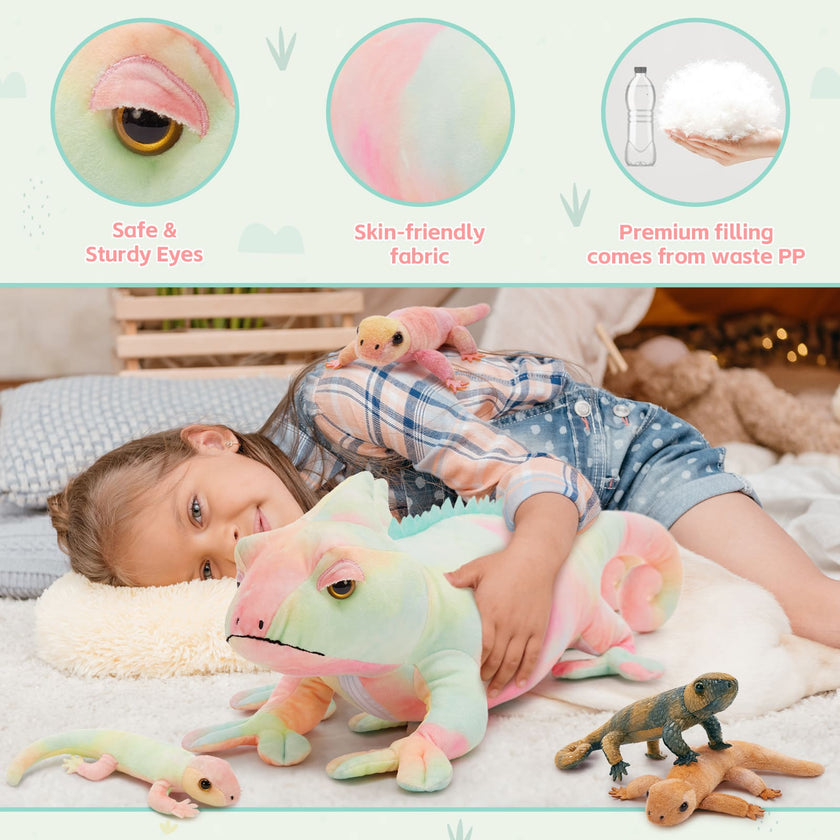
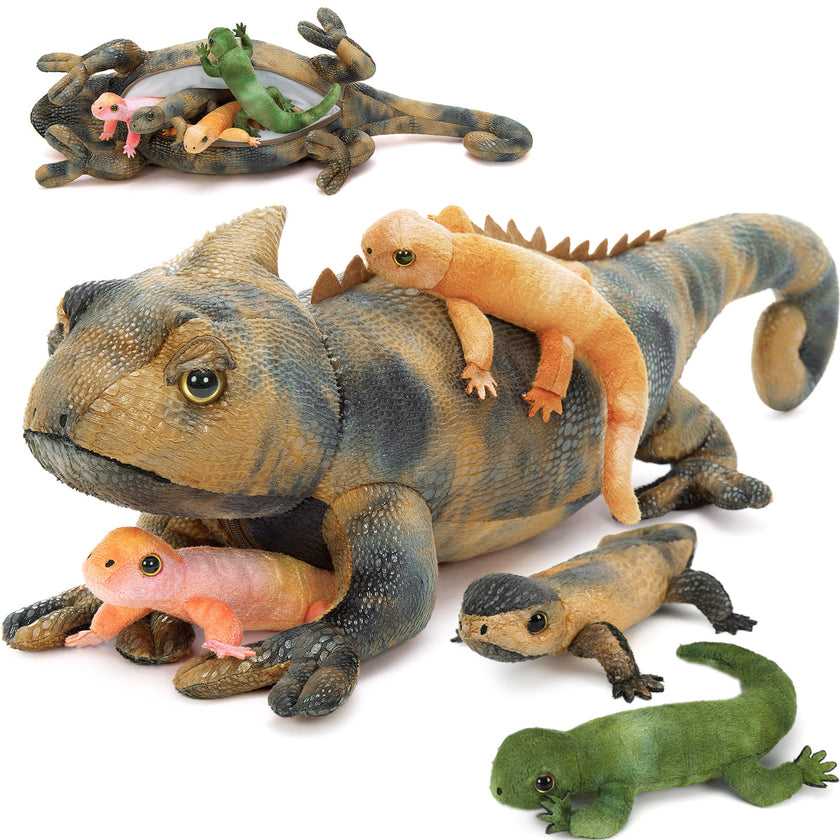
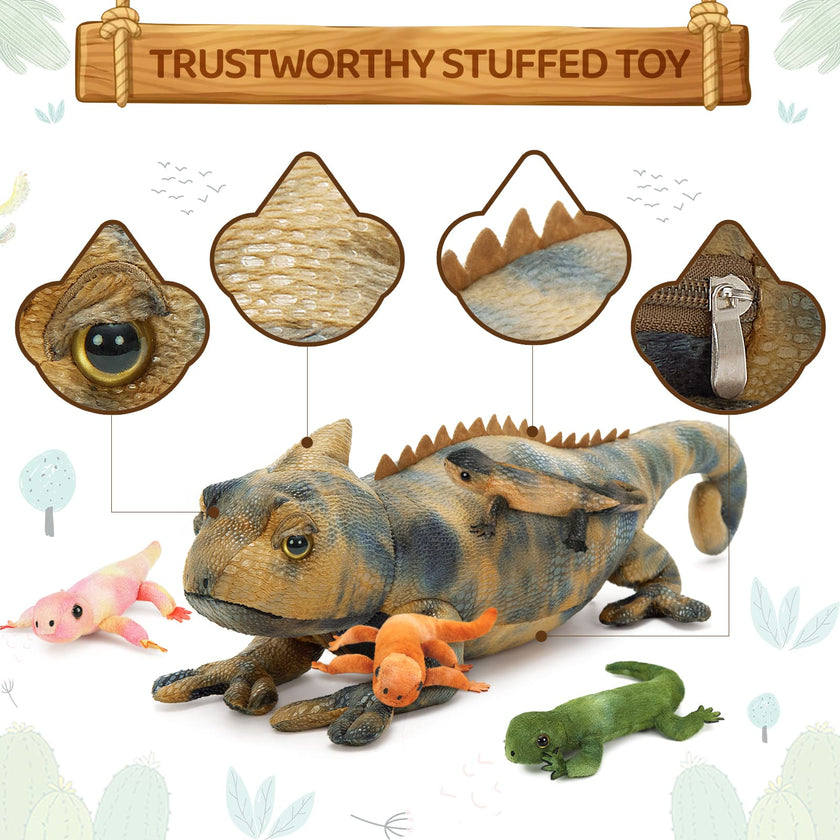
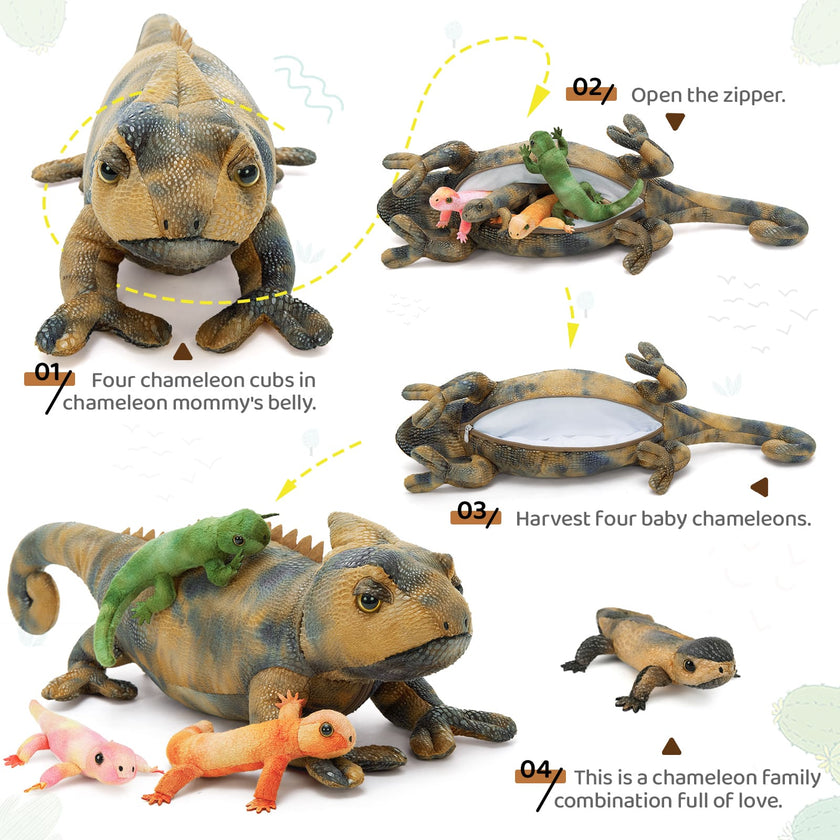
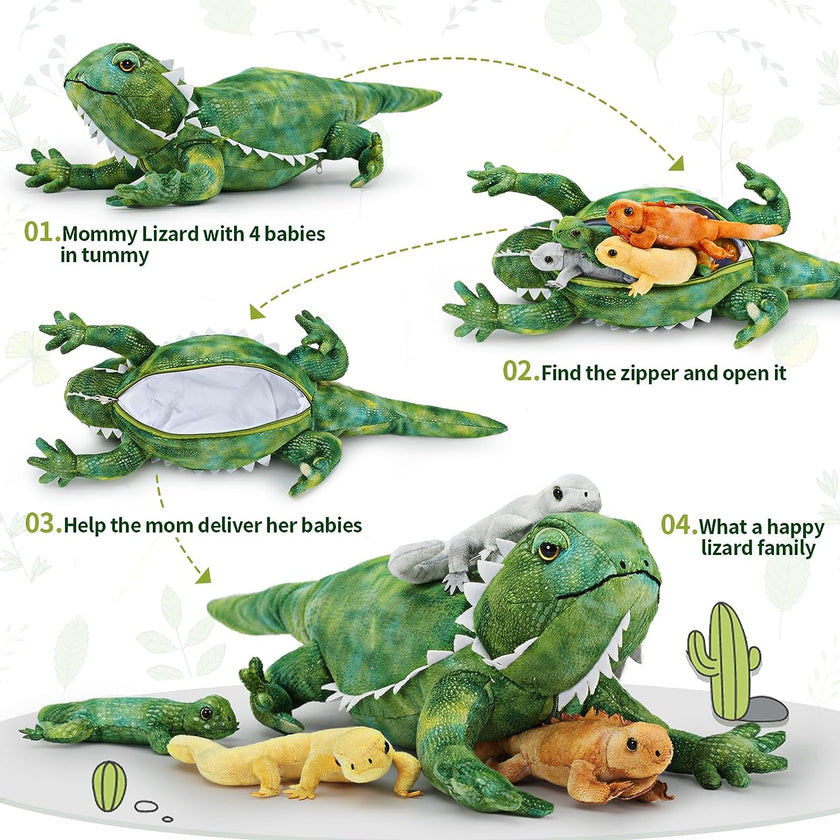
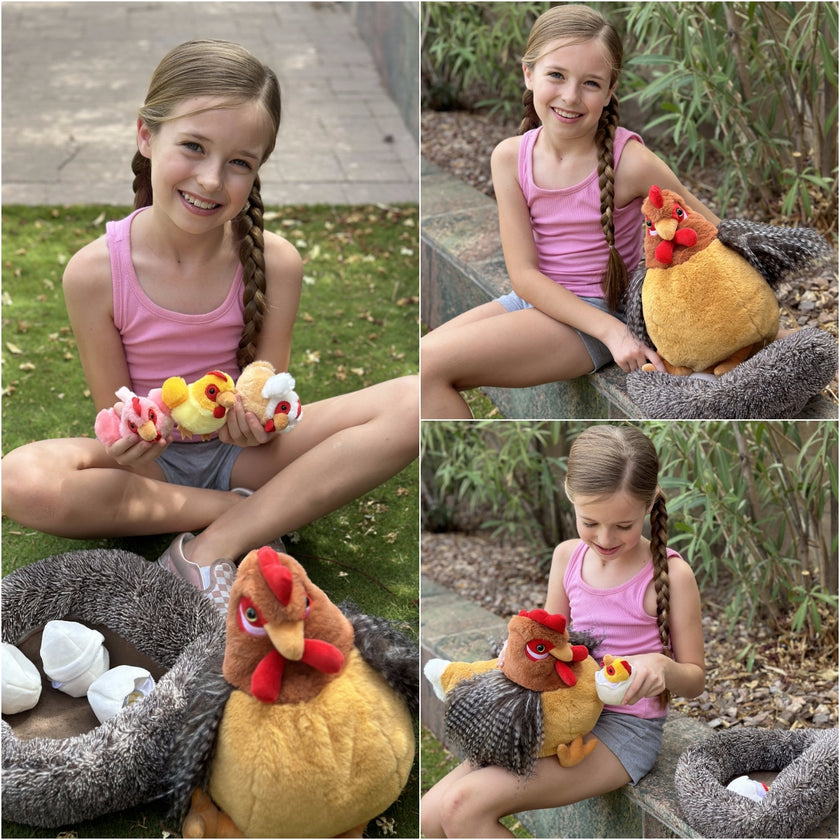
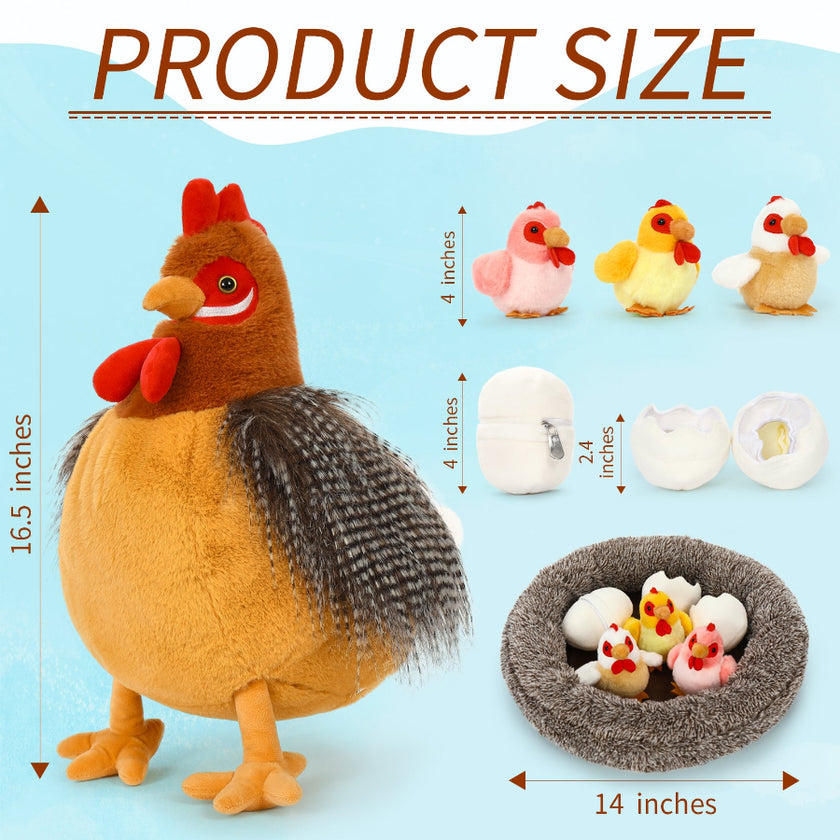
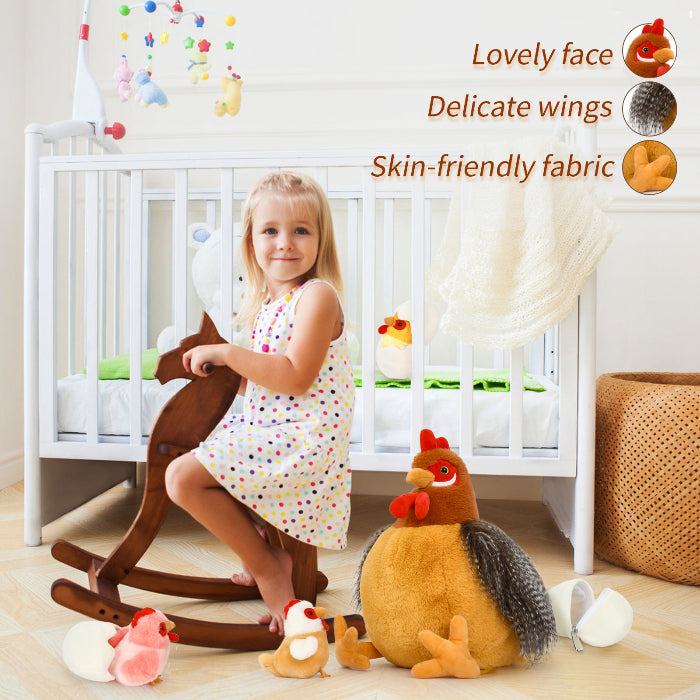
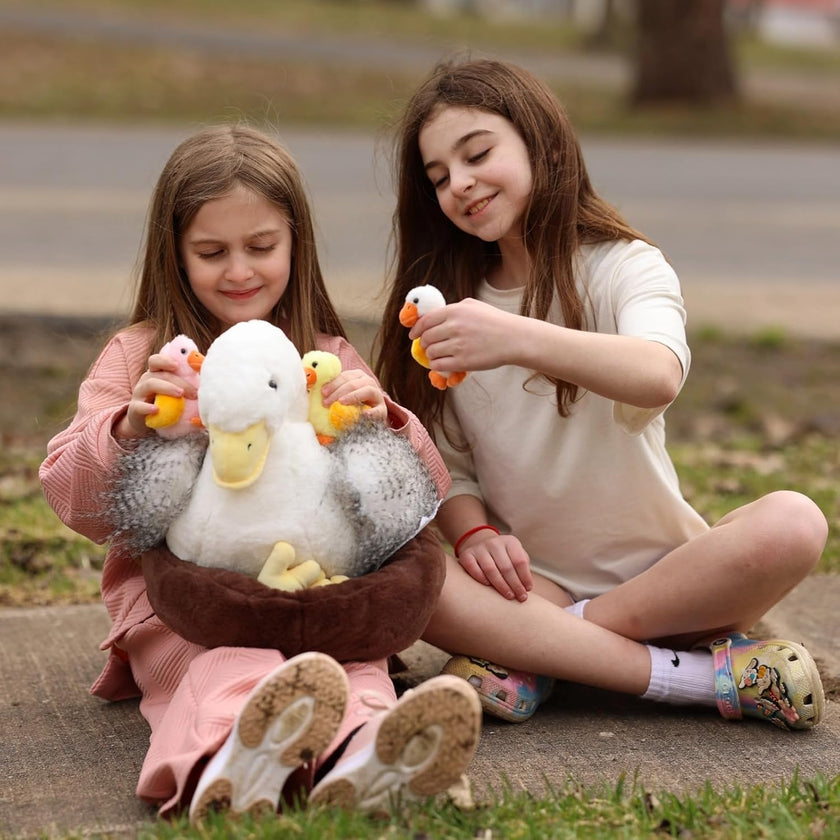
Stuffed animals are more than just cute, cuddly toys—they can play a significant role in emotional health. From helping children feel safe to providing adults with comfort during stressful times, plush toys have a unique way of bridging the gap between emotion and support. In this blog, we’ll explore the science, benefits, and practical ways stuffed animals can help both kids and adults cope with stress, anxiety, and other emotional challenges.
The Emotional Power of Plush Toys
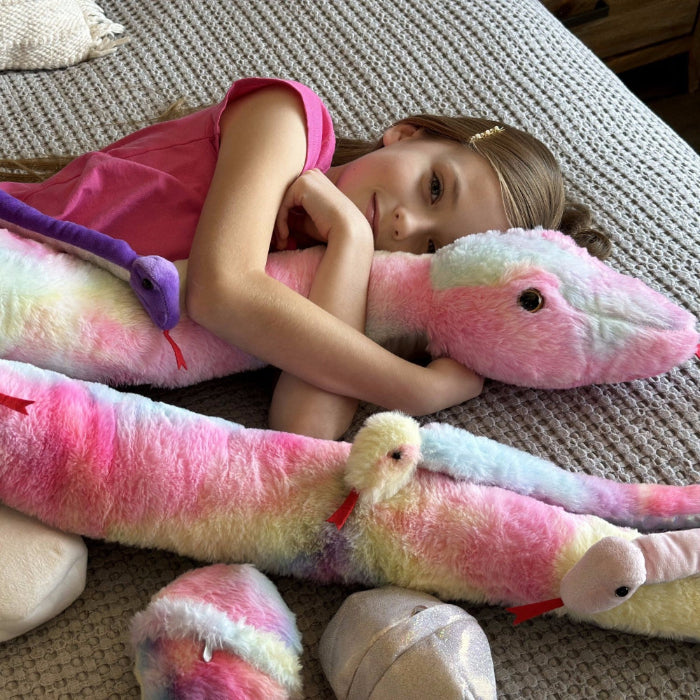
Stuffed animals often act as more than just playthings—they are emotional companions. Psychologists note that tactile comfort, such as hugging a soft object, can reduce cortisol levels, the hormone associated with stress. This means that holding or cuddling a plush toy can create a sense of safety and relaxation, making it an accessible tool for managing anxiety.
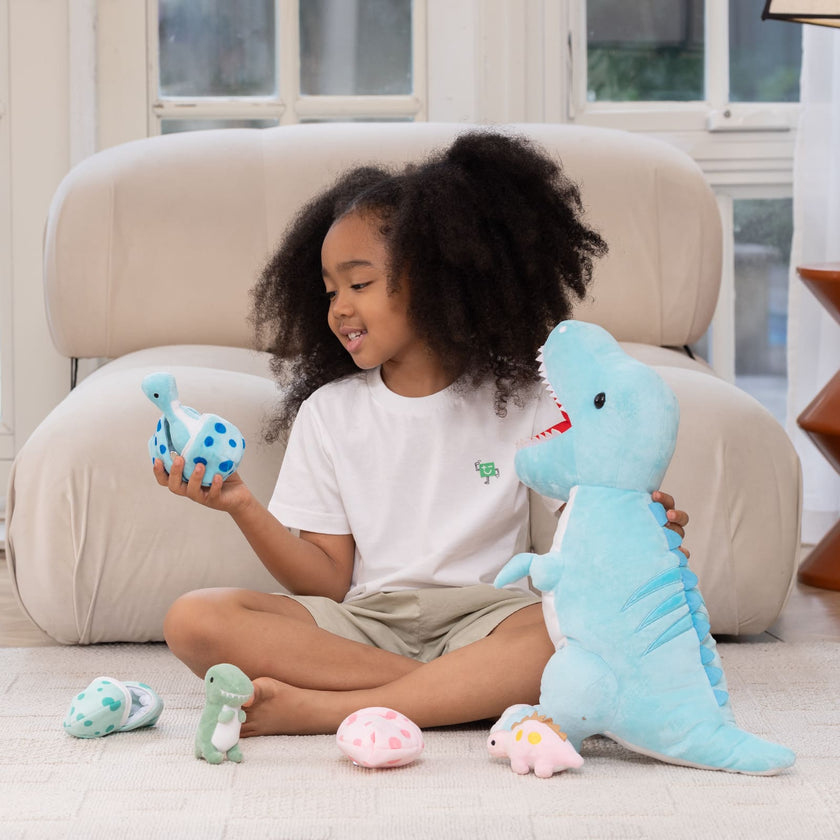
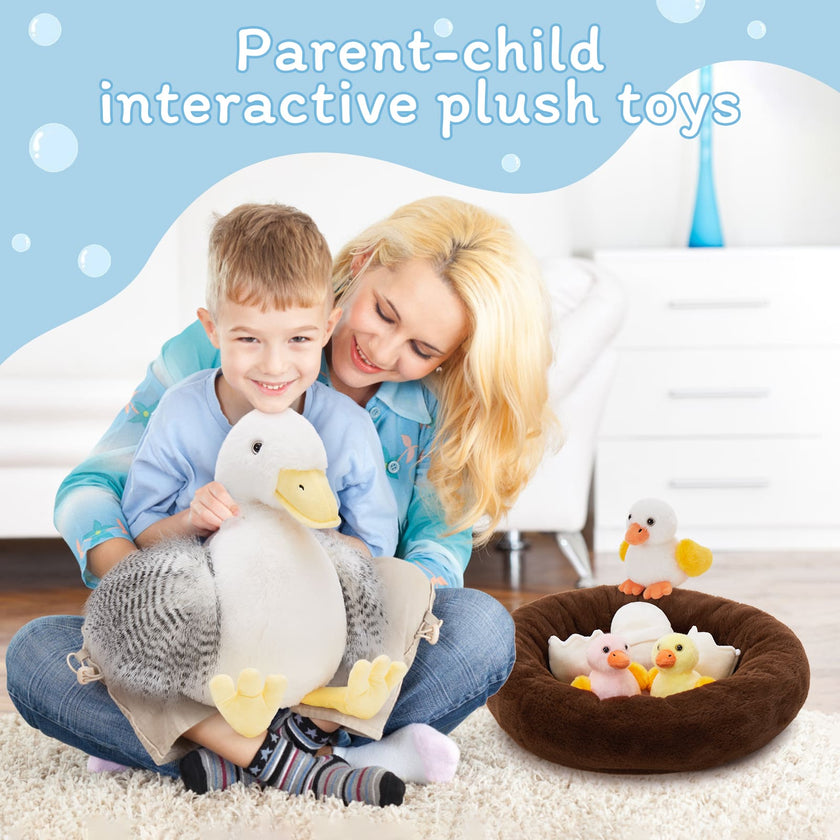
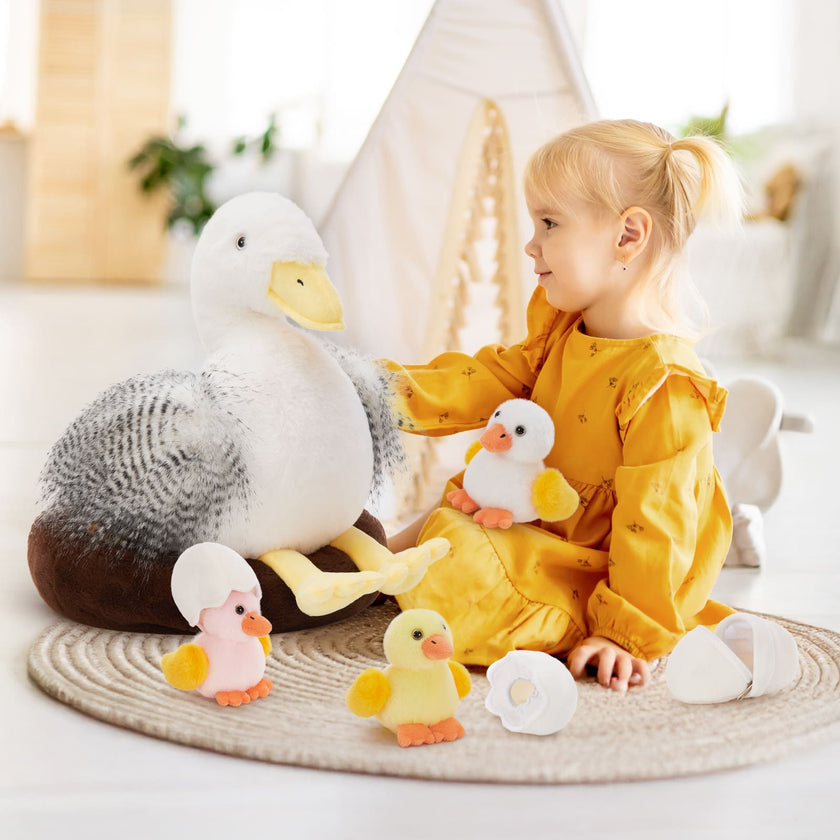
For children, stuffed animals often serve as transitional objects—items that help them feel secure when navigating new experiences, like starting school or meeting new friends. For adults, plush toys can evoke nostalgia, reminding them of a simpler, safer time, which can provide a calming effect in stressful situations.
Stuffed Animals for Kids: Emotional Development and Coping Skills
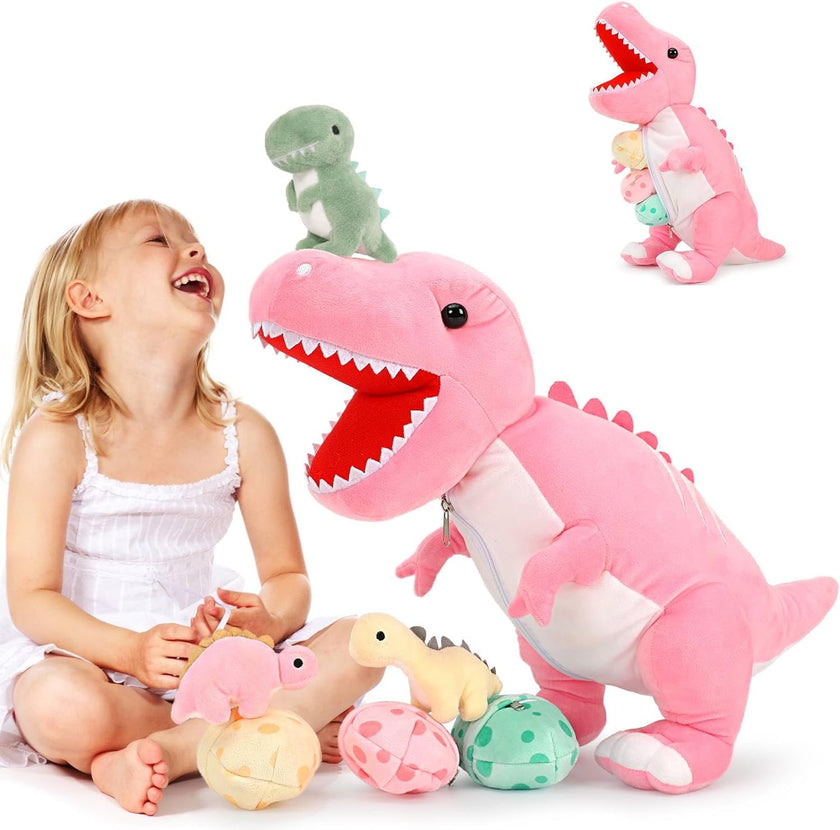
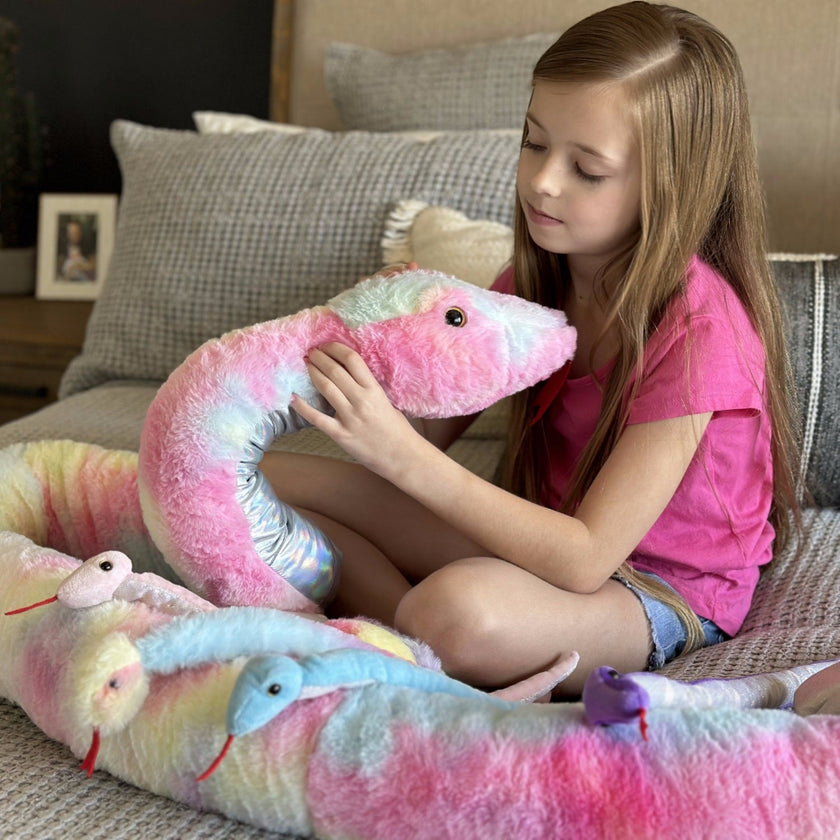
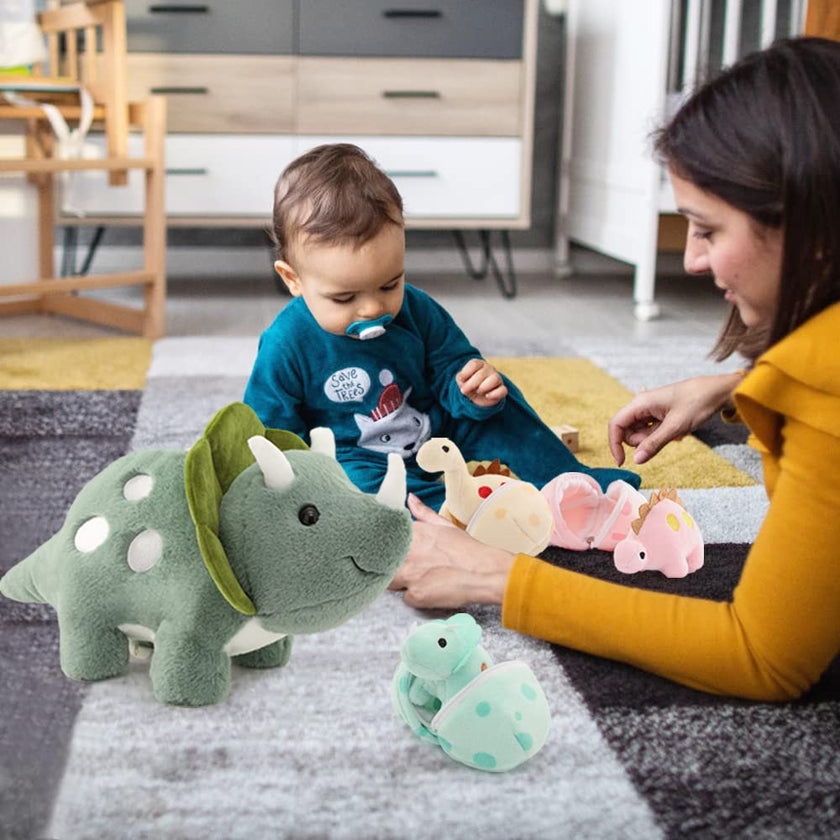
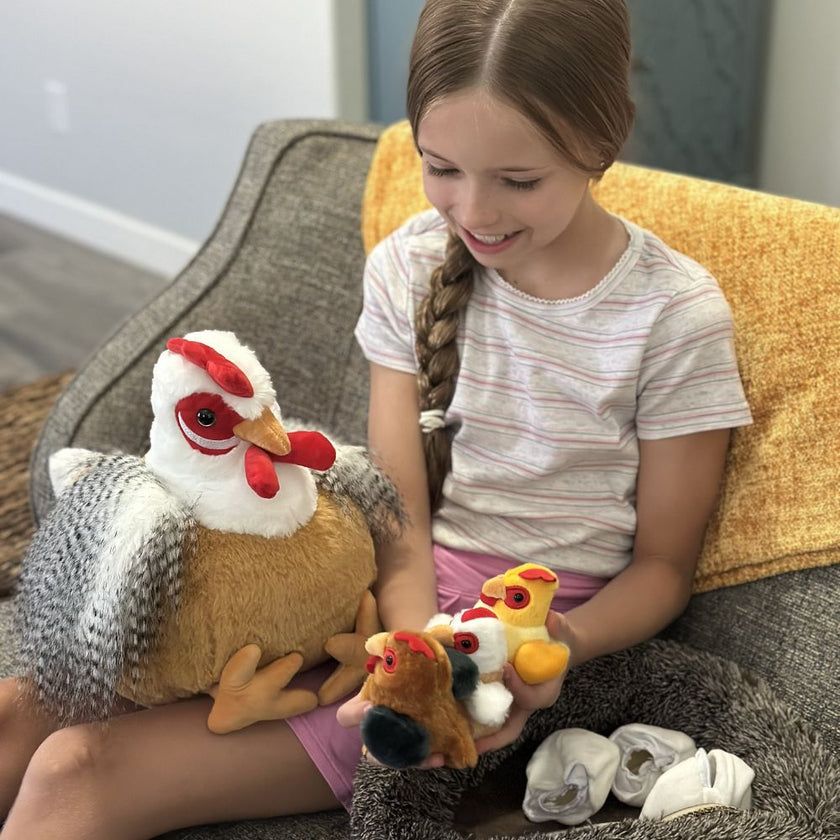
Children often experience emotions that they cannot yet articulate fully. A favorite stuffed animal can help them express feelings in a safe and private way. For example:
- Comfort during bedtime: Children with plush companions tend to have smoother bedtime routines and less anxiety about sleeping alone.
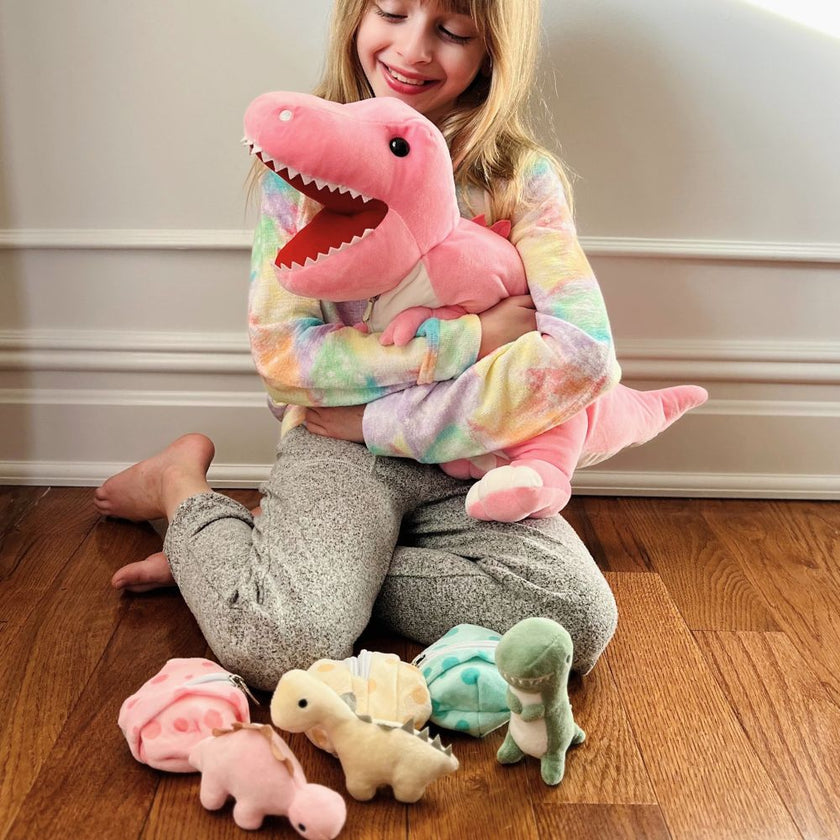
- Stress relief: Hugging a soft toy can help regulate emotions after a challenging day, whether it’s at school or during social interactions.
- Emotional expression: Children may talk to their stuffed animals about feelings they find difficult to share, promoting emotional literacy and self-awareness.
Research suggests that children who form attachments to comfort objects often develop stronger coping mechanisms, which can carry into adulthood.
Adults and Stuffed Animals: Not Just for Kids
While society often labels stuffed animals as “children’s toys,” adults can benefit greatly from having a plush companion. Here’s how:
- Stress reduction: Holding a soft object can provide physical comfort and lower stress levels during anxious moments.
- Emotional grounding: During times of uncertainty or emotional upheaval, a familiar stuffed animal can offer a sense of stability.
- Mindfulness and relaxation: Adults can use plush toys in mindful practices, such as deep breathing while holding a stuffed animal, to create a calming routine.
- Connection to nostalgia: Revisiting childhood memories through plush toys can trigger positive emotions and reduce feelings of loneliness.
The Science Behind Stuffed Animals and Stress Relief
Several studies show that tactile interaction with soft objects has measurable effects on mental health:
- Oxytocin release: Hugging a soft toy can stimulate the production of oxytocin, the “bonding hormone,” which promotes feelings of trust and calm.
- Lowered blood pressure: Physical comfort from hugging plush toys can help lower blood pressure and heart rate, key indicators of reduced stress.
- Emotional regulation: Objects that provide sensory comfort can help both children and adults regulate intense emotions more effectively.
Choosing the Right Stuffed Animal
Not all plush toys are created equal when it comes to emotional support. Here are some tips for picking one that will provide comfort:
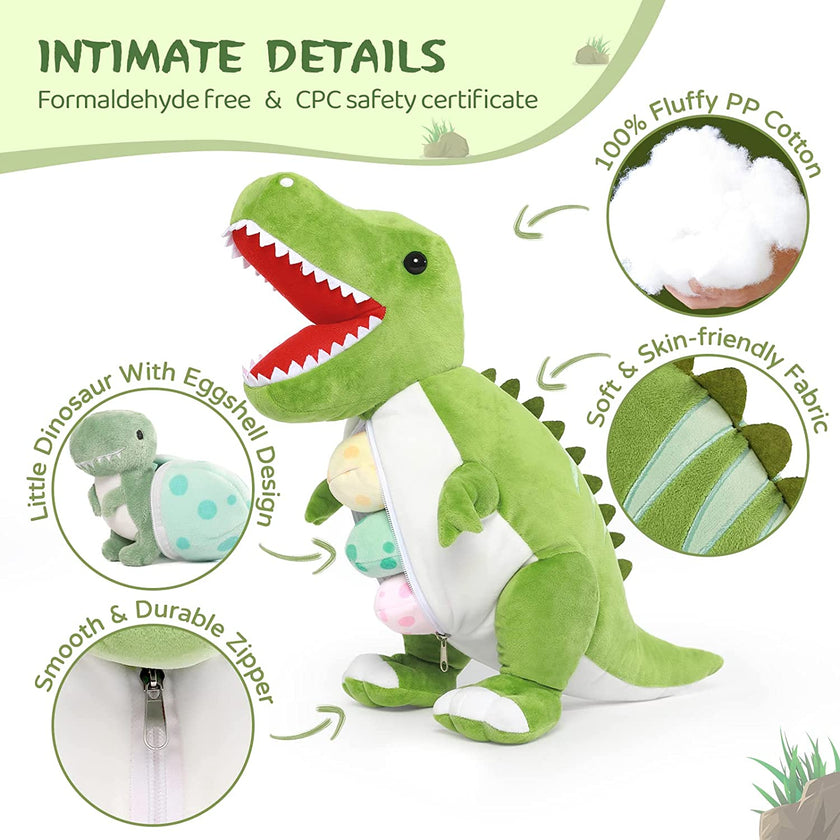
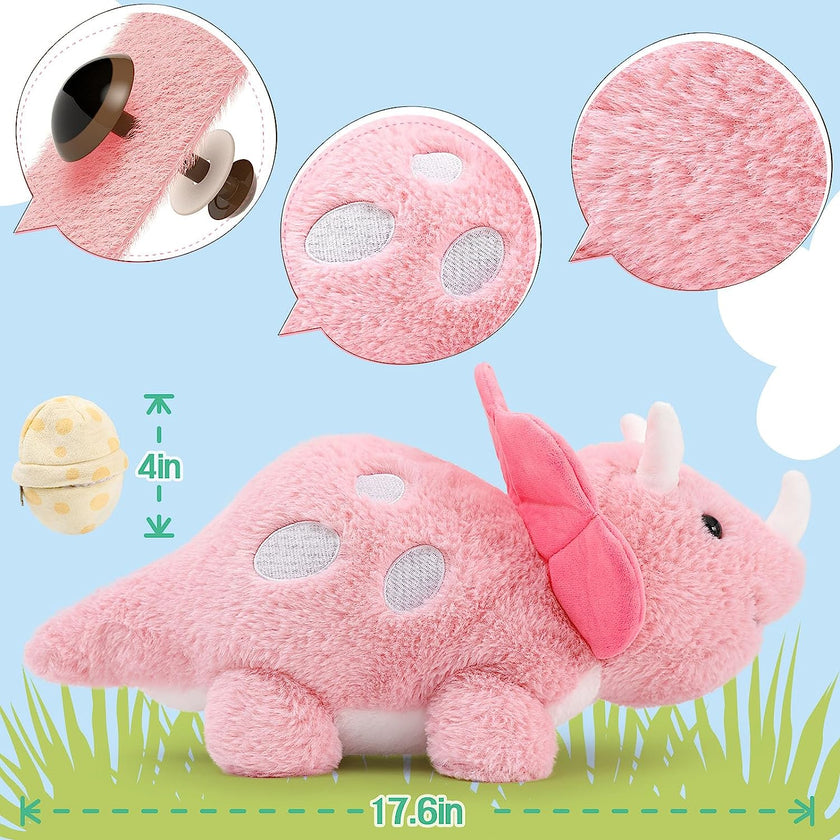
- Softness: Look for plush toys made from gentle, high-quality materials.
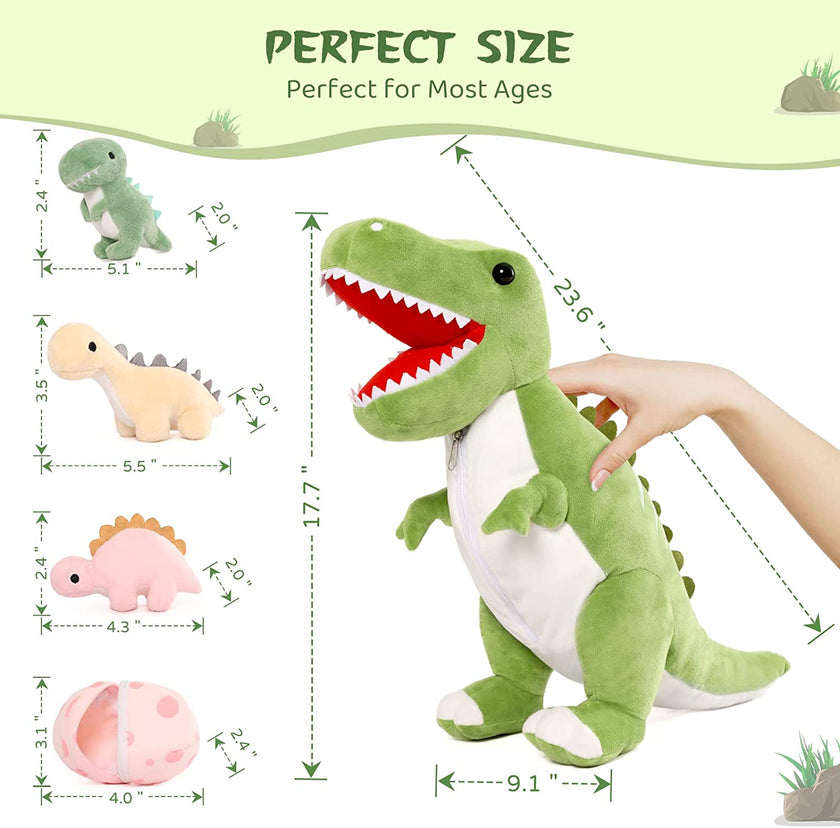
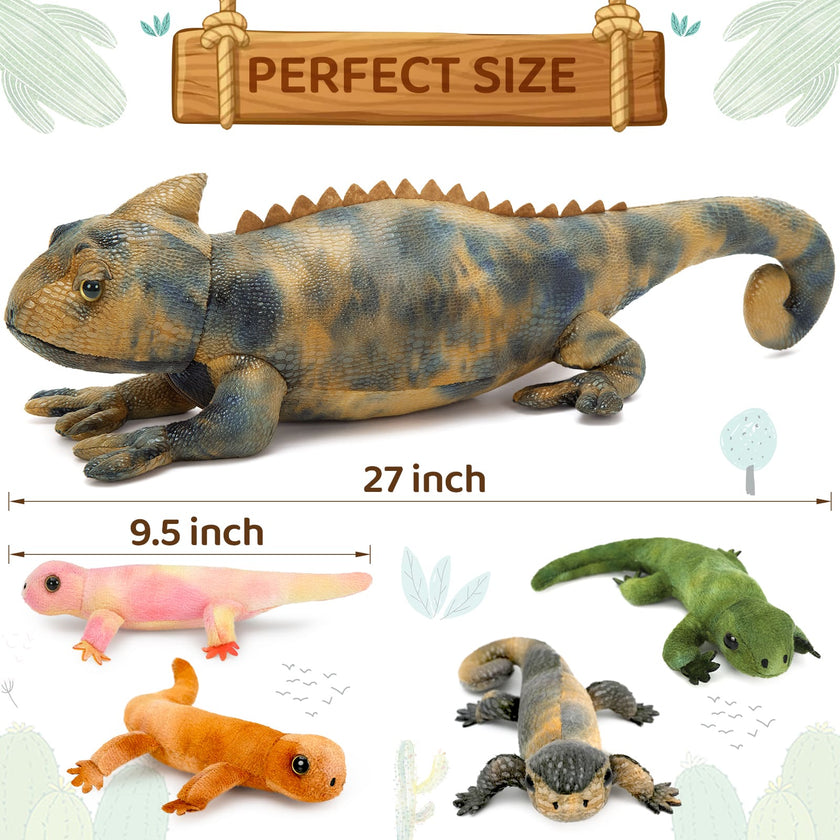
- Size: Choose a size that feels manageable—something you can hug or hold comfortably.
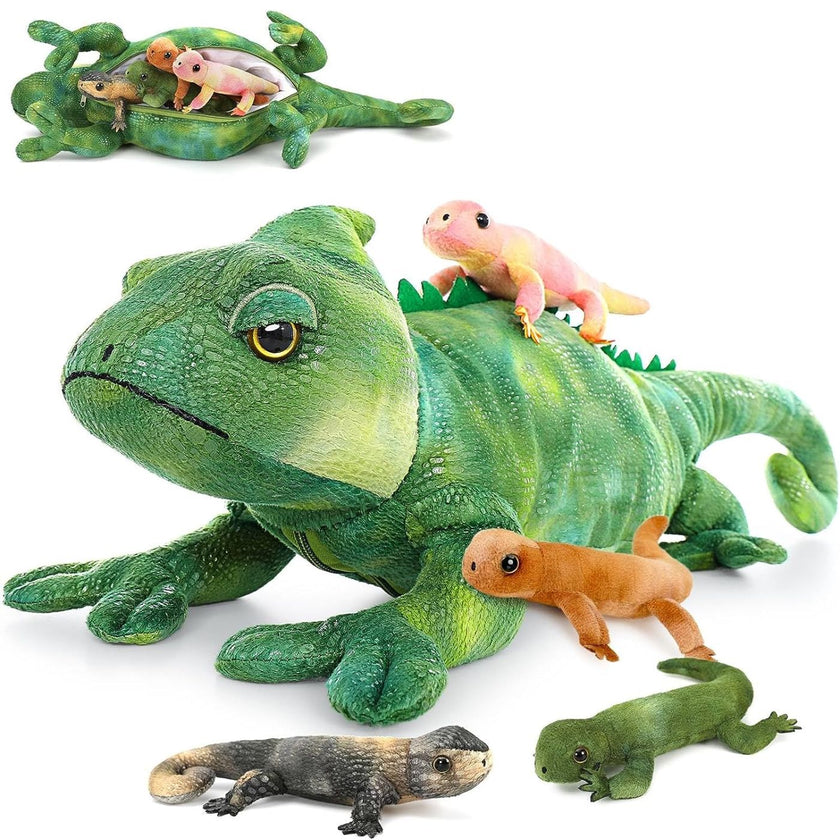
- Attachment potential: Some people connect better with animals, while others prefer characters or fantasy creatures. Choose what sparks a sense of comfort.
- Safety: For children, make sure toys have no small parts or choking hazards.
Incorporating Stuffed Animals Into Daily Life
Stuffed animals can be integrated into emotional wellness routines:
- Bedtime companions: Use them to signal the transition to sleep.
- Mindfulness exercises: Hold your plush toy while practicing deep breathing or meditation.
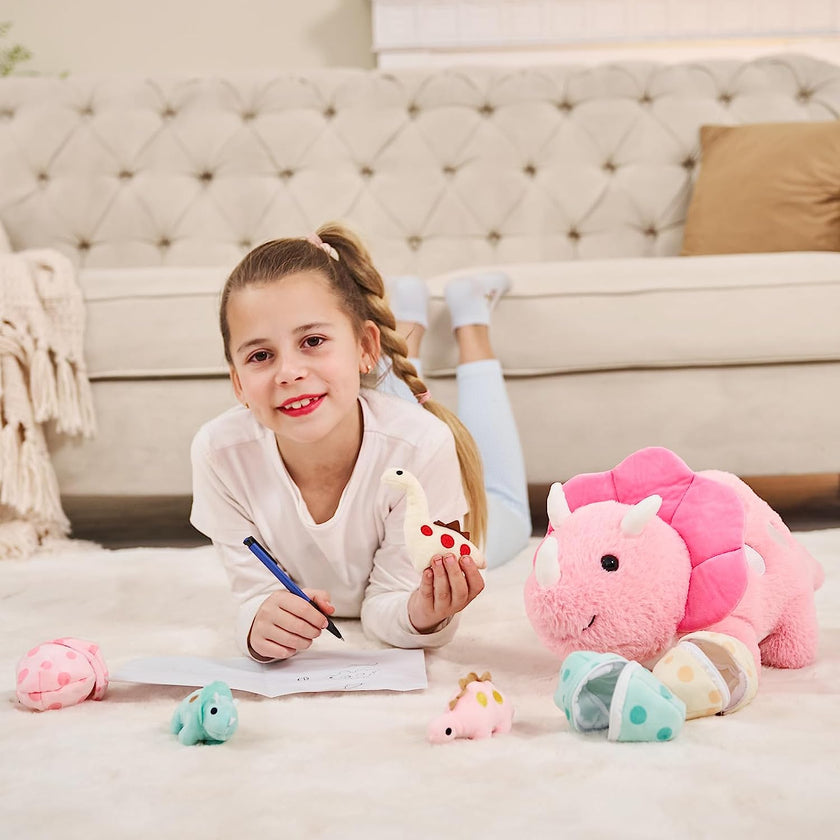
- Emotional journaling: Children can “share” their day with a stuffed friend, promoting emotional reflection.
- Travel buddies: Take a plush toy on trips for comfort in unfamiliar environments.
Conclusion
Stuffed animals aren’t just nostalgic toys—they are emotional allies for both kids and adults. Their softness, familiarity, and comforting presence can help reduce stress, ease anxiety, and provide a safe outlet for expressing emotions. Whether you’re a parent seeking emotional support tools for your child or an adult rediscovering the joy of plush companions, integrating stuffed animals into your life can be a surprisingly effective and heartwarming way to boost emotional health.