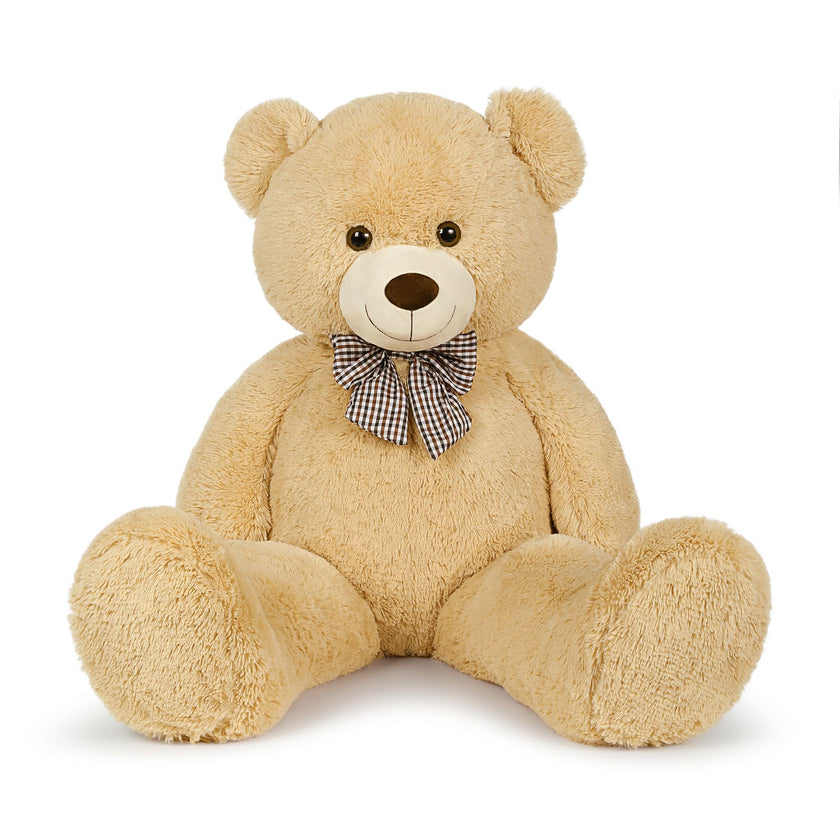
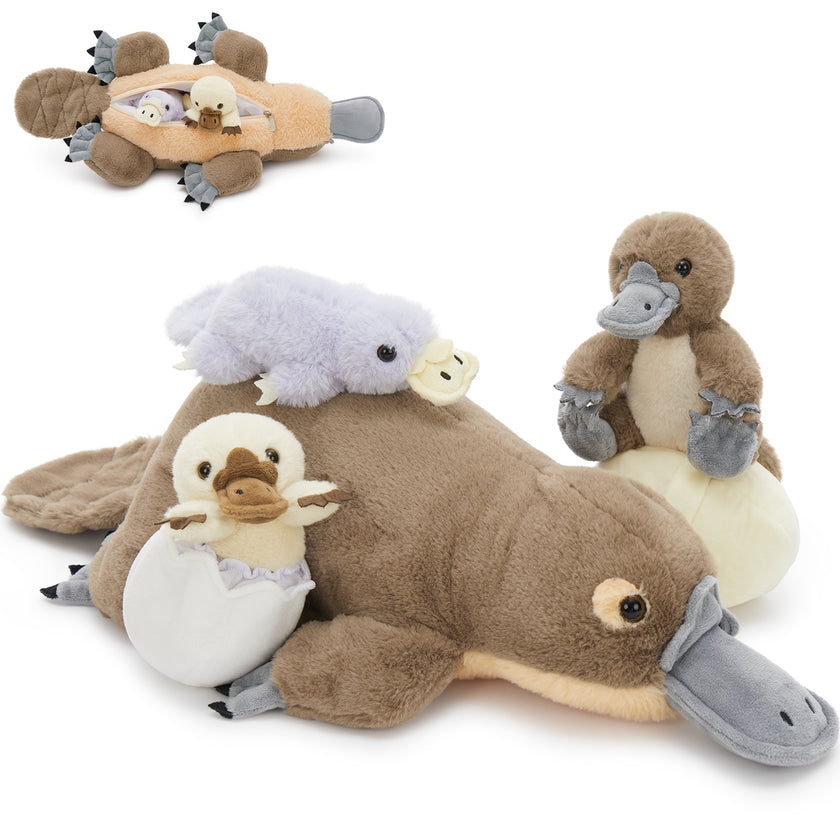
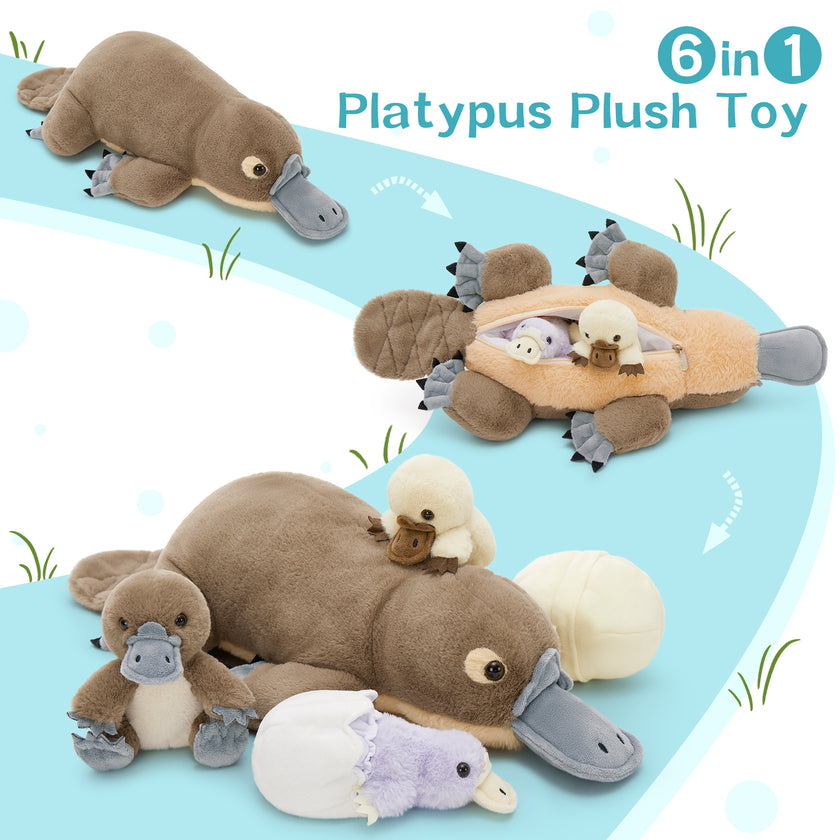
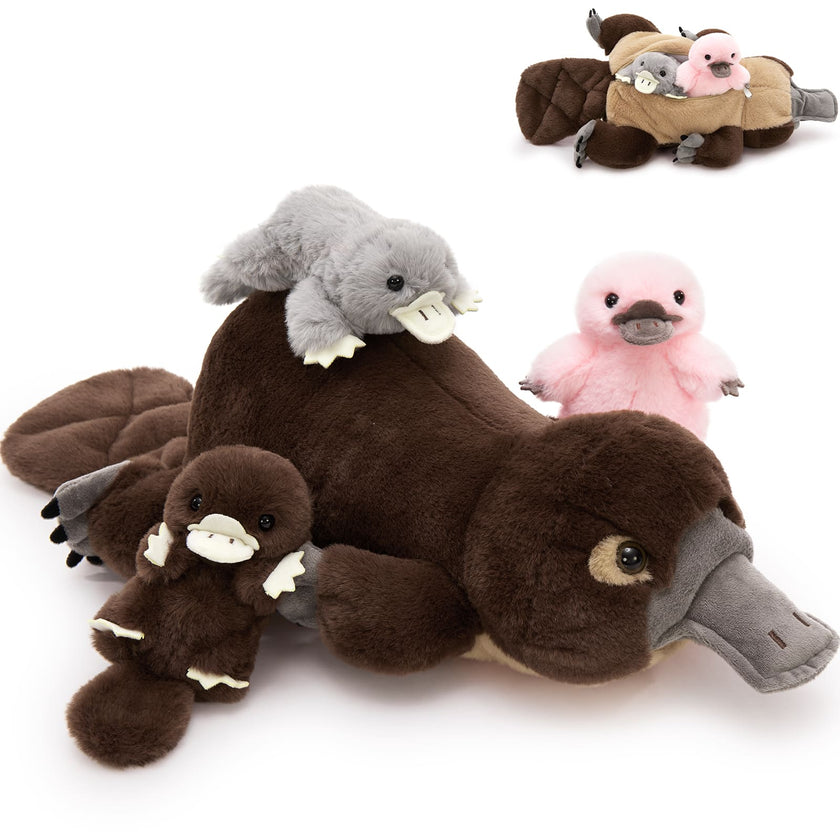
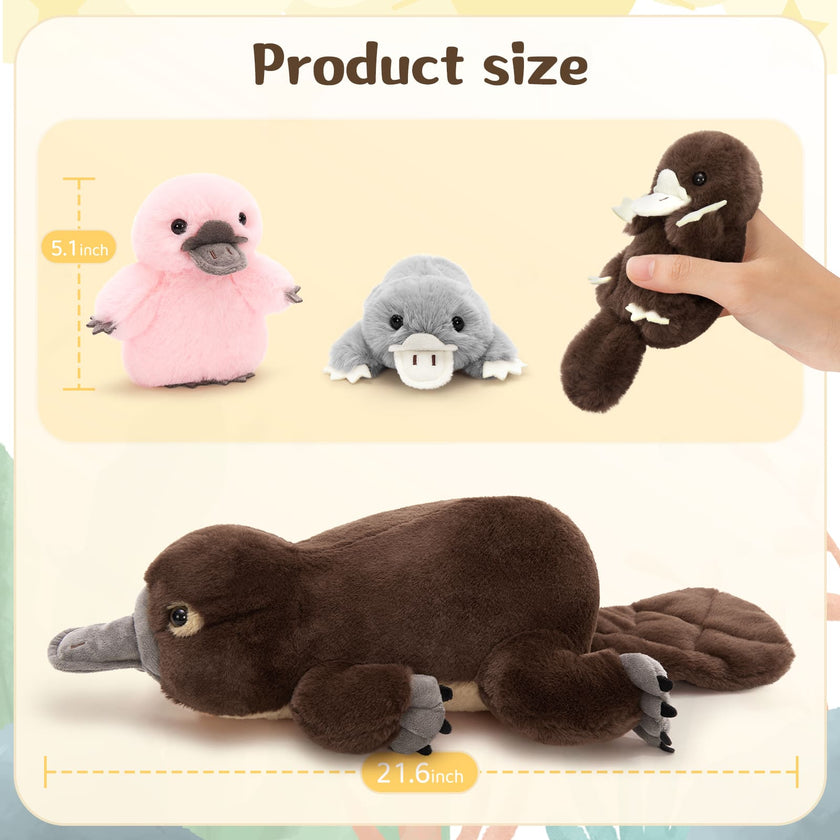
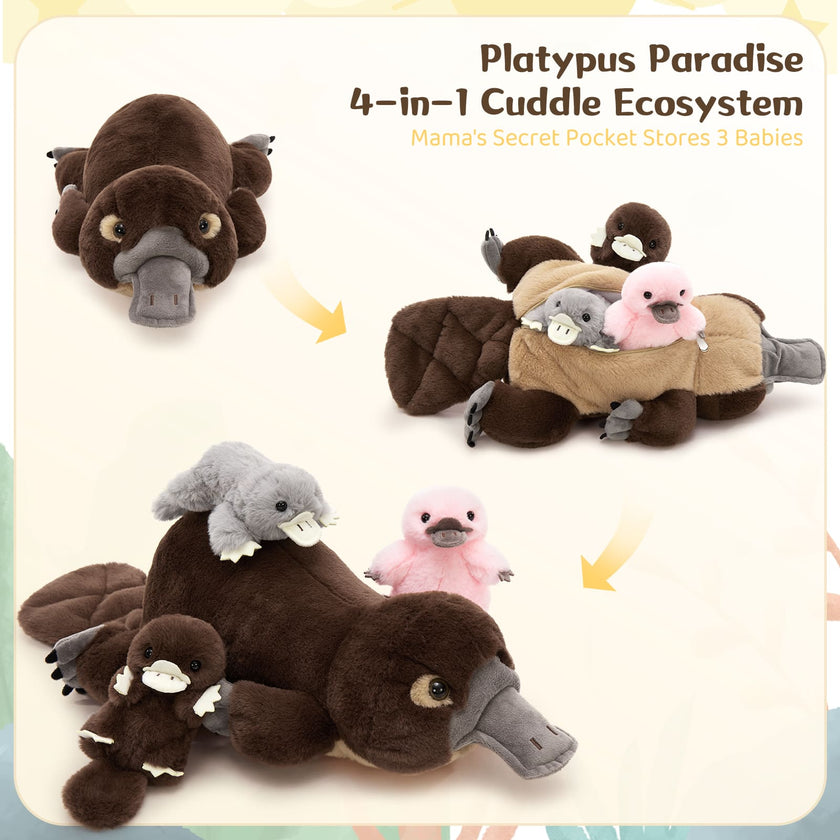
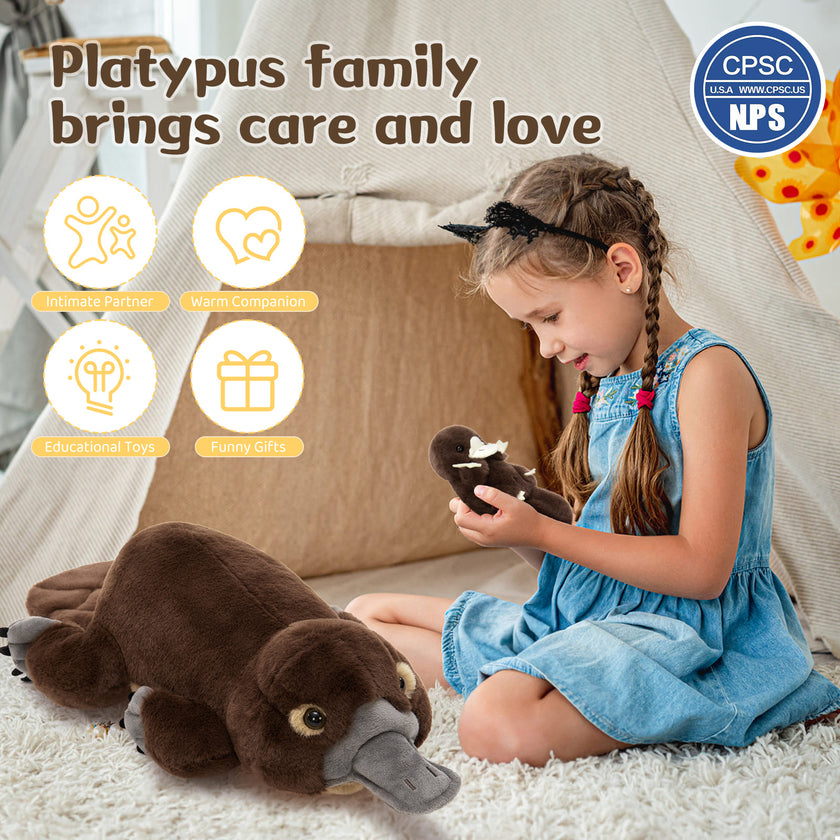
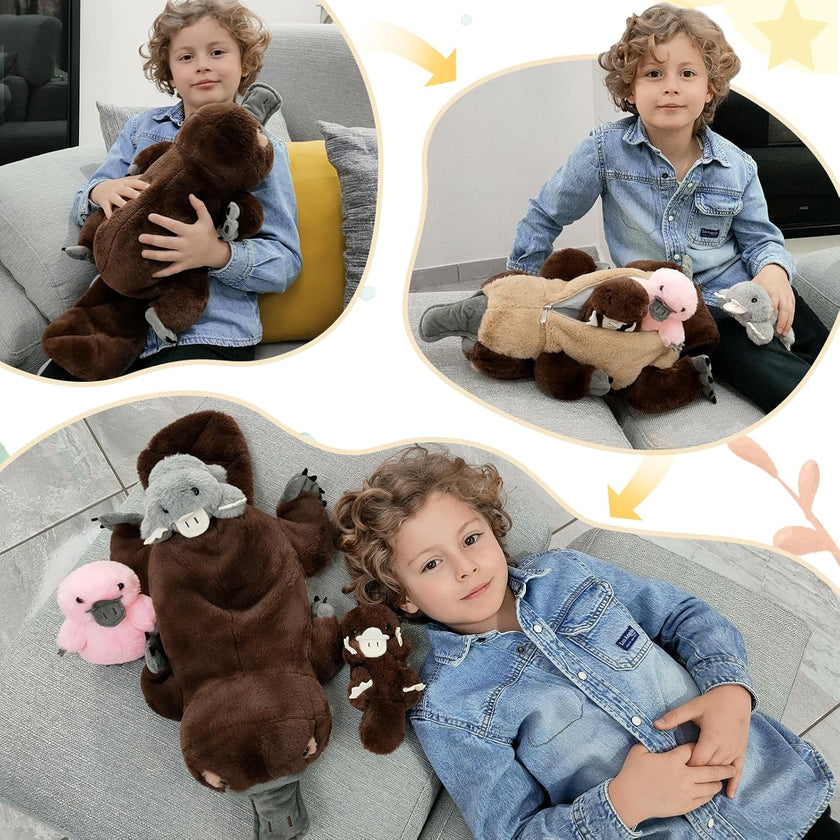
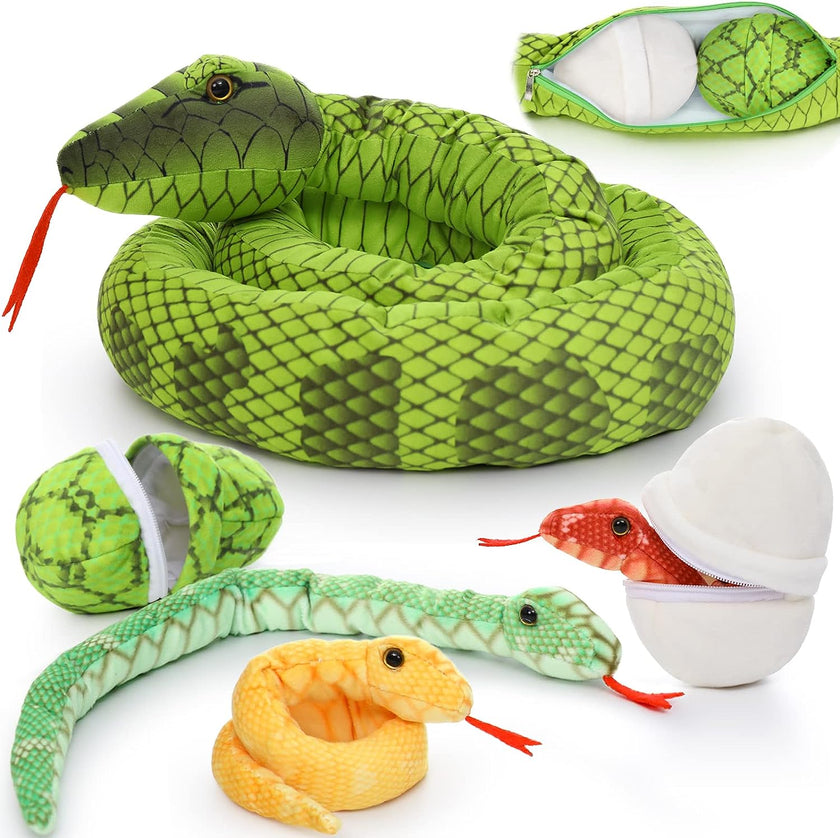
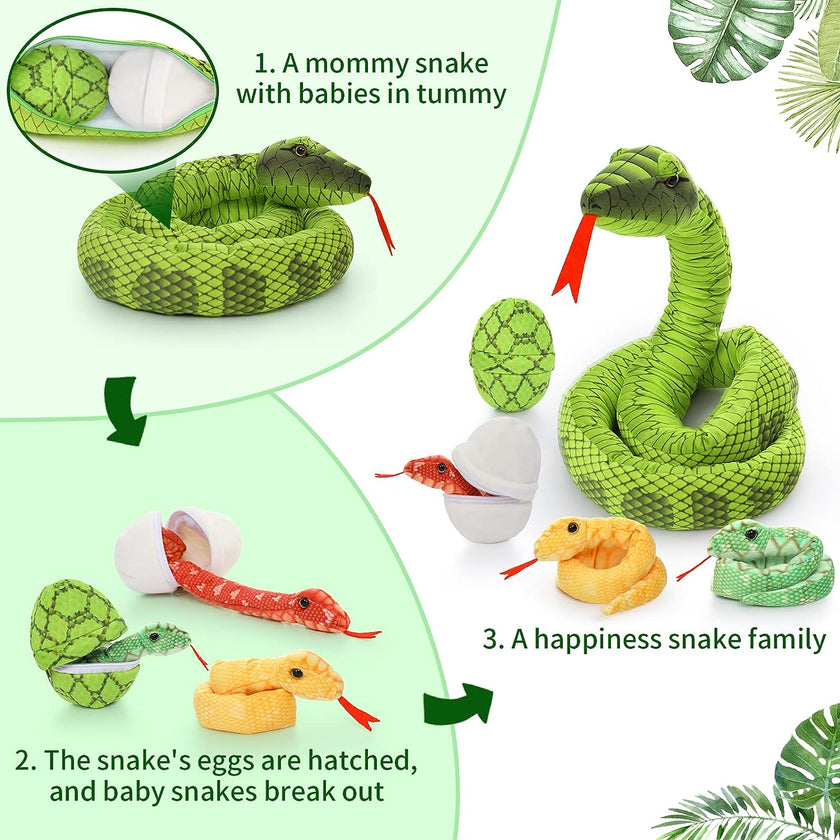
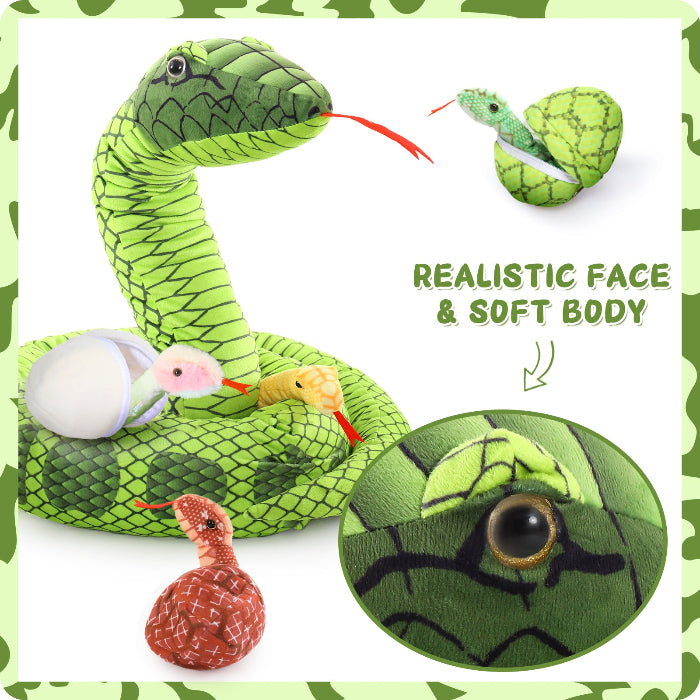
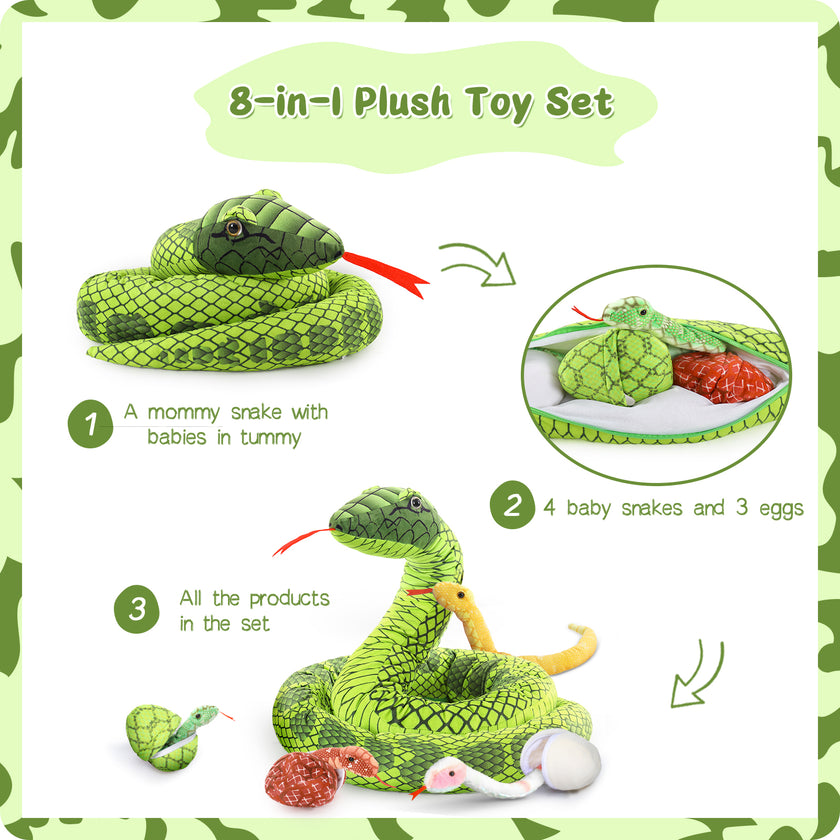
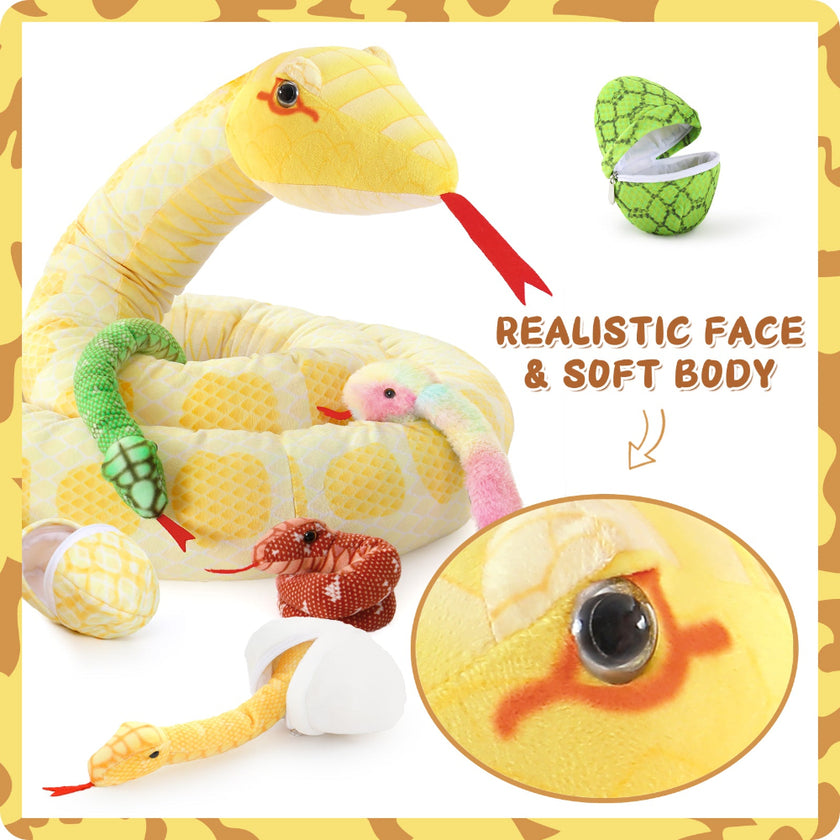
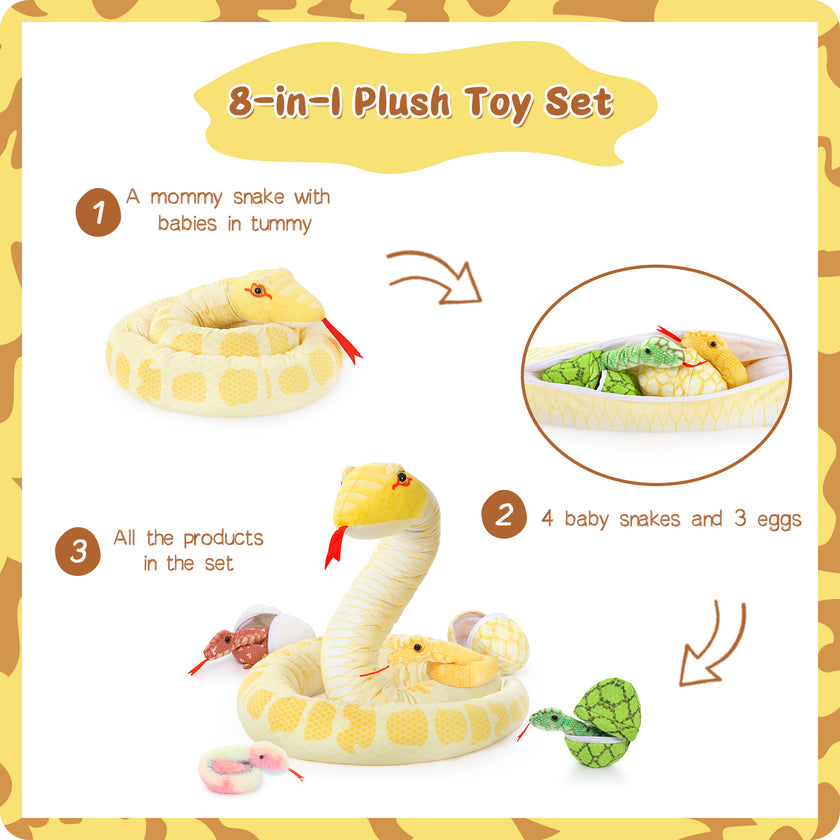
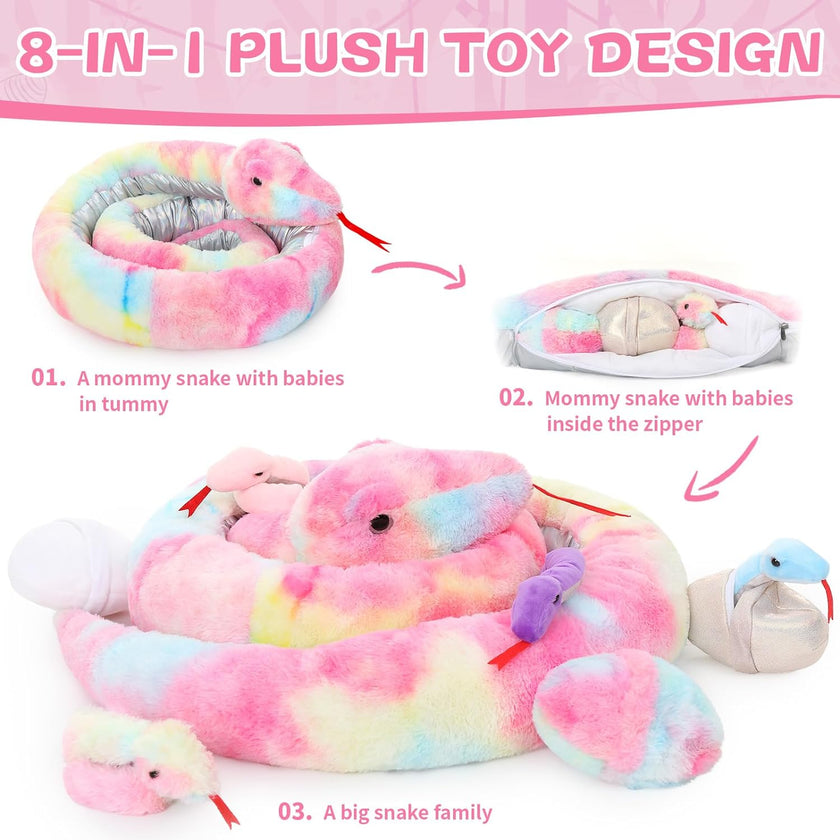
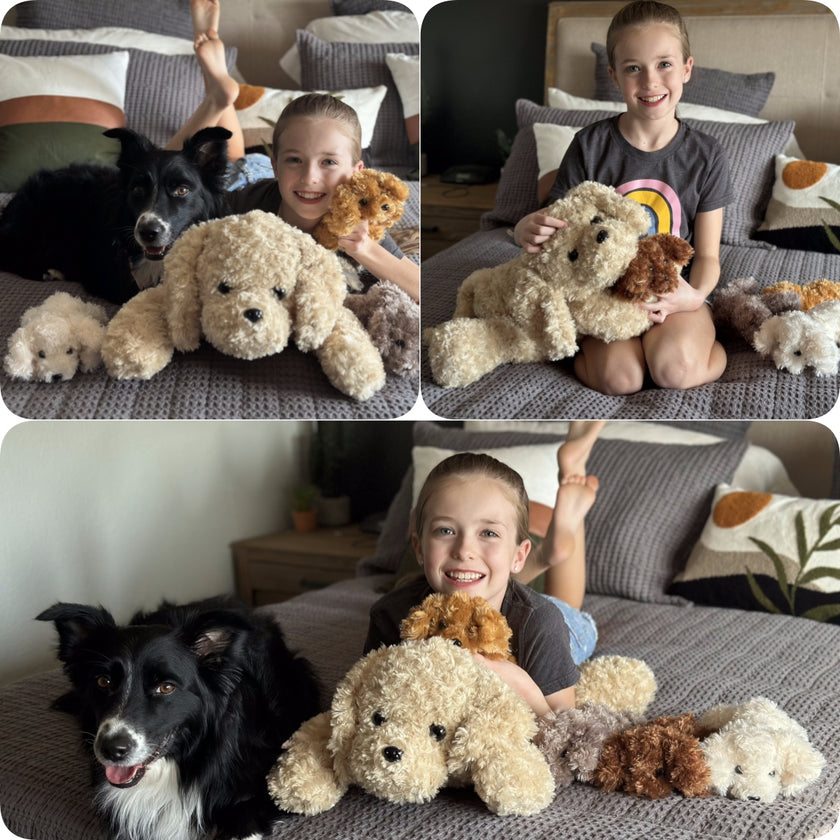
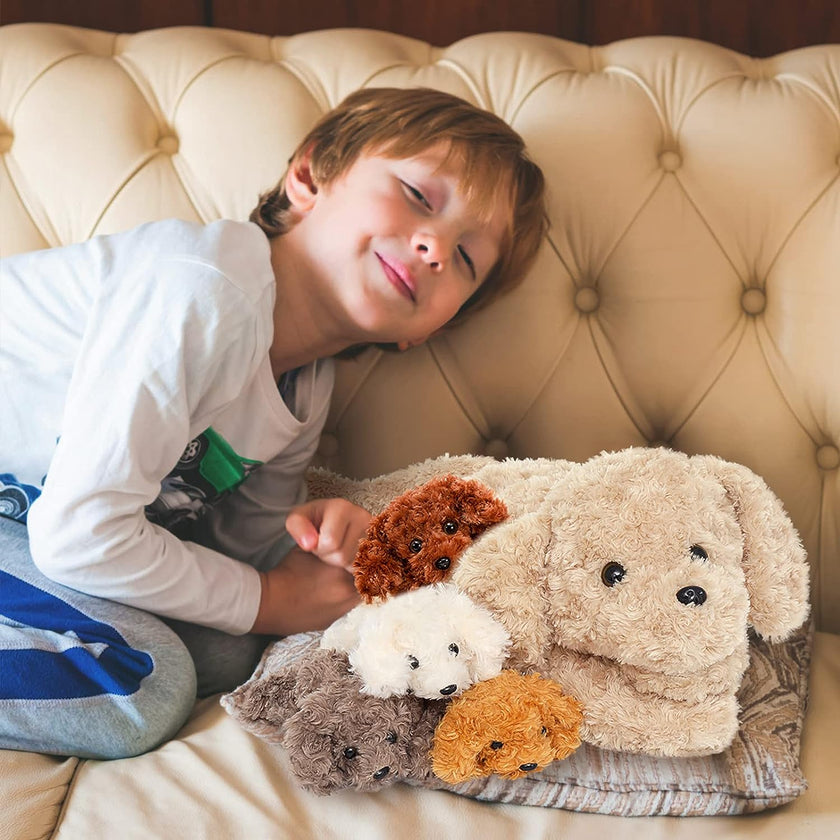
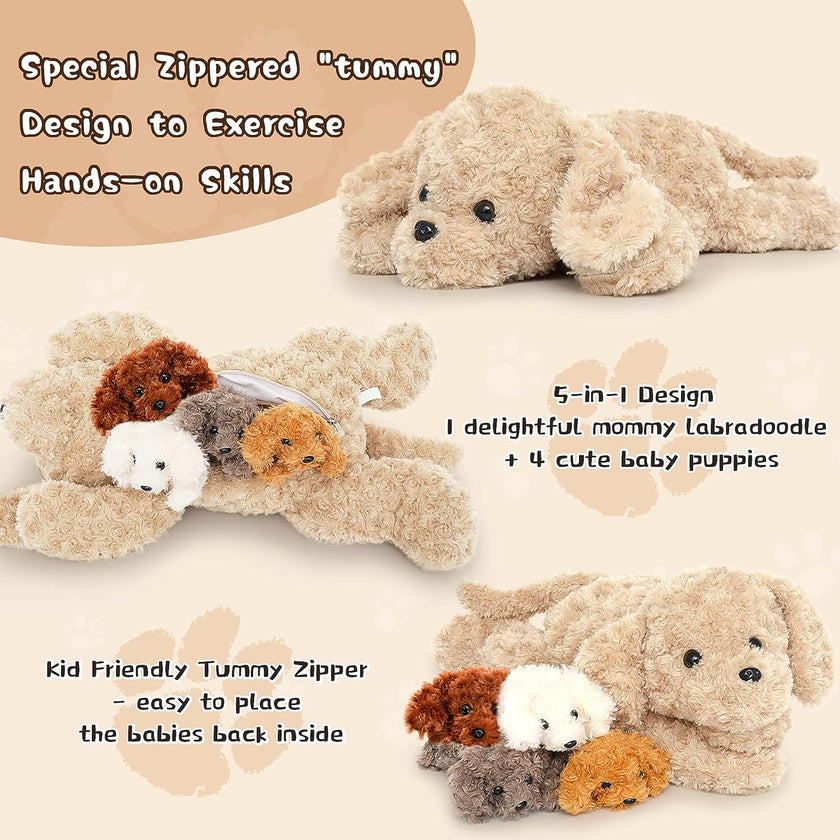
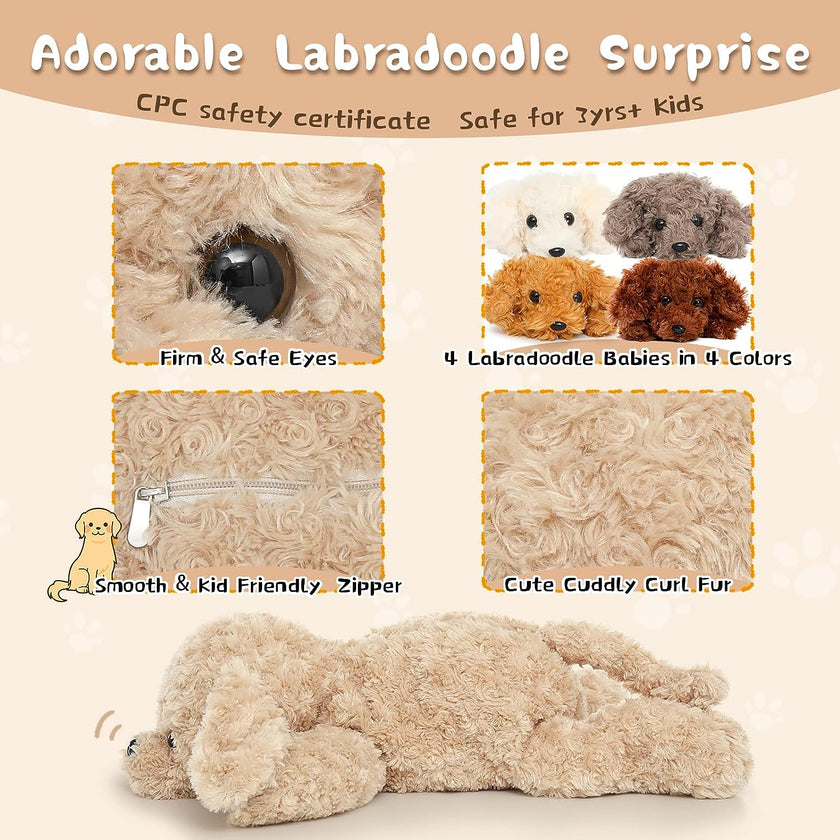
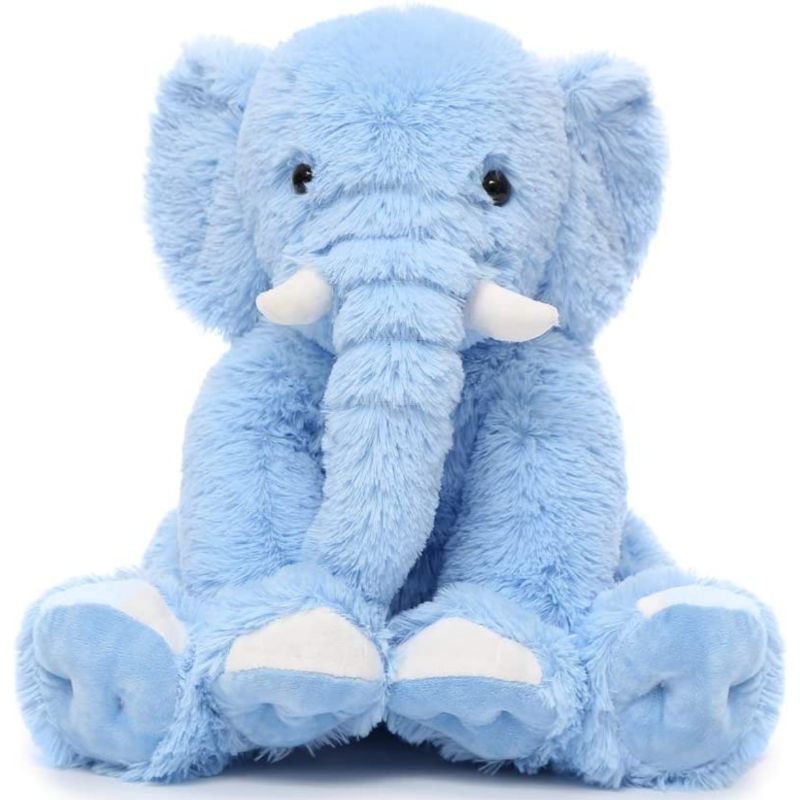
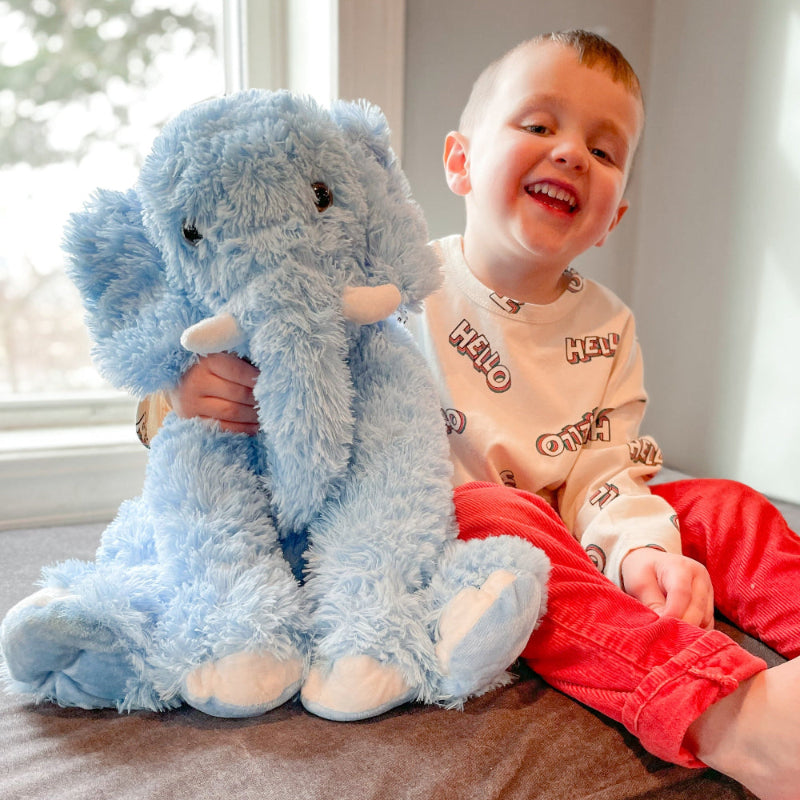
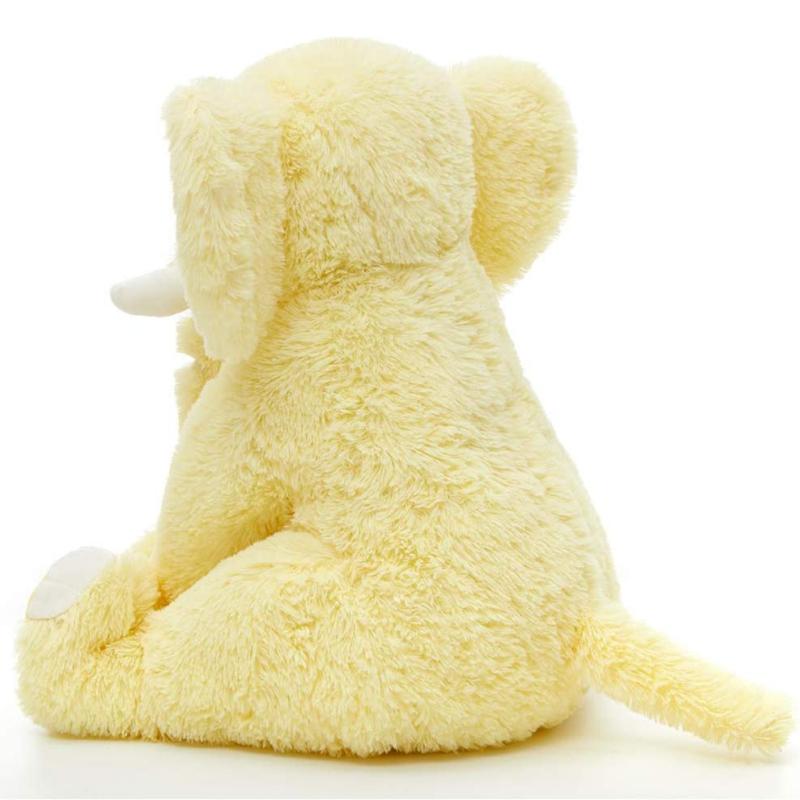
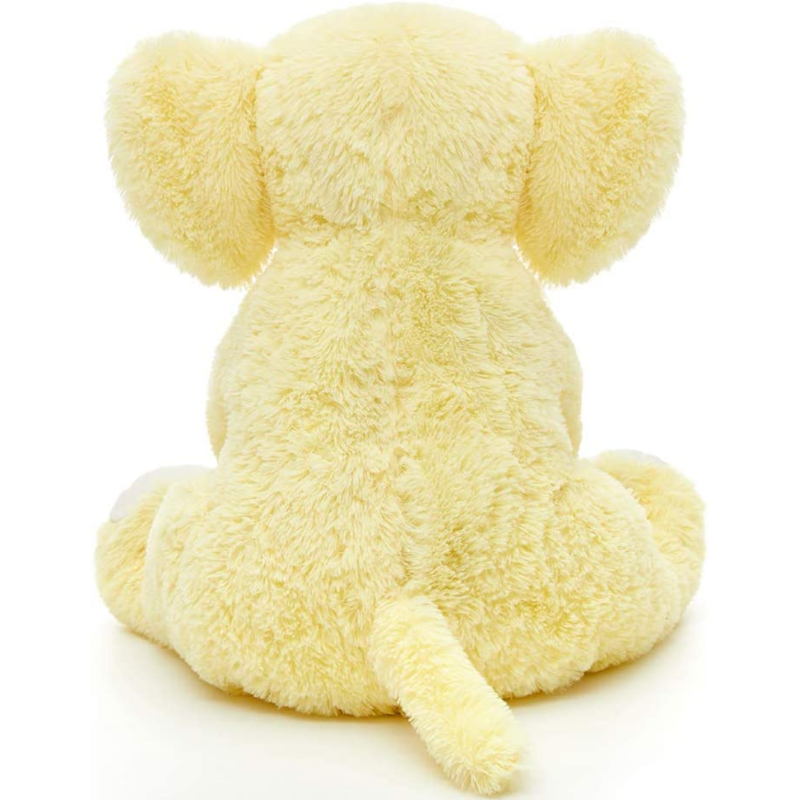
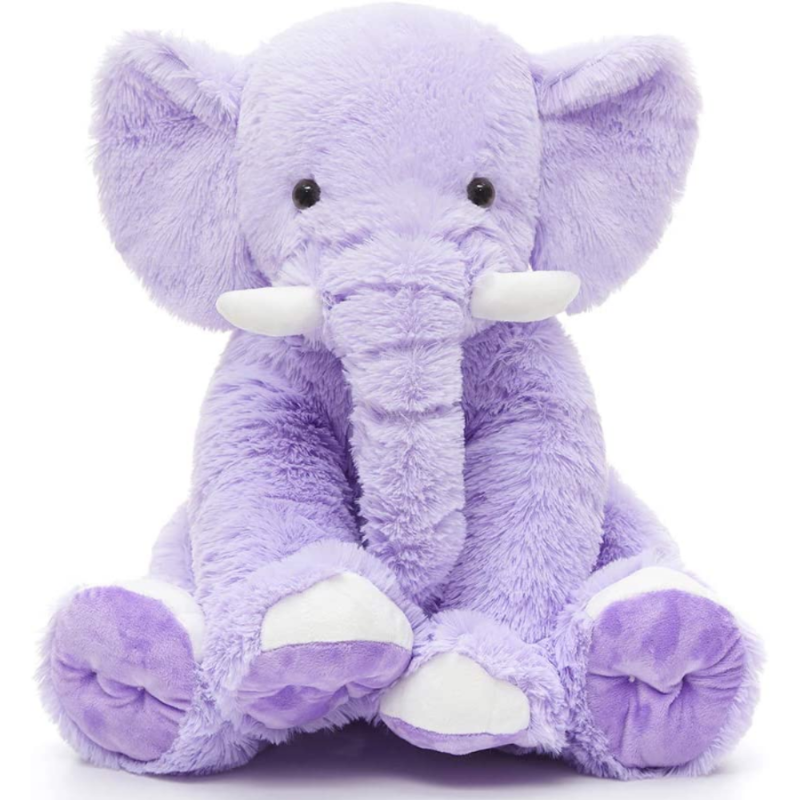
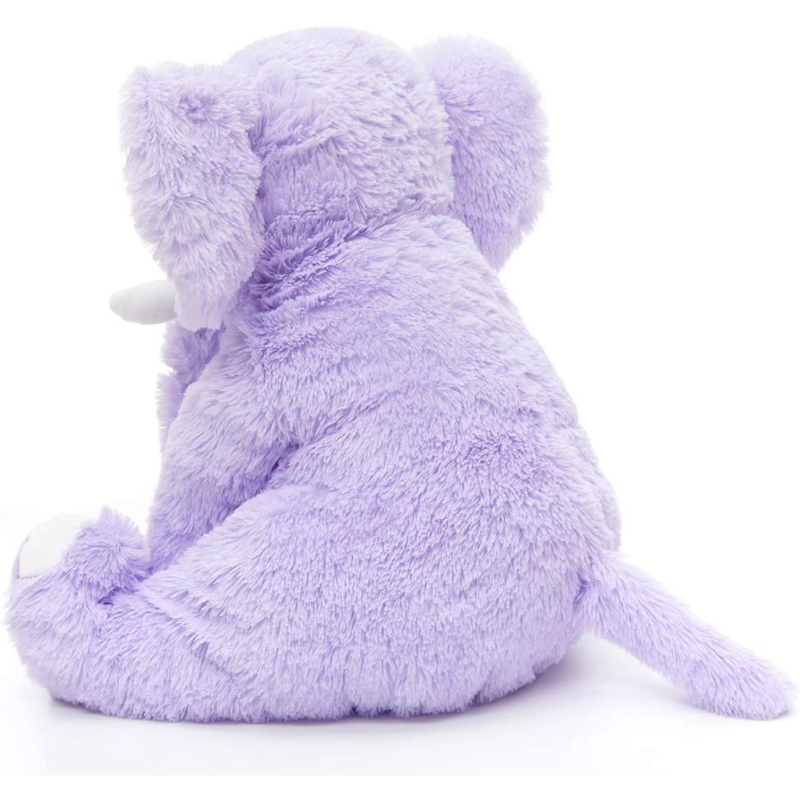
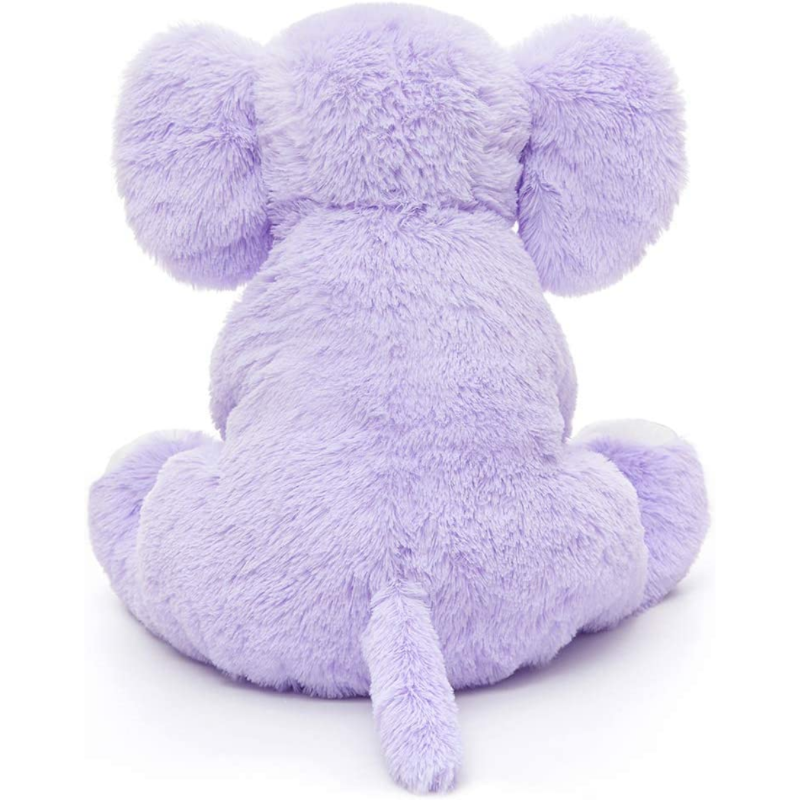
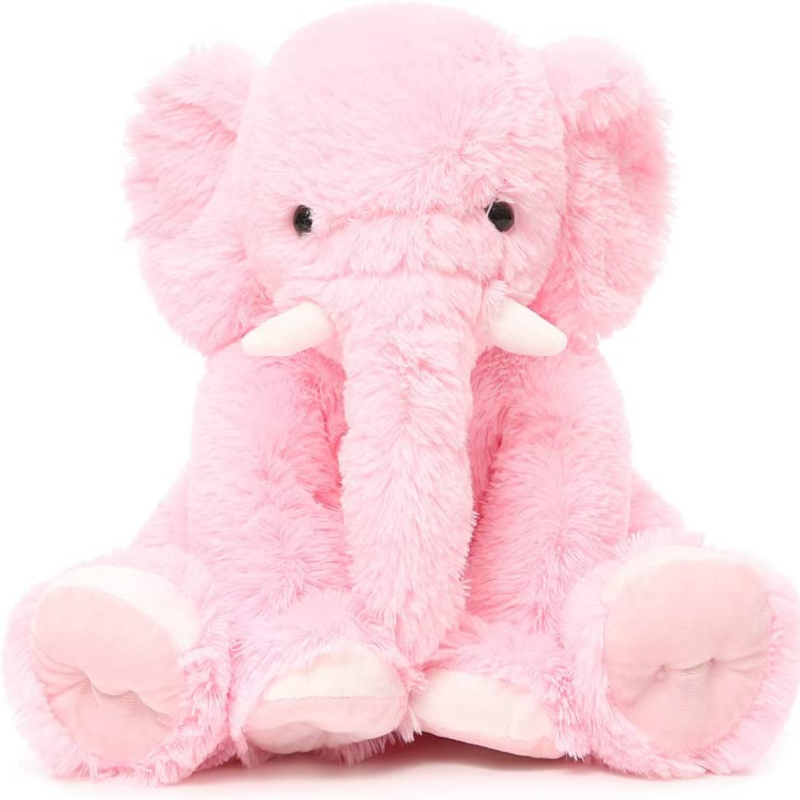
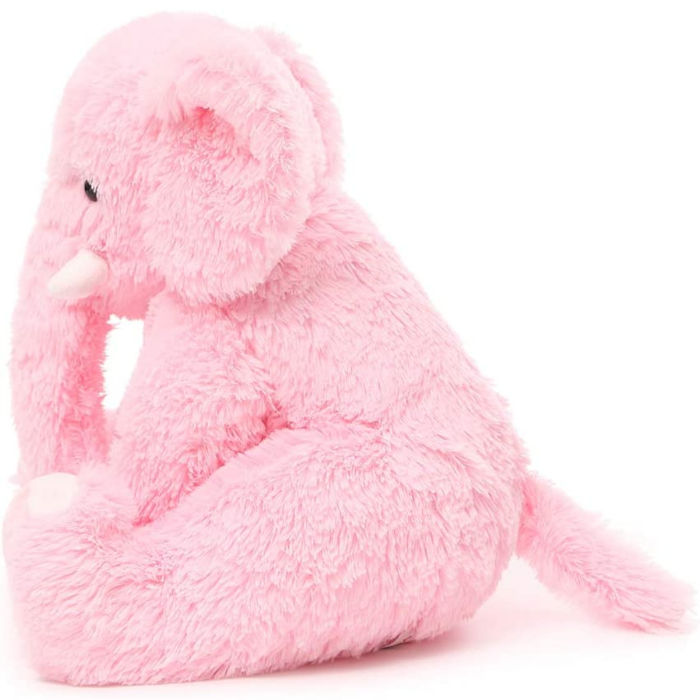
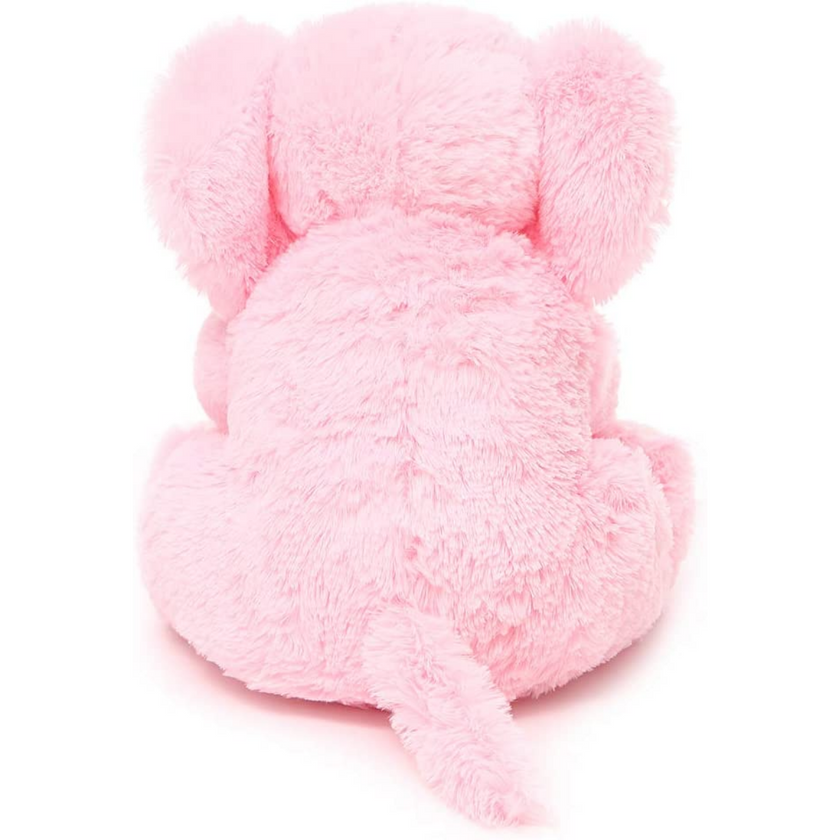
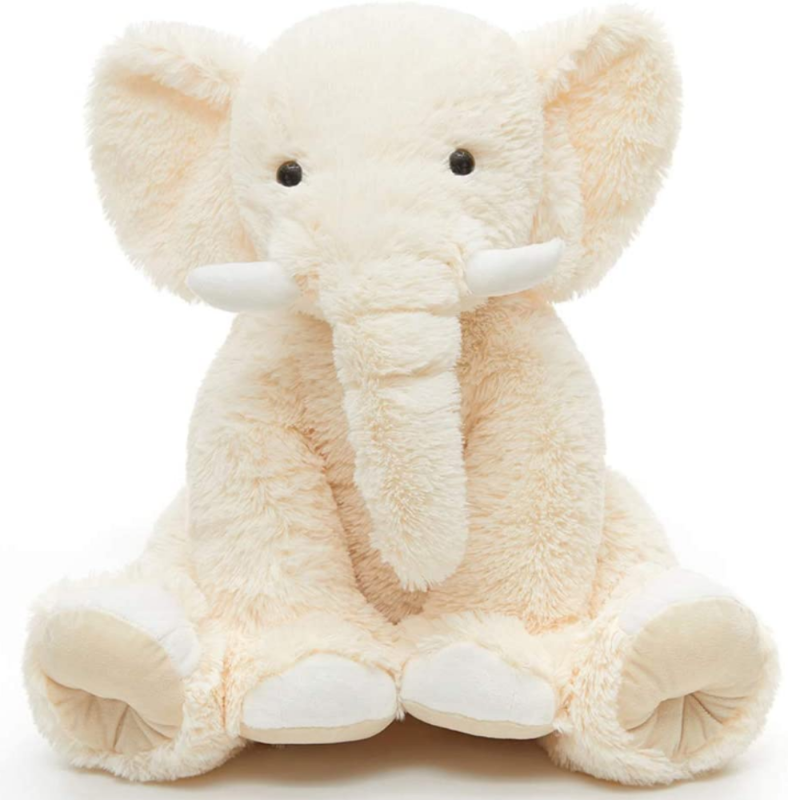
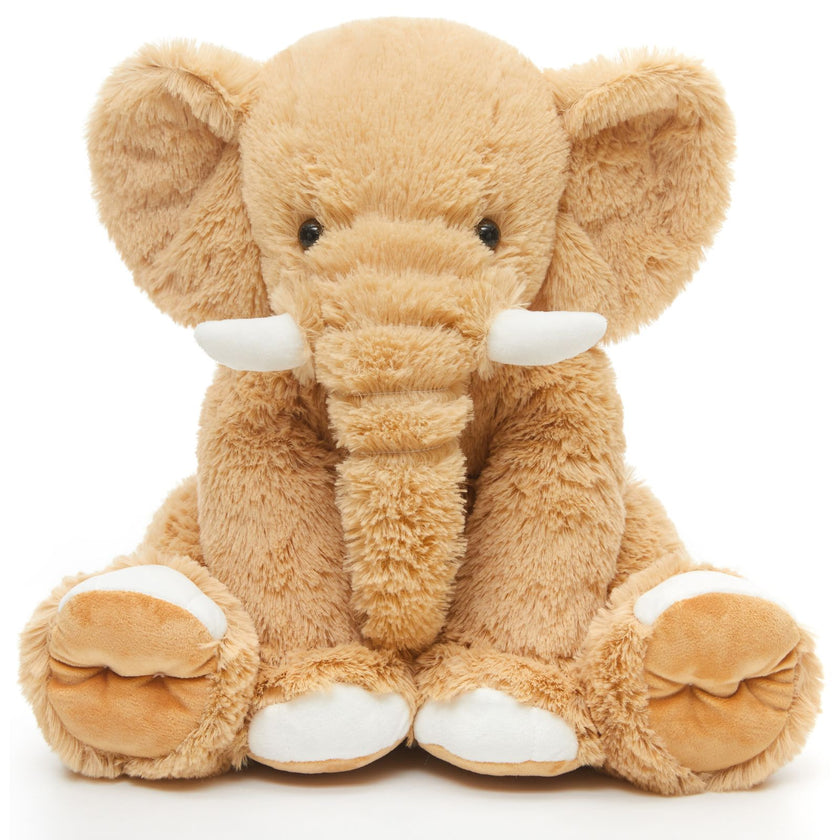
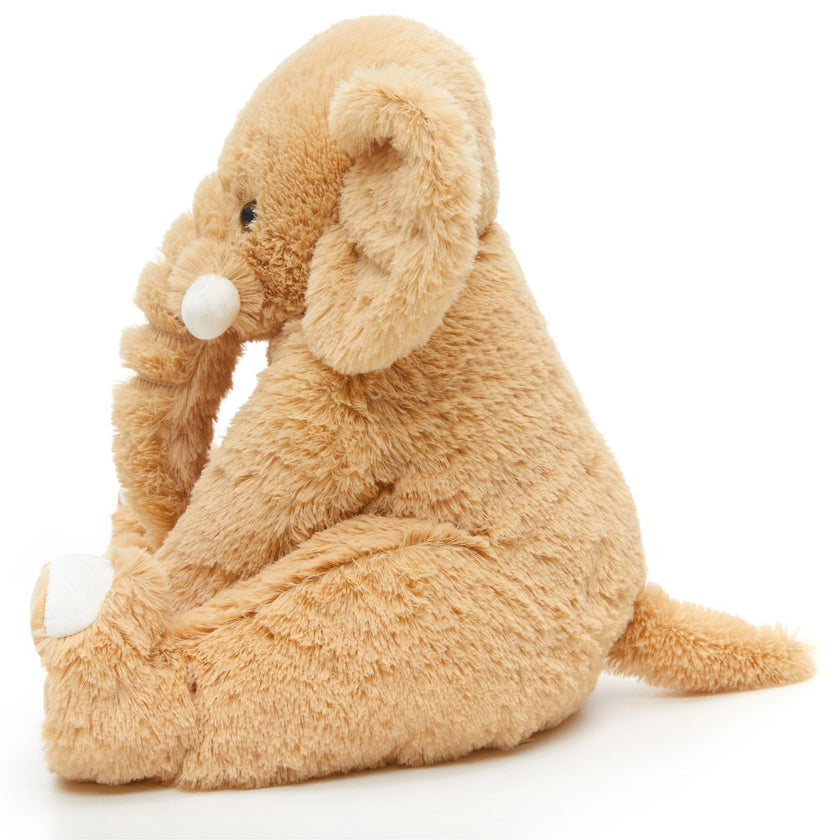
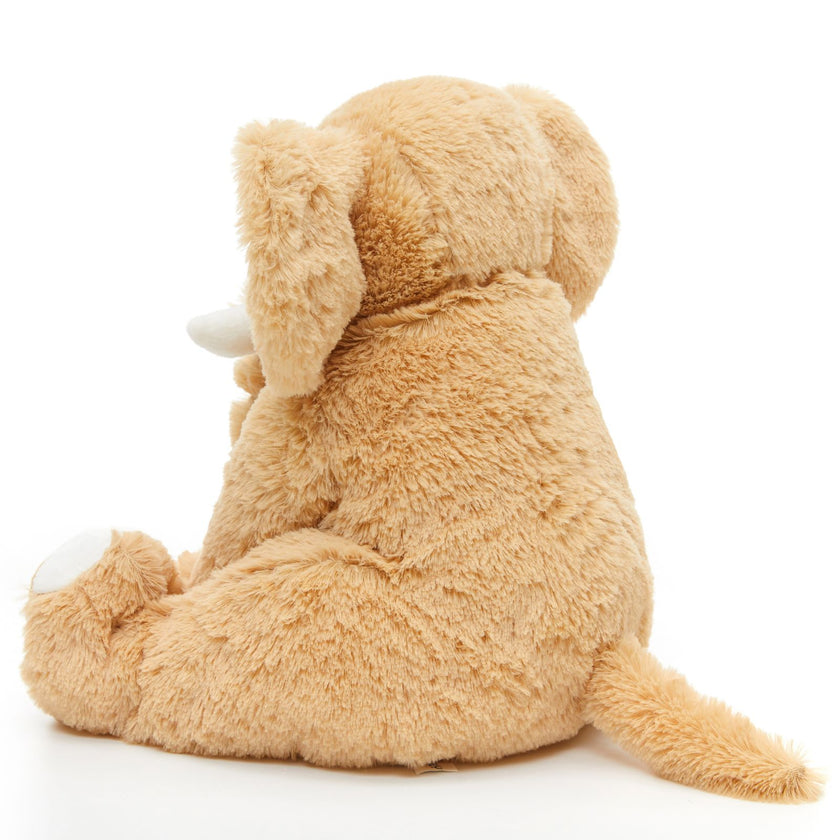
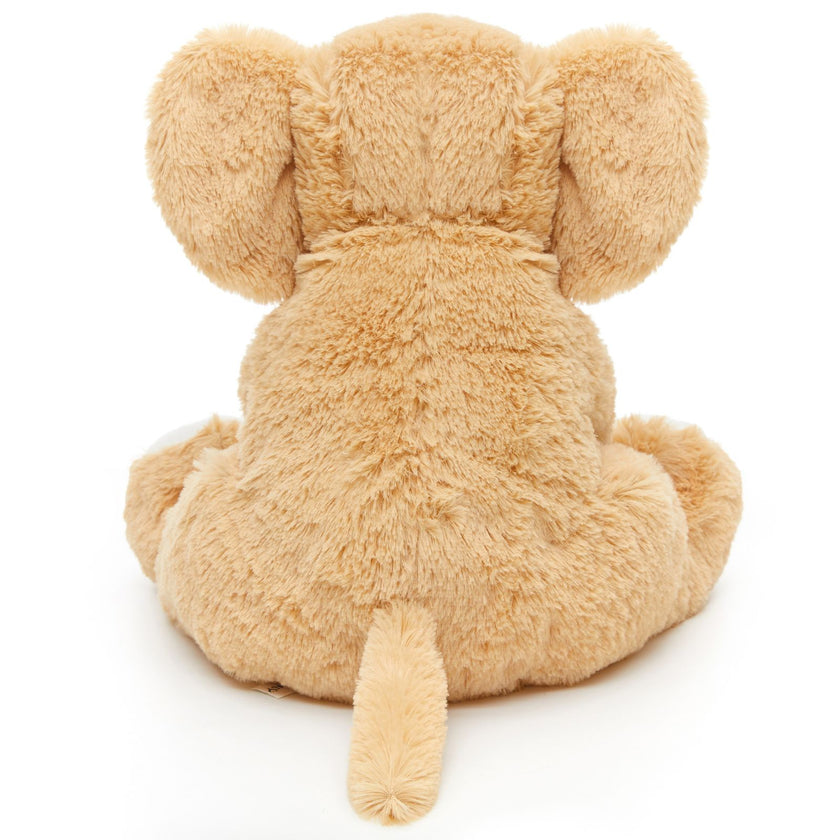
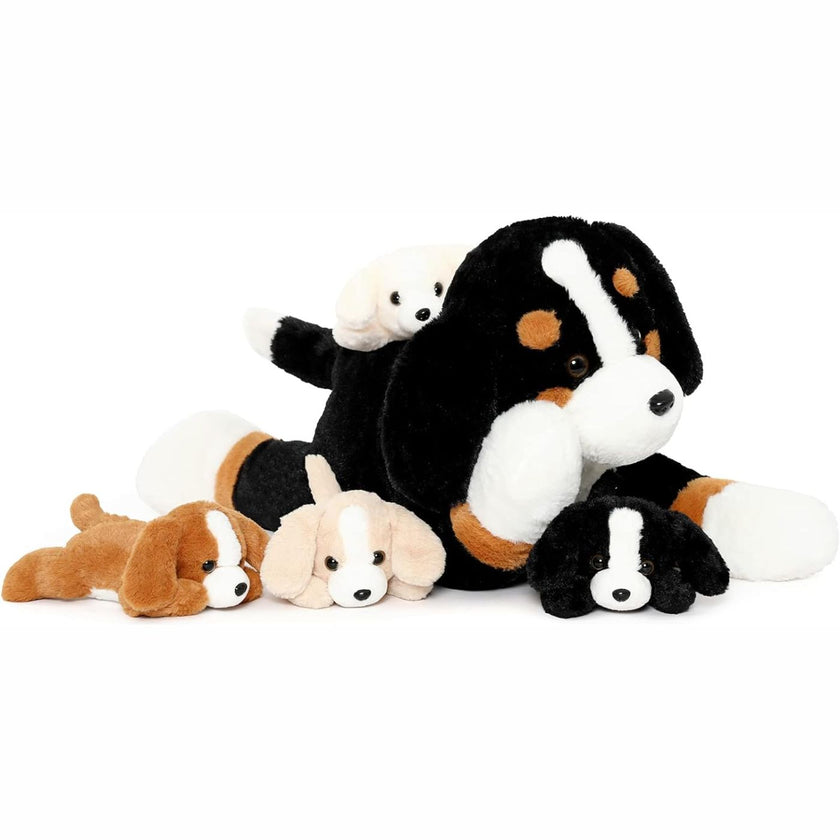
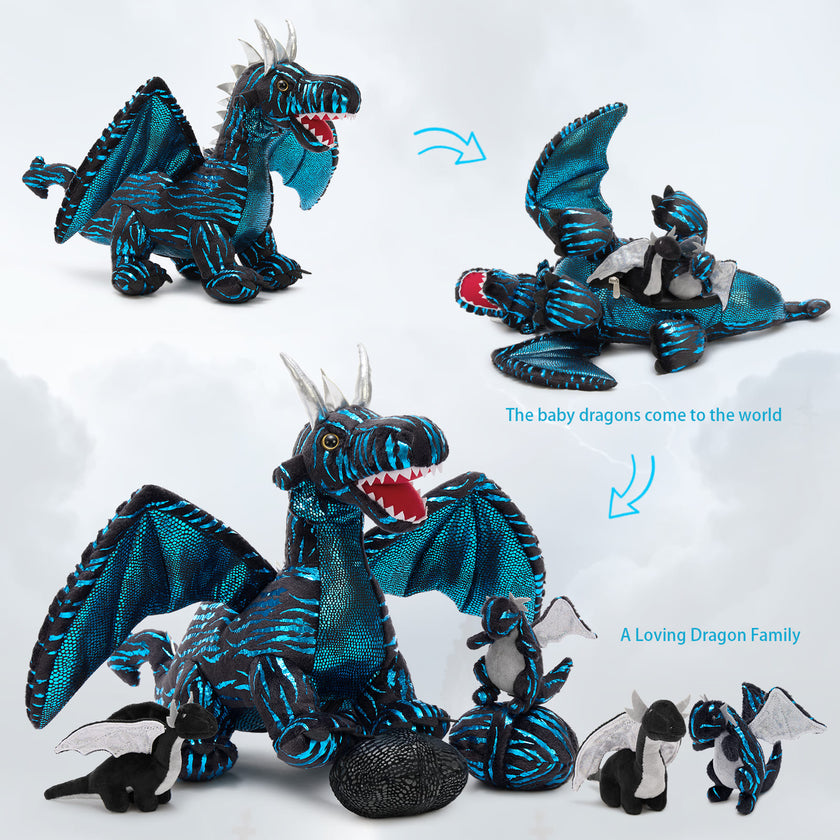
Stuffed animals are more than toys. For many people, they are comfort objects, childhood memories, emotional companions, or even collectibles. Over time, however, plush toys naturally collect dust, odors, allergens, and wear from daily handling.
Proper cleaning and storage not only keep them looking fresh, but also preserve their softness, structure, and sentimental value for years—sometimes even generations.
This guide covers everything you need to know about safely cleaning and storing stuffed animals, whether they are brand-new plushies, beloved childhood toys, or collectible display pieces.
Why Proper Plush Care Matters
Stuffed animals absorb much more than most people realize:
- Dust and airborne particles
- Skin oils and sweat
- Pet hair
- Moisture and odors
- Bacteria and allergens
Without proper care, plush toys can lose softness, fade in color, or even develop internal damage like clumped stuffing or weakened seams.
Good maintenance helps:
- Extend the lifespan of plush toys
- Preserve emotional value
- Reduce allergens in bedrooms (especially for children)
- Maintain shape and softness
- Keep collections display-ready
Step 1: Identify the Type of Stuffed Animal
Before cleaning anything, always check:
- Care label instructions (if available)
- Material type (cotton, polyester, microfiber, etc.)
- Presence of electronics or sound boxes
- Delicate embellishments (buttons, embroidery, sequins)
This determines whether the plush can be machine-washed, hand-washed, or only surface-cleaned.
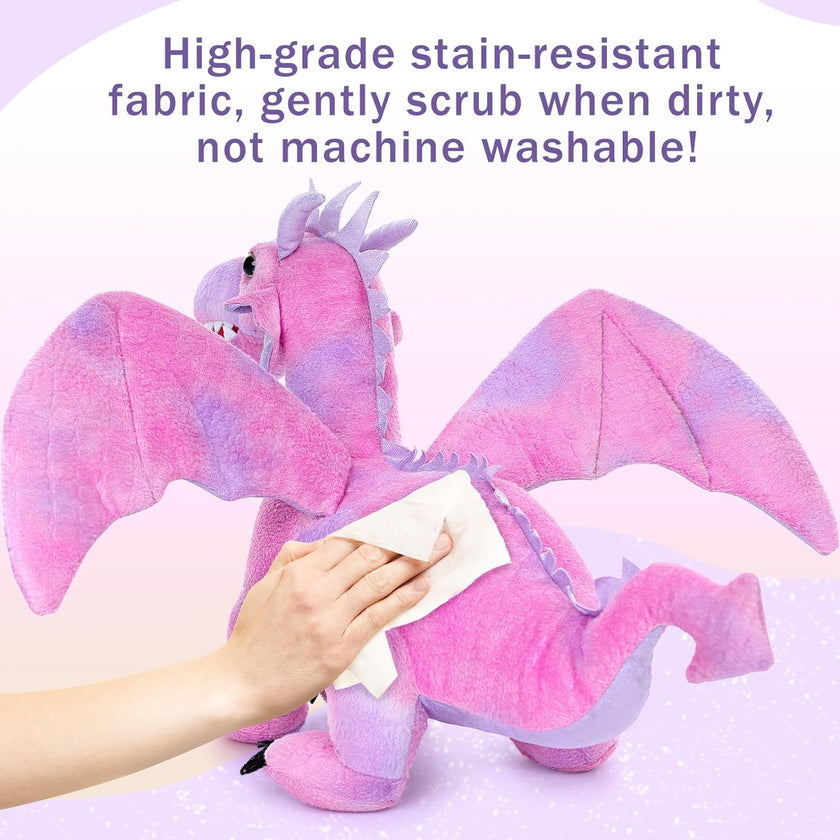
Step 2: Surface Cleaning (Best for Regular Maintenance)
Surface cleaning is ideal for frequent upkeep between deep washes.
What you need:
- Soft brush or lint roller
- Mild fabric-safe cleaner
- Clean microfiber cloth
Method:
- Gently brush off dust and debris
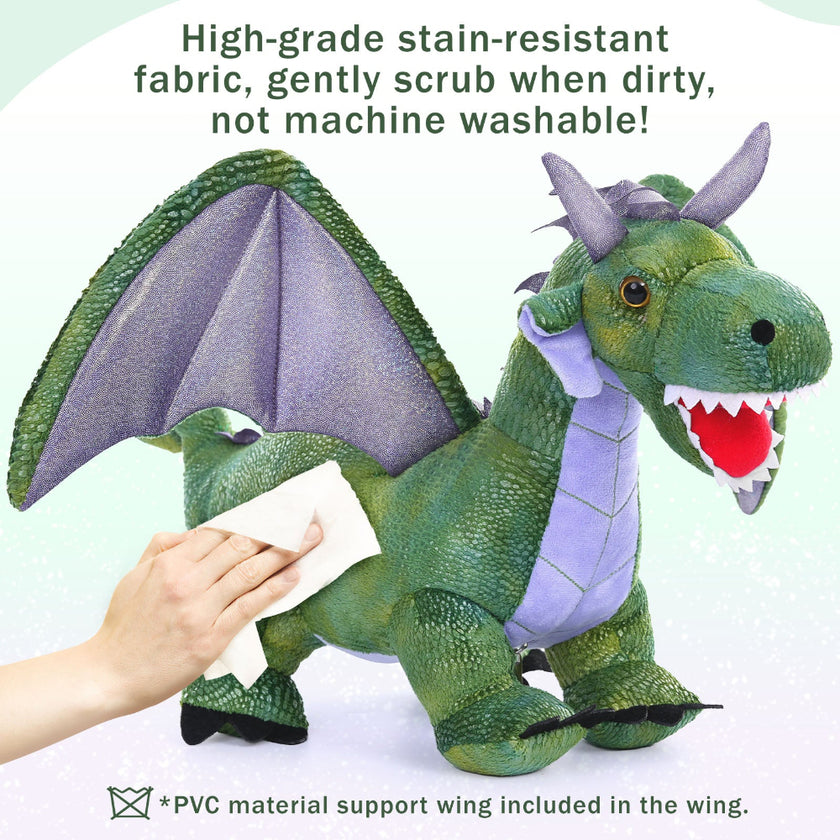
- Use a slightly damp cloth to wipe surface areas
- Spot-clean stains with a mild soap solution
- Let it air dry completely
Useful tip:
For plush toys used daily (like bedtime companions), do this once every 1–2 weeks to prevent buildup.
Step 3: Hand Washing (Safest Deep Cleaning Method)
Hand washing is the safest method for most plush toys.
Steps:
- Fill a basin with lukewarm water
- Add a small amount of mild detergent (baby shampoo works well)
- Submerge the stuffed animal gently
- Lightly squeeze (do not twist or wring)
- Focus on stained areas using gentle pressure
- Rinse thoroughly with clean water
Drying:
- Press out excess water with a towel
- Reshape the plush carefully
- Air dry in a ventilated area
- Avoid direct sunlight to prevent fading
Important:
Never use hot water—it can damage fibers and cause stuffing to clump.
Step 4: Machine Washing (Only When Safe)
Some modern stuffed animals are machine washable, but caution is important.
Best practices:
- Place plush in a laundry bag or pillowcase
- Use cold water only
- Choose a gentle cycle
- Avoid heavy spin settings
- Use mild detergent
Drying:
- Air drying is best
- If using a dryer, use the lowest heat setting with dryer balls
Step 5: Removing Odors Naturally
Stuffed animals can develop odors from long-term use or storage.
Safe deodorizing methods:
- Baking soda: sprinkle lightly, leave overnight, then shake out
- Fresh air exposure: place near an open window (not direct sun)
- Fabric-safe deodorizing spray
Avoid strong perfumes—they can linger and damage fibers.
Step 6: Restoring Shape and Softness
After washing, plush toys may look flat or uneven.
How to restore:
- Gently massage stuffing areas
- Shake the plush to redistribute the filling
- Use fingers to reshape limbs and face
- Air fluff occasionally during drying
For heavily compressed toys, placing them in a dryer with no heat and dryer balls for 10–15 minutes can help restore fluffiness.
Step 7: Proper Storage Techniques
Storing stuffed animals correctly is just as important as cleaning them.
Poor storage can lead to:
- Flattening
- Dust buildup
- Fabric discoloration
- Moisture damage
Best Storage Methods
1. Breathable Storage Bags
Use cotton or fabric storage bags instead of plastic.
Why:
- Prevents moisture buildup
- Allows airflow
- Reduces mildew risk
2. Display Shelving (Best for Collections)
If you collect plush toys:
- Use open shelves
- Avoid overcrowding
- Rotate items occasionally
- Keep away from direct sunlight
3. Vacuum Storage Bags (Use Carefully)
Good for long-term storage, but not ideal for delicate plush.
Pros:
- Saves space
Cons:
- Can flatten stuffing permanently
Use only for less sentimental or spare plush toys.
4. Storage Boxes with Silica Packs
Ideal balance between protection and breathability.
- Add silica gel packets to prevent moisture
- Line box with soft fabric
- Store in a cool, dry place
Step 8: Protecting Plush During Long-Term Storage
For seasonal or childhood keepsakes:
- Clean thoroughly before storing
- Ensure completely dry (very important)
- Wrap in cotton fabric or acid-free tissue
- Store in dark, temperature-stable areas
- Avoid basements or humid spaces
Bonus: Expert Tips for Plush Longevity
Here are professional-level care tips most people don’t know:
Rotate plush usage
If a toy is used daily, rotate it with another to reduce wear.
Keep away from food areas
Prevents stains and bacteria buildup.
Avoid direct sunlight
UV exposure fades colors over time.
Handle with clean hands
Natural oils transfer easily to fabric.
Repair small damage early
Loose seams or tears should be fixed immediately before worsening.
Final Thoughts
Stuffed animals carry emotional value that often lasts far longer than their physical durability. With proper cleaning and thoughtful storage, they can remain soft, safe, and meaningful for many years.
Whether you're caring for a child’s favorite bedtime plush or building a curated collection, consistent maintenance ensures your stuffed animals stay as comforting and beautiful as the day they were first loved.