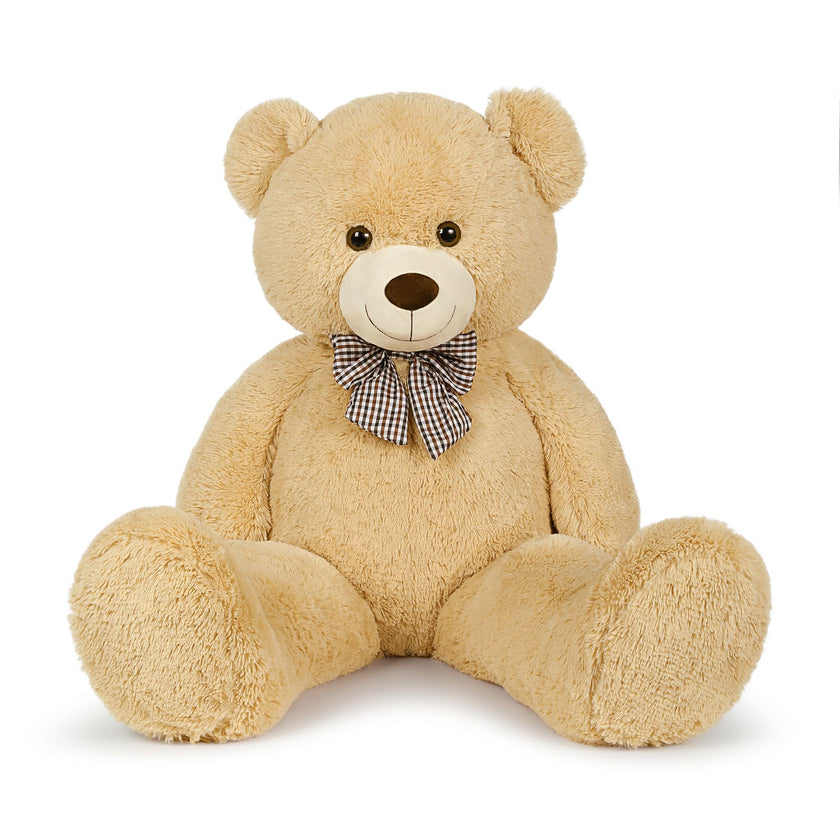
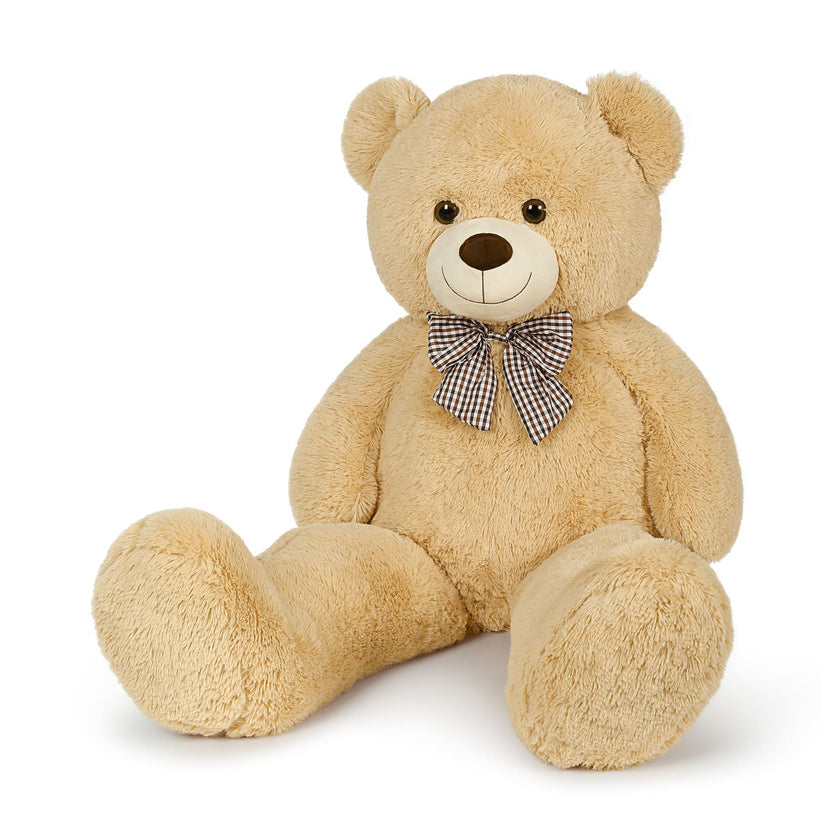
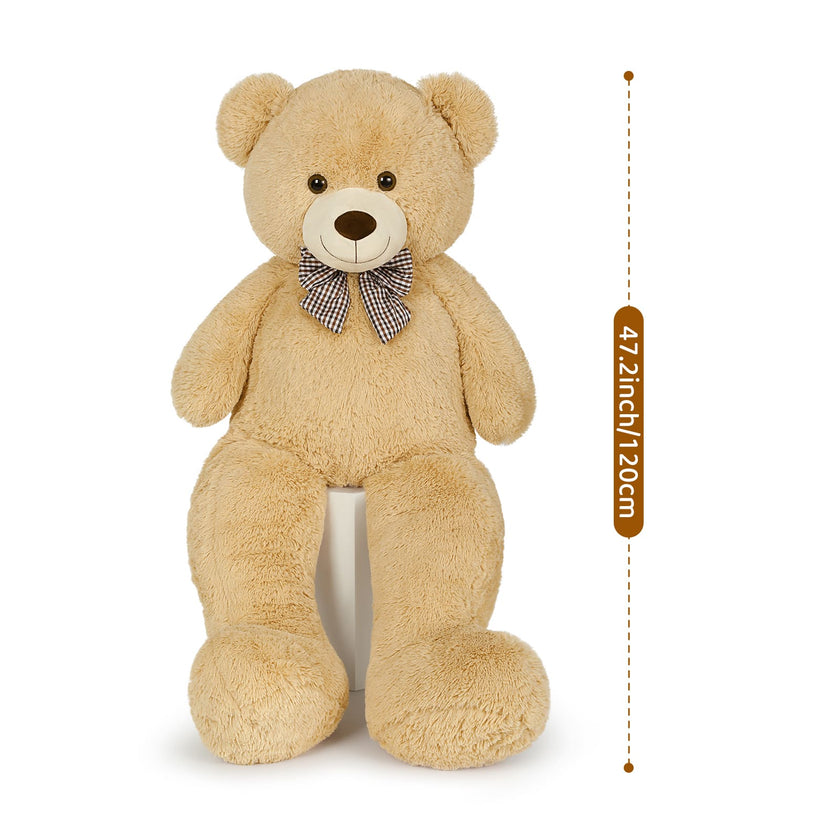
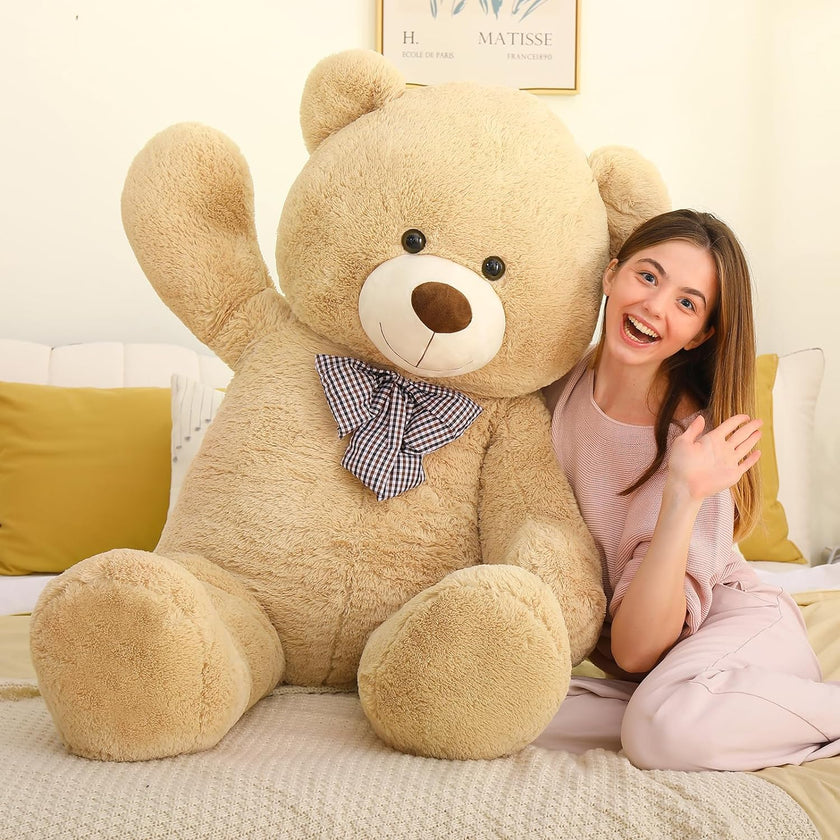
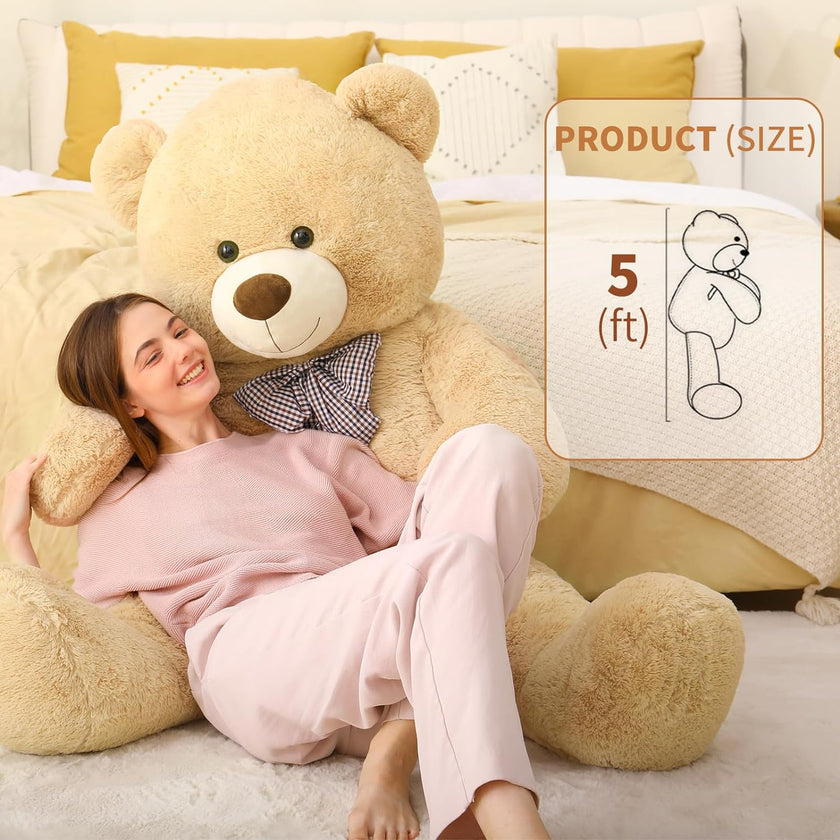
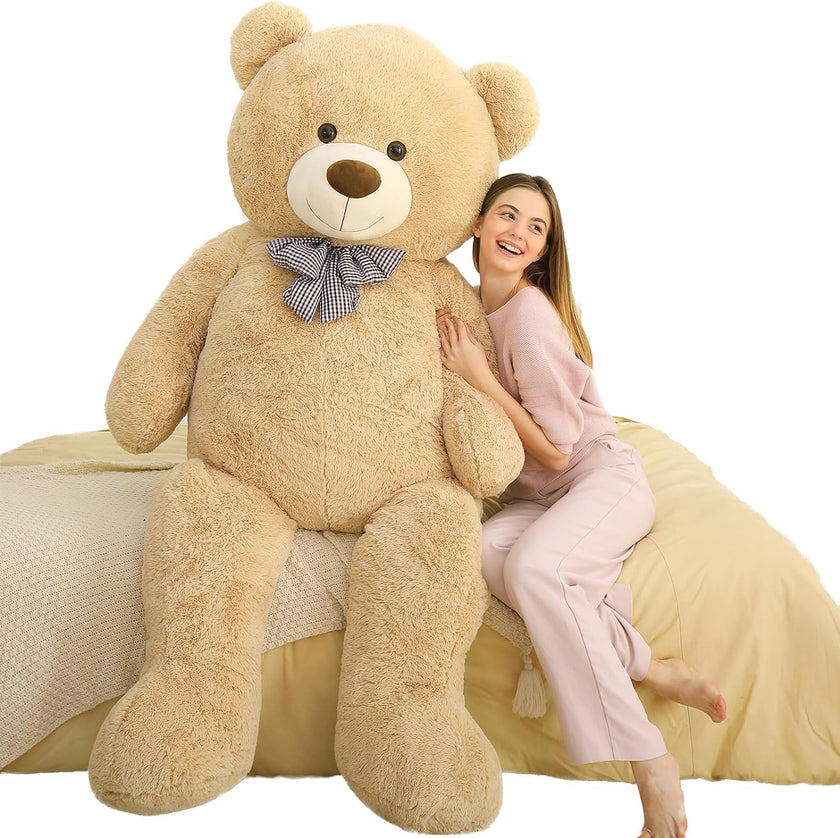
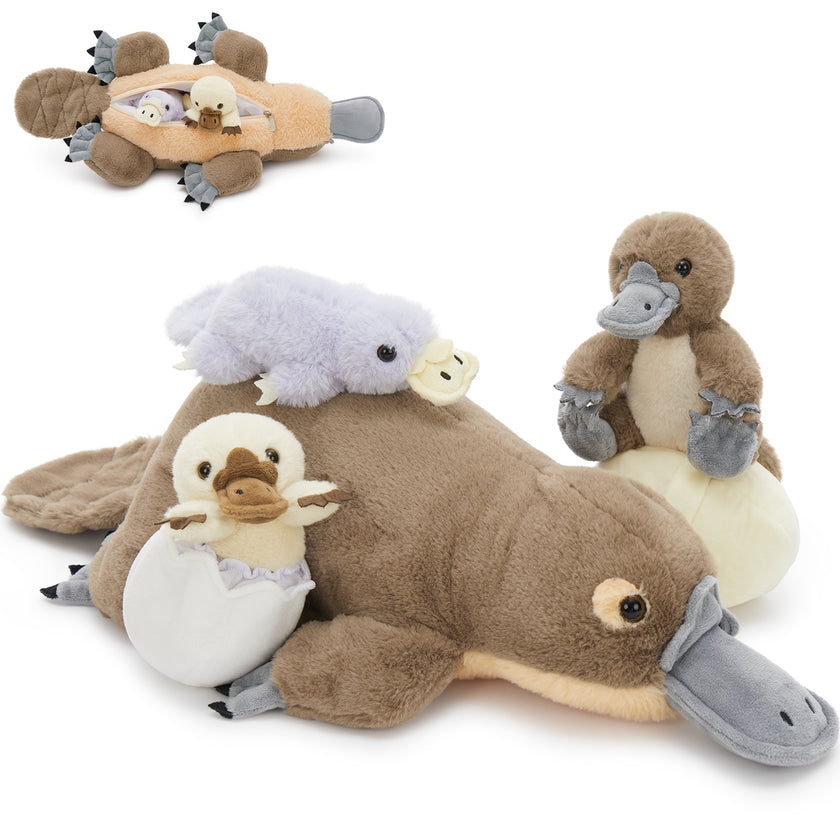
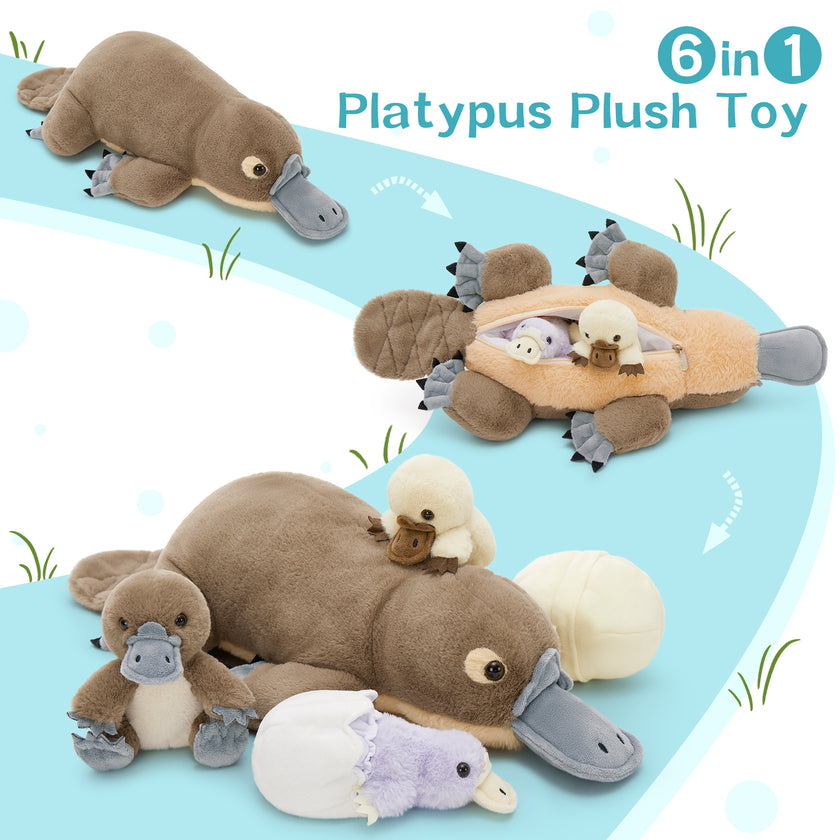
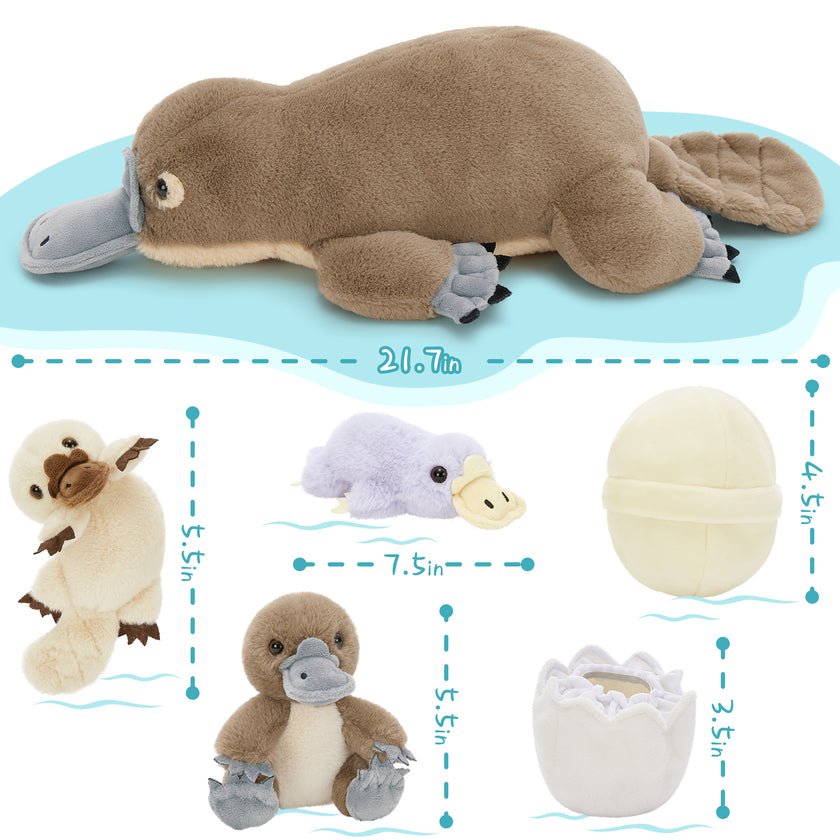
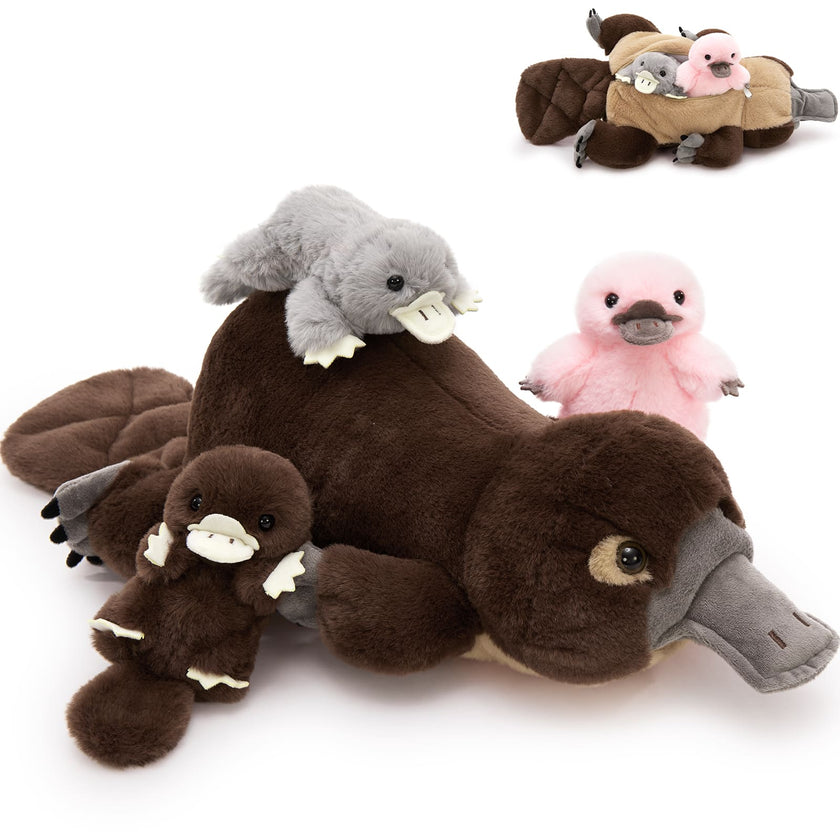
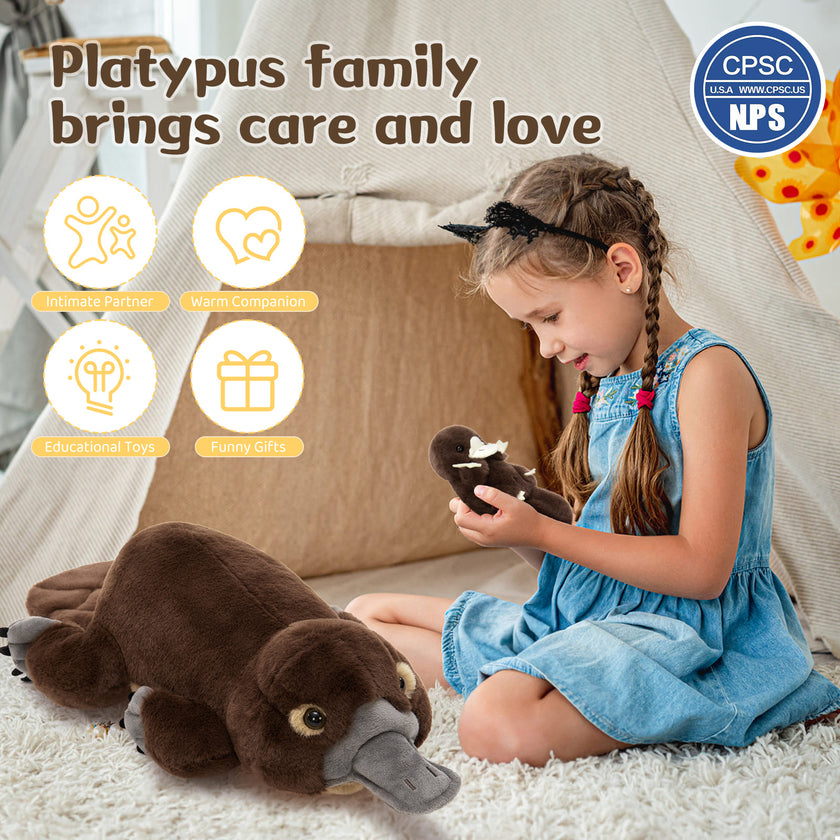
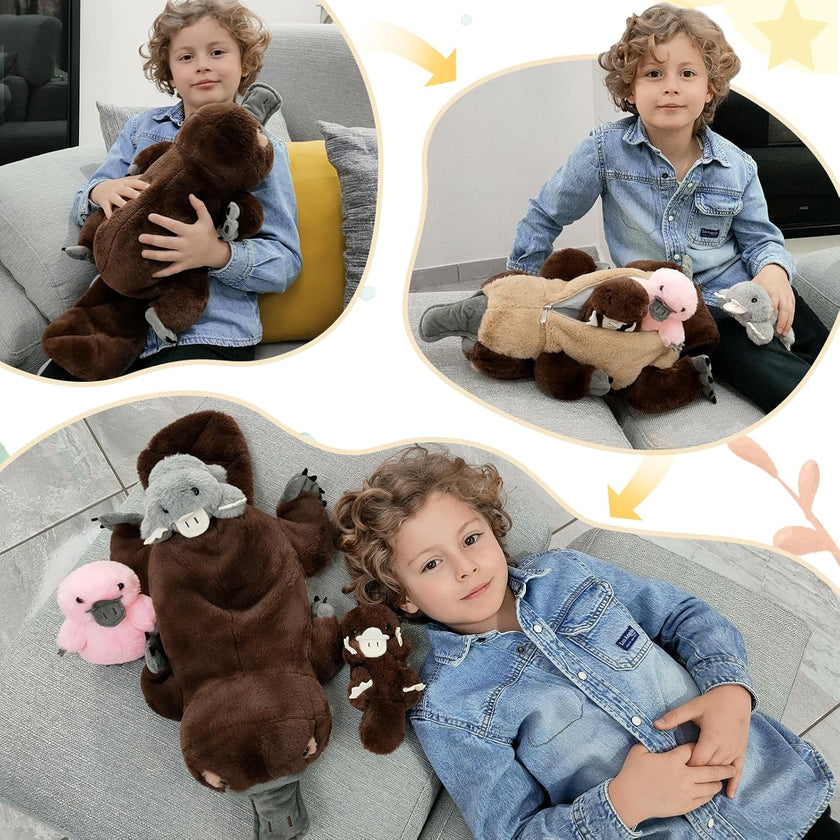
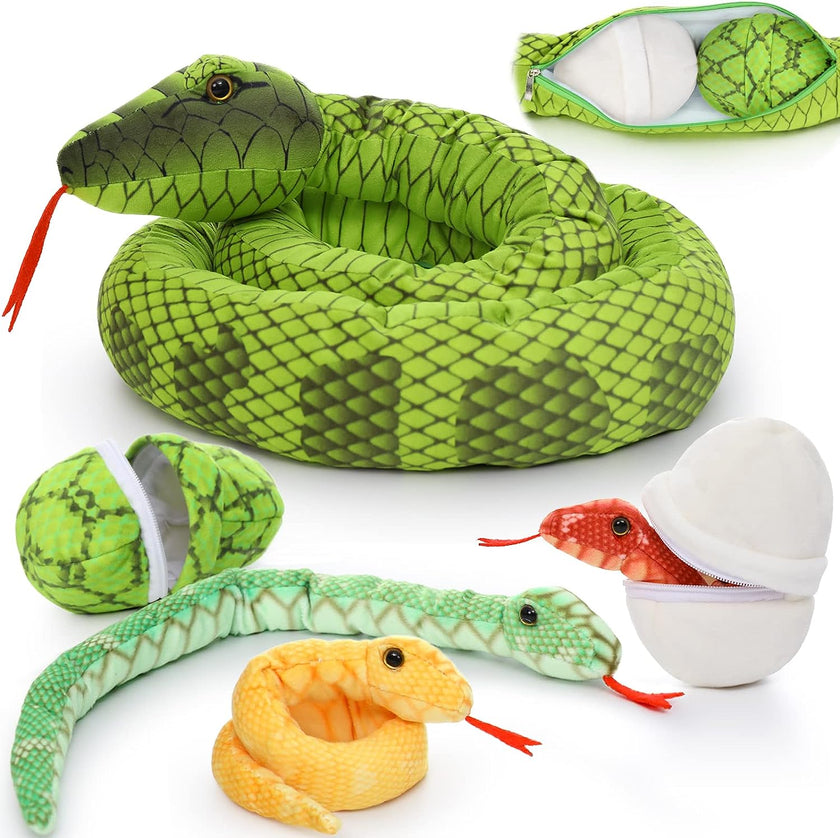
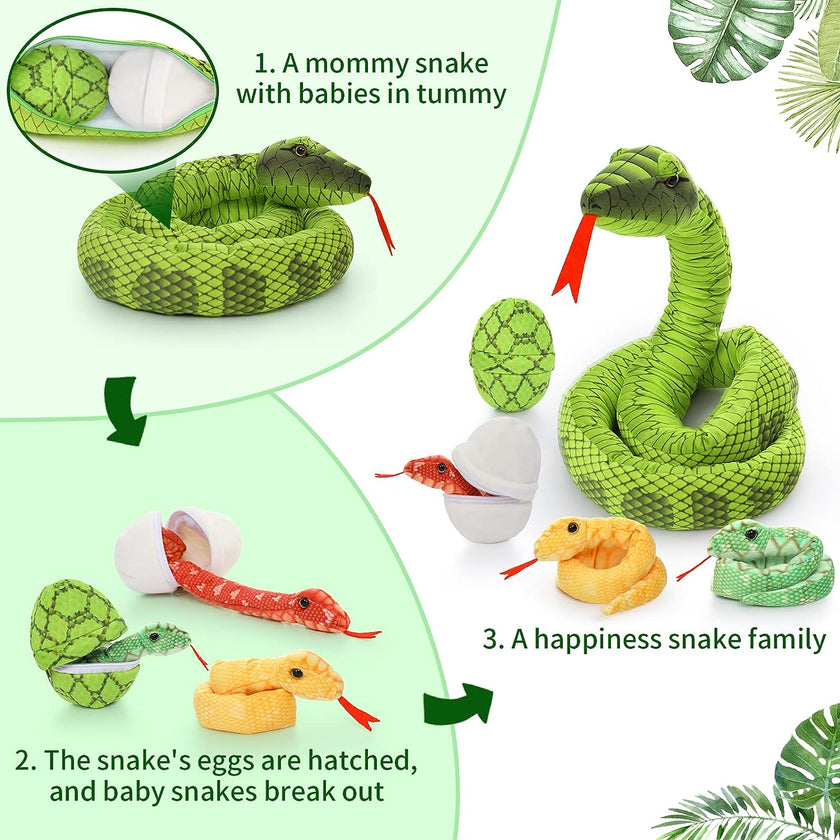
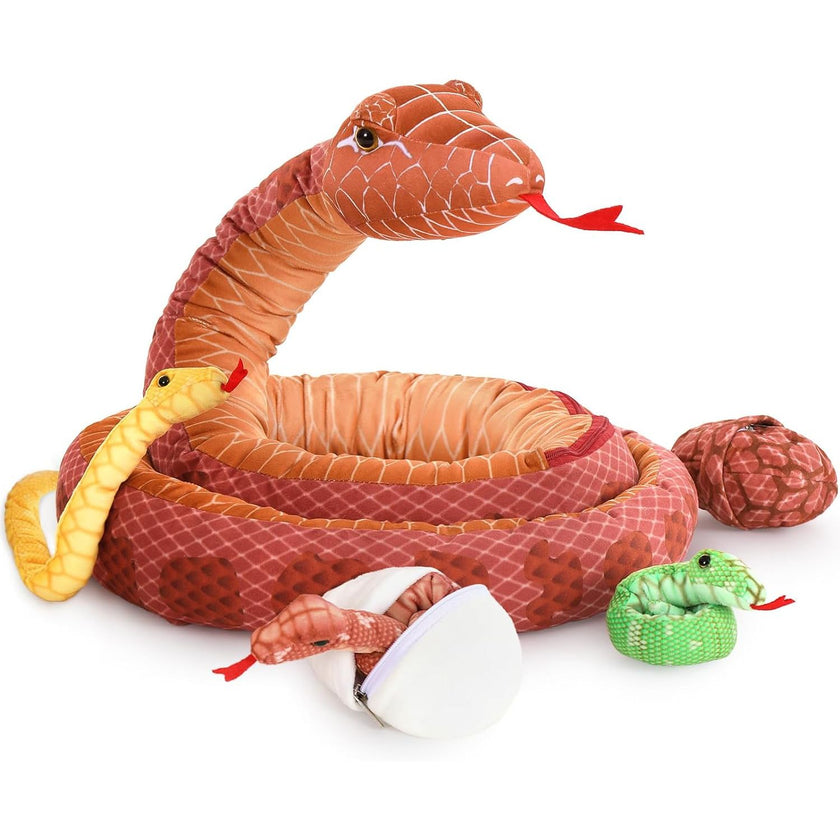
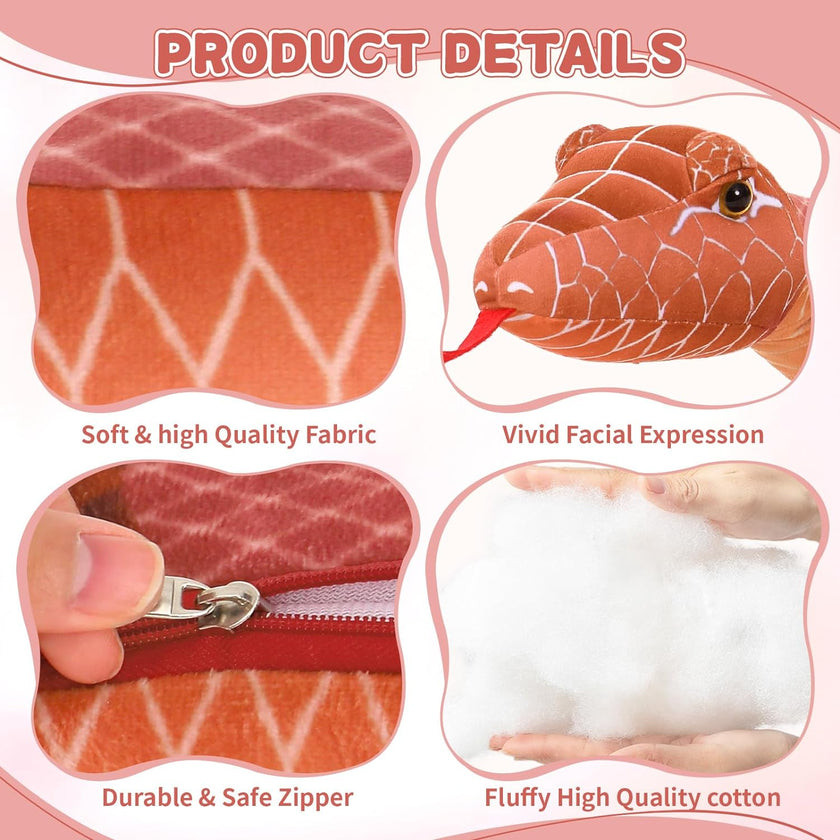
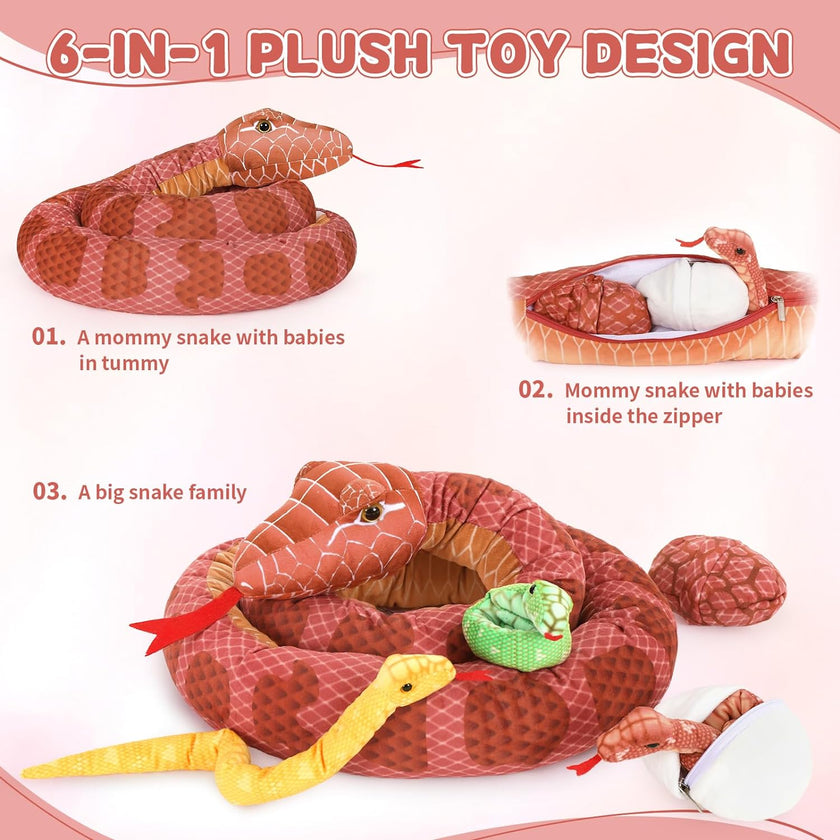
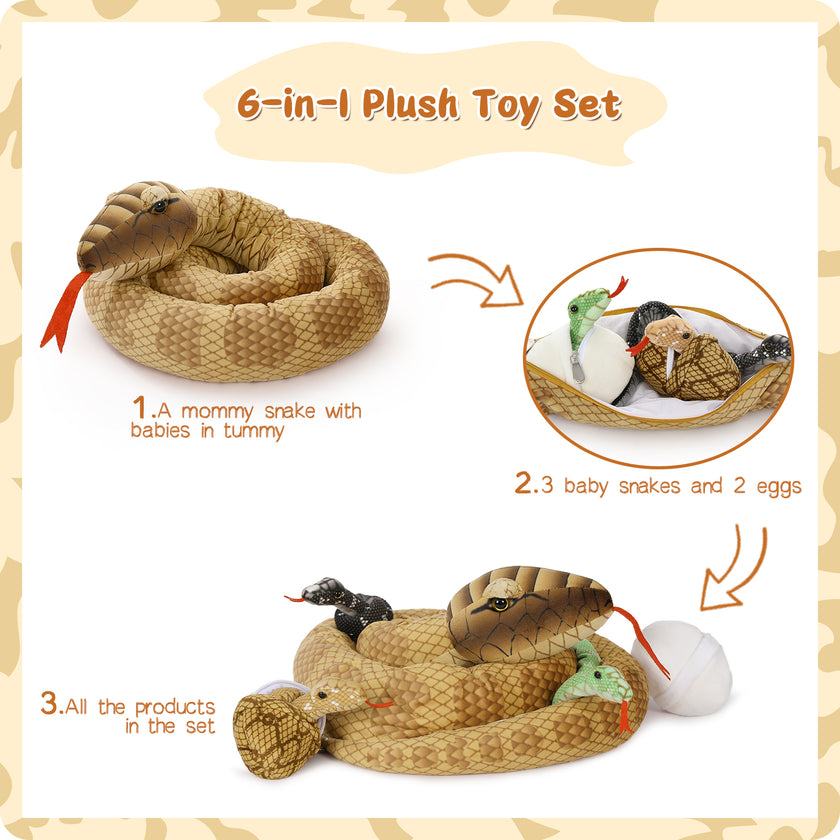
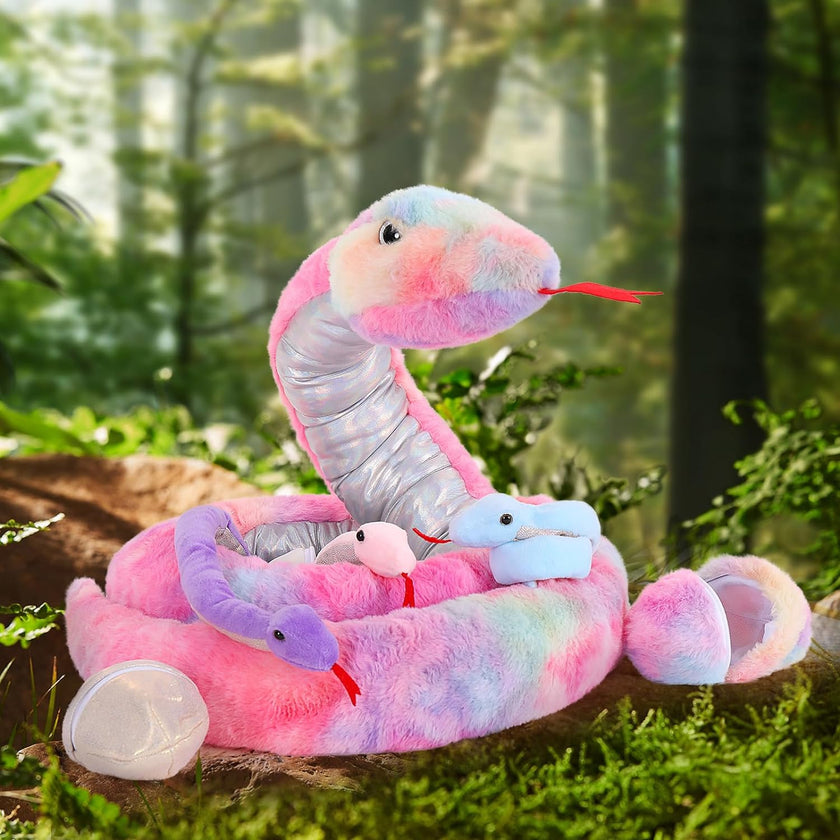
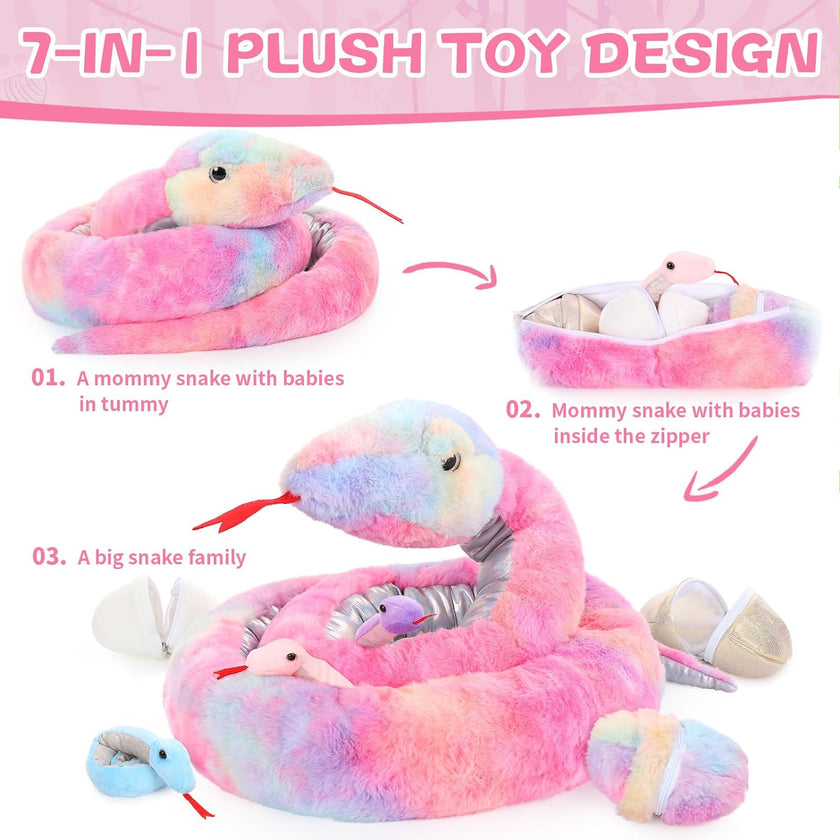
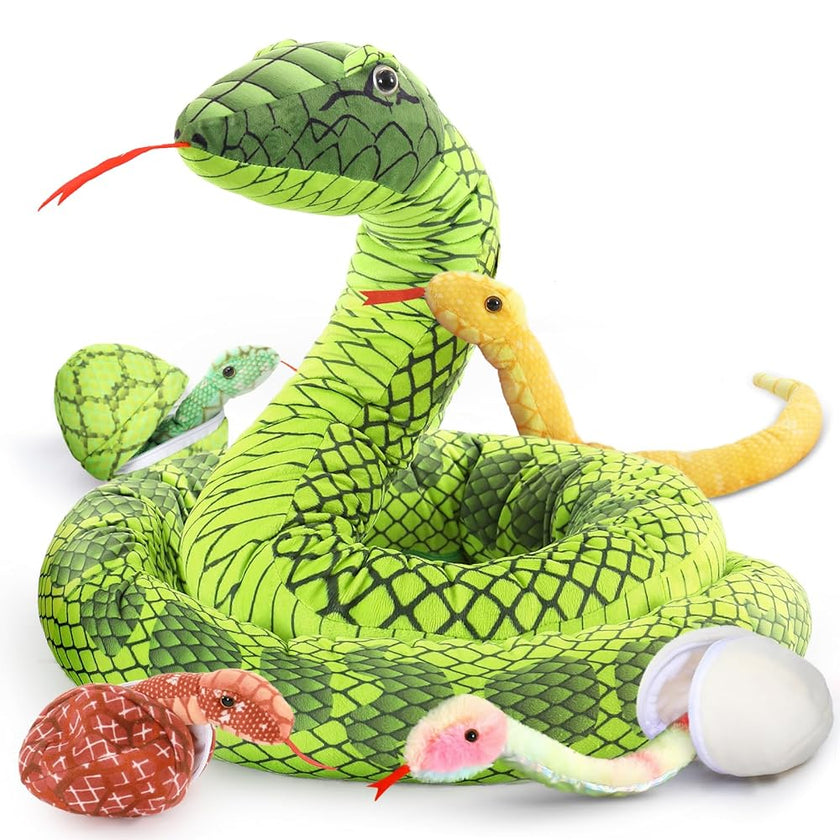
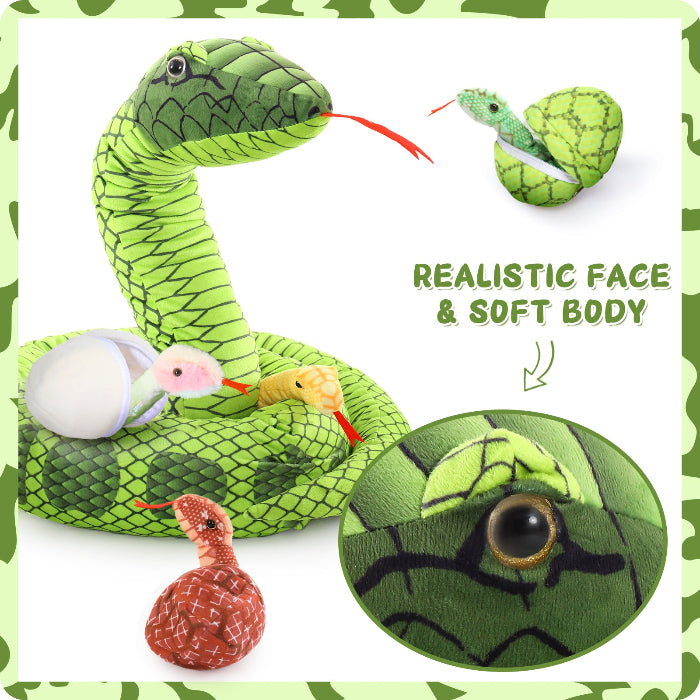
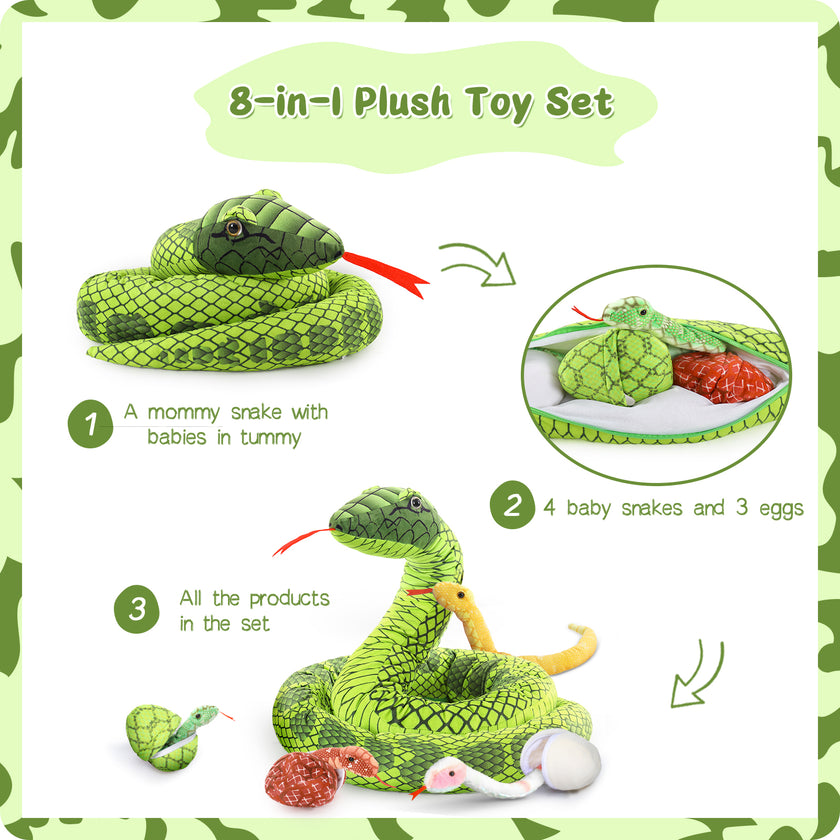
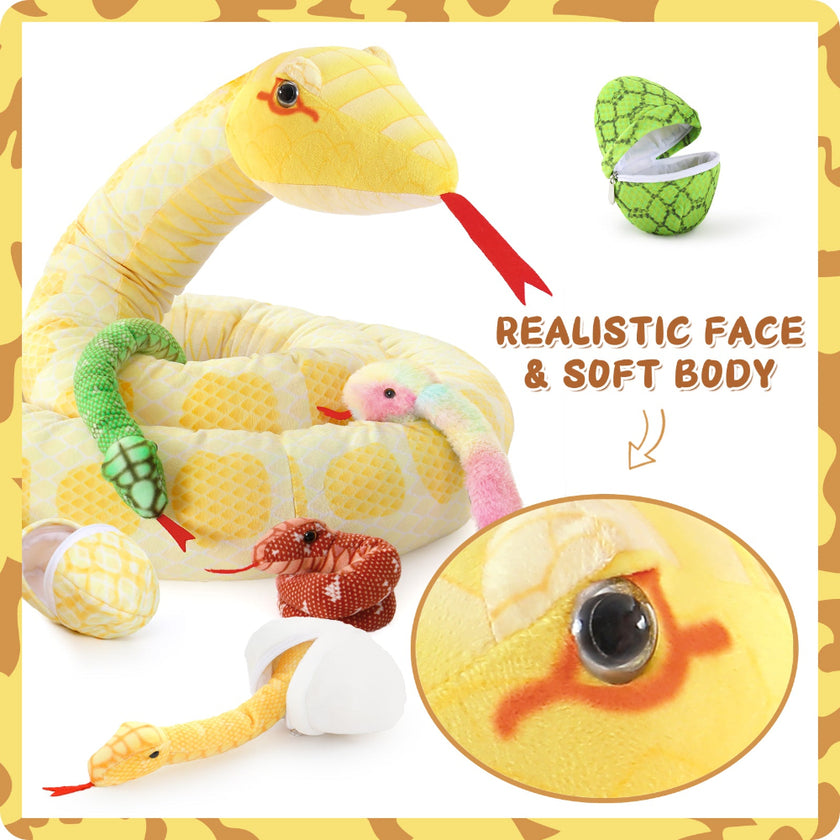
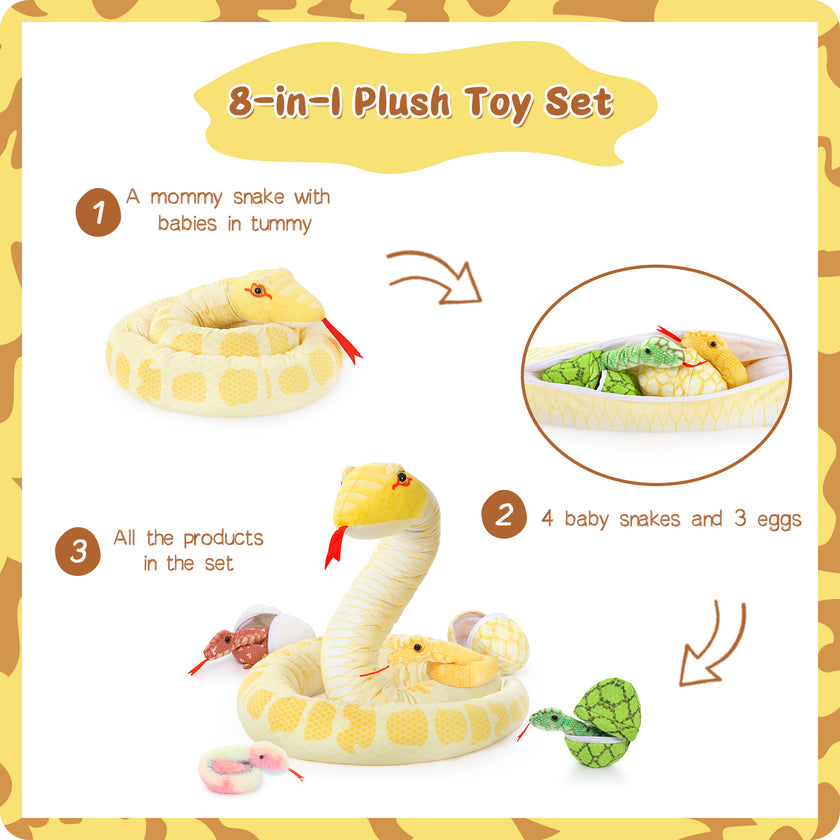
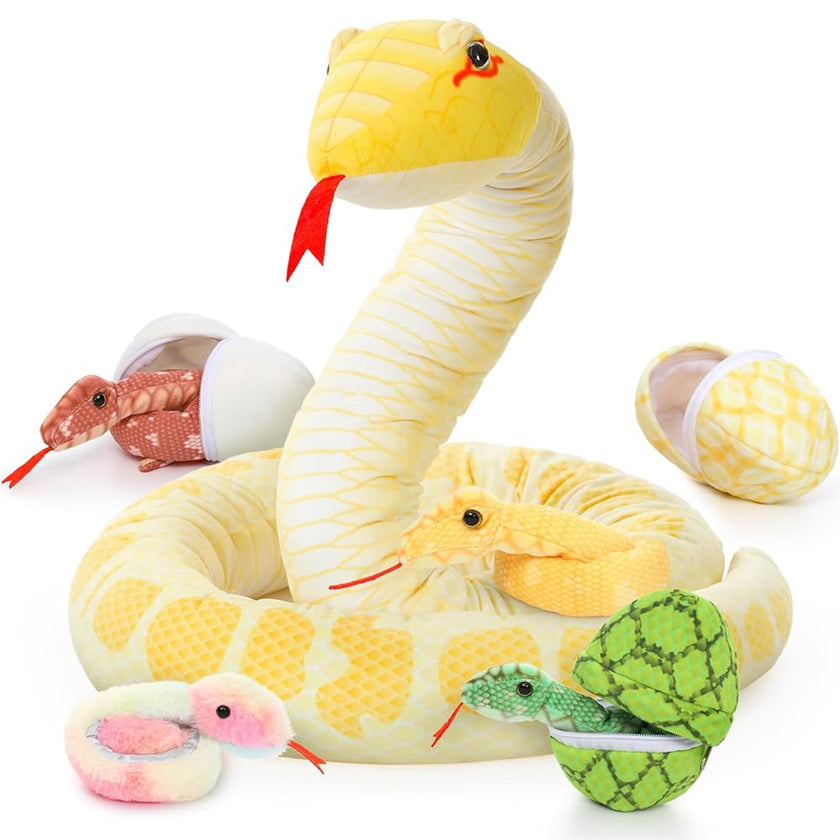
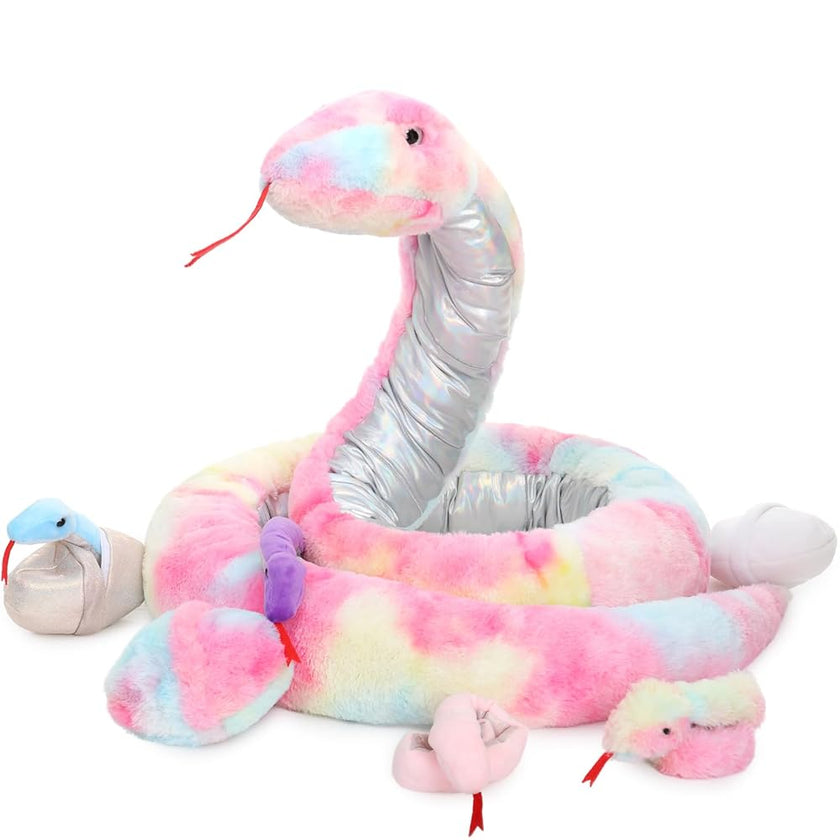
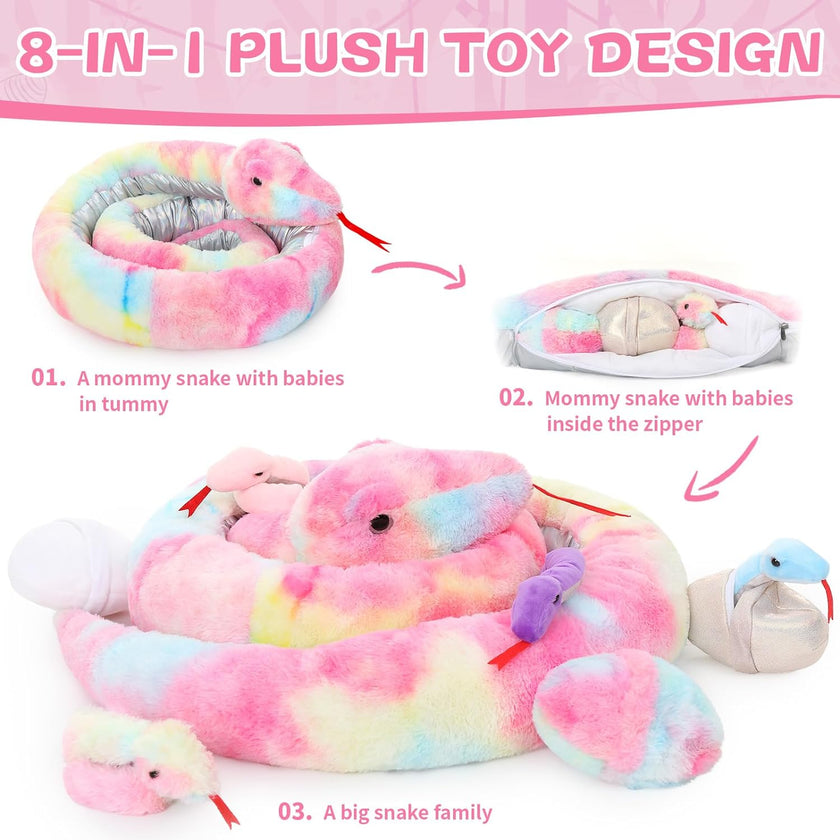
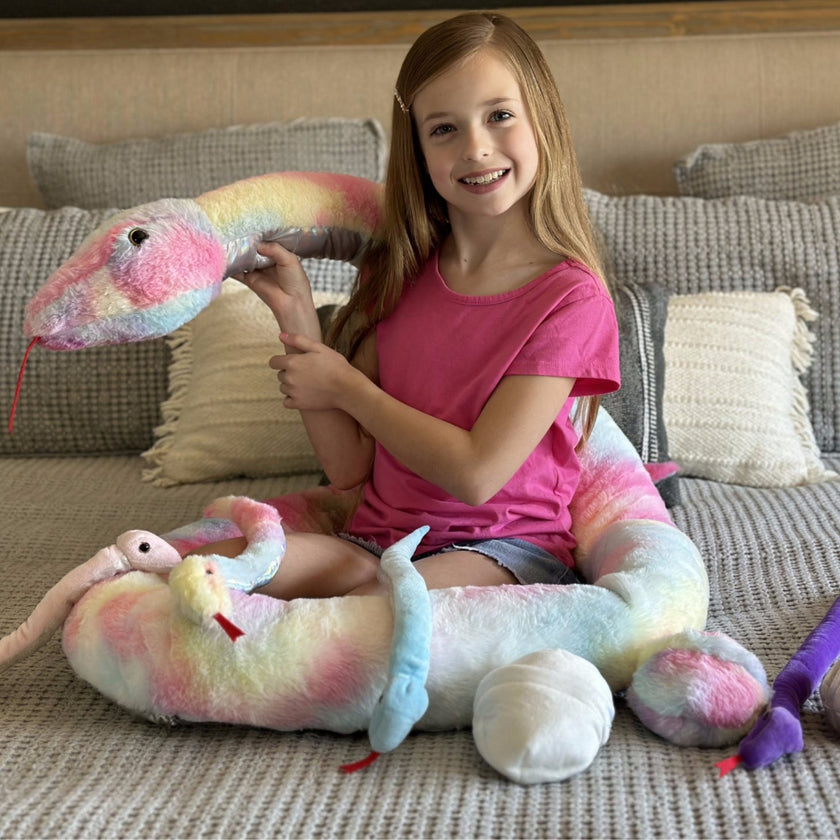
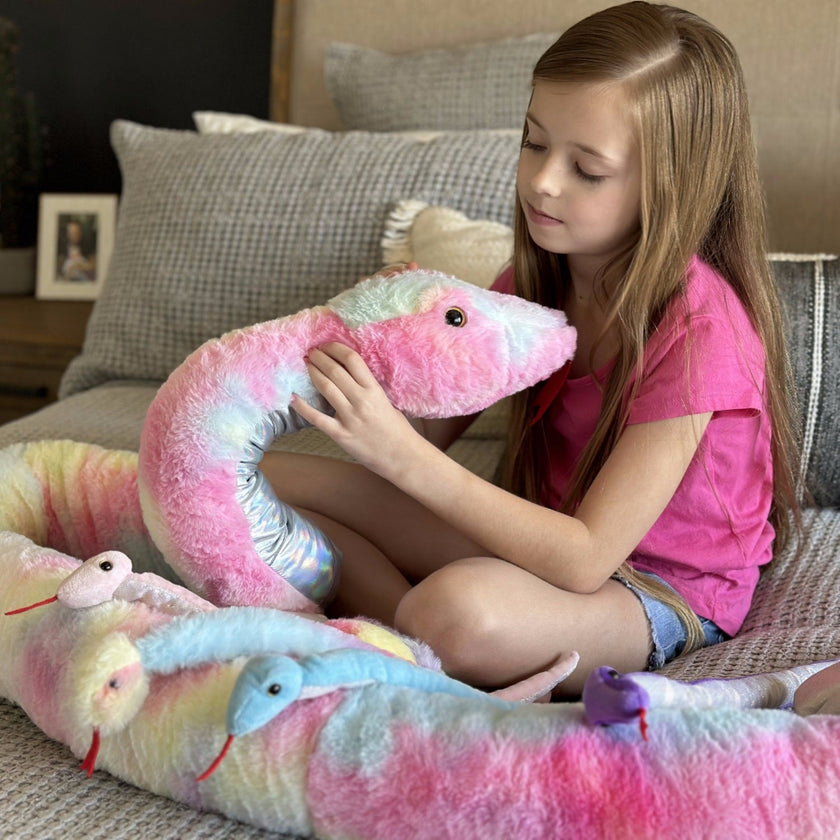
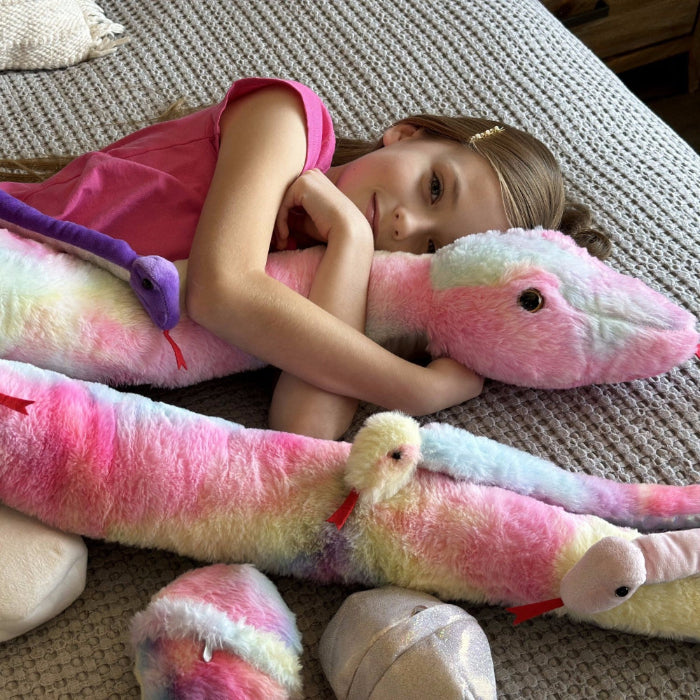
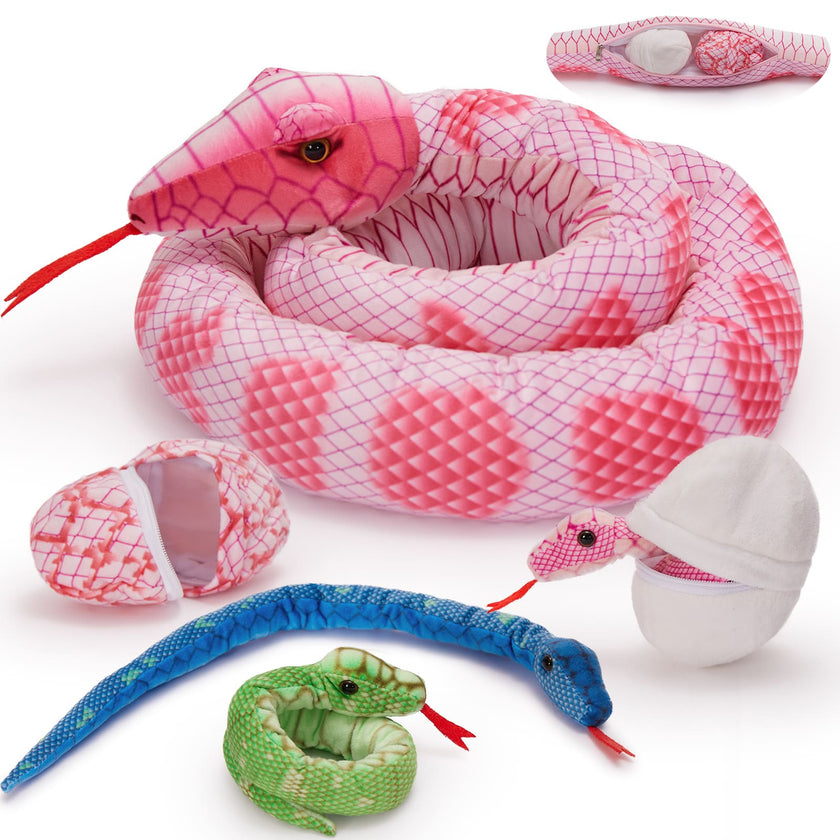
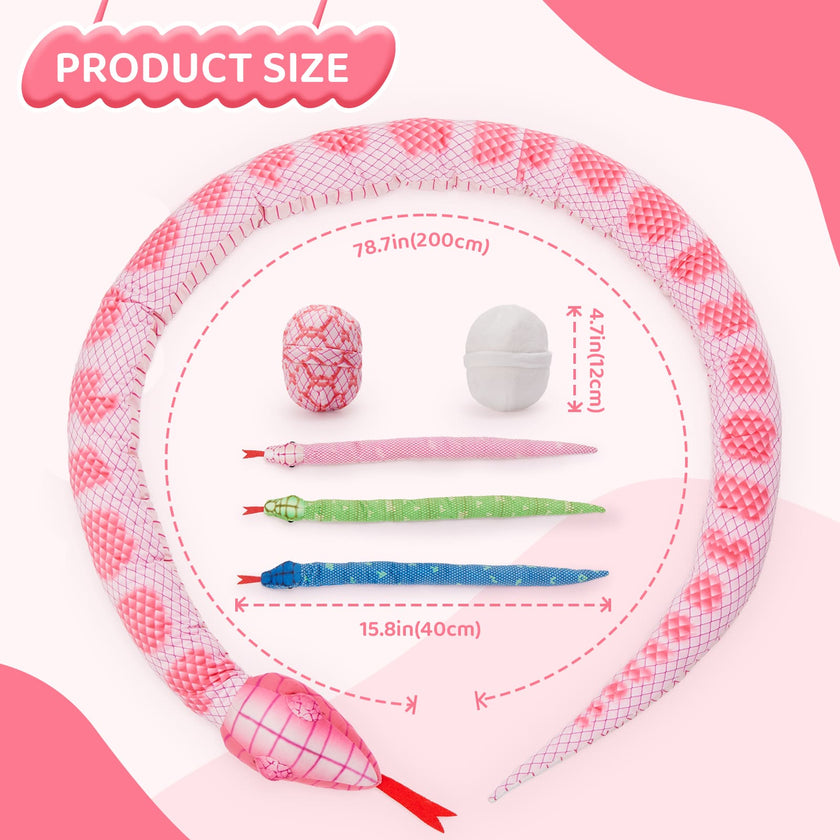
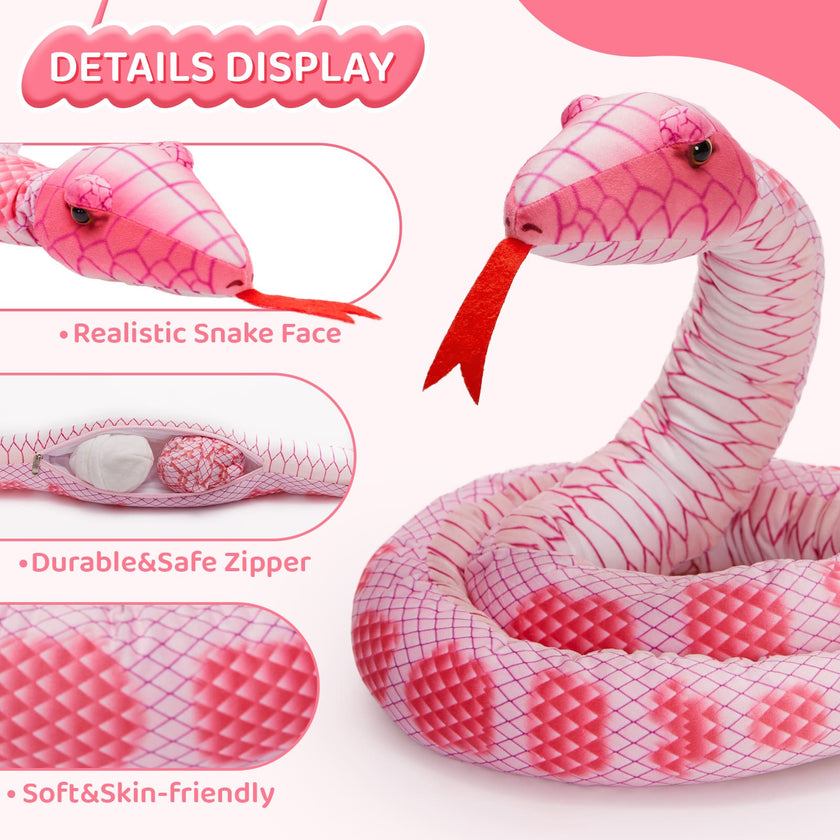
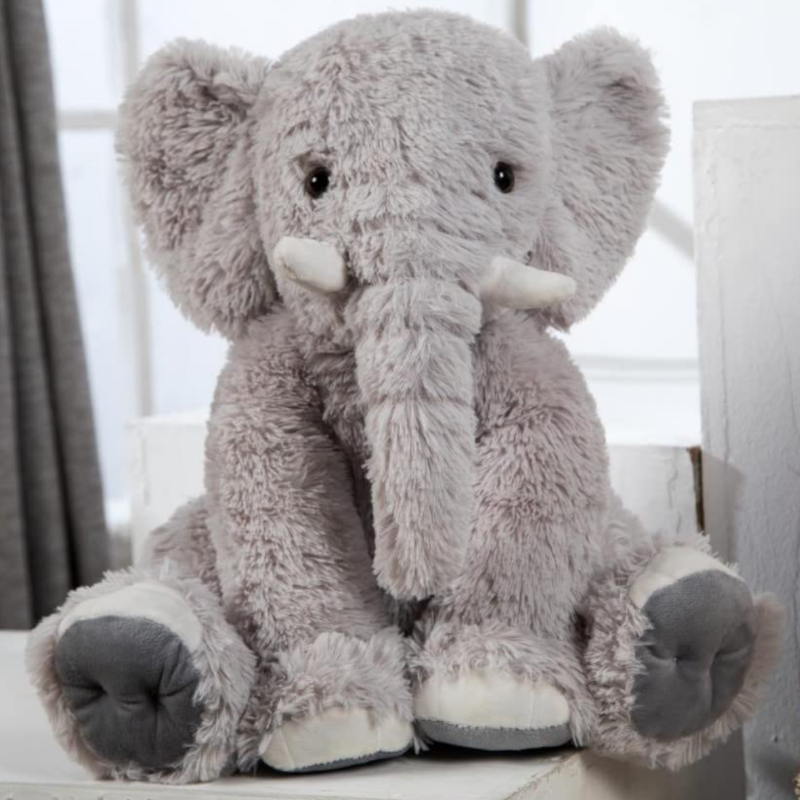
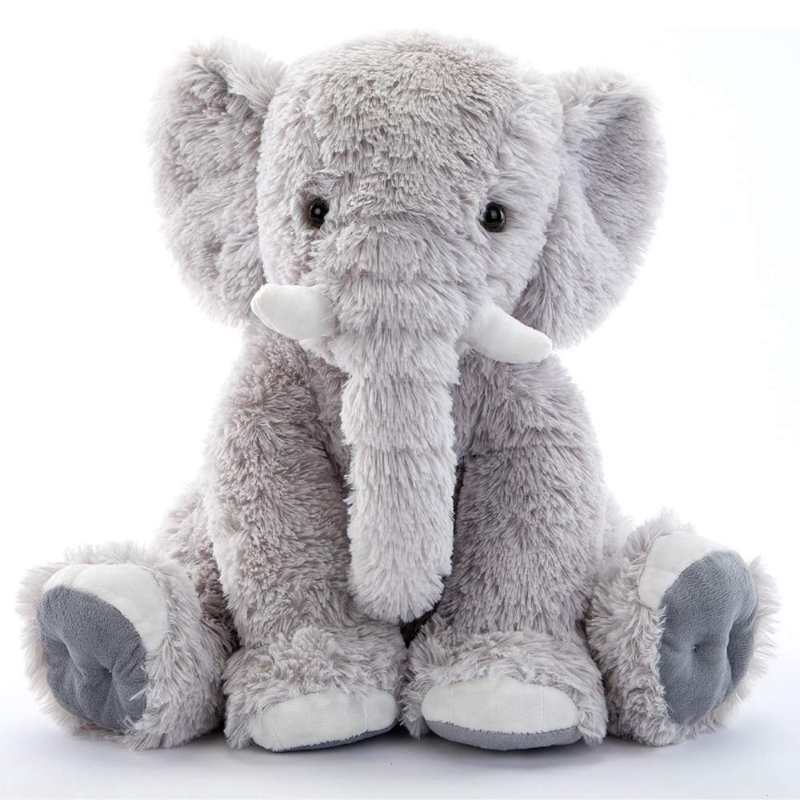
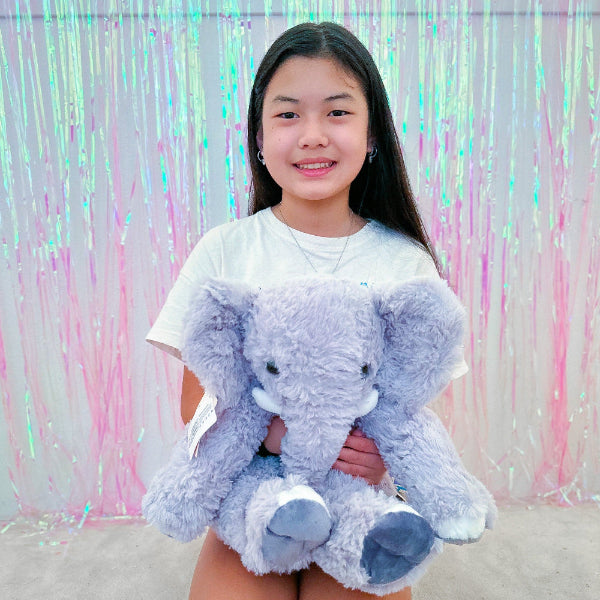
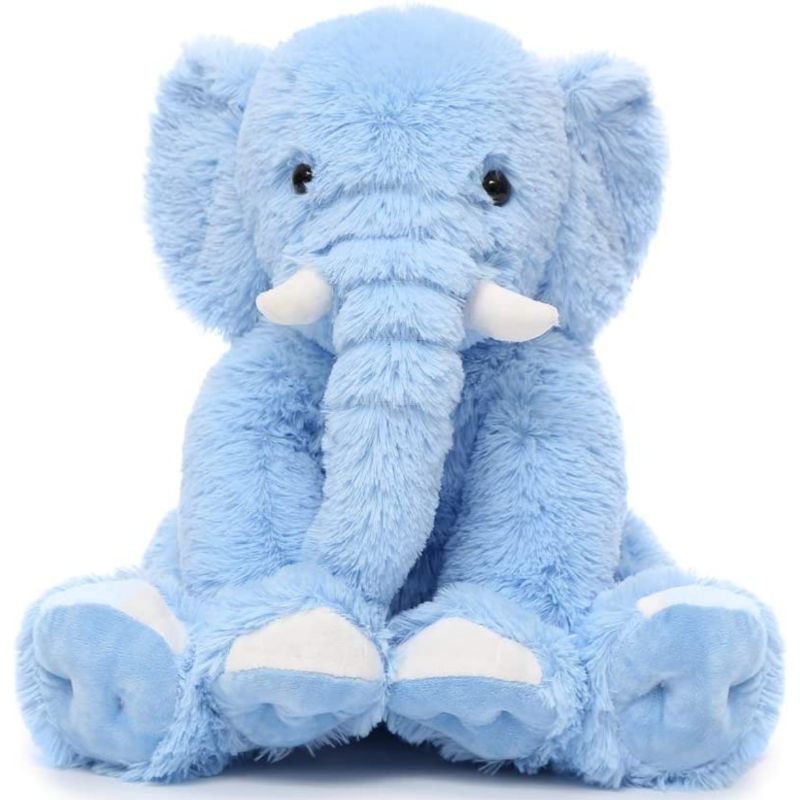
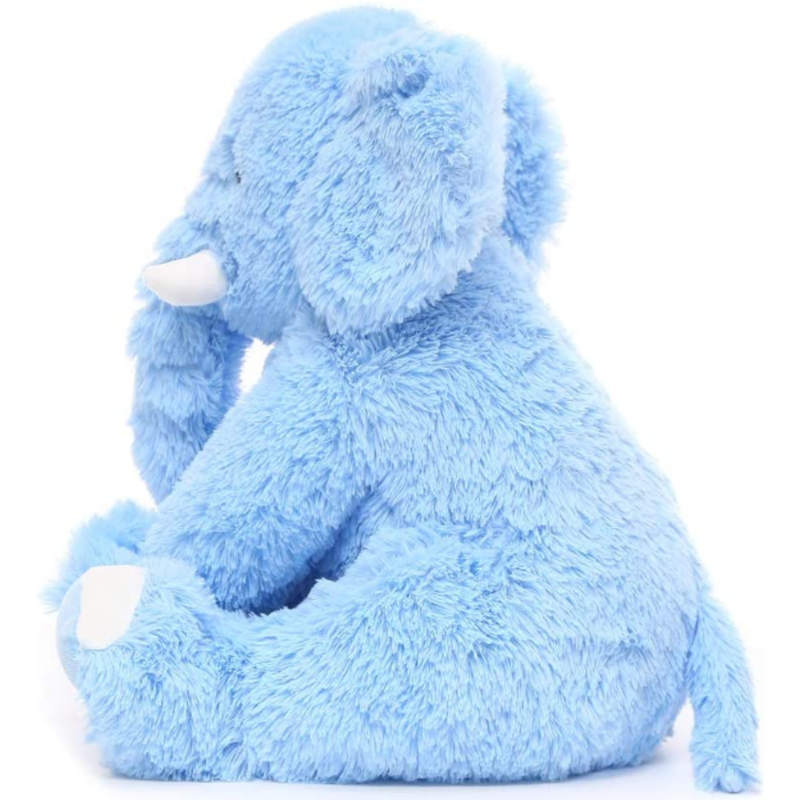
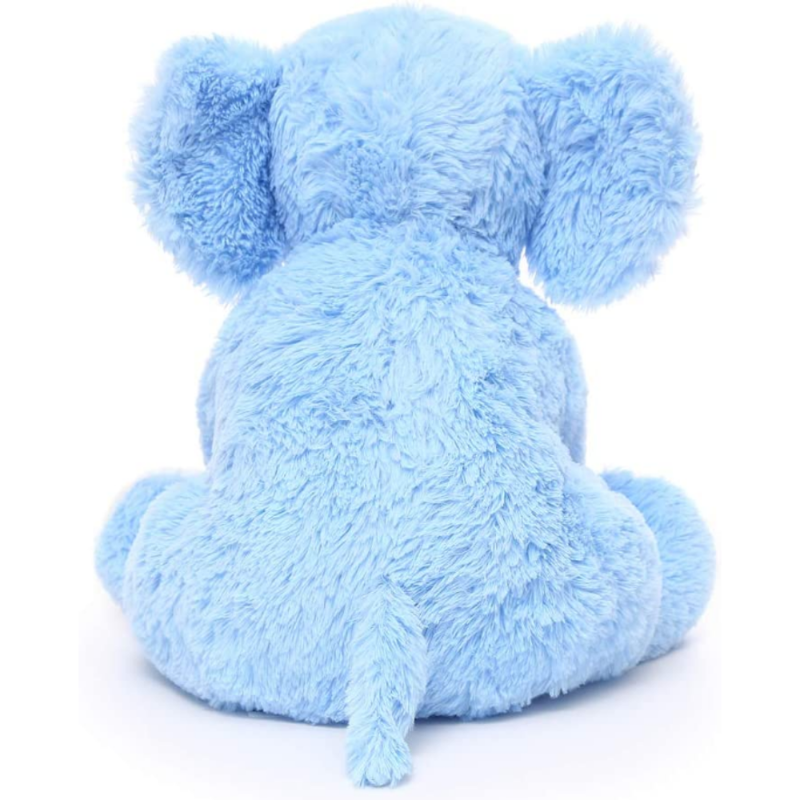
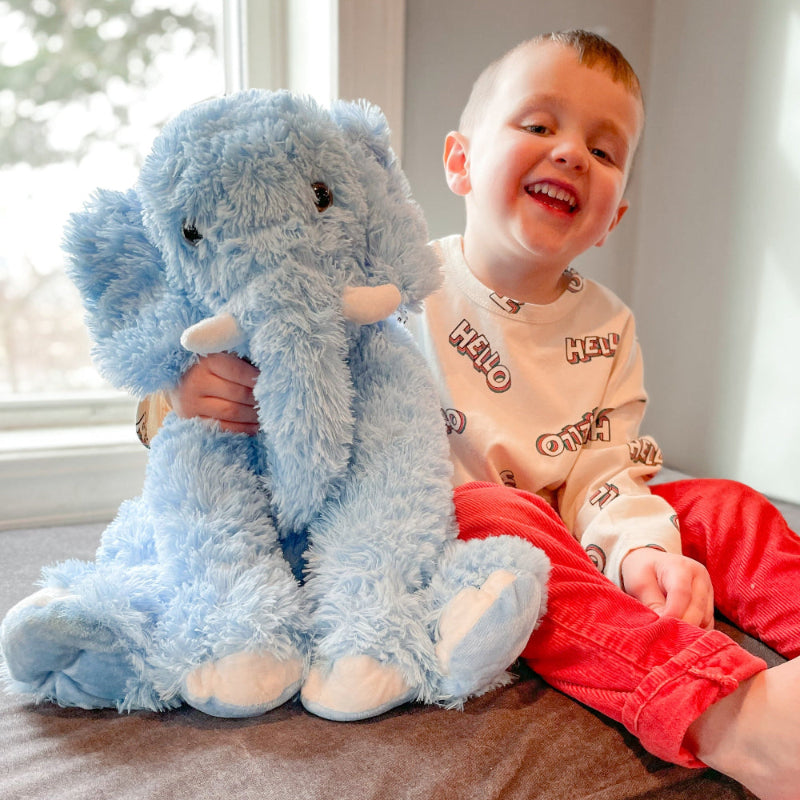
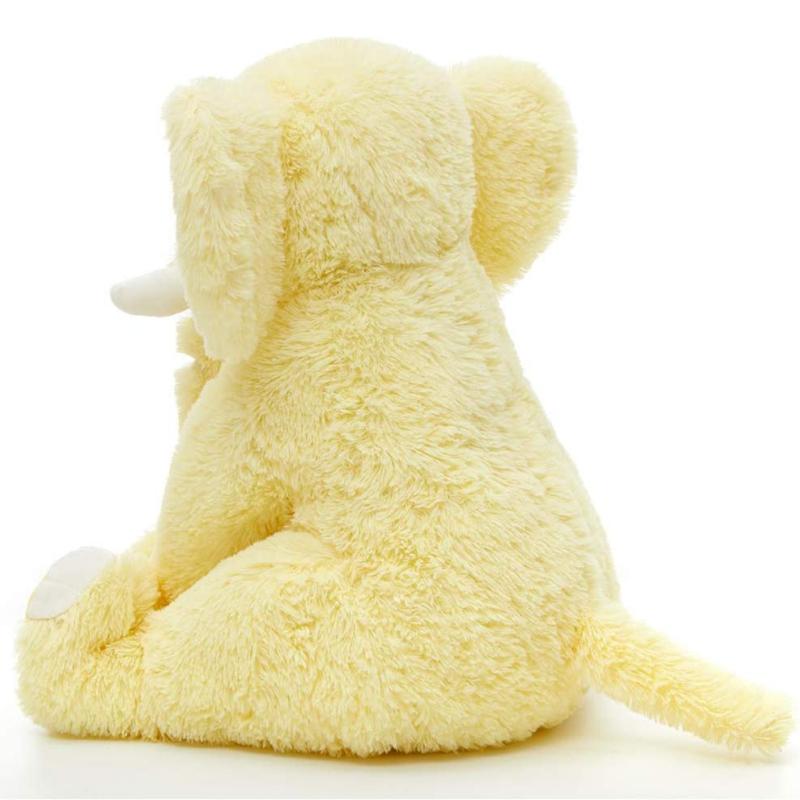
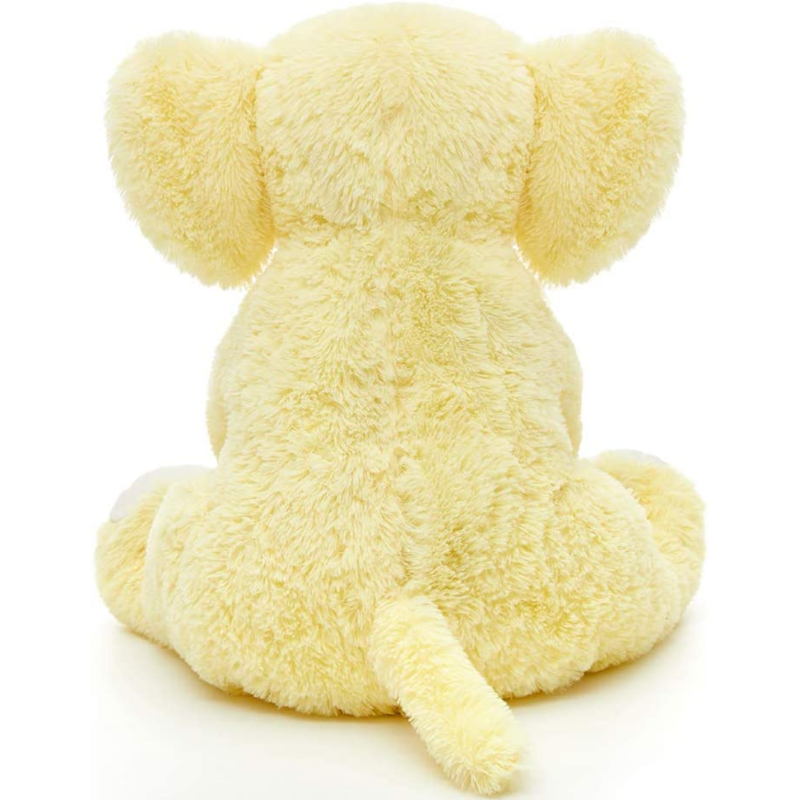
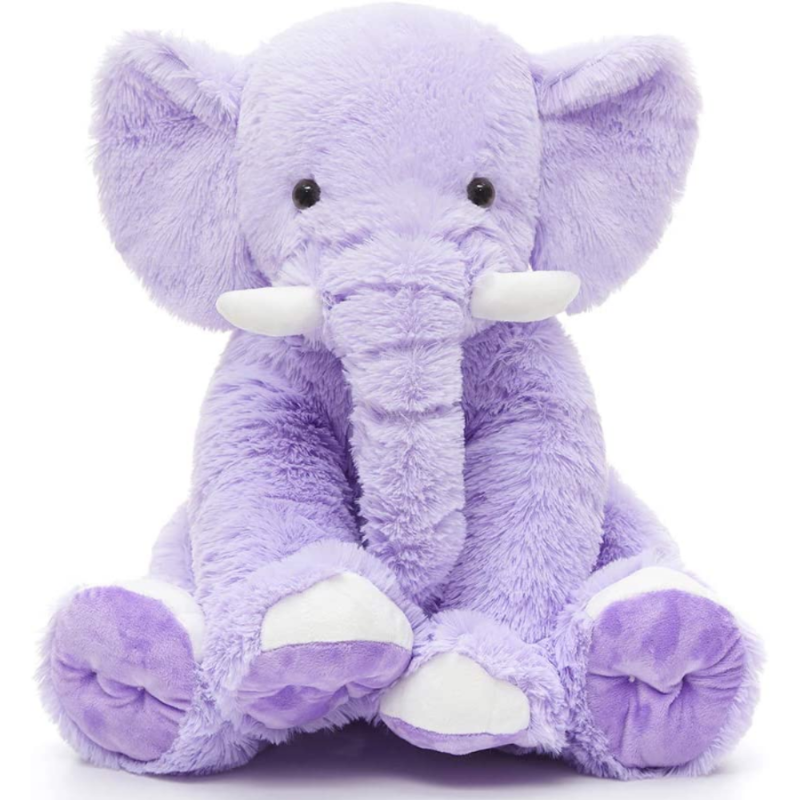
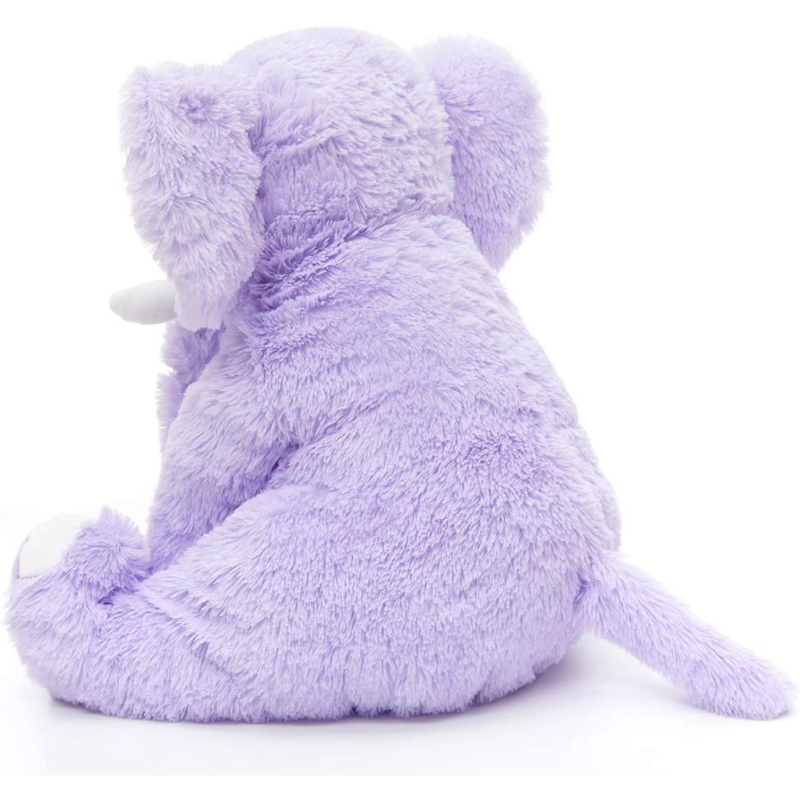
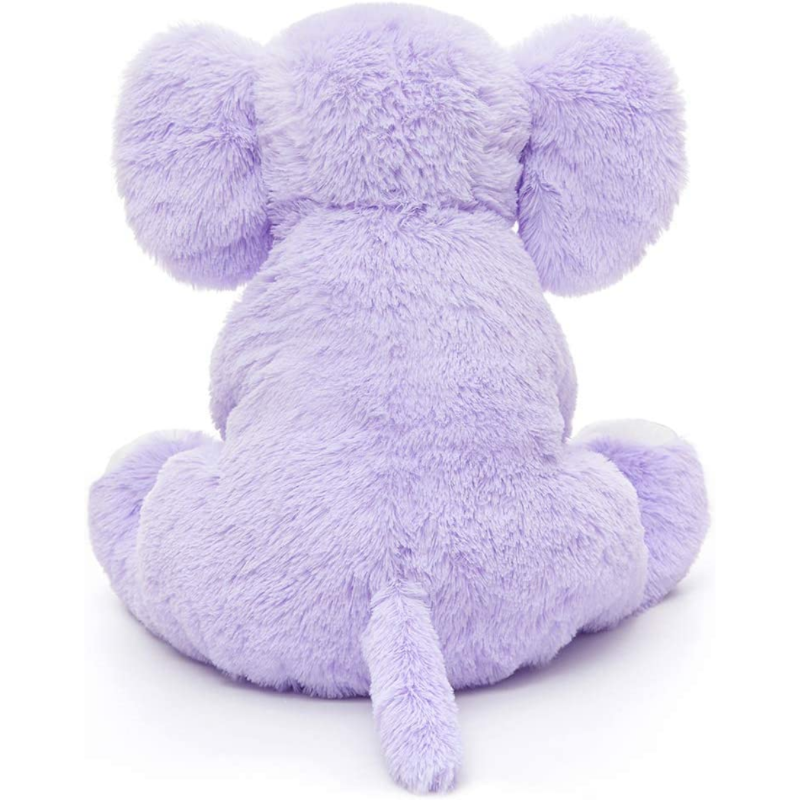
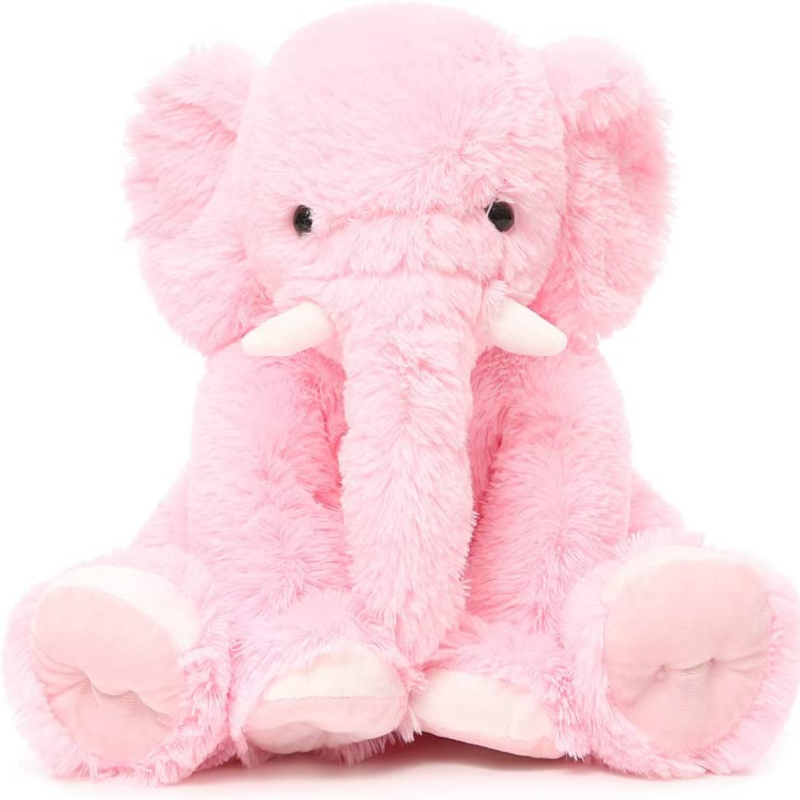
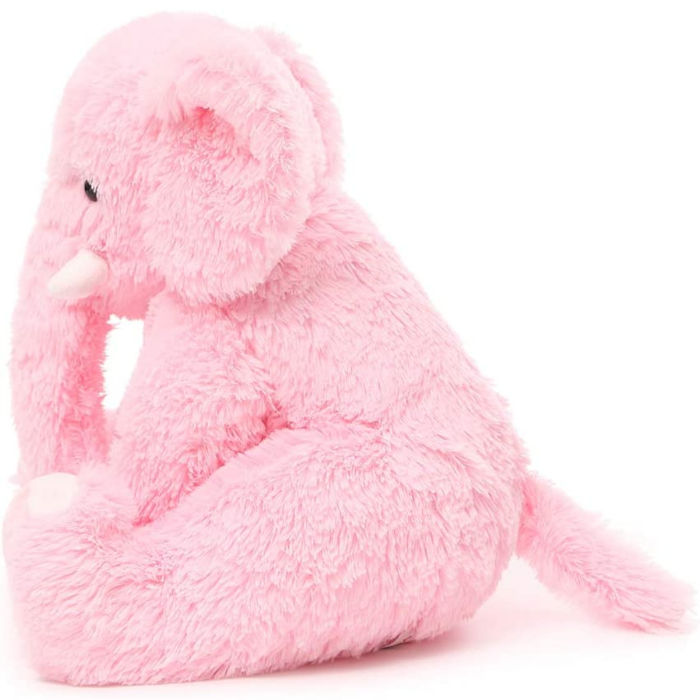
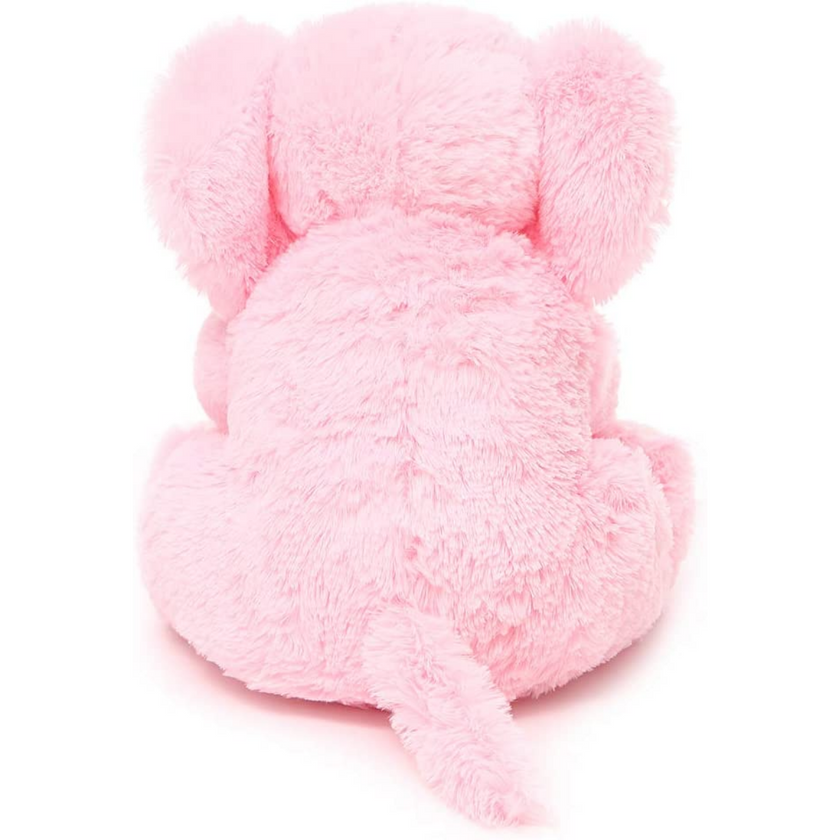
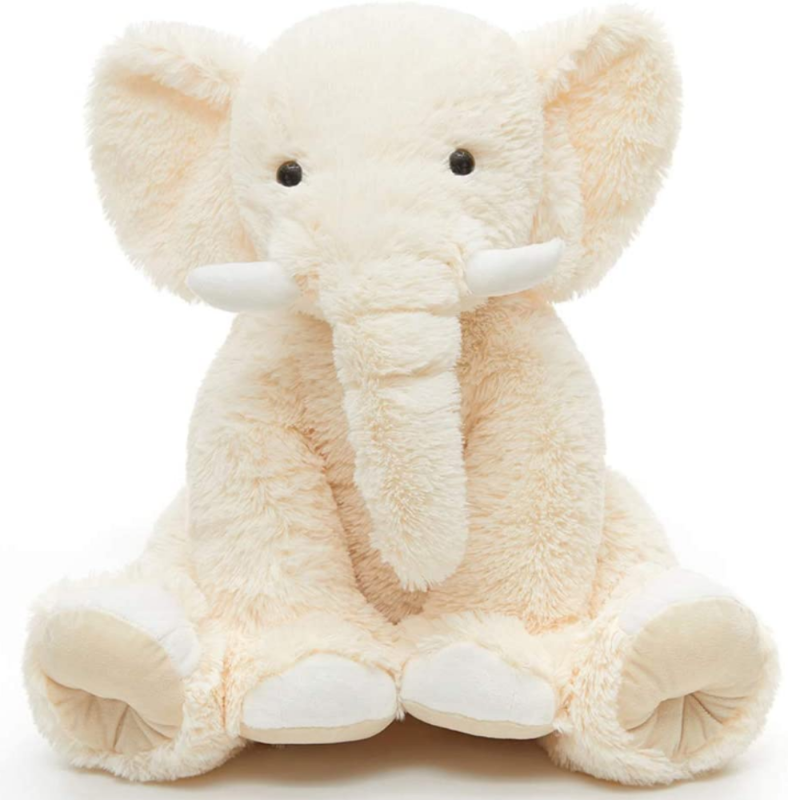
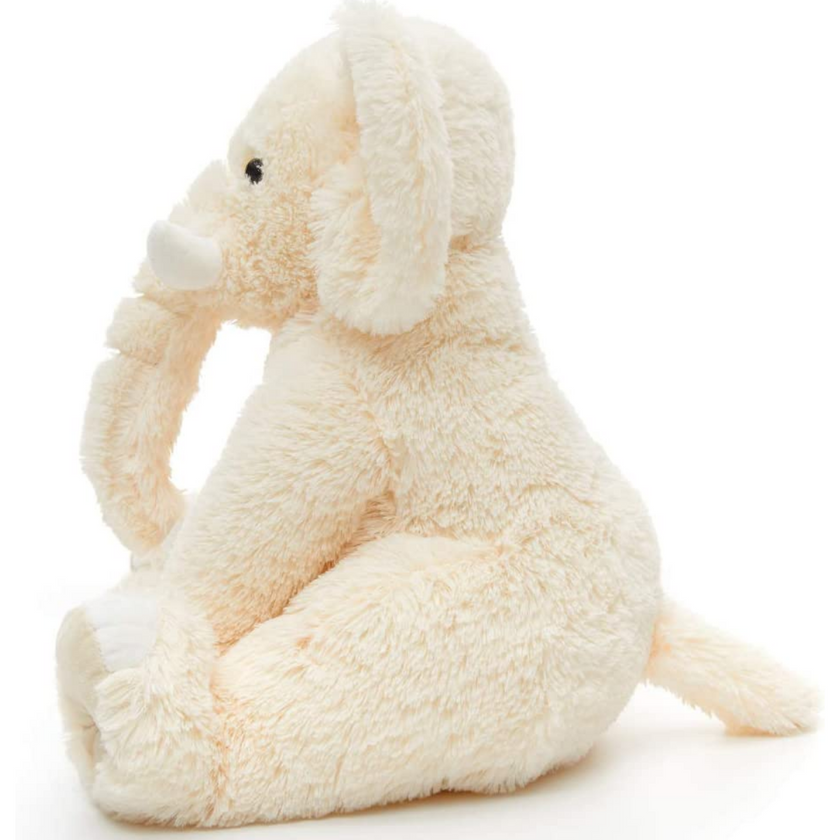
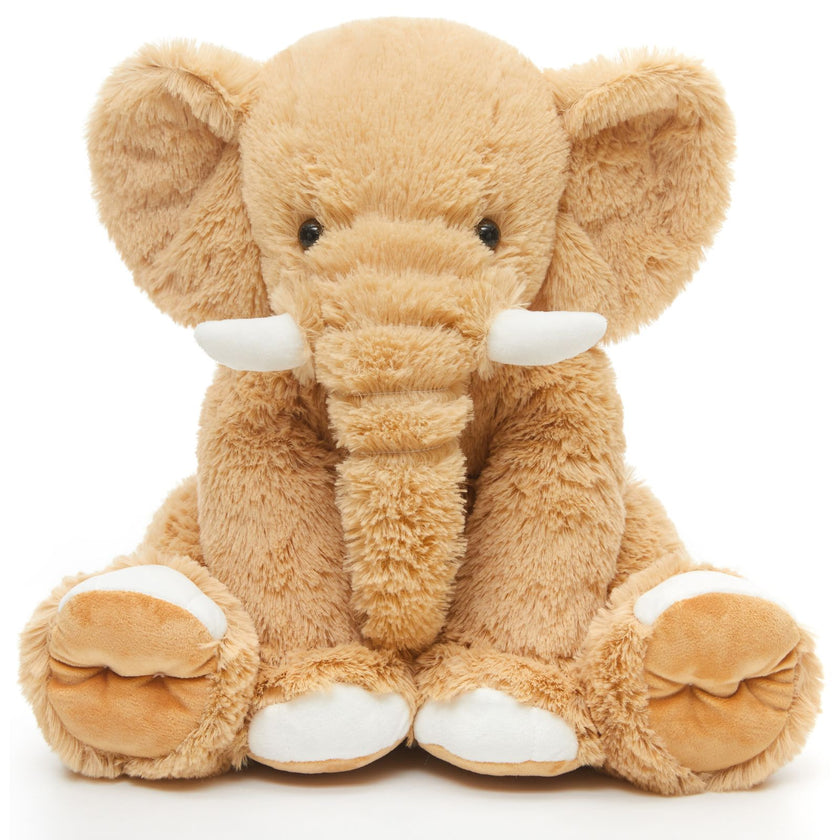
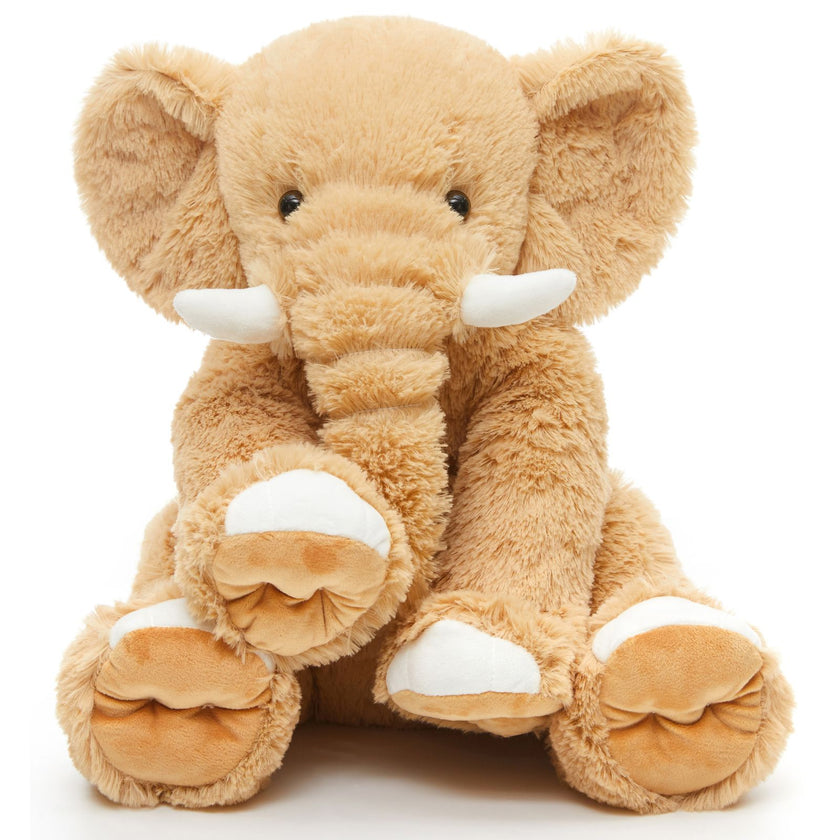
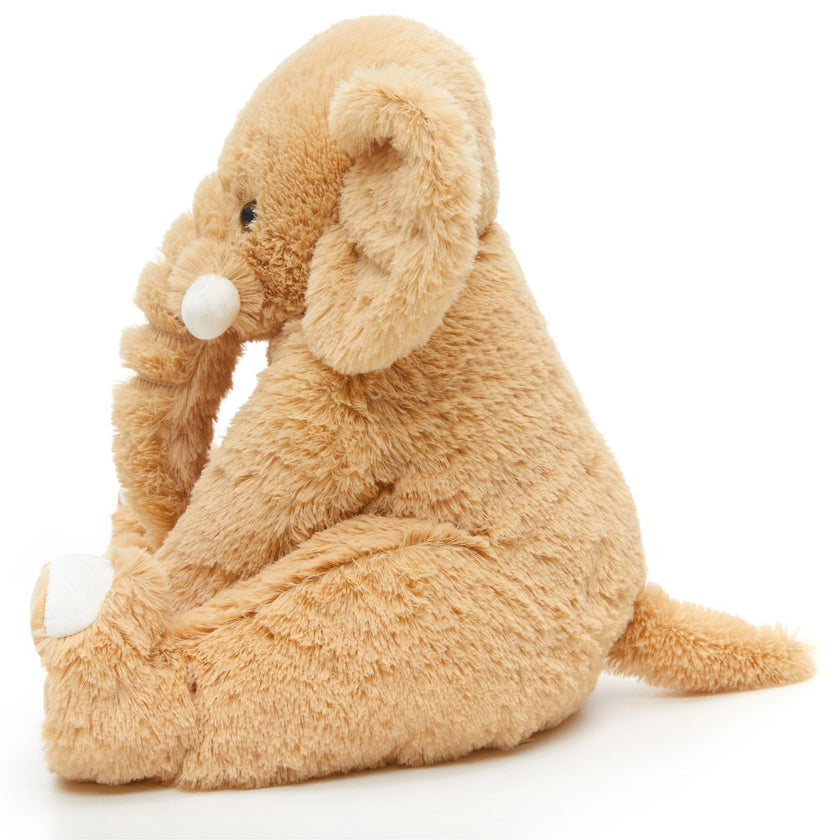
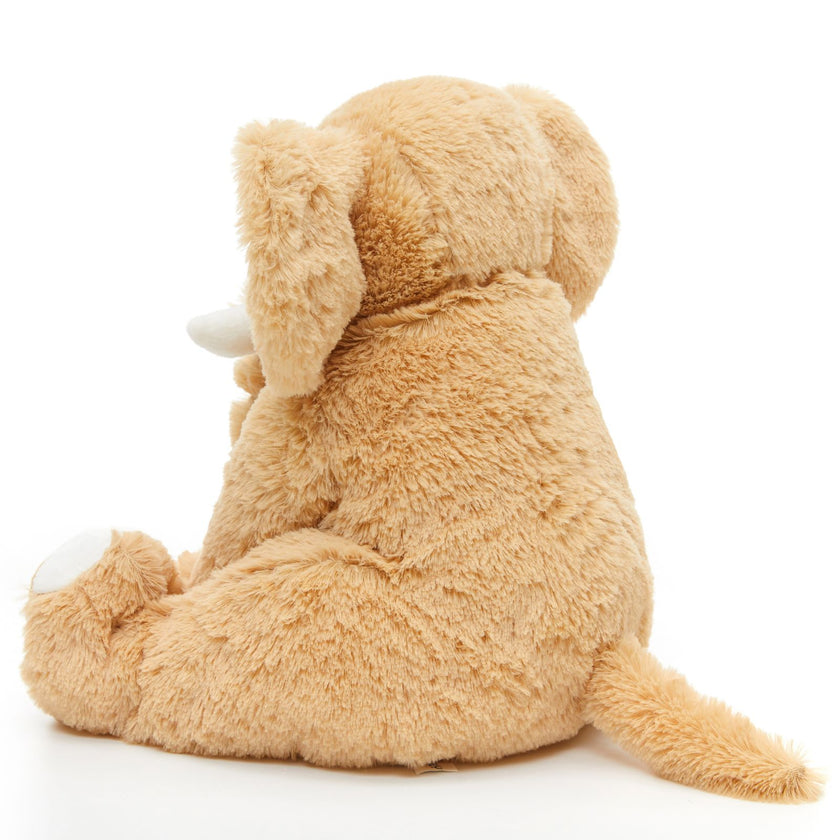
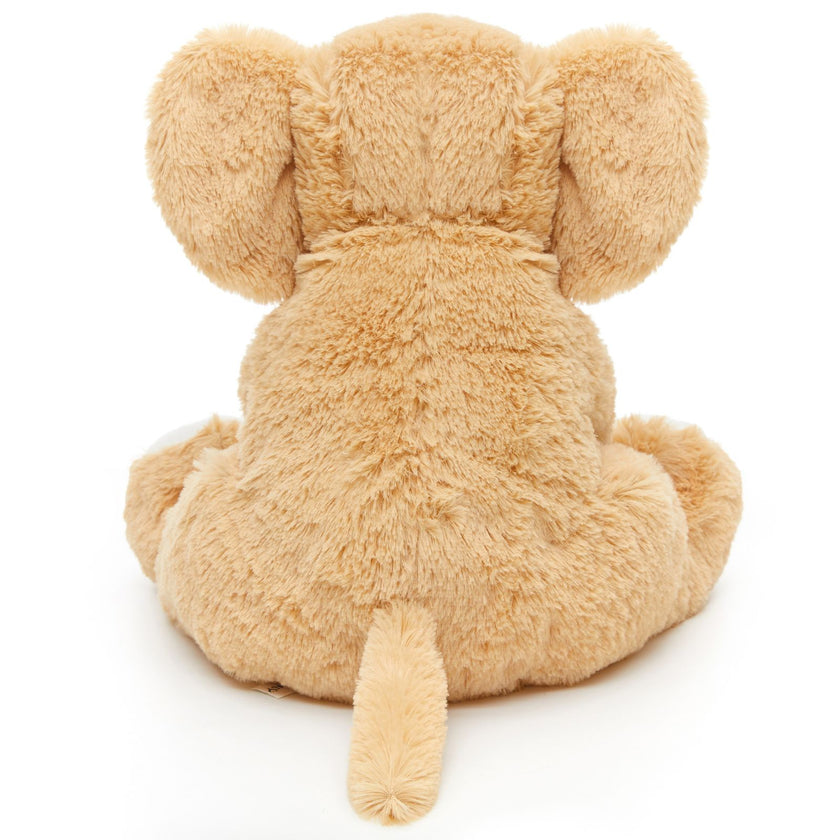
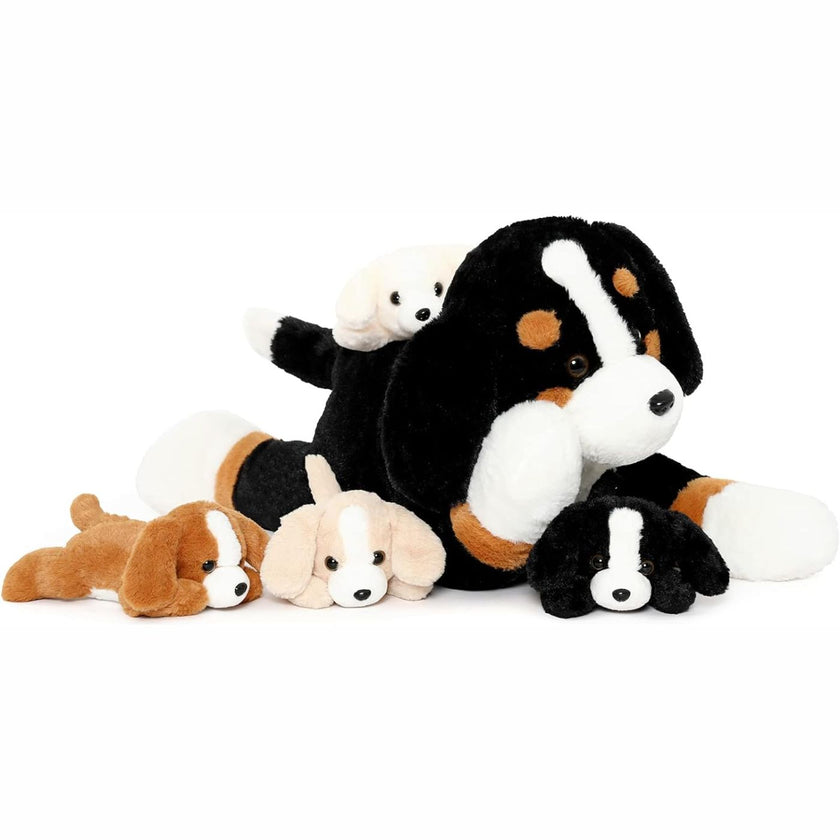
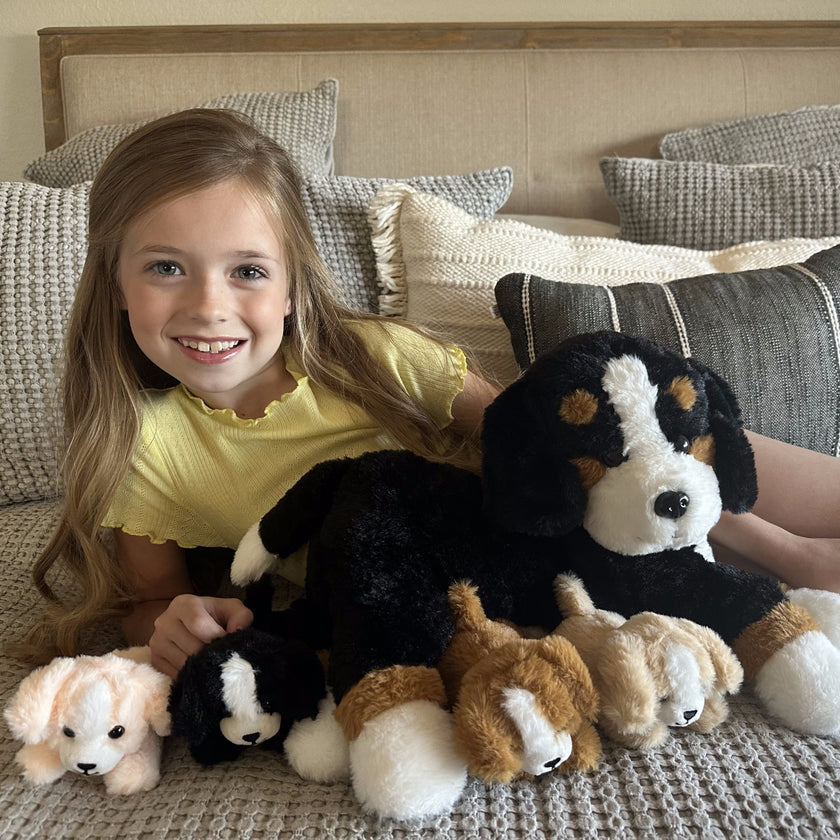
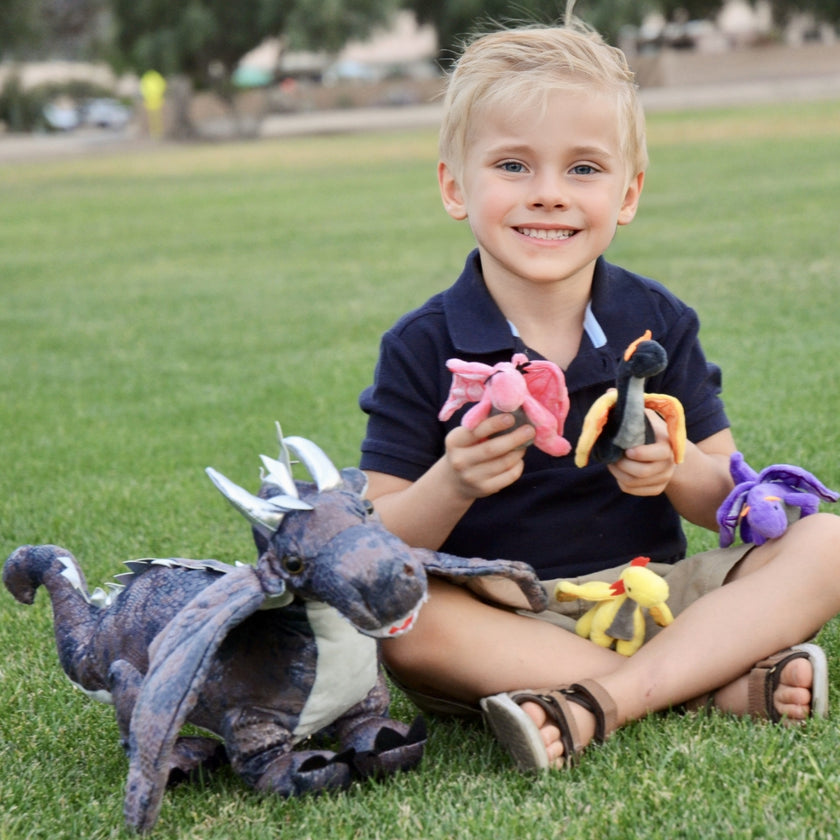
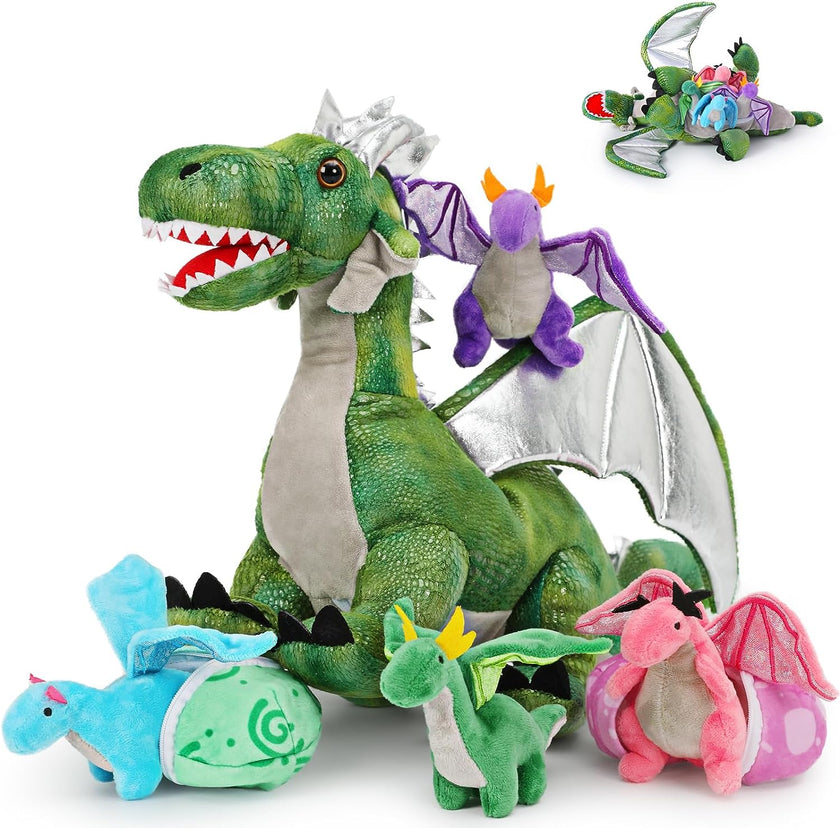
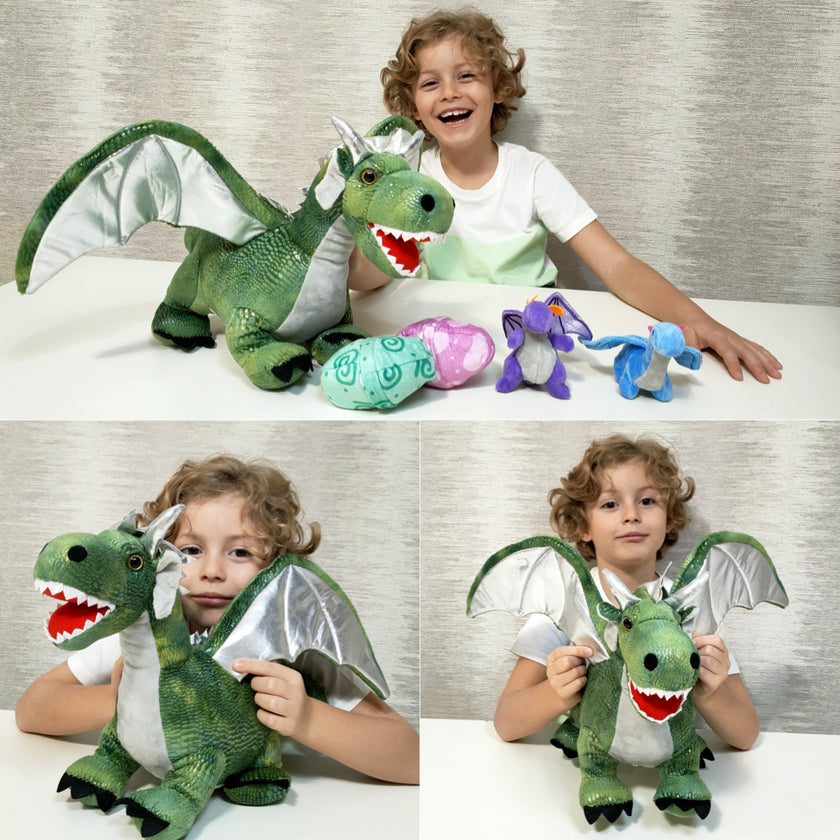
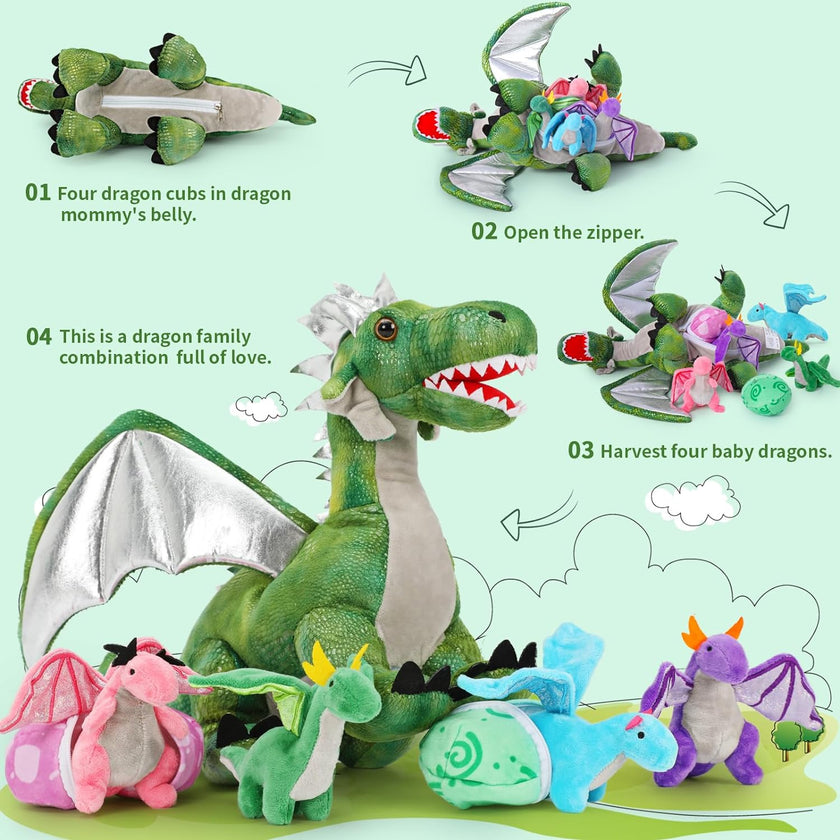
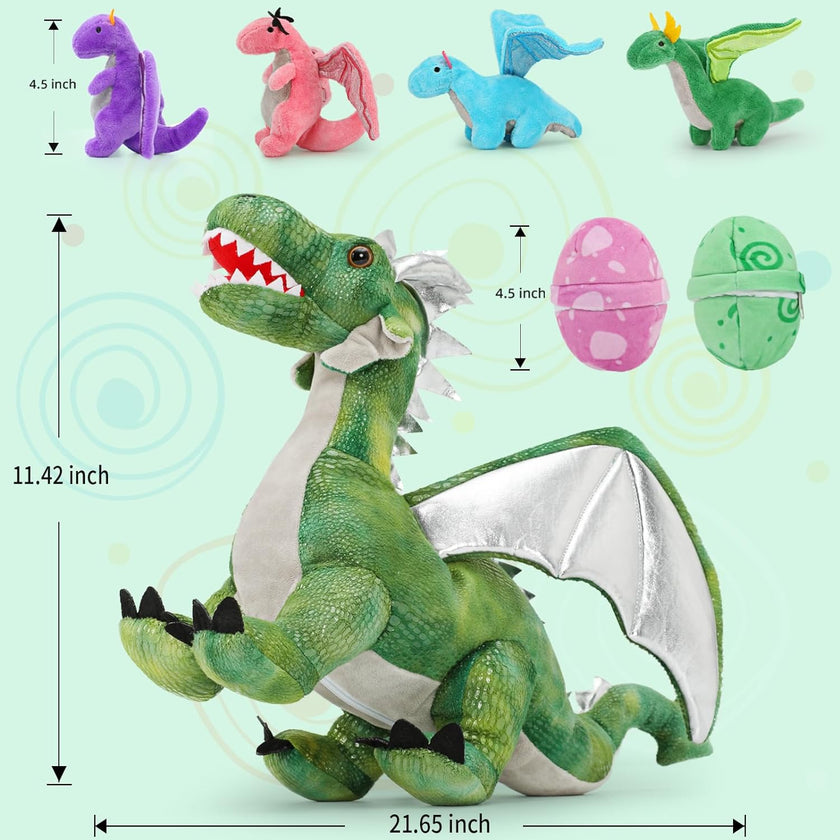
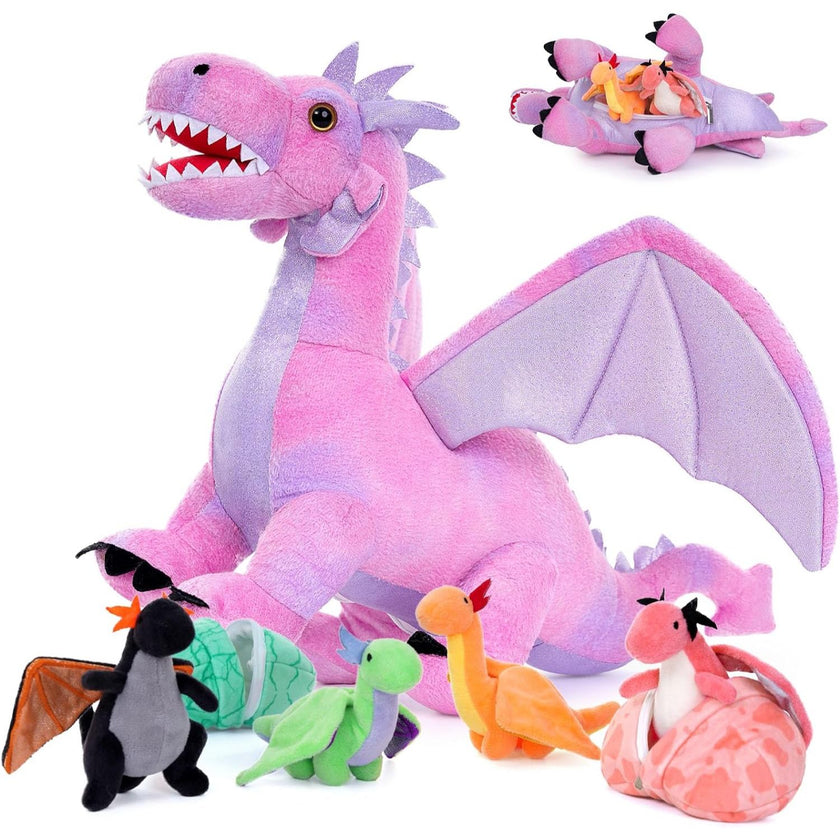
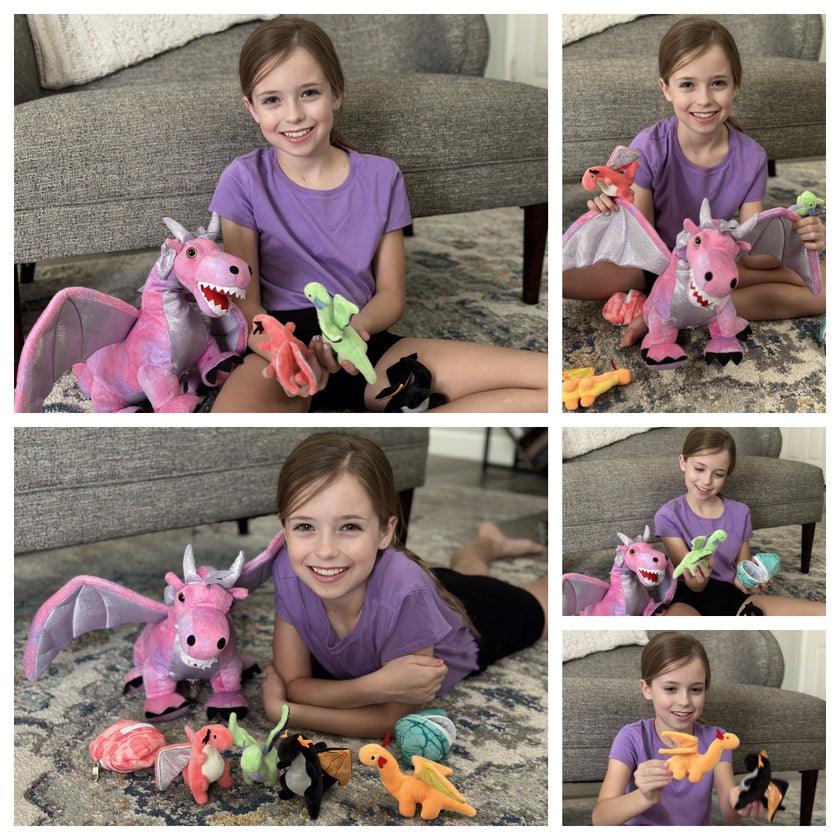
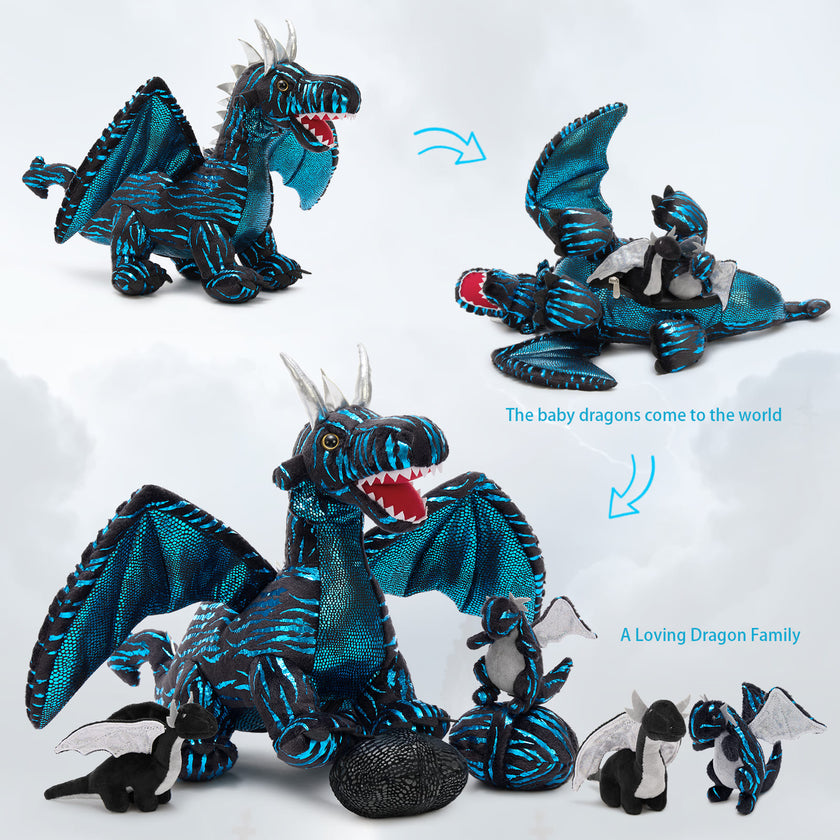
Sleep is one of the most essential parts of human health, yet for many people, it is also one of the hardest things to achieve. Stress, overthinking, loneliness, and screen addiction have quietly made restful sleep more difficult than ever. In the middle of all this, something surprisingly simple is gaining attention again—plush toys.
While often associated with childhood, plushies are increasingly being recognized as emotional comfort objects that can positively influence sleep quality for both children and adults. This is not about nostalgia alone. It is about how the human brain responds to softness, familiarity, and emotional safety cues.
In this article, we will explore why sleeping with plushies can improve sleep, how they affect the brain and body, and why something so simple can make such a meaningful difference in your nightly rest.
🌙 The Modern Sleep Problem: Why So Many People Struggle to Rest
Before understanding why plushies help, it is important to understand why sleep is so disrupted today.
Many people experience:
- Racing thoughts when trying to fall asleep
- Anxiety that becomes stronger at night
- Difficulty “switching off” after using phones or computers
- Feeling emotionally restless or lonely in bed
- Frequent waking during the night
Modern lifestyles keep the brain in a constant state of stimulation. Even when the body is tired, the mind often remains active.
This is where emotional comfort becomes important. Sleep is not only a physical process—it is deeply emotional. The brain needs signals that it is safe to relax completely.
🧸 What Makes Plushies So Comforting?
At first glance, a plush toy may seem like just a soft object. But psychologically, it carries a much deeper role.
Plushies often function as what psychologists call a “transitional object.” This means they help bridge the gap between emotional dependence and independence. In simpler terms, they provide a sense of safety when emotional reassurance is needed.
A plush toy can represent:
- Safety
- Familiarity
- Warmth
- Emotional stability
- A non-judgmental presence
Unlike screens or external stimulation, plushies are quiet, passive, and physically grounding. They do not demand attention—they simply exist as a comforting presence.
🧠 The Psychology Behind Sleeping With Plush Toys
The human brain is highly sensitive to sensory and emotional cues, especially at night.
When you hold a soft object like a plush toy, several psychological responses may occur:
1. Emotional grounding
Touching something soft can help bring attention away from anxious thoughts and back to the physical body. This grounding effect can reduce mental spiraling before sleep.
2. Sense of companionship
Even though a plush toy is not alive, the brain can still interpret it as a form of presence. For individuals who sleep alone, this can reduce feelings of loneliness at night.
3. Comfort association
Over time, the brain begins to associate the plush toy with sleep. This creates a conditioning effect—seeing or holding the plushie becomes a signal that it is time to rest.
4. Reduced stress response
Feeling safe is essential for sleep. Comfort objects can help reduce emotional tension, allowing the nervous system to shift into a more relaxed state.
😴 How Plushies Can Help You Fall Asleep Faster
One of the most noticeable benefits people report is falling asleep more easily.
Here is why that happens:
🛏️ 1. Reduced overthinking
Holding something soft gives the mind a gentle focal point. Instead of spiraling thoughts, attention shifts to physical sensation.
🌿 2. Emotional reassurance
The presence of a plush toy can create a subtle sense of comfort, especially during stressful periods of life.
🧘 3. Body relaxation response
When the body feels safe, muscles naturally relax. This makes it easier to transition into sleep.
🌙 4. Bedtime signal reinforcement
Using the same plush toy consistently helps the brain recognize bedtime patterns more clearly.
💕 Plushies and Anxiety: Why They Matter More at Night
Many people notice that anxiety feels stronger at night. There are fewer distractions, and the mind becomes more active.
This is where plush toys can have a calming influence.
A plushie does not solve life problems, but it can:
- Reduce emotional intensity
- Provide a sense of stability
- Help redirect focus away from worry
- Offer physical comfort during anxious moments
For individuals dealing with stress, burnout, or general anxiety, this small form of comfort can make the bedtime experience significantly easier.
🛌 Building a Better Sleep Environment With Plush Toys
Plushies work best when they are part of a calming sleep routine rather than a standalone solution.
Here is how they fit into a healthy bedtime environment:
🌙 Step 1: Create a calm atmosphere
Dim lighting, quiet surroundings, and reduced screen exposure help signal the brain that the day is ending.
🧸 Step 2: Introduce your plushie as part of the routine
Holding or placing your plush toy in bed consistently builds emotional association with sleep.
📖 Step 3: Pair it with relaxing habits
Reading, soft music, or deep breathing combined with your plushie strengthens relaxation cues.
💤 Step 4: Maintain consistency
Using the same comfort object over time reinforces the brain’s sleep conditioning process.
🧸 Are Plushies Only for Children? Absolutely Not.
One of the biggest misconceptions is that plush toys are only for kids. In reality, emotional comfort has no age limit.
Adults today face:
- High work stress
- Social pressure
- Emotional exhaustion
- Digital overload
- Loneliness in urban environments
Comfort objects are simply one way the brain self-soothes in safe and harmless ways.
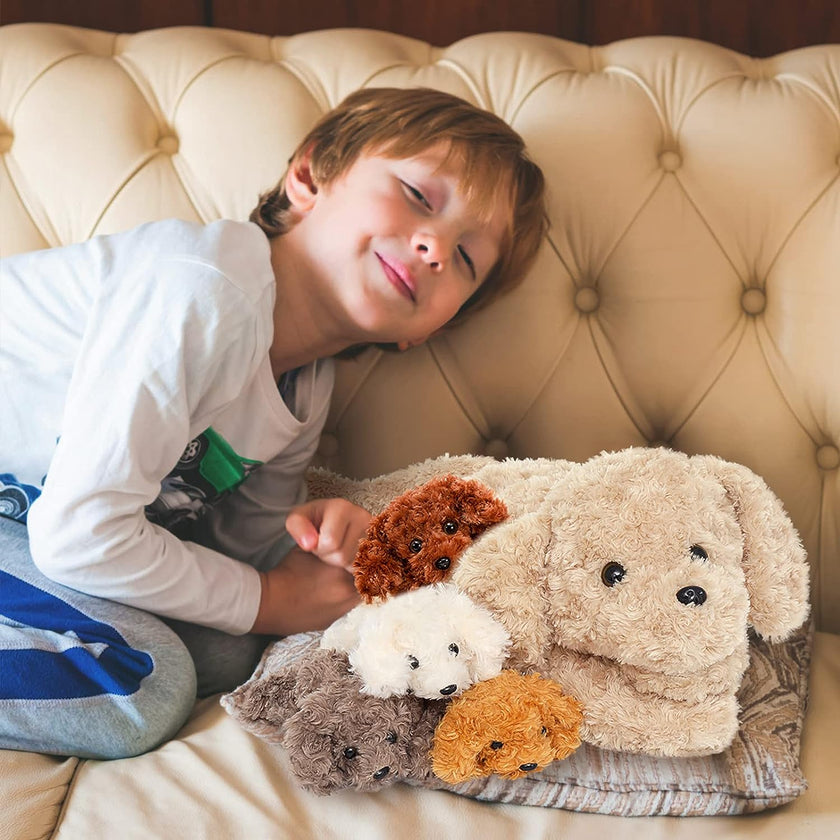
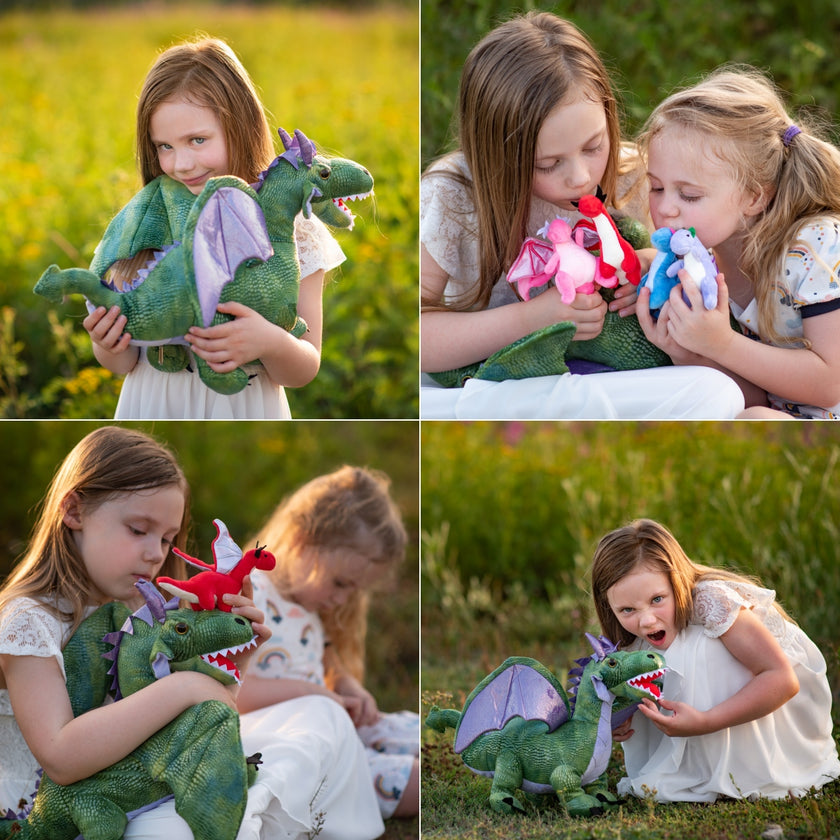
Many adults quietly keep plushies on their bed—not because they are childish, but because they are human.
🌸 The Emotional Benefits Beyond Sleep
While improved sleep is the main benefit, plush toys can also support emotional well-being in broader ways:
💗 Stress relief
Soft textures can help reduce emotional tension after long days.
🧠 Mental reset
They provide a simple, non-digital way to decompress.
💞 Emotional stability
Having a consistent comfort object can create a sense of continuity during stressful life changes.
💤 Better bedtime consistency
Ritual-based habits help regulate sleep cycles over time.
🧸 How to Choose the Right Plushie for Sleep
Not all plush toys are equally effective for sleep comfort. Choosing the right one can improve the experience significantly.
✨ 1. Softness matters most
The texture should feel gentle and calming, not stiff or rough.
📏 2. Size should be comfortable
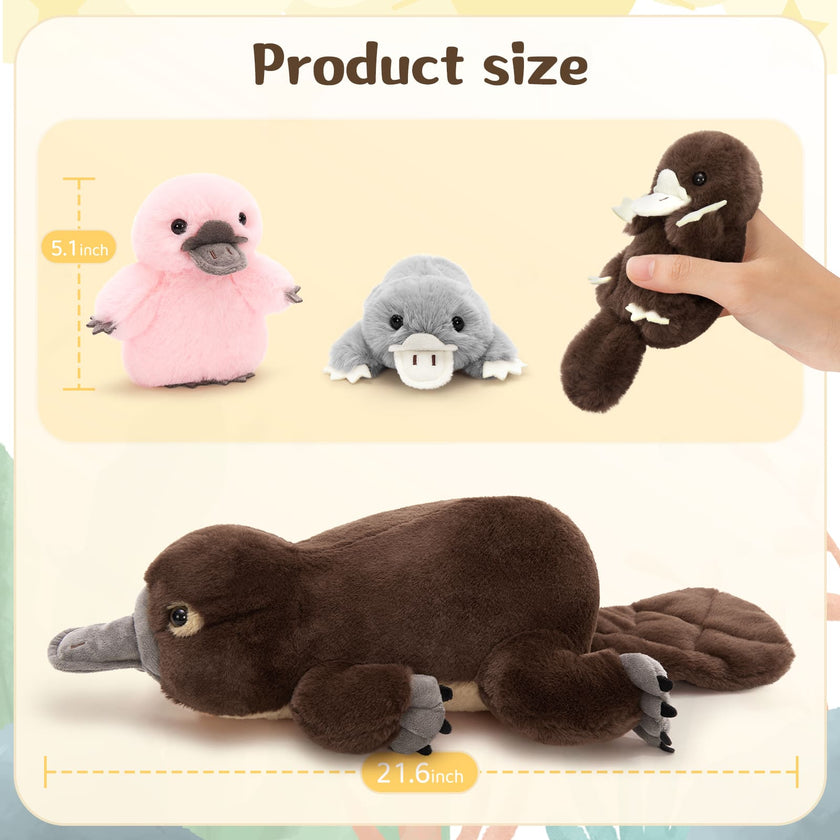
It should be easy to hold or place beside you without taking too much space.
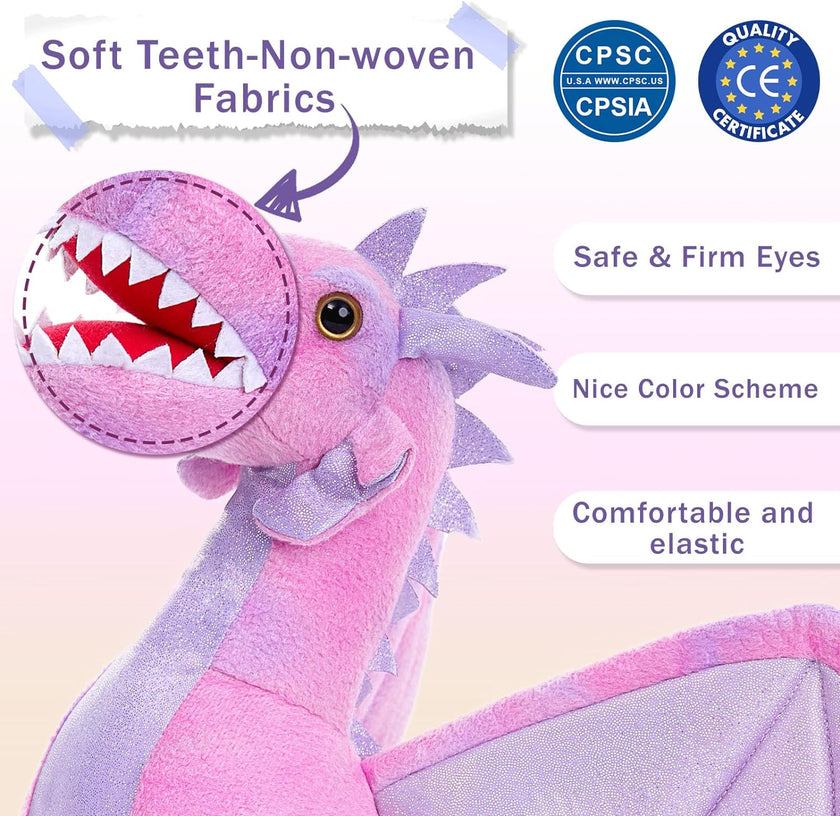
🌿 3. Safe materials
Breathable, hypoallergenic fabrics are ideal for nightly use.
💕 4. Emotional connection
A plushie that feels visually comforting or “cute” increases emotional attachment.
🛏️ 5. Easy to maintain
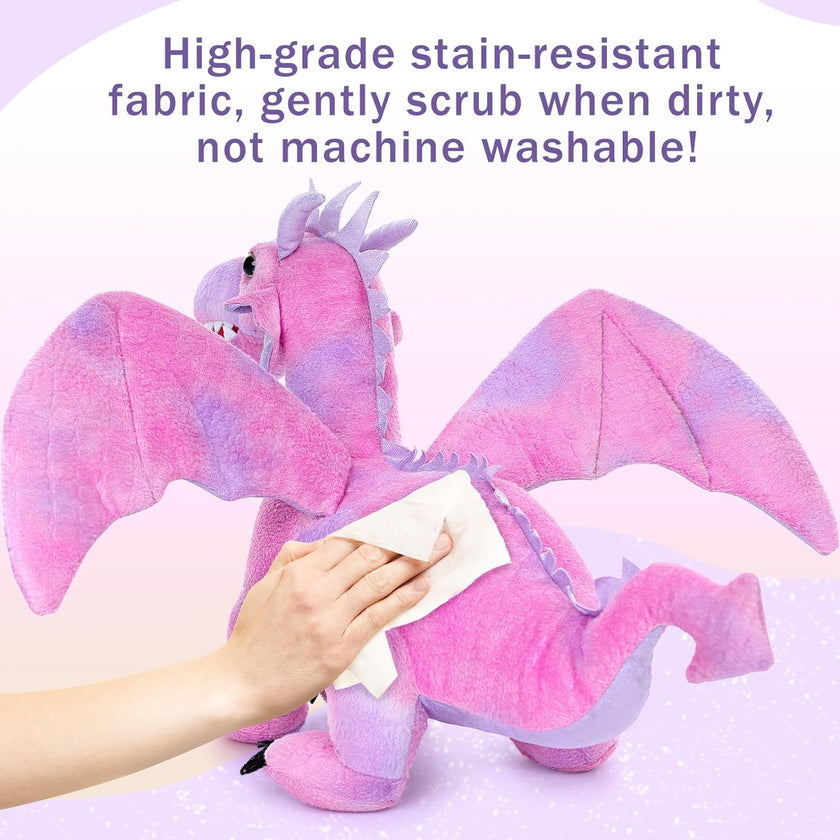
Washable materials help keep the sleep environment clean and long-lasting.
🌙 Why Something So Simple Works So Well
At its core, sleeping with a plush toy is not about the object itself—it is about what it represents.
It represents:
- Safety in a chaotic world
- Emotional grounding when thoughts are loud
- A return to simplicity in a complex lifestyle
- A reminder that comfort is allowed, even in adulthood
Sleep is not just a physical state. It is an emotional surrender. And anything that helps the mind feel safe enough to let go can make a meaningful difference.
💤 Final Thoughts
In a world filled with noise, pressure, and constant stimulation, sleep has become harder than it should be. Plush toys offer something surprisingly powerful: quiet comfort.
They do not fix life’s problems, but they can soften the emotional edges of the day. They can make bedtime feel less lonely, less stressful, and more peaceful.
And sometimes, that is exactly what good sleep needs—not perfection, but comfort.