Why Stuffed Animals Are Comforting at Any Age
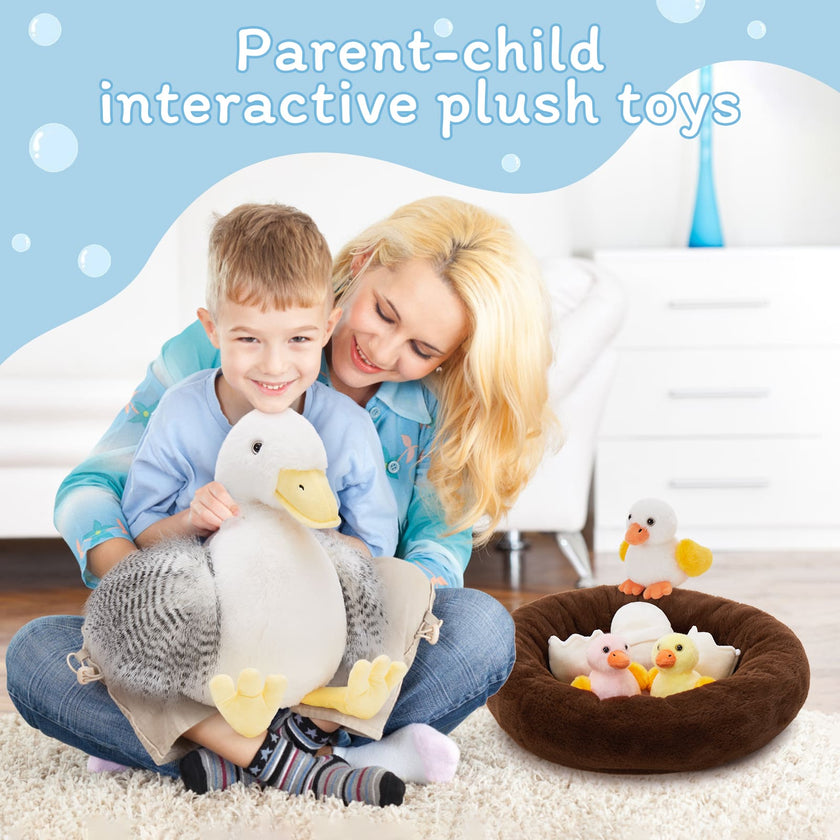
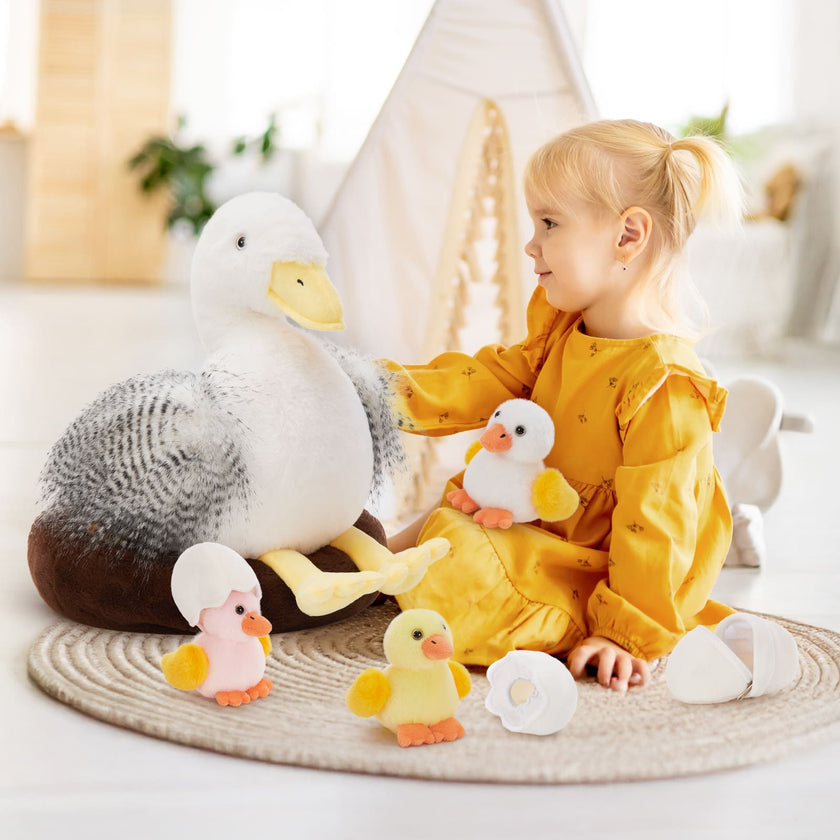
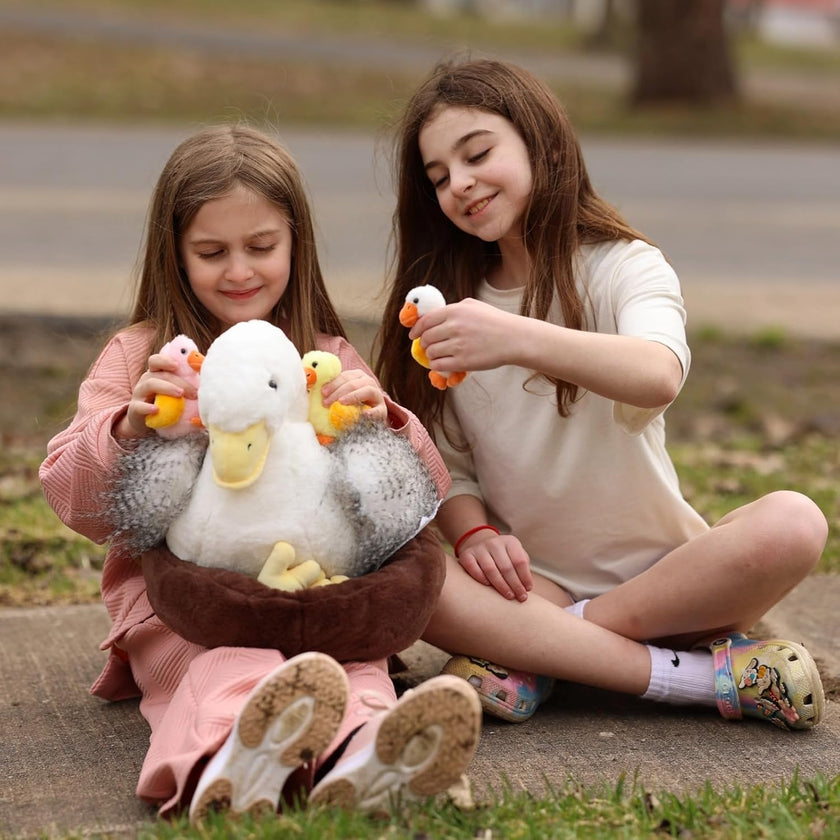
Stuffed animals are often seen as childhood toys, but their emotional value goes far beyond early years. From toddlers to adults, plush companions provide comfort, stability, and emotional grounding in ways that are both simple and powerful.
In a fast-moving world filled with stress, screens, and constant pressure, something soft and familiar can become surprisingly meaningful.
1. Emotional Security and Comfort
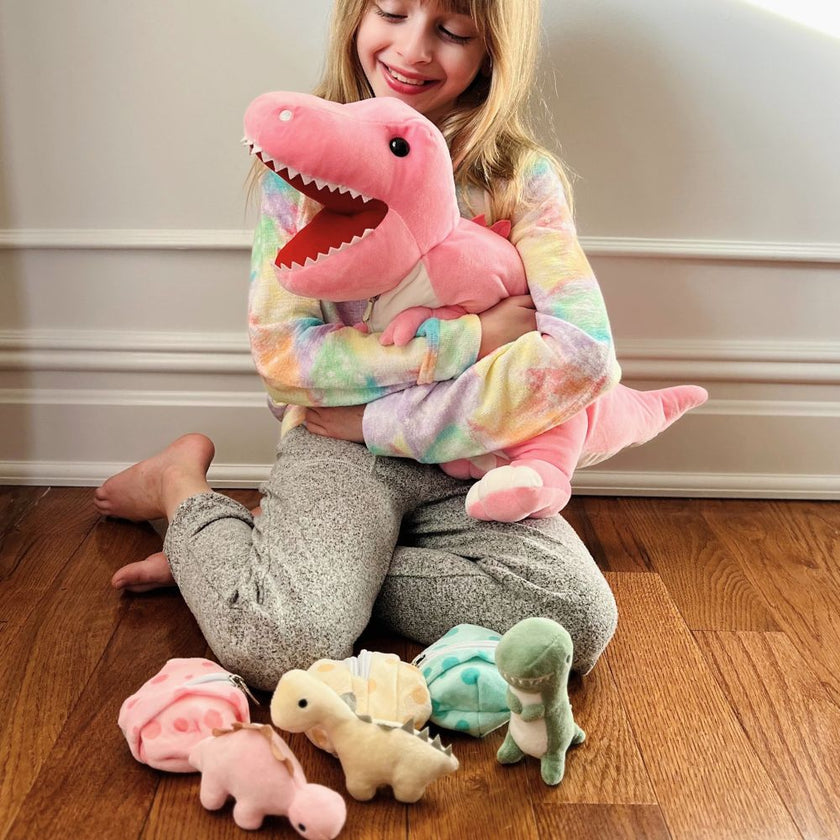
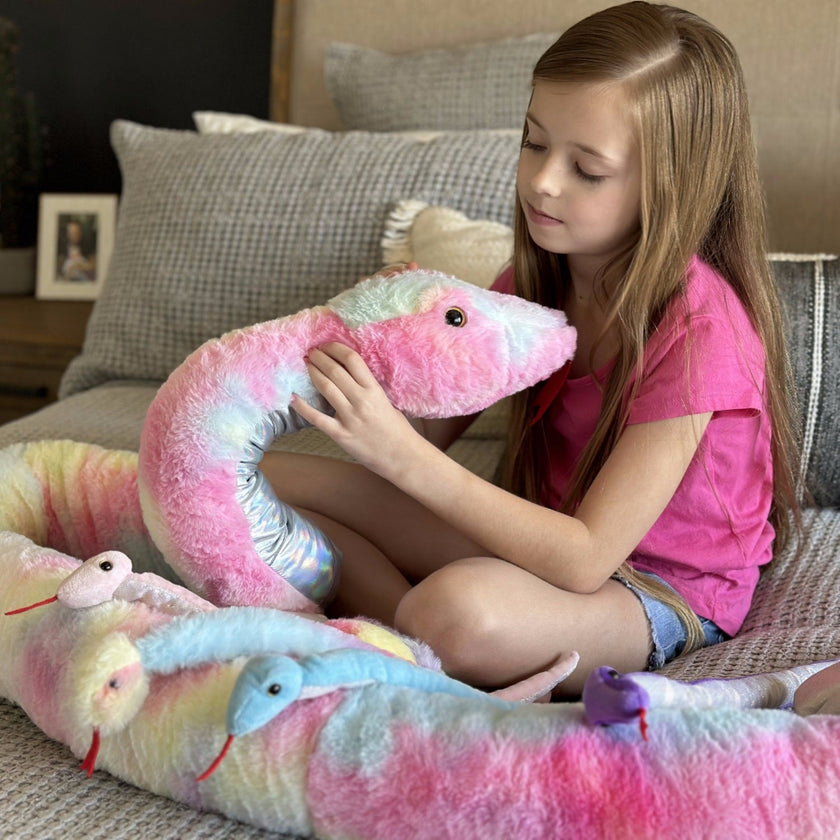
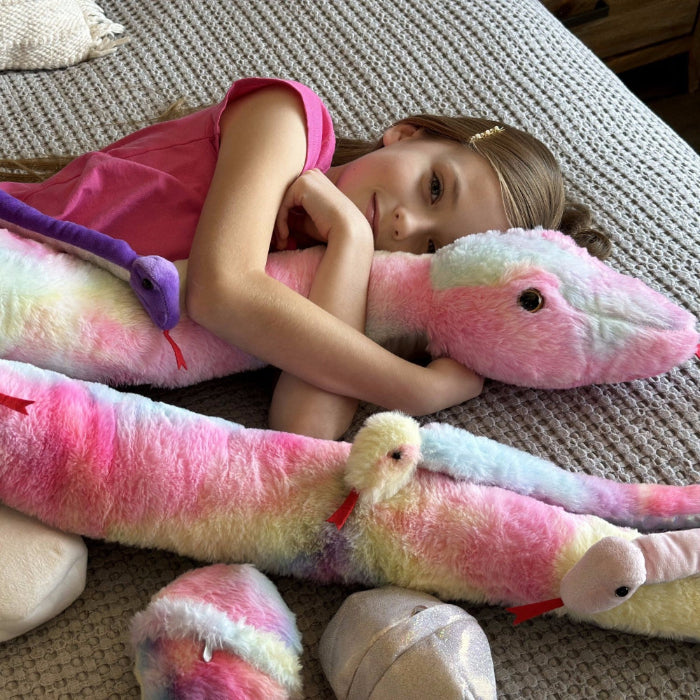
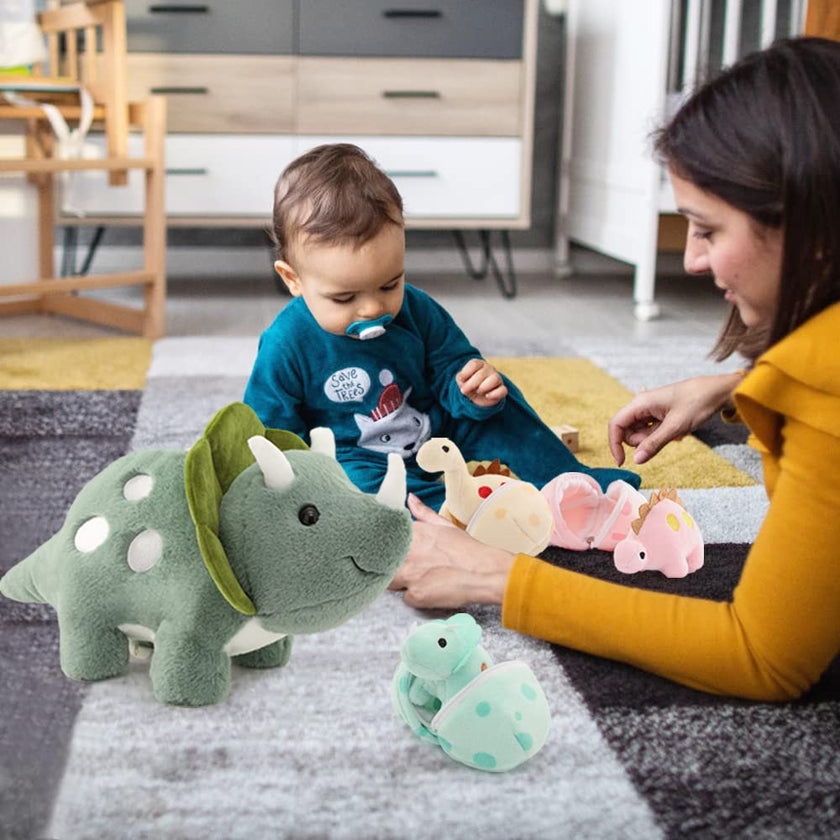
At their core, stuffed animals represent safety. For children, they often become “transitional objects,” helping them feel secure when parents are not nearby.
But this doesn’t disappear with age.
Adults also experience stress, loneliness, and anxiety. A stuffed animal can quietly offer a sense of emotional stability. Its softness, weight, and familiarity can help the brain relax and shift into a calmer state.
2. Stress and Anxiety Relief
Physical touch is a powerful form of emotional regulation.
Holding something soft can:
- Reduce feelings of anxiety
- Slow down breathing
- Lower stress levels
- Provide grounding during emotional overload
Many people naturally hug pillows or blankets when stressed. Stuffed animals simply add personality and emotional attachment to that same instinct.
3. Nostalgia and Childhood Connection
Stuffed animals are deeply connected to memory.
For many adults, a plush toy is not just an object—it represents:
- Childhood safety
- Simpler times
- Family memories
- Emotional innocence
Nostalgia has been shown to improve mood and increase feelings of belonging. A stuffed animal can act as a physical reminder of those positive emotions.
4. Loneliness and Emotional Support
Loneliness is not limited to being physically alone. It can exist even in busy lives.
A stuffed animal can provide:
- A sense of companionship
- A “presence” in quiet spaces
- Emotional grounding during lonely moments
While it is not a replacement for human relationships, it can soften emotional gaps and provide comfort when needed.
5. Sleep Improvement and Night Comfort
Many people sleep better with something soft nearby.
Stuffed animals can:
- Reduce nighttime anxiety
- Create a sense of routine and safety
- Help the mind relax before sleep
- Act as a comforting bedtime ritual
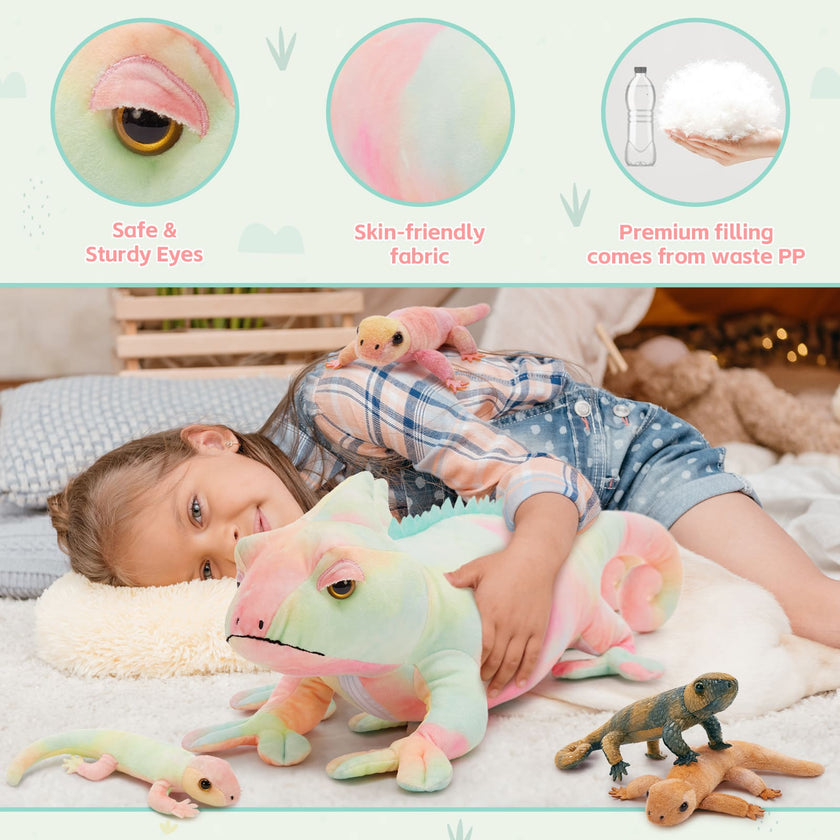
For children and adults alike, the presence of a plush toy can make bedtime feel less stressful and more peaceful.
6. Self-Expression and Personality
Choosing or keeping a stuffed animal is also a form of self-expression.
Some people prefer:
- Cute and pastel designs
- Animals that reflect their personality
- Handmade or unique plush toys
- Emotional or symbolic characters
These choices reflect identity, comfort style, and emotional needs.
7. Therapy and Mental Health Use
In therapeutic settings, comfort objects are sometimes used to support emotional healing.
Stuffed animals can help:
- People with anxiety disorders
- Individuals dealing with trauma
- Children in therapy
- Adults in emotional recovery
They offer a non-judgmental, safe object to hold during difficult emotional processing.
8. Why Adults Still Need Comfort Objects
There is a misconception that comfort objects are “only for kids.” In reality, emotional needs do not disappear with age.
Adults carry:
- Work pressure
- Emotional responsibility
- Social stress
- Mental fatigue
A stuffed animal does not solve these problems—but it provides a small, steady source of emotional relief in a chaotic environment.
Conclusion
Stuffed animals remain comforting at any age because they connect directly to human emotional needs: safety, touch, memory, and companionship.
Whether placed on a bed, held during stress, or simply kept nearby, they continue to serve an important role in emotional well-being—quietly, gently, and consistently.